Department of Biological Chemistry, University of Michigan Medical School, Ann Arbor, Michigan 48109, United States.
Laboratorio de Química Teórica y Computacional (LQTC), Instituto de Química Biológica, Facultad de Ciencias and Centro de Investigaciones Biomédicas (CeInBio), Universidad de la República, Iguá 4225, Montevideo 11400, Uruguay.
J Am Chem Soc. 2020 Aug 19;142(33):14295-14306. doi: 10.1021/jacs.0c06066. Epub 2020 Aug 10.
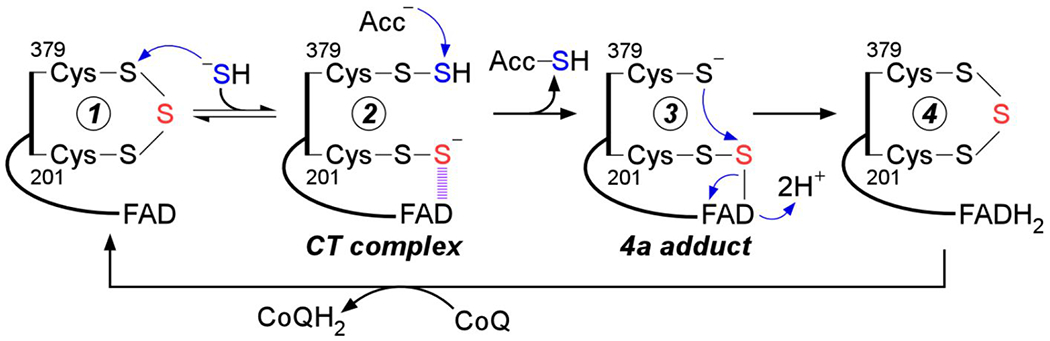
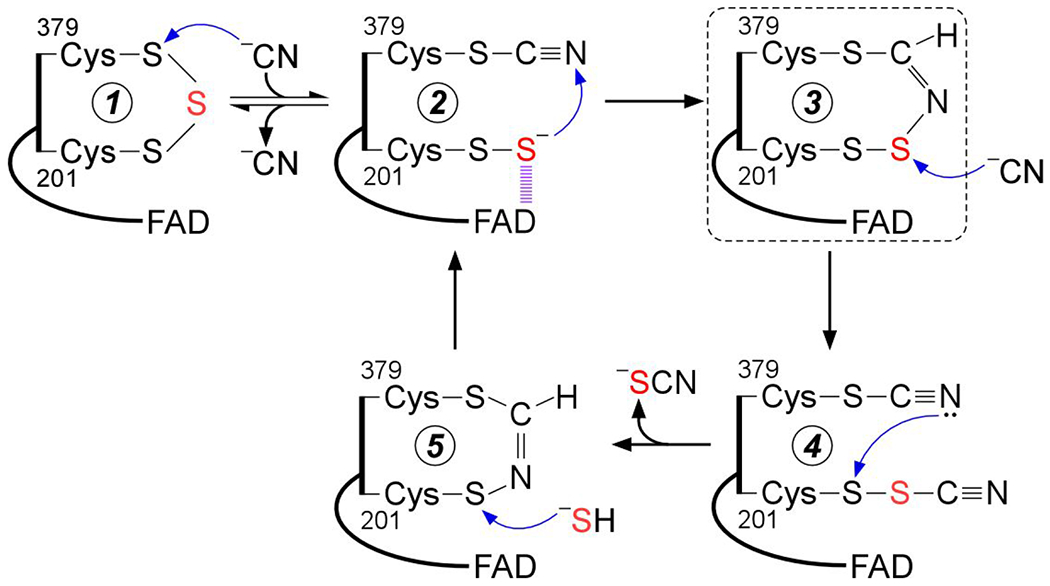
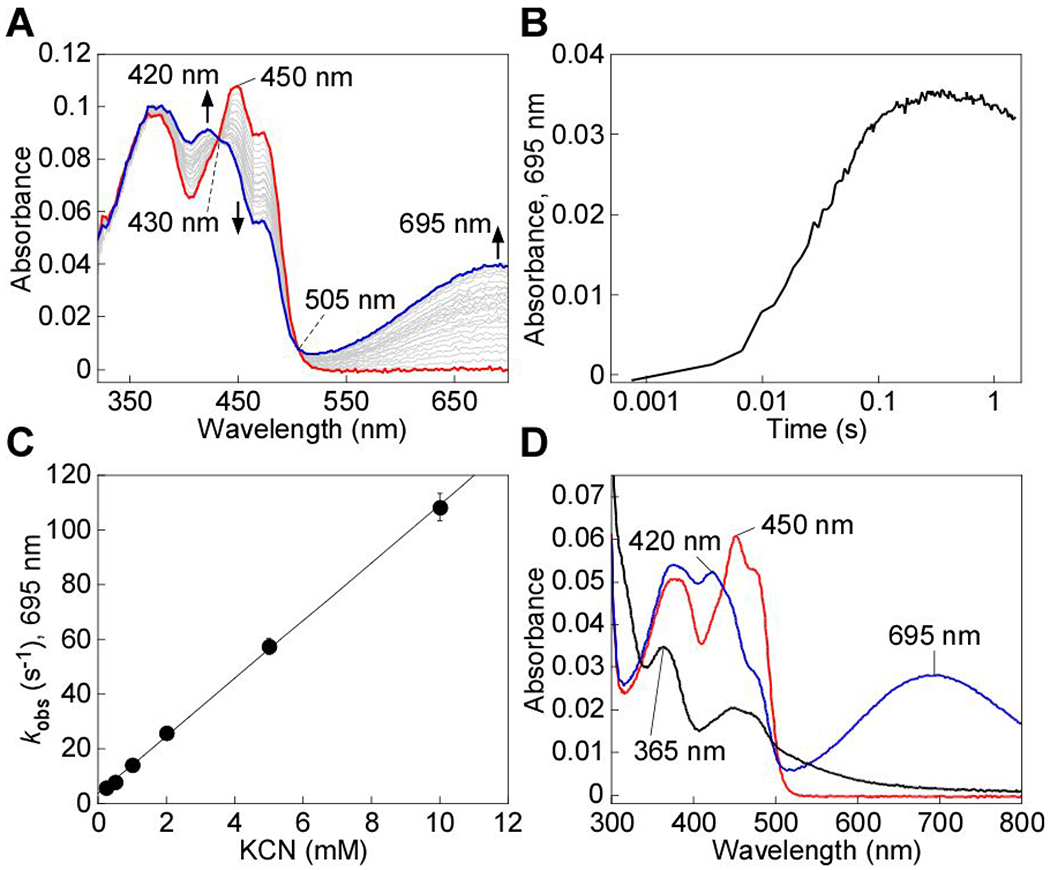
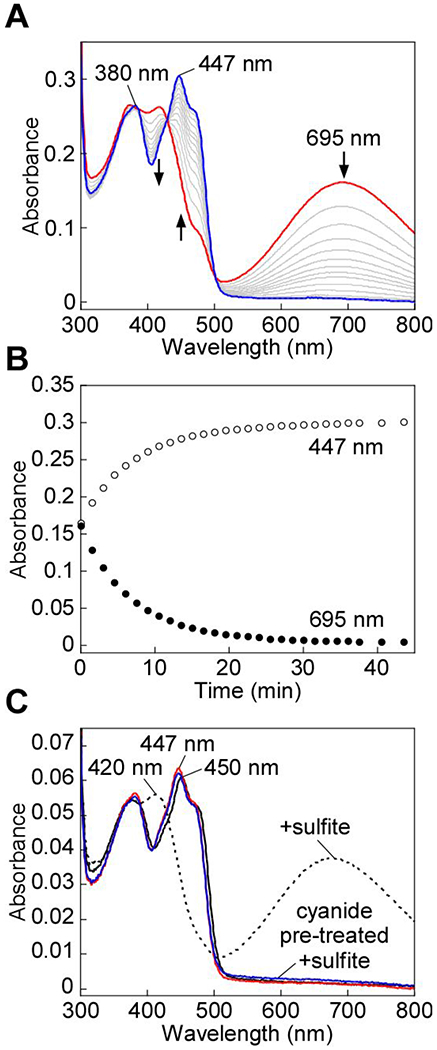
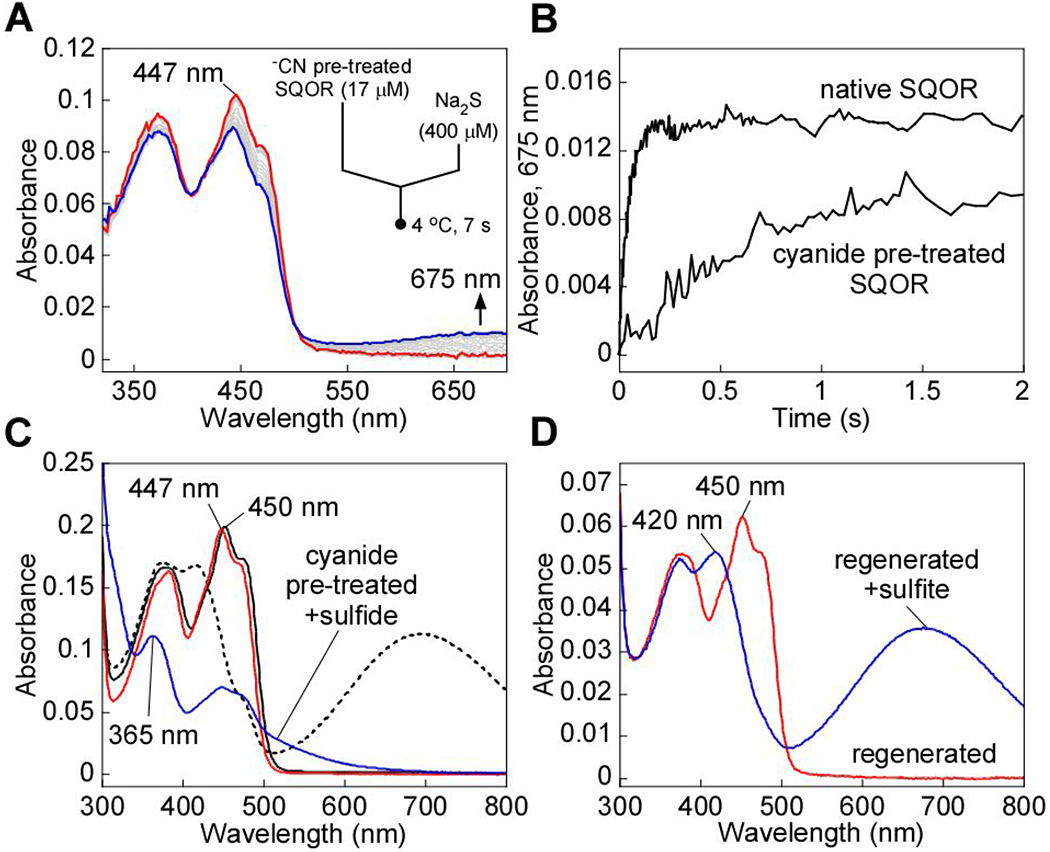
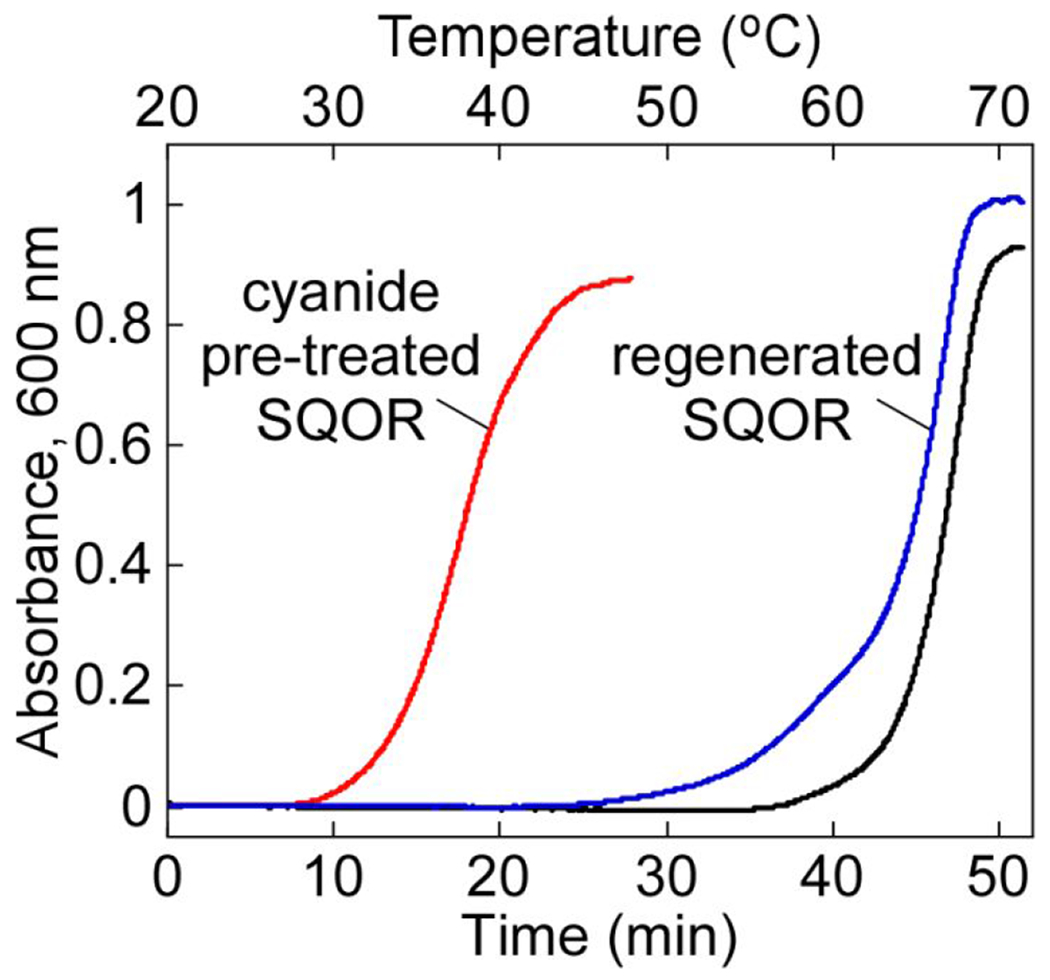
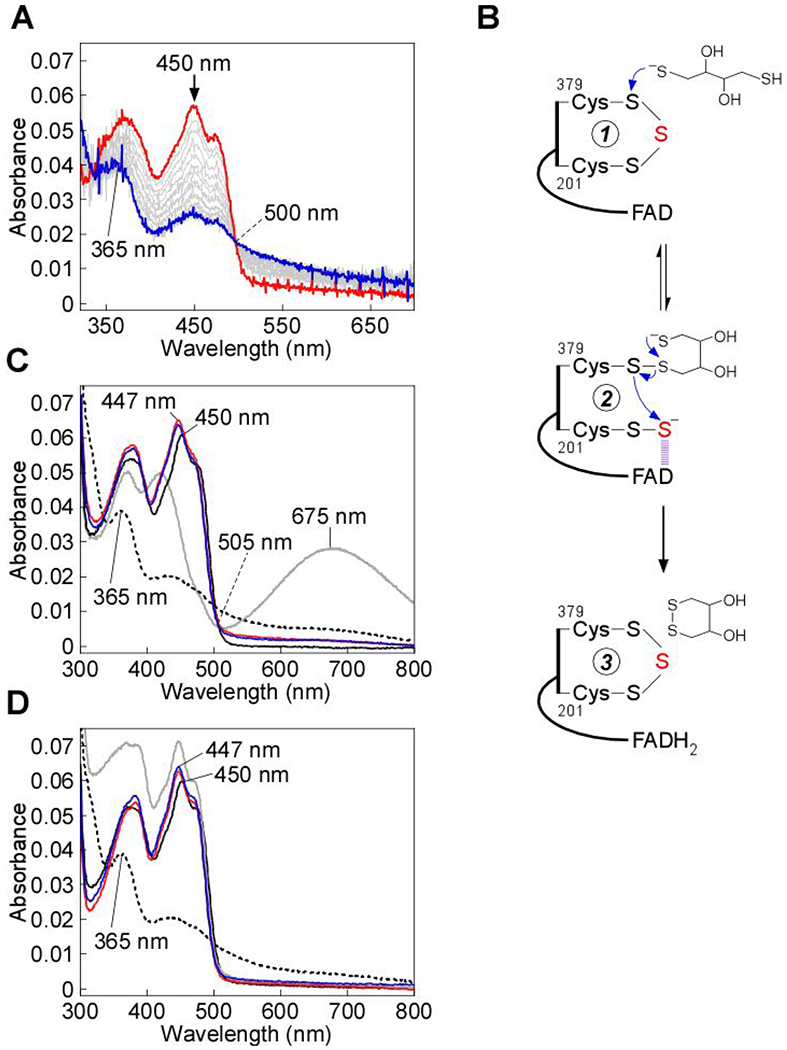
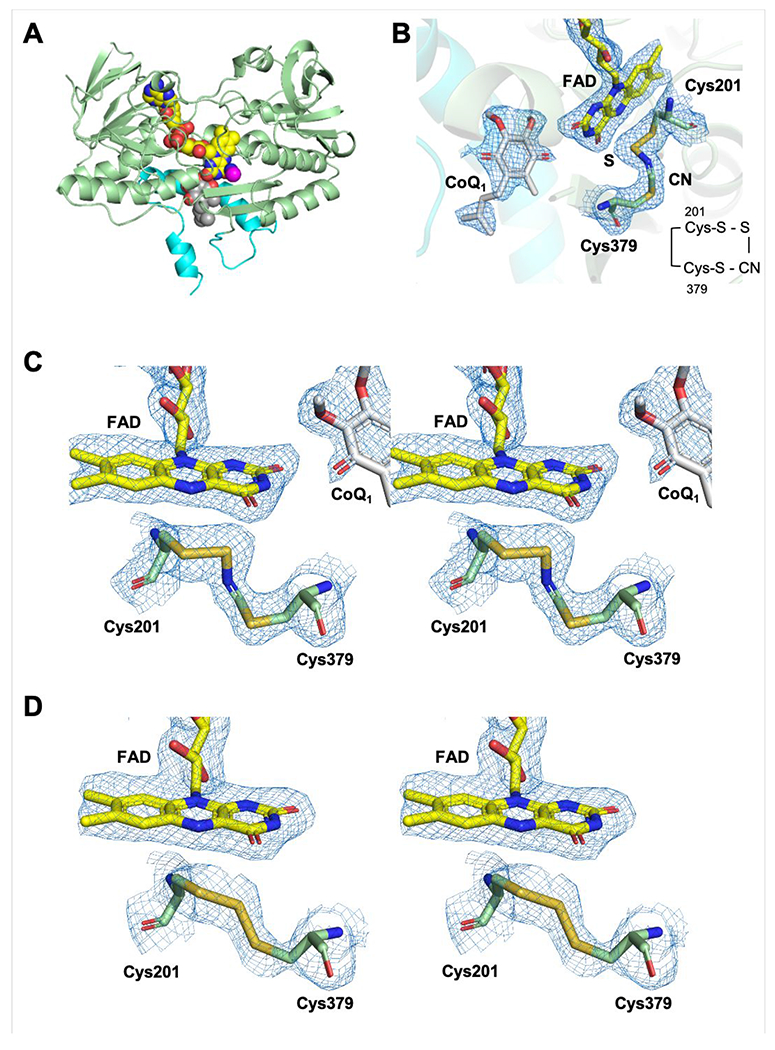
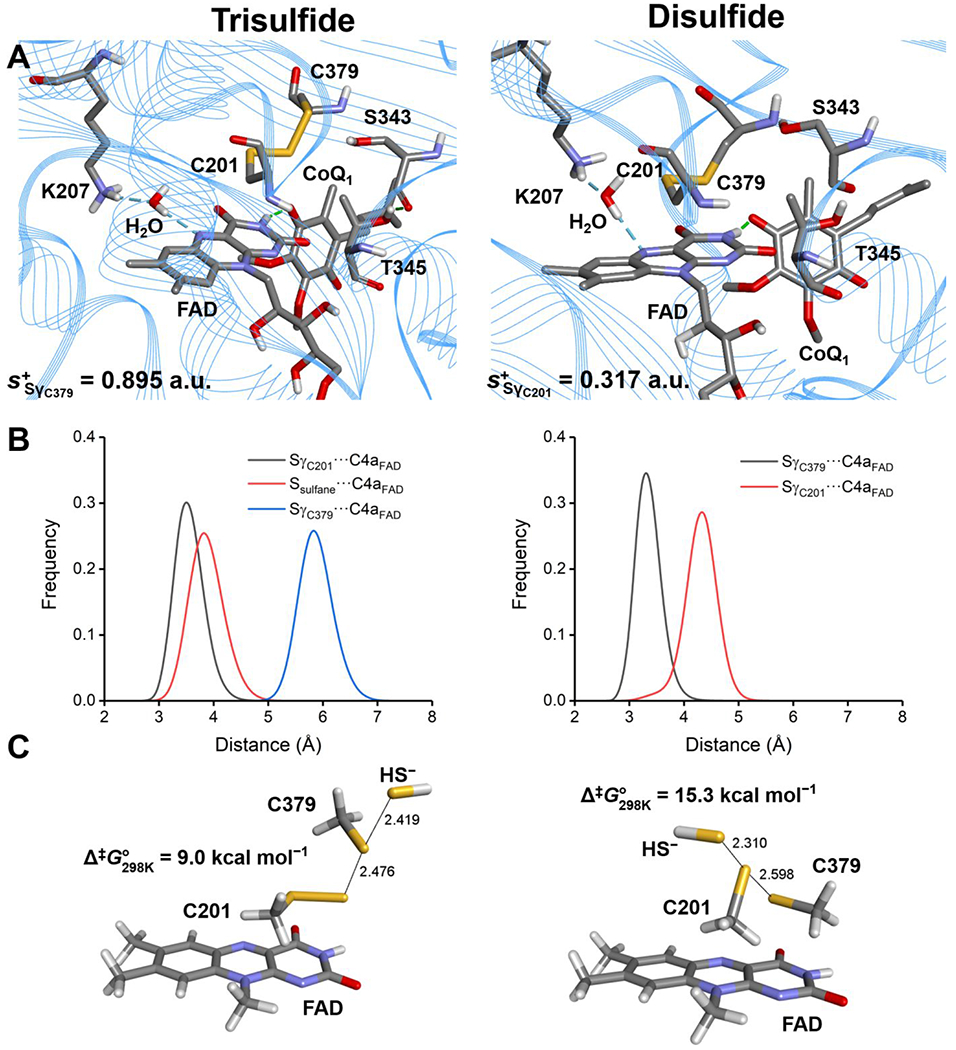
Sulfide quinone oxidoreductase (SQOR) catalyzes the first step in sulfide clearance, coupling HS oxidation to coenzyme Q reduction. Recent structures of human SQOR revealed a sulfur atom bridging the SQOR active site cysteines in a trisulfide configuration. Here, we assessed the importance of this cofactor using kinetic, crystallographic, and computational modeling approaches. Cyanolysis of SQOR proceeds via formation of an intense charge transfer complex that subsequently decays to eliminate thiocyanate. We captured a disulfanyl-methanimido thioate intermediate in the SQOR crystal structure, revealing how cyanolysis leads to reversible loss of SQOR activity that is restored in the presence of sulfide. Computational modeling and MD simulations revealed an ∼10-fold rate enhancement for nucleophilic addition of sulfide into the trisulfide versus a disulfide cofactor. The cysteine trisulfide in SQOR is thus critical for activity and provides a significant catalytic advantage over a cysteine disulfide.
硫化物醌氧化还原酶 (SQOR) 催化硫化物清除的第一步,将 HS 氧化与辅酶 Q 还原偶联。最近的人类 SQOR 结构揭示了一个硫原子以三硫化物的形式桥接 SQOR 活性位点半胱氨酸。在这里,我们使用动力学、晶体学和计算建模方法评估了这种辅因子的重要性。SQOR 的氰解通过形成强烈的电荷转移络合物进行,该络合物随后衰减以消除硫氰酸盐。我们在 SQOR 晶体结构中捕获了一个二硫烷基甲亚氨基硫代酸盐中间体,揭示了氰解如何导致 SQOR 活性的可逆丧失,而在硫化物存在下则恢复活性。计算建模和 MD 模拟表明,与二硫键辅因子相比,硫原子进入三硫化物的亲核加成反应的速率提高了约 10 倍。因此,SQOR 中的半胱氨酸三硫化物对于活性至关重要,并且与半胱氨酸二硫化物相比提供了显著的催化优势。