Computational and Biological Learning Laboratory, Department of Engineering, University of Cambridge, Cambridge, CB2 1PZ, UK; Brain Information Communication Research Laboratory Group, Advanced Telecommunications Research Institute International, Kyoto 619-0237, Japan; Wellcome Centre for Integrative Neuroimaging, University of Oxford, Oxford OX3 9DU, UK.
Brain Information Communication Research Laboratory Group, Advanced Telecommunications Research Institute International, Kyoto 619-0237, Japan.
Curr Biol. 2020 Oct 19;30(20):3935-3944.e7. doi: 10.1016/j.cub.2020.07.066. Epub 2020 Aug 13.
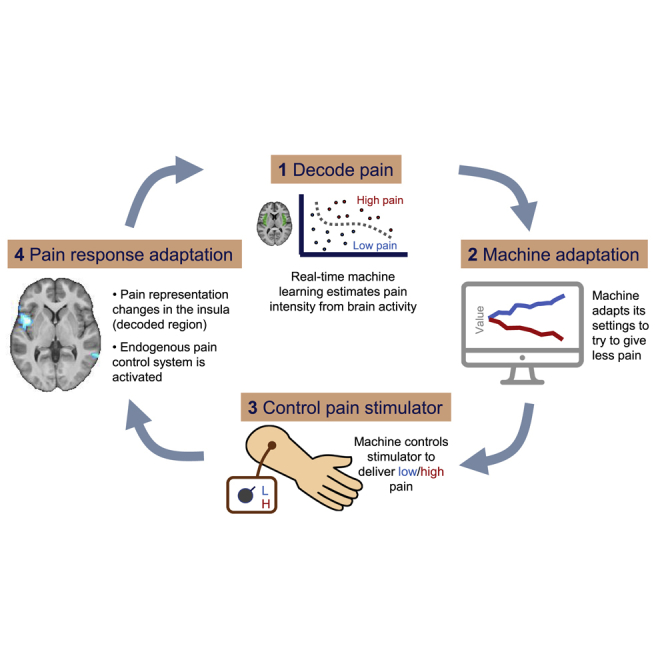
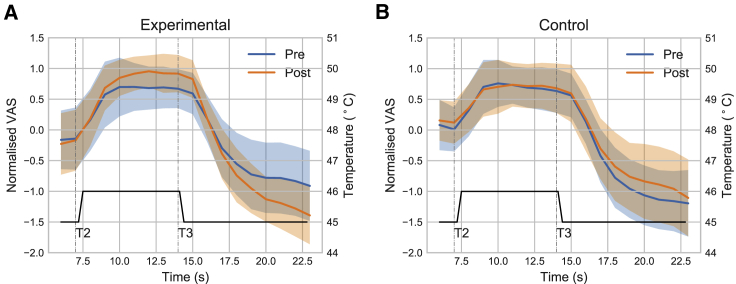
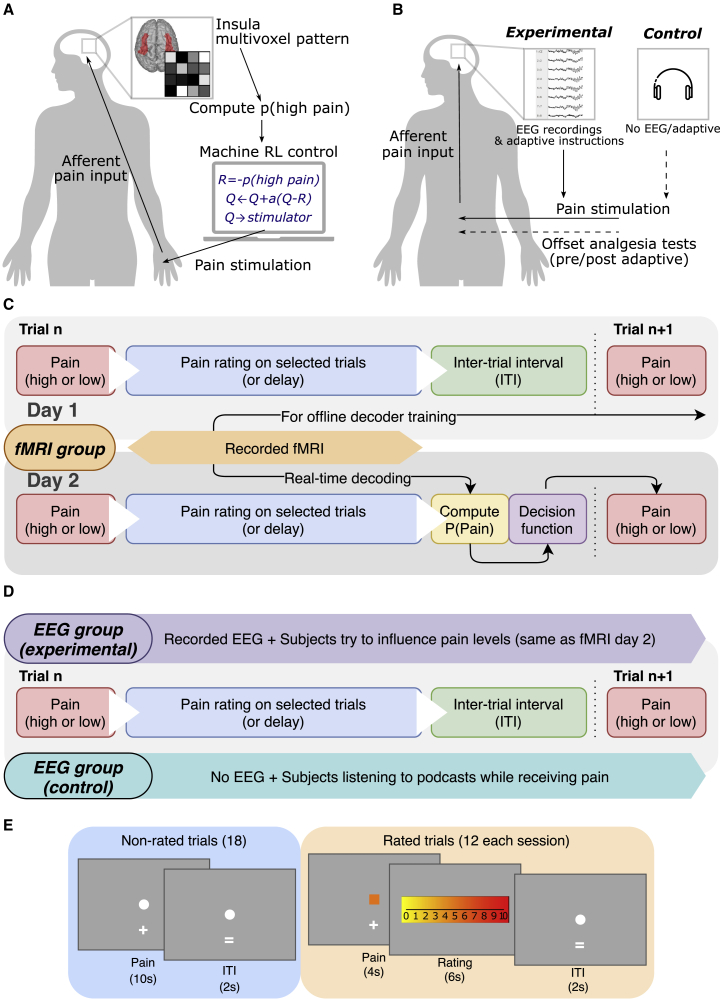
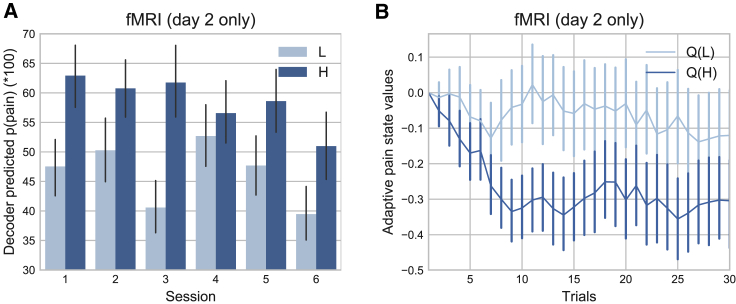
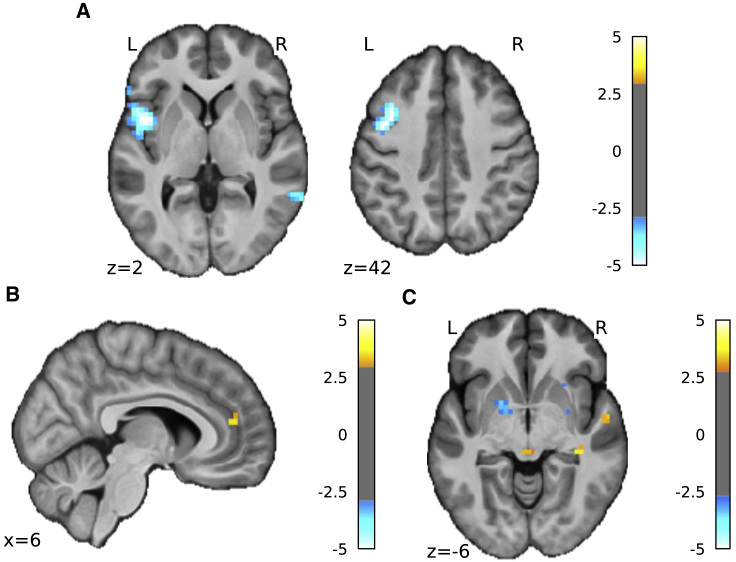
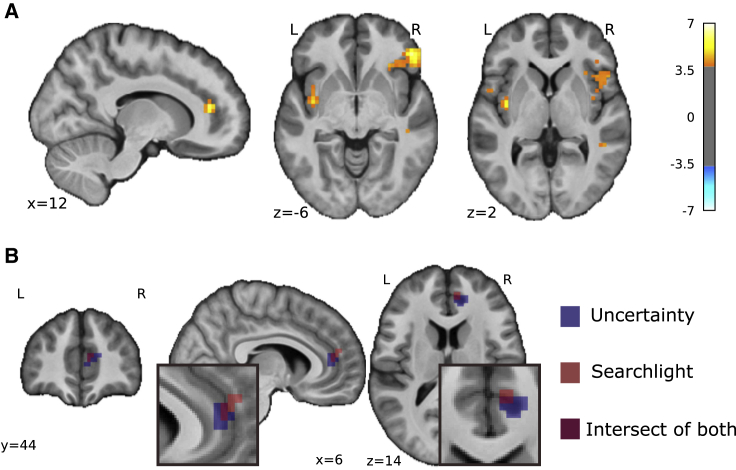
Innovation in the field of brain-machine interfacing offers a new approach to managing human pain. In principle, it should be possible to use brain activity to directly control a therapeutic intervention in an interactive, closed-loop manner. But this raises the question as to whether the brain activity changes as a function of this interaction. Here, we used real-time decoded functional MRI responses from the insula cortex as input into a closed-loop control system aimed at reducing pain and looked for co-adaptive neural and behavioral changes. As subjects engaged in active cognitive strategies orientated toward the control system, such as trying to enhance their brain activity, pain encoding in the insula was paradoxically degraded. From a mechanistic perspective, we found that cognitive engagement was accompanied by activation of the endogenous pain modulation system, manifested by the attentional modulation of pain ratings and enhanced pain responses in pregenual anterior cingulate cortex and periaqueductal gray. Further behavioral evidence of endogenous modulation was confirmed in a second experiment using an EEG-based closed-loop system. Overall, the results show that implementing brain-machine control systems for pain induces a parallel set of co-adaptive changes in the brain, and this can interfere with the brain signals and behavior under control. More generally, this illustrates a fundamental challenge of brain decoding applications-that the brain inherently adapts to being decoded, especially as a result of cognitive processes related to learning and cooperation. Understanding the nature of these co-adaptive processes informs strategies to mitigate or exploit them.
脑机接口领域的创新为管理人类疼痛提供了一种新方法。原则上,应该可以使用大脑活动以交互、闭环的方式直接控制治疗干预。但这就提出了一个问题,即大脑活动是否会随着这种相互作用而改变。在这里,我们使用来自脑岛皮层的实时解码功能磁共振响应作为输入,将其输入到一个旨在减轻疼痛的闭环控制系统中,并寻找共同适应的神经和行为变化。当受试者参与积极的认知策略以适应控制系统时,例如试图增强大脑活动,脑岛中的疼痛编码会被悖论地降低。从机制的角度来看,我们发现认知参与伴随着内源性疼痛调节系统的激活,表现为注意力对疼痛评分的调节以及前扣带回皮层和导水管周围灰质的疼痛反应增强。在第二个使用基于 EEG 的闭环系统的实验中,进一步证实了内源性调节的行为证据。总的来说,结果表明,为疼痛实施脑机控制系统会导致大脑中出现一系列共同适应的变化,这会干扰控制下的大脑信号和行为。更一般地说,这说明了脑解码应用的一个基本挑战——大脑会本能地适应被解码,尤其是由于与学习和合作相关的认知过程。了解这些共同适应过程的性质为减轻或利用它们提供了策略。