Zeng Zhu, Yang Biao, Liao Zheng-Yin
Department of Abdominal Oncology, West China Hospital, West China Medical School, Sichuan University, Chengdu, Sichuan 610041, P.R. China.
Department of Gastroenterology, West China Hospital, West China Medical School, Sichuan University, Chengdu, Sichuan 610041, P.R. China.
Oncol Lett. 2020 Oct;20(4):45. doi: 10.3892/ol.2020.11909. Epub 2020 Jul 24.
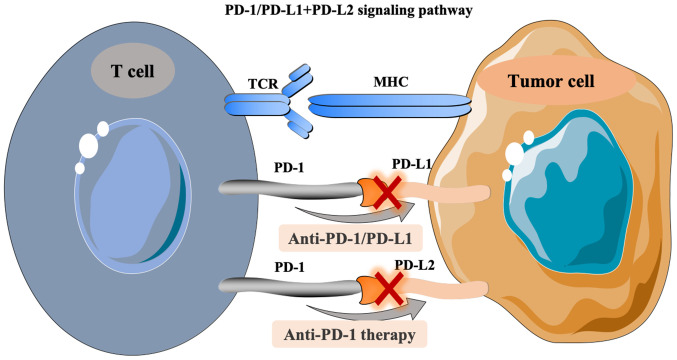
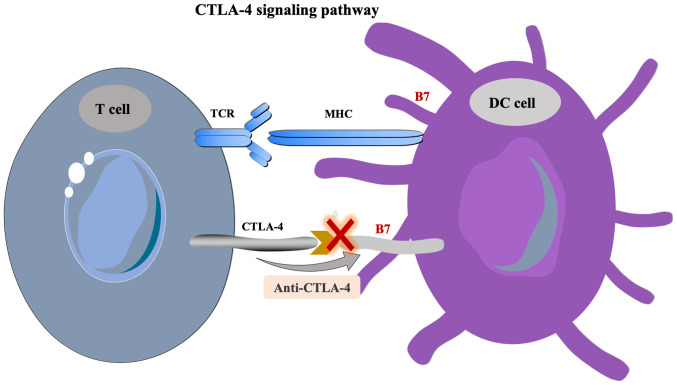
In recent years, the incidence of liver cancer has increased and is currently the sixth most common tumor and the second leading cause of cancer-associated mortality worldwide. Most cases of liver cancer are hepatocellular carcinoma (HCC). Surgery, including liver transplantation or resection, and radiofrequency ablation therapies are all considered to be the curative treatment options for early-stage HCC. However, most patients have advanced HCC at the time of diagnosis, contributing to a poor prognosis. Therefore, improved treatment for late-stage HCC is needed. Immune checkpoint inhibitors (ICIs), among which programmed death receptor 1 (PD-1)/PD-ligand 1 and cytotoxic T lymphocyte-associated protein 4 are the representative immunological checkpoints, have shown great promise and progress for HCC treatment. The present review summarizes recent studies that have focused on ICIs and discusses the present limitations affecting the development of new therapeutic strategies.
近年来,肝癌的发病率有所上升,目前是全球第六大常见肿瘤,也是癌症相关死亡的第二大主要原因。大多数肝癌病例为肝细胞癌(HCC)。手术,包括肝移植或切除,以及射频消融治疗都被认为是早期HCC的根治性治疗选择。然而,大多数患者在诊断时已处于晚期HCC,导致预后不良。因此,需要改进晚期HCC的治疗方法。免疫检查点抑制剂(ICIs),其中程序性死亡受体1(PD-1)/PD-配体1和细胞毒性T淋巴细胞相关蛋白4是代表性的免疫检查点,已在HCC治疗中显示出巨大的前景和进展。本综述总结了近期关注ICIs的研究,并讨论了影响新治疗策略发展的当前局限性。