Ineichen Benjamin V, Sati Pascal, Granberg Tobias, Absinta Martina, Lee Nathanael J, Lefeuvre Jennifer A, Reich Daniel S
Translational Neuroradiology Section, National Institute of Neurological Disorders and Stroke (NINDS), National Institutes of Health (NIH), Bethesda, MD, United States.
Translational Neuroradiology Section, National Institute of Neurological Disorders and Stroke (NINDS), National Institutes of Health (NIH), Bethesda, MD, United States.
Neuroimage Clin. 2020;28:102371. doi: 10.1016/j.nicl.2020.102371. Epub 2020 Aug 2.
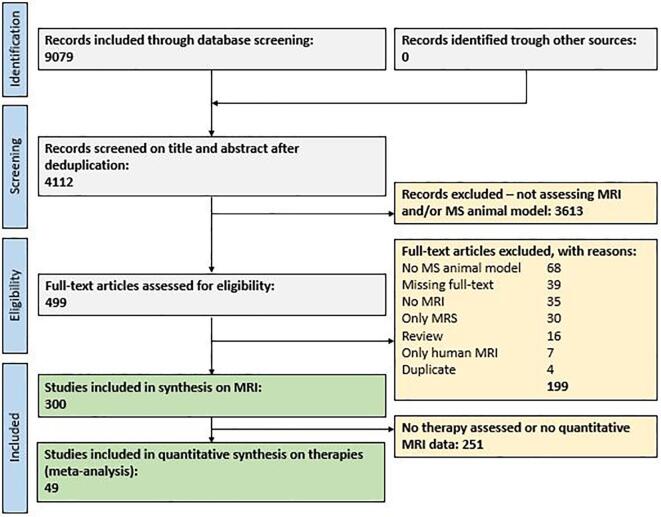
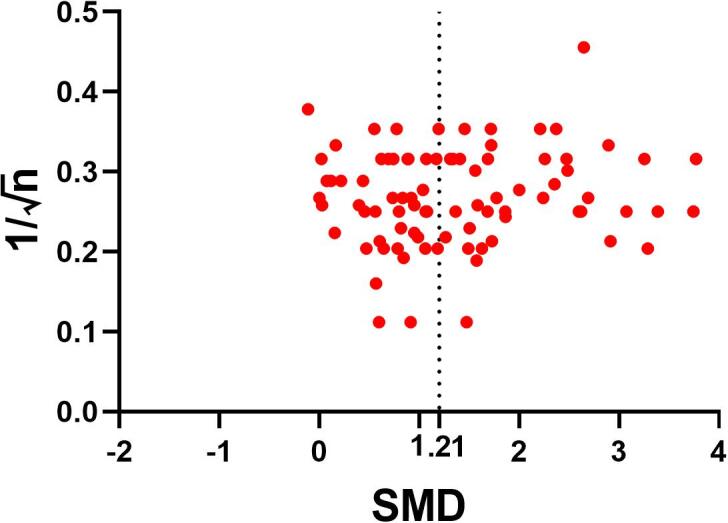
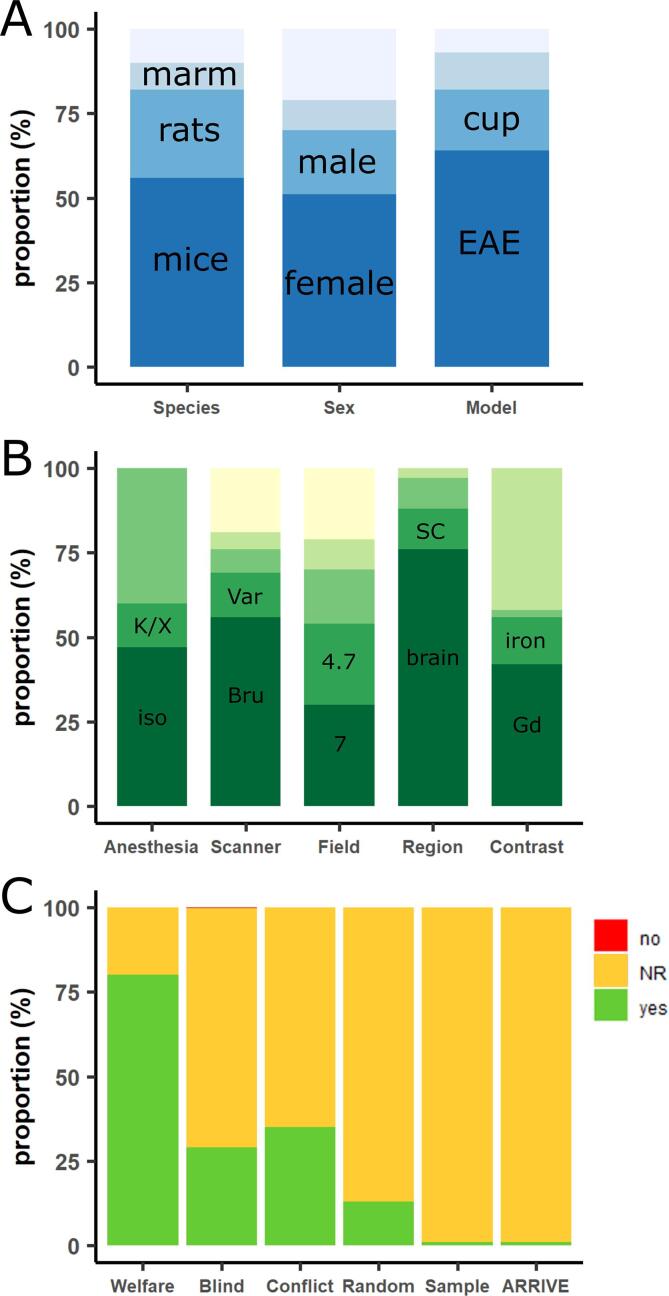
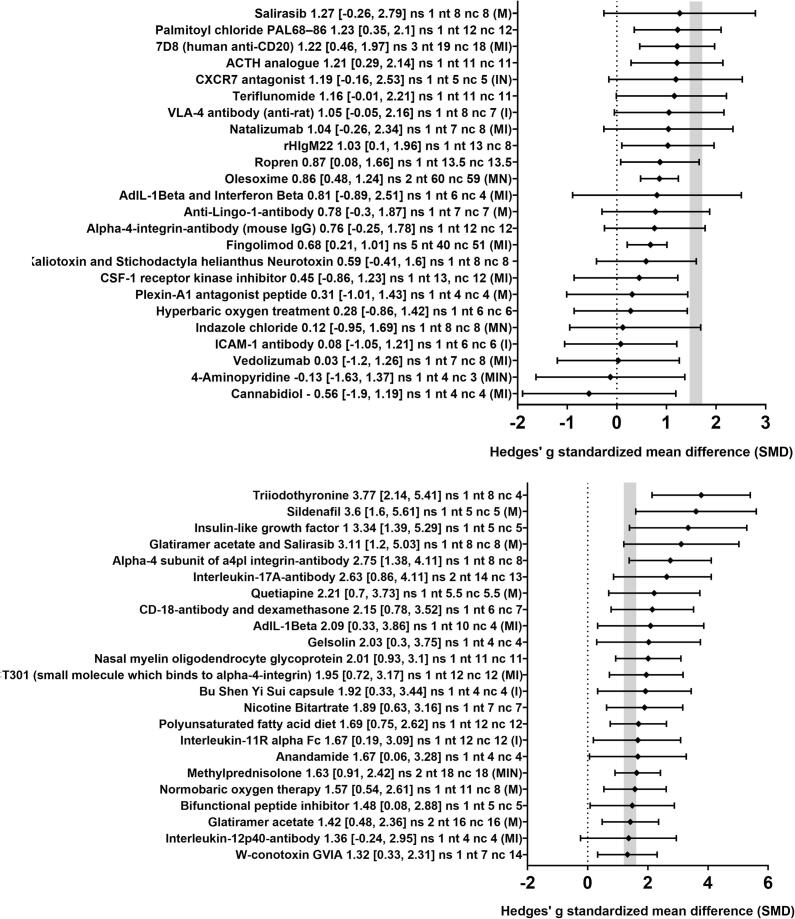
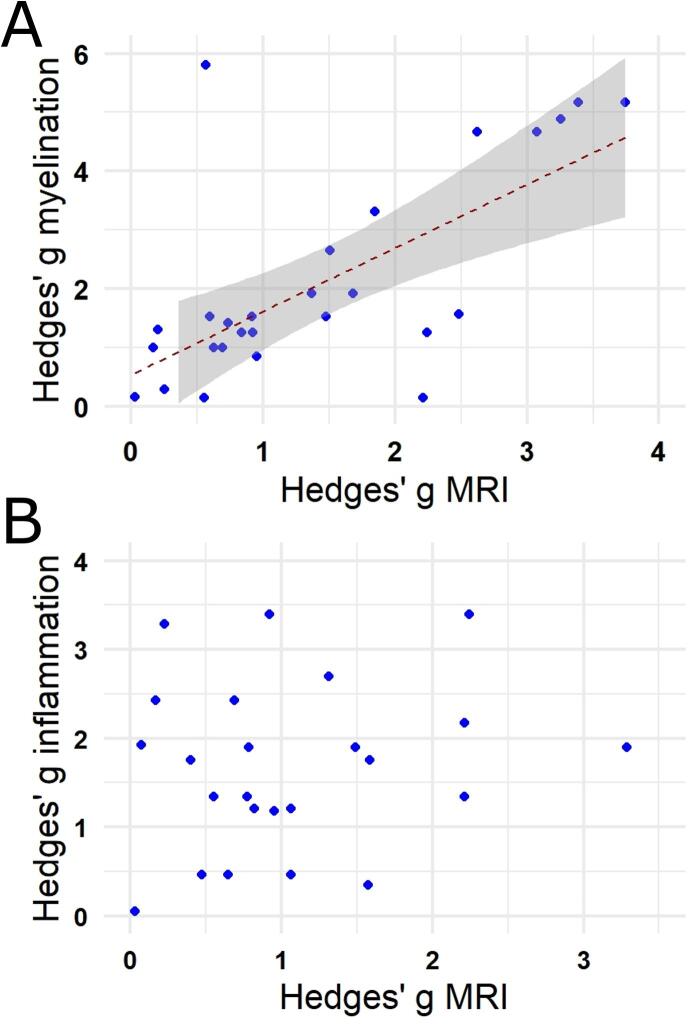
Magnetic resonance imaging (MRI) is the most important paraclinical tool for assessing drug response in multiple sclerosis (MS) clinical trials. As such, MRI has also been widely used in preclinical research to investigate drug efficacy and pathogenic aspects in MS animal models. Keeping track of all published preclinical imaging studies, and possible new therapeutic approaches, has become difficult considering the abundance of studies. Moreover, comparisons between studies are hampered by methodological differences, especially since small differences in an MRI protocol can lead to large differences in tissue contrast. We therefore provide a comprehensive qualitative overview of preclinical MRI studies in the field of neuroinflammatory and demyelinating diseases, aiming to summarize experimental setup, MRI methodology, and risk of bias. We also provide estimates of the effects of tested therapeutic interventions by a meta-analysis. Finally, to improve the standardization of preclinical experiments, we propose guidelines on technical aspects of MRI and reporting that can serve as a framework for future preclinical studies using MRI in MS animal models. By implementing these guidelines, clinical translation of findings will be facilitated, and could possibly reduce experimental animal numbers.
磁共振成像(MRI)是评估多发性硬化症(MS)临床试验中药物反应的最重要的临床辅助工具。因此,MRI也已广泛应用于临床前研究,以研究MS动物模型中的药物疗效和发病机制。鉴于研究数量众多,追踪所有已发表的临床前成像研究以及可能的新治疗方法变得困难。此外,研究之间的比较受到方法学差异的阻碍,特别是因为MRI协议中的微小差异可能导致组织对比度的巨大差异。因此,我们对神经炎症和脱髓鞘疾病领域的临床前MRI研究进行了全面的定性概述,旨在总结实验设置、MRI方法和偏倚风险。我们还通过荟萃分析提供了受试治疗干预效果的估计值。最后,为了提高临床前实验的标准化,我们提出了MRI技术方面和报告的指南,这些指南可以作为未来在MS动物模型中使用MRI的临床前研究的框架。通过实施这些指南,将促进研究结果的临床转化,并可能减少实验动物数量。