Department of Pathology and Pathophysiology, Provincial Key Laboratory of Molecular Pathology and Personalized Medicine, Center of Collaborative and Creative Center, Shantou University Medical College, Shantou, China.
Department of Radiation Oncology, Affiliated Cancer Hospital, Shantou University Medical College, Shantou, Guangdong, China.
J Immunother Cancer. 2020 Aug;8(2). doi: 10.1136/jitc-2020-000661.
Recent impressive advances in cancer immunotherapy have been largely derived from cellular immunity. The role of humoral immunity in carcinogenesis has been less understood. Based on our previous observations we hypothesize that an immunoglobulin subtype IgG4 plays an essential role in cancer immune evasion.
The distribution, abundance, actions, properties and possible mechanisms of IgG4 were investigated with human cancer samples and animal tumor models with an extensive array of techniques both in vitro and in vivo.
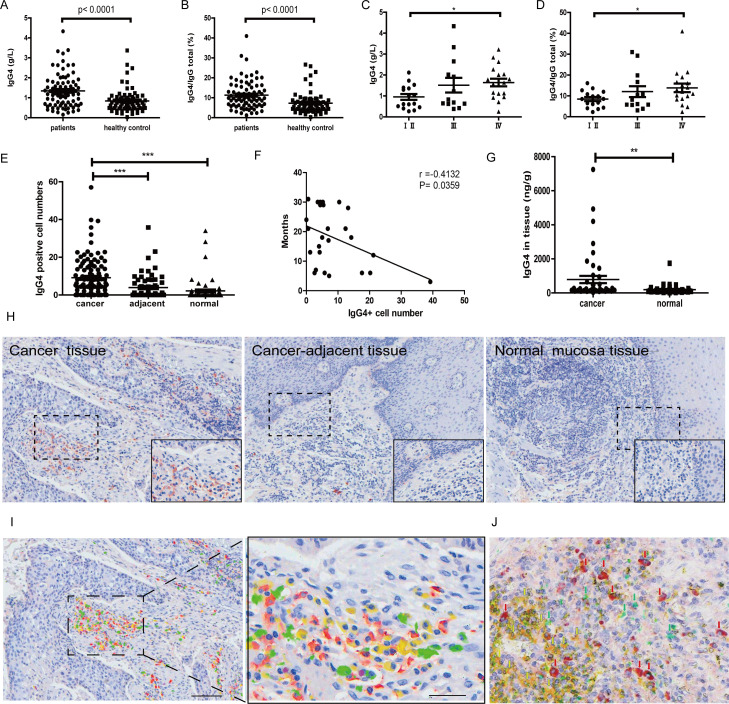
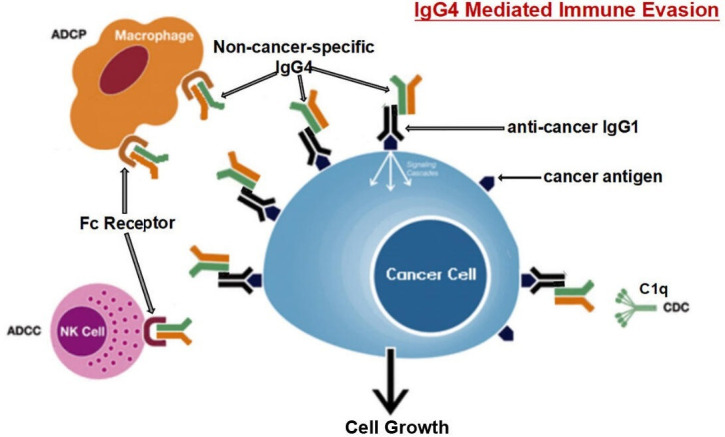
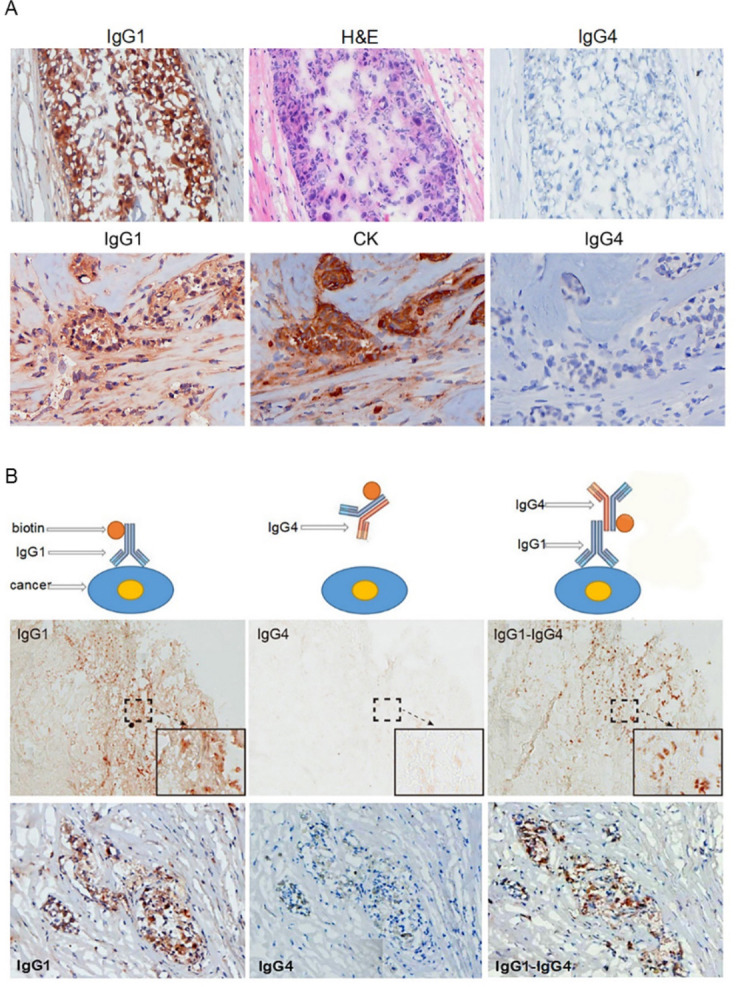
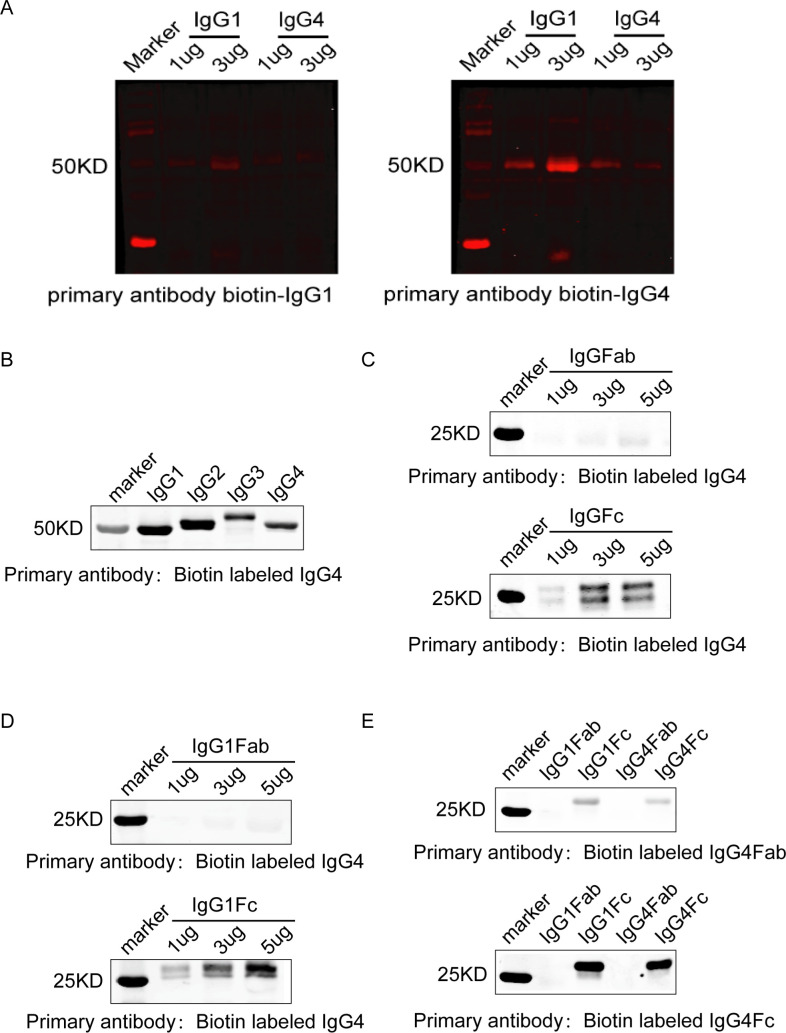
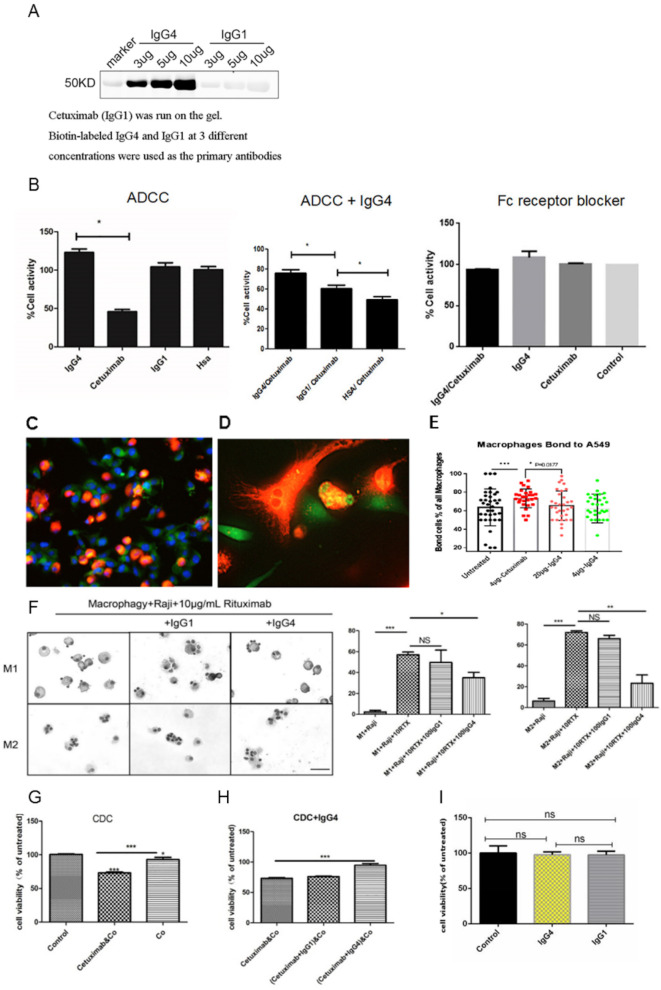
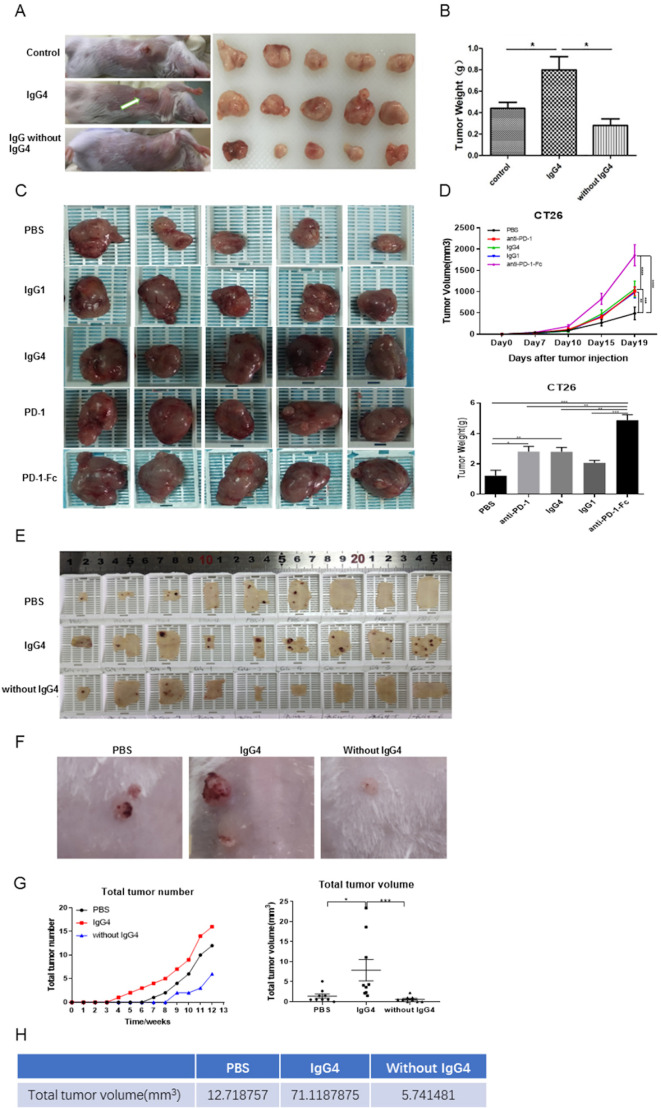
In a cohort of patients with esophageal cancer we found that IgG4-containing B lymphocytes and IgG4 concentration were significantly increased in cancer tissue and IgG4 concentrations increased in serum of patients with cancer. Both were positively related to increased cancer malignancy and poor prognoses, that is, more IgG4 appeared to associate with more aggressive cancer growth. We further found that IgG4, regardless of its antigen specificity, inhibited the classic immune reactions of antibody-dependent cell-mediated cytotoxicity, antibody-dependent cellular phagocytosis and complement-dependent cytotoxicity against cancer cells in vitro, and these effects were obtained through its Fc fragment reacting to the Fc fragments of cancer-specific IgG1 that has been bound to cancer antigens. We also found that IgG4 competed with IgG1 in reacting to Fc receptors of immune effector cells. Therefore, locally increased IgG4 in cancer microenvironment should inhibit antibody-mediated anticancer responses and help cancer to evade local immune attack and indirectly promote cancer growth. This hypothesis was verified in three different immune potent mouse models. We found that local application of IgG4 significantly accelerated growth of inoculated breast and colorectal cancers and carcinogen-induced skin papilloma. We also tested the antibody drug for cancer immunotherapy nivolumab, which was IgG4 in nature with a stabilizing S228P mutation, and found that it significantly promoted cancer growth in mice. This may provide an explanation to the newly appeared hyperprogressive disease sometimes associated with cancer immunotherapy.
There appears to be a previously unrecognized immune evasion mechanism with IgG4 playing an essential role in cancer microenvironment with implications in cancer diagnosis and immunotherapy.
近年来,癌症免疫疗法取得了令人瞩目的进展,这些进展在很大程度上源于细胞免疫。体液免疫在癌症发生中的作用还不太清楚。基于我们之前的观察结果,我们假设免疫球蛋白亚型 IgG4 在癌症免疫逃逸中发挥着重要作用。
我们使用人类癌症样本和动物肿瘤模型,结合多种体外和体内技术,研究了 IgG4 的分布、丰度、作用、特性和可能的机制。
在一组食管癌患者中,我们发现 IgG4 阳性 B 淋巴细胞和 IgG4 浓度在癌组织中显著增加,且癌症患者血清中的 IgG4 浓度也升高。这两者均与癌症恶性程度的增加和预后不良呈正相关,即 IgG4 似乎与更具侵袭性的癌症生长相关。我们进一步发现,无论 IgG4 的抗原特异性如何,它都能在体外抑制抗体依赖性细胞介导的细胞毒性、抗体依赖性细胞吞噬作用和补体依赖性细胞毒性等经典免疫反应,这些作用是通过其 Fc 片段与已结合于癌症抗原的癌症特异性 IgG1 的 Fc 片段反应而产生的。我们还发现,IgG4 可与 IgG1 竞争与免疫效应细胞的 Fc 受体结合。因此,癌症微环境中局部增加的 IgG4 应能抑制抗体介导的抗癌反应,帮助癌症逃避局部免疫攻击,并间接地促进癌症生长。这一假说在三种不同的免疫功能强大的小鼠模型中得到了验证。我们发现,局部应用 IgG4 可显著加速接种的乳腺癌和结直肠癌以及致癌剂诱导的皮肤乳头瘤的生长。我们还测试了癌症免疫疗法药物纳武单抗(nivolumab),它本质上是 IgG4,带有稳定的 S228P 突变,发现它可显著促进小鼠的癌症生长。这可能为癌症免疫治疗中有时出现的超进展性疾病提供一种解释。
似乎存在一种以前未被认识到的免疫逃避机制,IgG4 在癌症微环境中发挥着重要作用,这对癌症的诊断和免疫治疗具有重要意义。