Guangdong Key Laboratory of Age-Related Cardiac and Cerebral Diseases, Institute of Neurology, Department of Neurology, Affiliated Hospital of Guangdong Medical University, Zhanjiang, Guangdong 524001, China.
Department of Histology and Embryology, Guangdong Medical University, Zhanjiang, China.
Mediators Inflamm. 2020 Aug 5;2020:2058272. doi: 10.1155/2020/2058272. eCollection 2020.
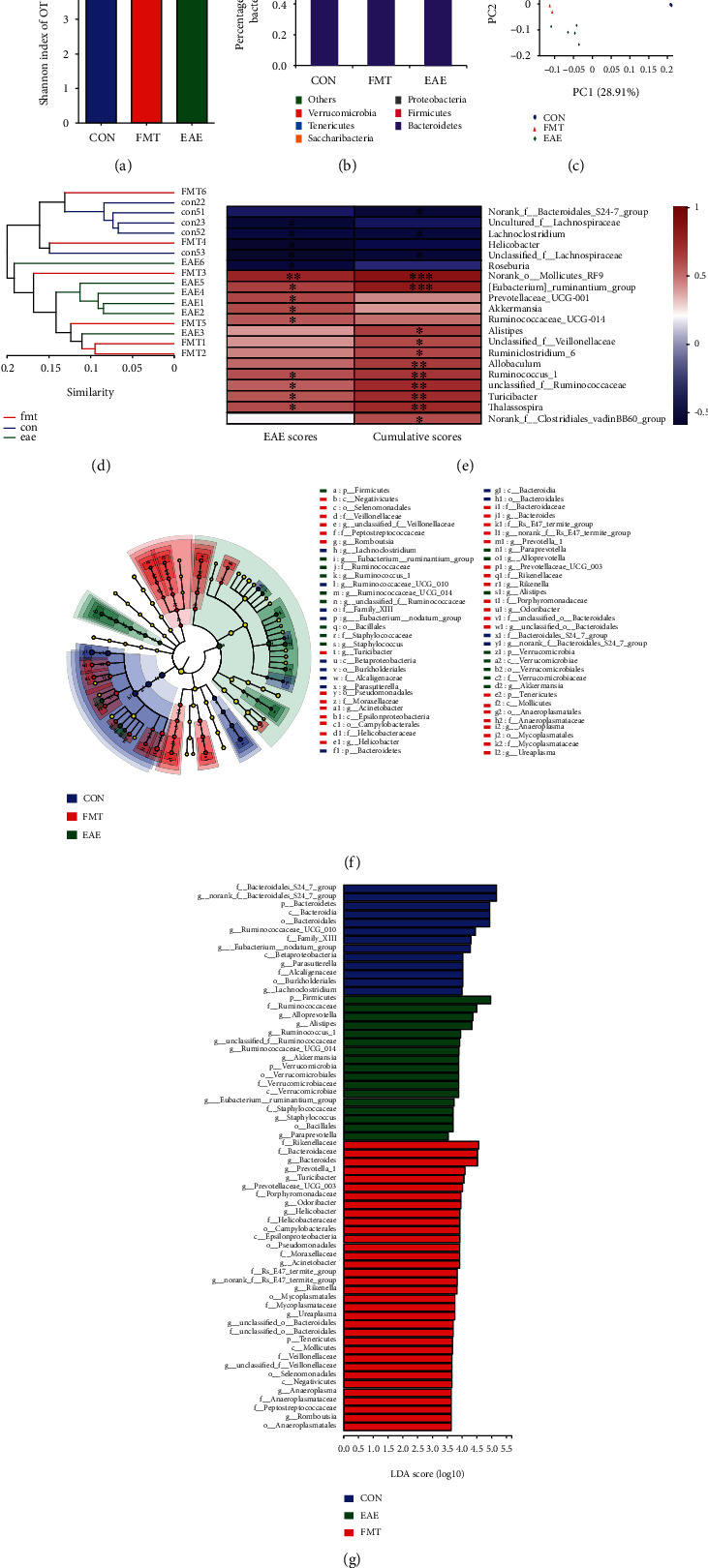
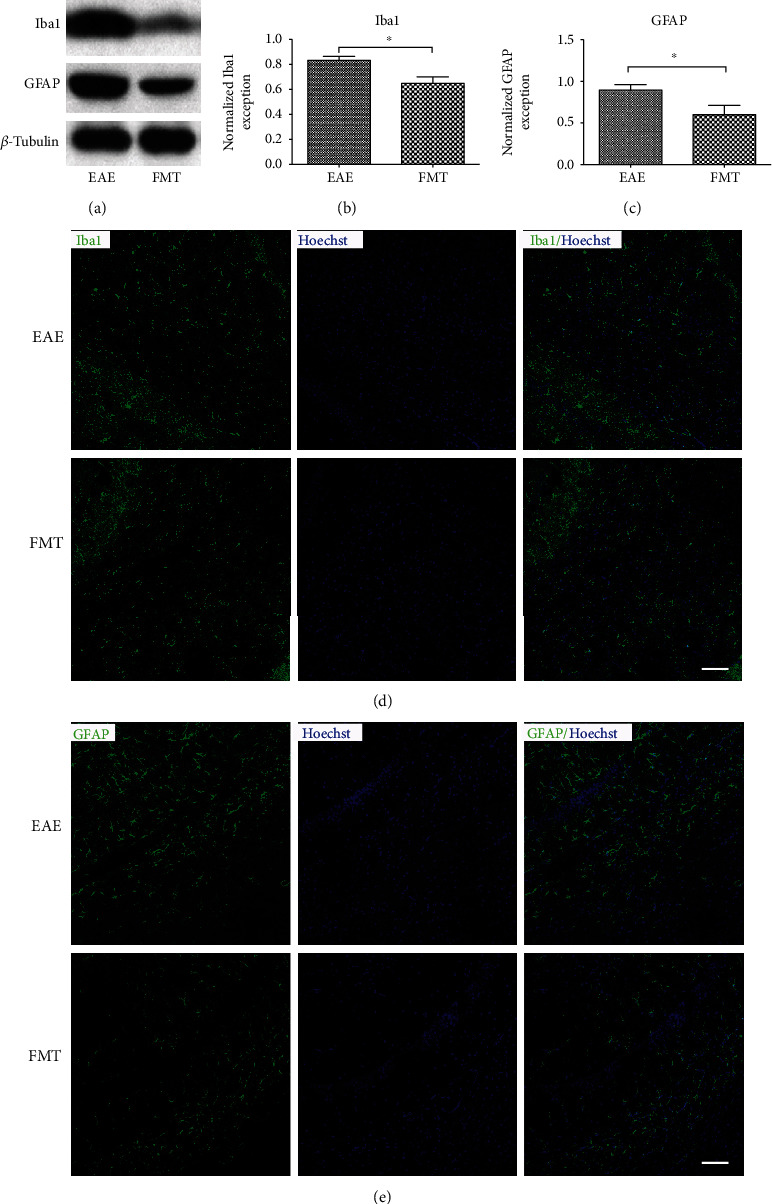
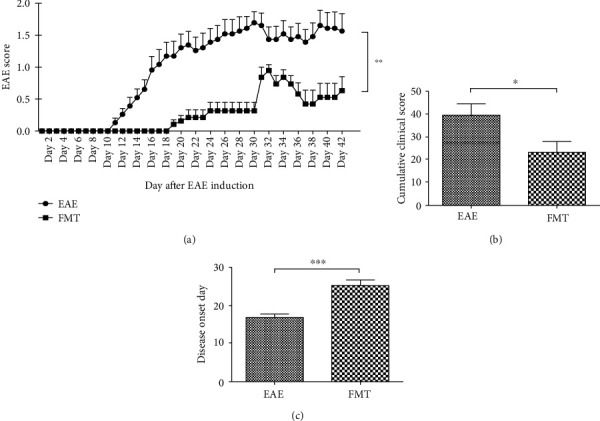
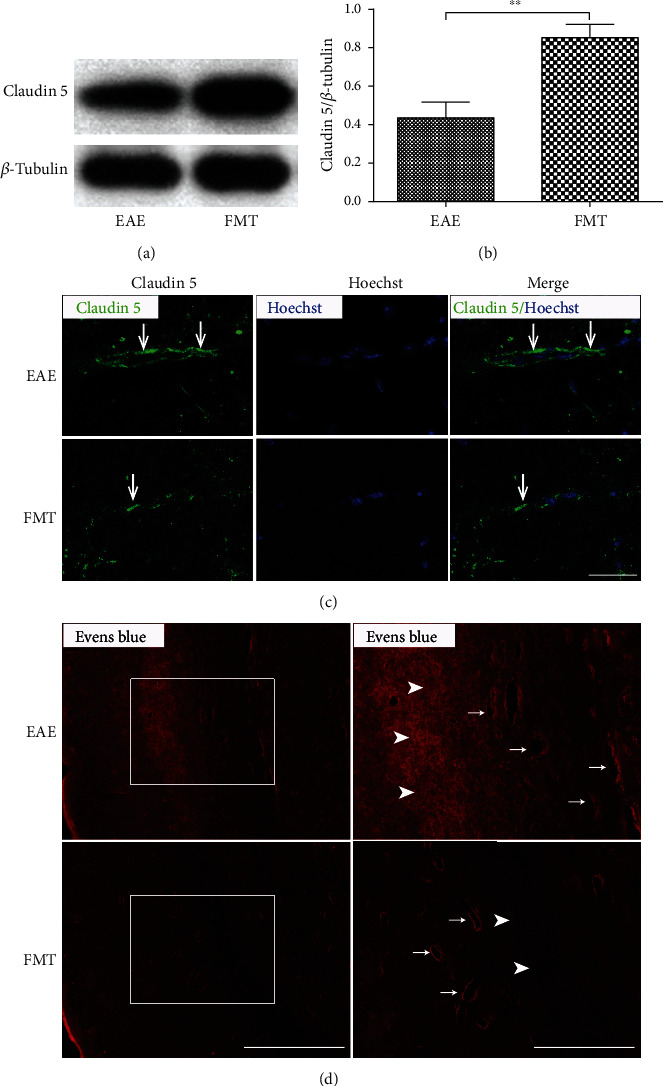
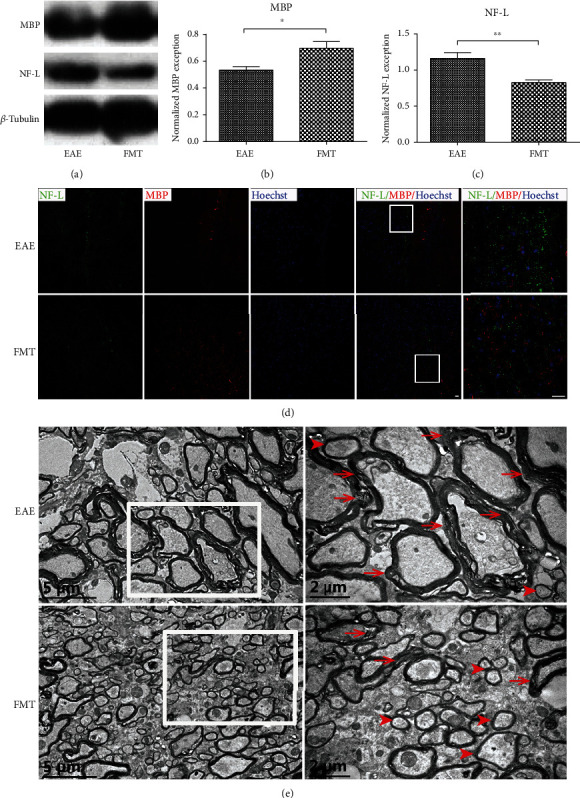
Given the growing evidence of a link between gut microbiota (GM) dysbiosis and multiple sclerosis (MS), fecal microbiota transplantation (FMT), aimed at rebuilding GM, has been proposed as a new therapeutic approach to MS treatment. To evaluate the viability of FMT for MS treatment and its impact on MS pathology, we tested FMT in mice with experimental autoimmune encephalomyelitis (EAE), a mouse model of MS. We provide evidence that FMT can rectify altered GM to some extent with a therapeutic effect on EAE. We also found that FMT led to reduced activation of microglia and astrocytes and conferred protection on the blood-brain barrier (BBB), myelin, and axons in EAE. Taken together, our data suggest that FMT, as a GM-based therapy, has the potential to be an effective treatment for MS.
鉴于肠道微生物群(GM)失调与多发性硬化症(MS)之间关联的证据不断增加,旨在重建 GM 的粪便微生物群移植(FMT)已被提议作为 MS 治疗的新治疗方法。为了评估 FMT 治疗 MS 的可行性及其对 MS 病理学的影响,我们在实验性自身免疫性脑脊髓炎(EAE)小鼠中测试了 FMT,EAE 是 MS 的小鼠模型。我们提供的证据表明,FMT 可以在一定程度上纠正 GM 的改变,并对 EAE 产生治疗作用。我们还发现,FMT 导致小胶质细胞和星形胶质细胞的激活减少,并对 EAE 中的血脑屏障(BBB)、髓鞘和轴突提供保护。综上所述,我们的数据表明,FMT 作为一种基于 GM 的治疗方法,有可能成为 MS 的有效治疗方法。