Shukla Prashant, Verma Abhishek, Verma Shekhar, Kumar Manish
Department of IT, Indian Institute of Information Technology Allahabad, Deoghat, Jhalwa, Allahabad, UP India.
Multimed Tools Appl. 2020;79(39-40):29353-29373. doi: 10.1007/s11042-020-09431-2. Epub 2020 Aug 11.
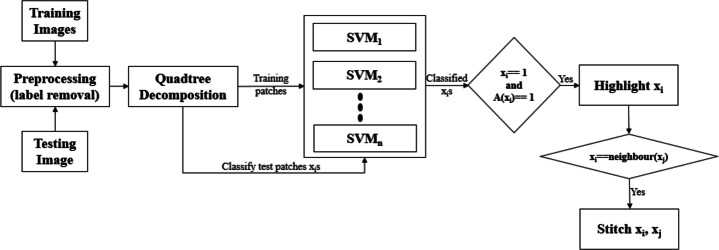
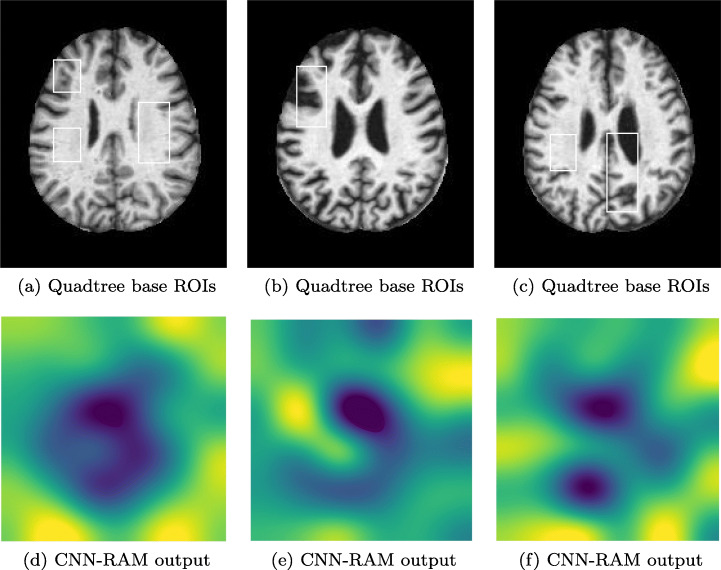
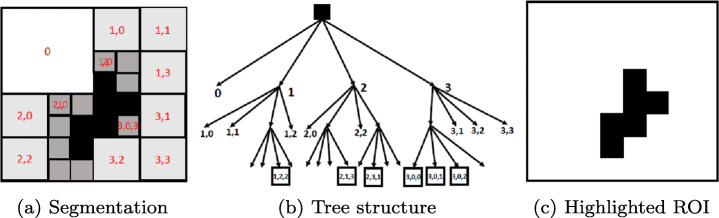
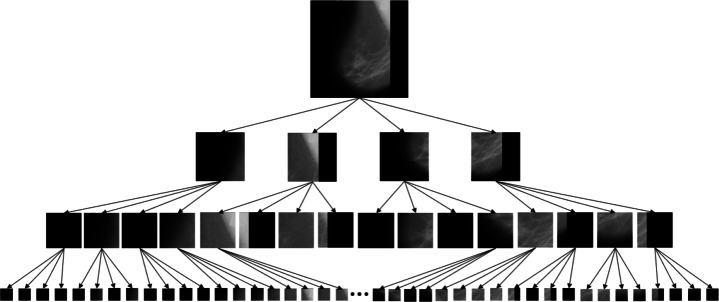
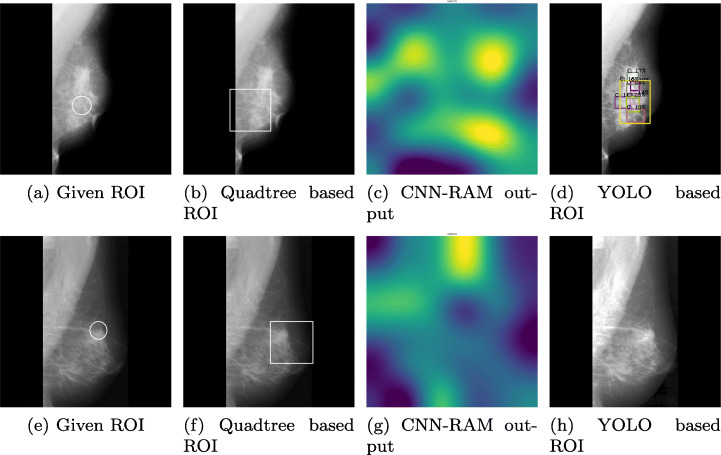
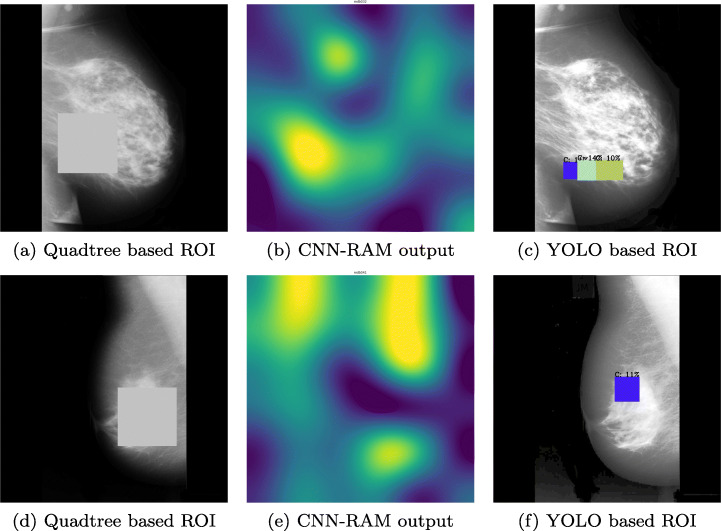
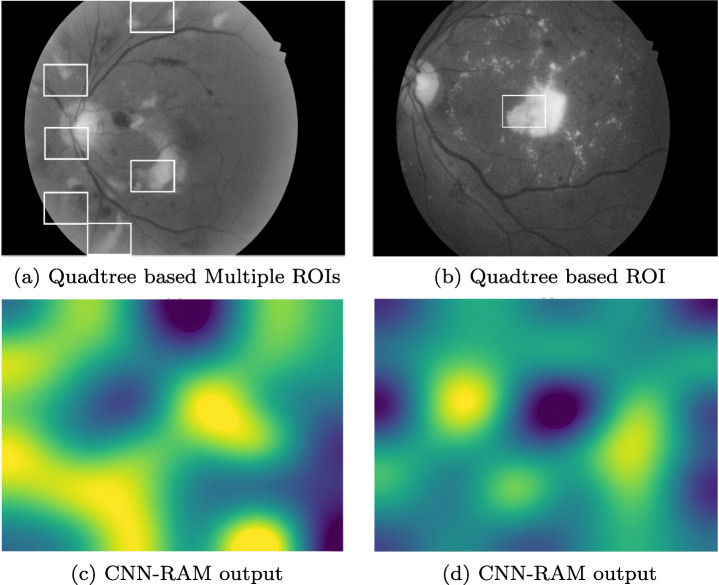
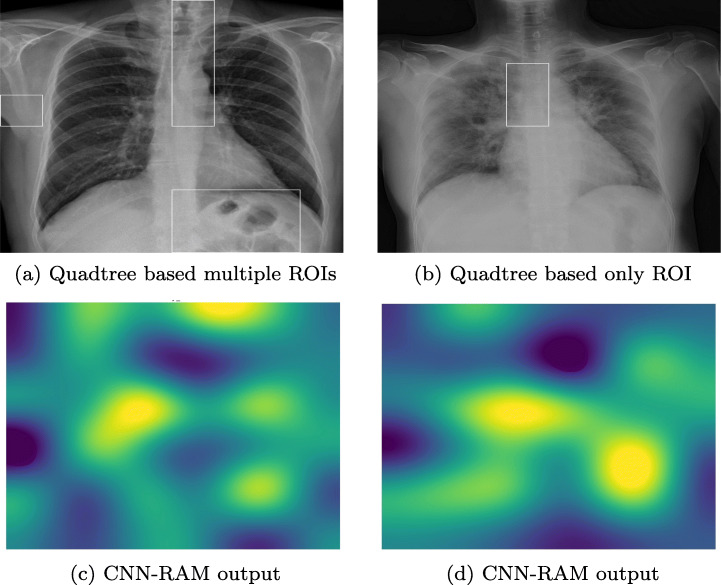
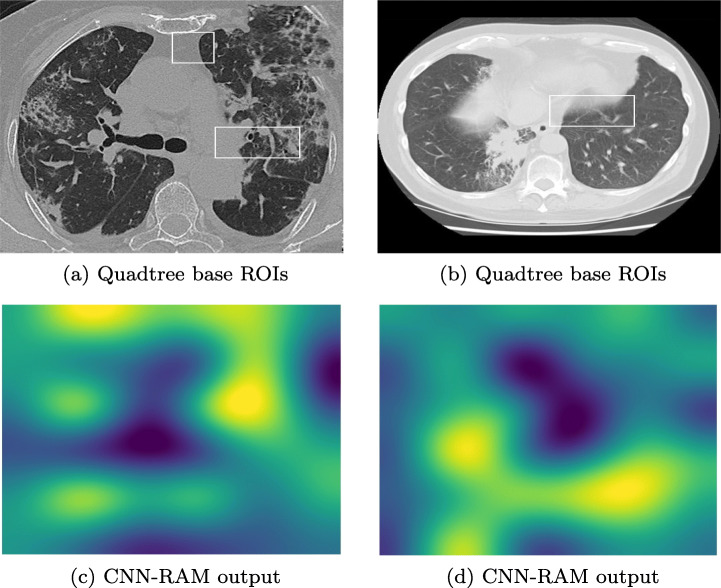
In this paper, we propose a quadtree based approach to capture the spatial information of medical images for explaining nonlinear SVM prediction. In medical image classification, interpretability becomes important to understand why the adopted model works. Explaining an SVM prediction is difficult due to implicit mapping done in kernel classification is uninformative about the position of data points in the feature space and the nature of the separating hyperplane in the original space. The proposed method finds ROIs which contain the discriminative regions behind the prediction. Localization of the discriminative region in small boxes can help in interpreting the prediction by SVM. Quadtree decomposition is applied recursively before applying SVMs on sub images and model identified ROIs are highlighted. Pictorial results of experiments on various medical image datasets prove the effectiveness of this approach. We validate the correctness of our method by applying occlusion methods.
在本文中,我们提出一种基于四叉树的方法来捕捉医学图像的空间信息,以解释非线性支持向量机(SVM)的预测。在医学图像分类中,可解释性对于理解所采用的模型为何有效变得至关重要。由于内核分类中进行的隐式映射对于特征空间中数据点的位置以及原始空间中分离超平面的性质没有提供信息,所以解释支持向量机的预测很困难。所提出的方法找到包含预测背后判别区域的感兴趣区域(ROI)。将判别区域定位在小框中有助于解释支持向量机的预测。在对子图像应用支持向量机之前,递归地应用四叉树分解,并突出显示模型识别出的感兴趣区域。在各种医学图像数据集上的实验图片结果证明了该方法的有效性。我们通过应用遮挡方法验证了我们方法的正确性。