El-Hoshoudy A N
Computational Chemistry Group, Egyptian Petroleum Research Institute, 11727 Nasr City, Cairo, Egypt.
J Mol Liq. 2020 Nov 15;318:113968. doi: 10.1016/j.molliq.2020.113968. Epub 2020 Aug 4.
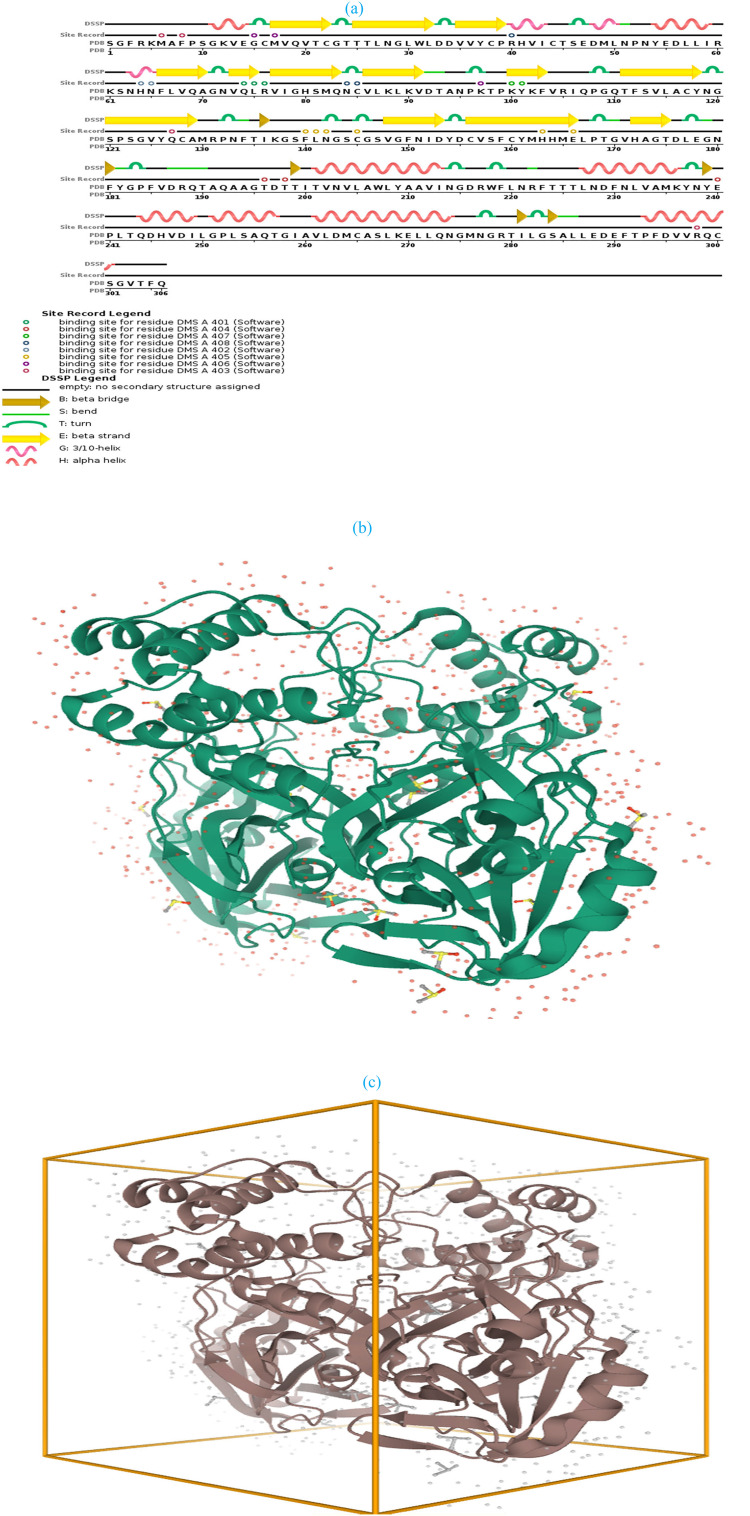
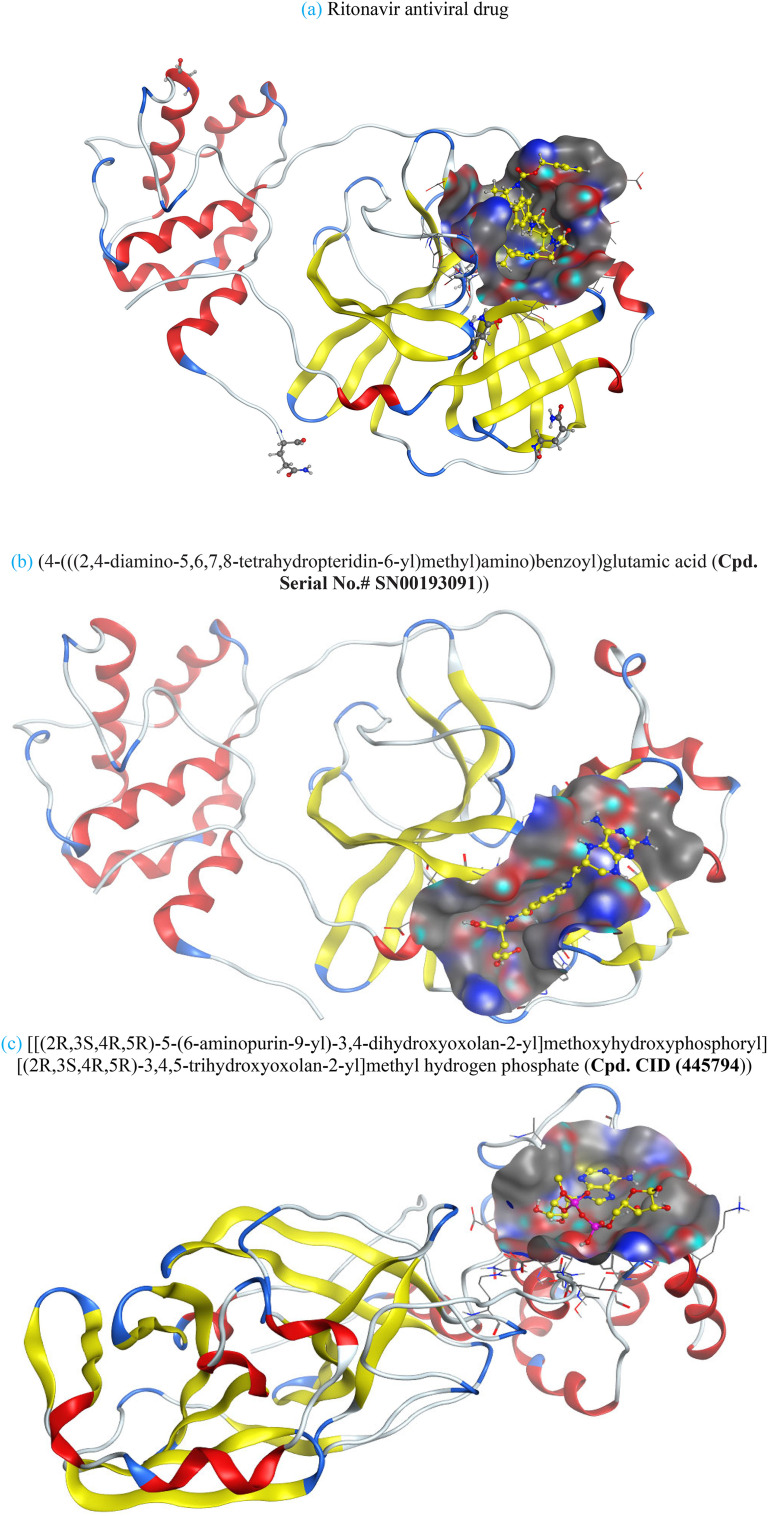
Recently, scary viral pneumonia is known as (COVID-19) has swept the whole world. The new virus strain designated as SARS-CoV-2 belonging to the coronavirus family. Although the current medical research directed towards the development of a novel therapeutic agent, no anti-viral drug approved until now. On the medical scale, the development of an approved drug is a time-consuming process, so research is directed towards screening of ligands and drugs multimodal structure-based-design and then docked to the main viral protease to investigate the active binding sites. The bioinformatic approaches used to evaluate the competence of a comprehensive range of ligands and drugs before their clinical implementation. In this study, a computational approach through molecular docking simulation is conducted for screening the antiviral activity of drugs, natural sources, and inhibitory compounds against the SARS-CoV-2 genome. The main virus protease was collected from a Protein Data Bank (PDB# 6YB7) and docked with a sequence of 19 approved antiviral drugs, 10 natural inhibitory ligands against COVID-19 downloaded from PubChem, in addition to 10 natural sources optimized for BL (DE) to identify the antiviral activity of these candidates against COVID-19. The docking results were promised and indicated that the reported ligands can firmly bind to the SARS-CoV-2 main protease and leads to inhibition of its infectious impact.
最近,一种名为(COVID-19)的可怕病毒性肺炎席卷全球。这种新的病毒株被命名为SARS-CoV-2,属于冠状病毒家族。尽管目前医学研究致力于开发新型治疗药物,但至今尚无获批的抗病毒药物。在医学层面,开发一种获批药物是一个耗时的过程,因此研究方向是筛选配体和基于多模态结构设计的药物,然后将其与主要病毒蛋白酶对接,以研究活性结合位点。生物信息学方法用于在临床应用前评估一系列配体和药物的效能。在本研究中,通过分子对接模拟进行了一种计算方法,以筛选药物、天然来源和抑制性化合物对SARS-CoV-2基因组的抗病毒活性。主要病毒蛋白酶从蛋白质数据库(PDB# 6YB7)中获取,并与19种获批的抗病毒药物序列、从PubChem下载的10种针对COVID-19的天然抑制性配体以及10种针对BL(DE)优化的天然来源进行对接,以确定这些候选物对COVID-19的抗病毒活性。对接结果令人满意,表明所报道的配体可以牢固地结合到SARS-CoV-2主要蛋白酶上,并抑制其感染性影响。