Qin Yuan, Sun Wei, Wang Zhihong, Dong Wenwu, He Liang, Zhang Ting, Zhang Hao
Department of Thyroid Surgery, The First Hospital of China Medical University, Shenyang 110001, Liaoning Province, People's Republic of China.
Onco Targets Ther. 2020 Aug 5;13:7699-7717. doi: 10.2147/OTT.S267140. eCollection 2020.
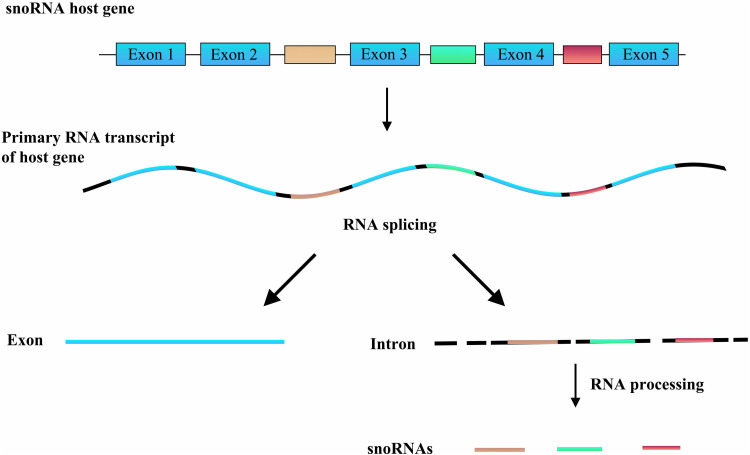
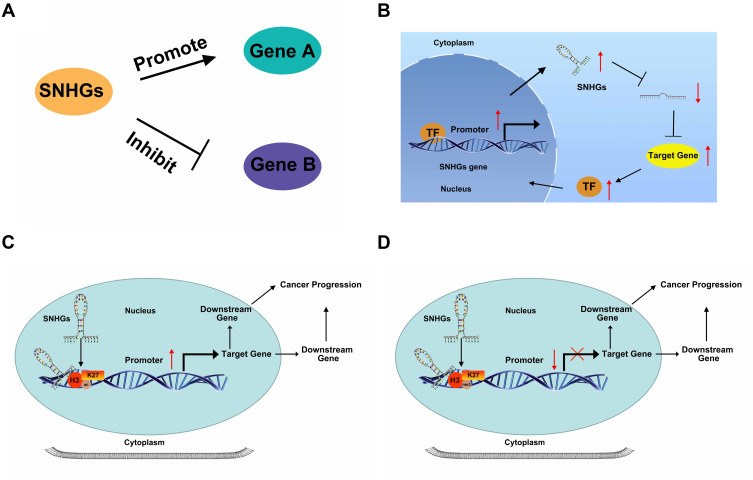
Long non-coding RNAs (lncRNAs) are emerging regulators of a diverse range of biological processes through various mechanisms. Genome-wide association studies of tumor samples have identified several lncRNAs, which act as either oncogenes or tumor suppressors in various types of cancers. Small nucleolar RNAs (snoRNAs) are predominantly found in the nucleolus and function as guide RNAs for the processing of transcription. As the host genes of snoRNAs, lncRNA small nucleolar RNA host genes (SNHGs) have been shown to be abnormally expressed in multiple cancers and can participate in cell proliferation, tumor progression, metastasis, and chemoresistance. Here, we review the biological functions and emerging mechanisms of SNHGs involved in the development and progression of endocrine-related cancers including thyroid cancer, breast cancer, pancreatic cancer, ovarian cancer and prostate cancer.
长链非编码RNA(lncRNAs)正通过各种机制成为多种生物过程的新兴调节因子。对肿瘤样本的全基因组关联研究已经鉴定出几种lncRNAs,它们在各种类型的癌症中充当癌基因或肿瘤抑制基因。小核仁RNA(snoRNAs)主要存在于核仁中,并作为转录加工的指导RNA发挥作用。作为snoRNAs的宿主基因,长链非编码RNA小核仁RNA宿主基因(SNHGs)已被证明在多种癌症中异常表达,并可参与细胞增殖、肿瘤进展、转移和化疗耐药。在这里,我们综述了SNHGs在包括甲状腺癌、乳腺癌、胰腺癌、卵巢癌和前列腺癌在内的内分泌相关癌症的发生和发展中所涉及的生物学功能和新出现的机制。