Department of Animal Sciences, Georg-August-University, Burckhardtweg 2, 37077, Göttingen, Germany.
Institute of Animal Science, University of Hohenheim, Garbenstr. 17, 70599, Stuttgart, Germany.
BMC Genomics. 2020 Aug 27;21(1):595. doi: 10.1186/s12864-020-07002-1.
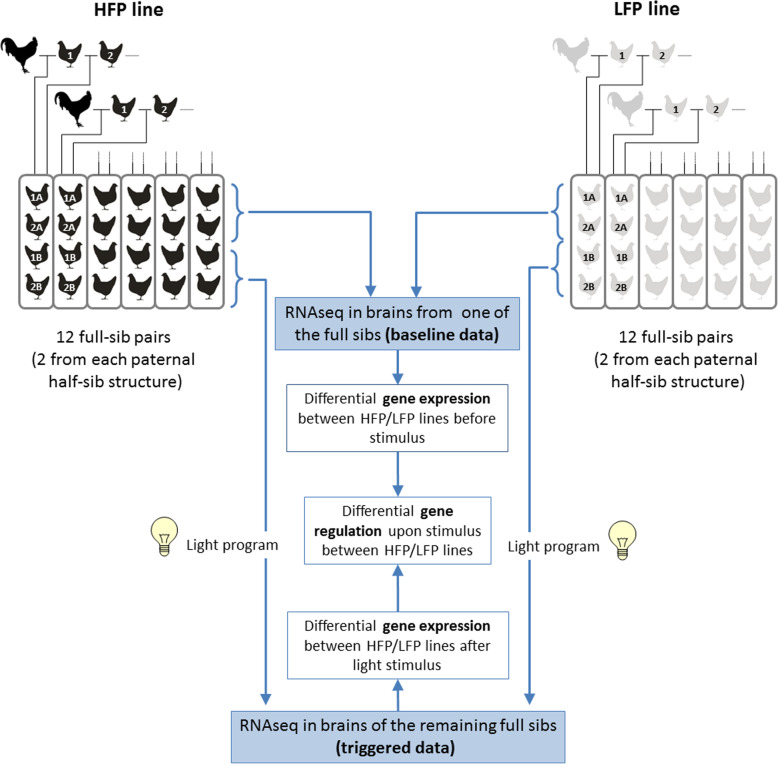
Feather pecking (FP) in laying hens reduces animal welfare and leads to economic losses for the layer industry. FP is considered a heritable condition that is influenced by dysregulation of neurotransmitter homeostasis, the gut microbiome, and the immune system. To identify genes and biological pathways responsible for FP behavior we compared the brain transcriptomes of 48 hens divergently selected for FP. In addition, we tested if high feather peckers (HFP) and low feather peckers (LFP) respond differently to light since light has been shown to trigger FP behavior.
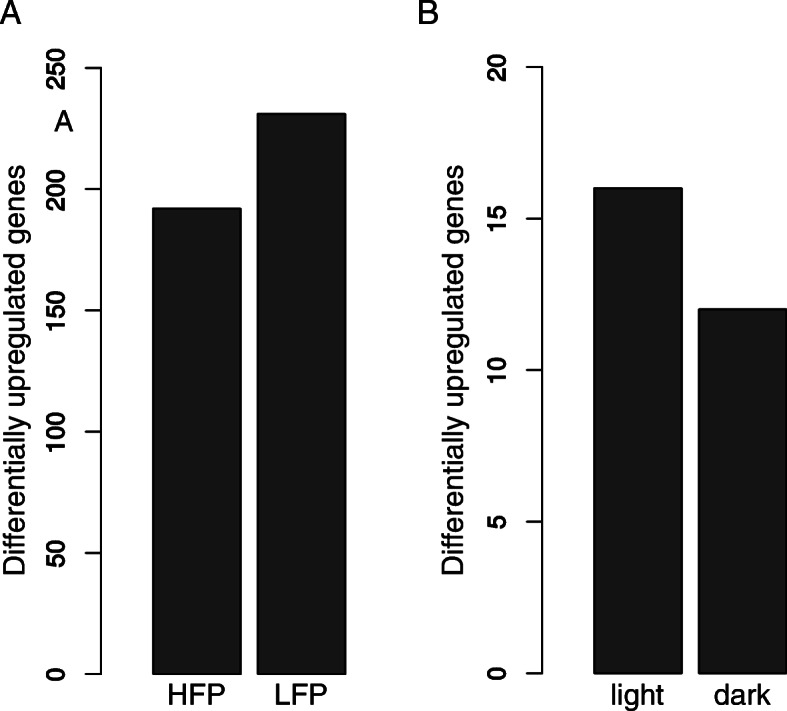
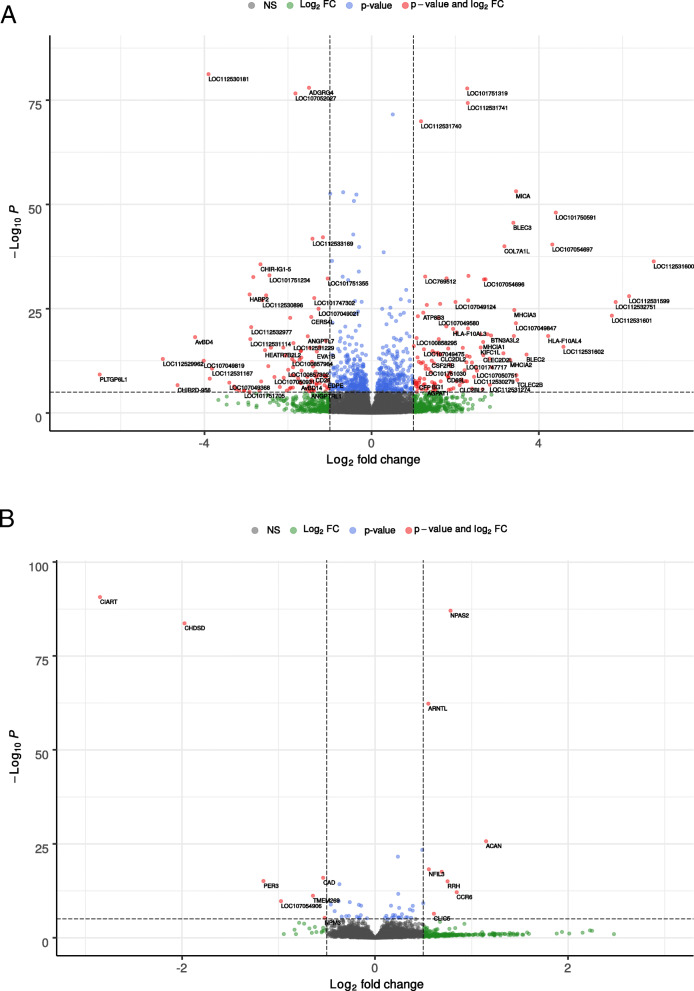
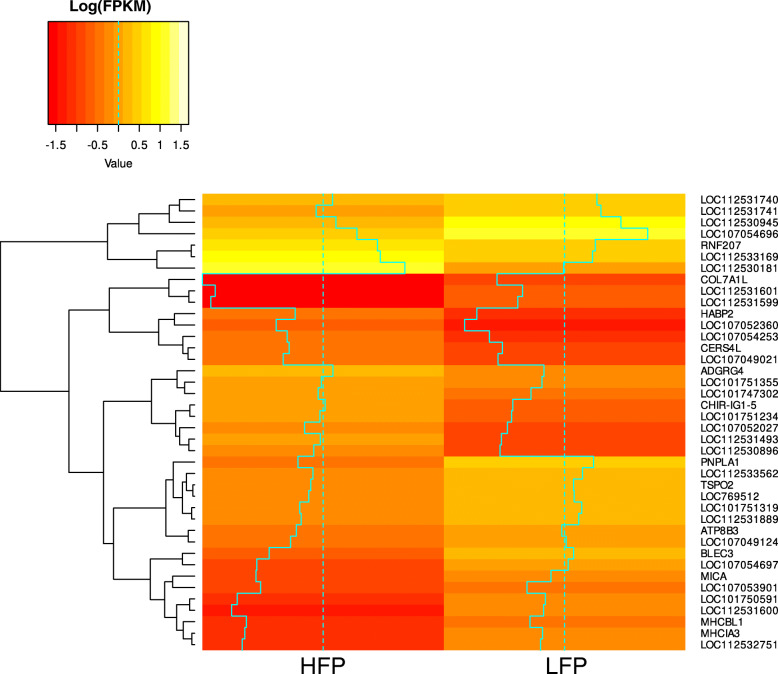
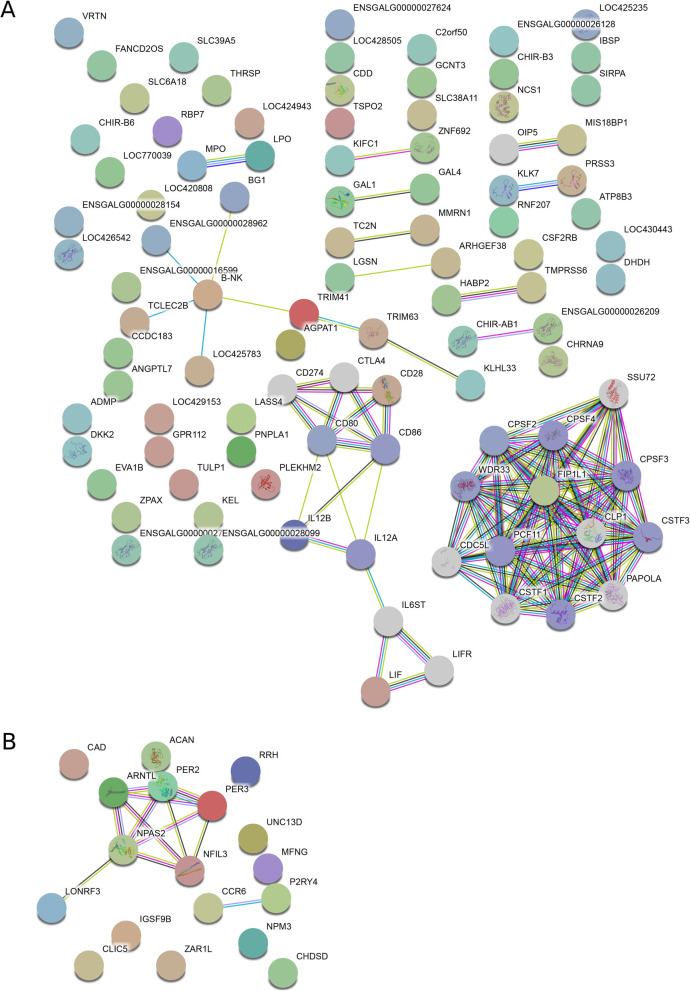
Of approximately 48 million reads/sample an average of 98.4% were mapped to the chicken genome (GRCg6a). We found 13,070 expressed genes in the analyzed brains of which 423 showed differential expression between HFP and LFP. Genes of uncertain function and non-coding RNAs were overrepresented among those transcripts. Functional analyses revealed the involvement of cholinergic signaling, postsynaptic activity, membrane channels, and the immune system. After the light stimulus, 28 genes were found to be differentially expressed. These included an interaction cluster of core components of the circadian clock. However, differences in the response to light between HFP and LFP were not detectable.
Genes involved in cholinergic signaling, channel activity, synaptic transmission, and immune response were found to be involved in FP behavior. We propose a model in which the gut microbiota modulates the immune system, which in turn affects cholinergic signaling. This might have an influence on monoamine signaling with possible involvement of GABA or glutamate signaling.
蛋鸡啄癖(FP)降低了动物福利,给蛋鸡养殖业造成了经济损失。FP 被认为是一种可遗传的疾病,受神经递质动态平衡、肠道微生物组和免疫系统失调的影响。为了确定与 FP 行为相关的基因和生物学途径,我们比较了 48 只对 FP 进行不同选择的母鸡的大脑转录组。此外,我们还测试了高啄癖(HFP)和低啄癖(LFP)母鸡对光的反应是否不同,因为光照已被证明会引发 FP 行为。
在大约 4800 万条读段/样本中,平均有 98.4%被映射到鸡基因组(GRCg6a)。我们在分析的大脑中发现了 13070 个表达基因,其中 423 个基因在 HFP 和 LFP 之间表现出差异表达。功能不明和非编码 RNA 的基因在这些转录物中过度表达。功能分析显示,胆碱能信号、突触后活性、膜通道和免疫系统参与其中。在光刺激后,发现有 28 个基因表达存在差异。其中包括生物钟核心成分的相互作用簇。然而,在 HFP 和 LFP 对光的反应之间没有检测到差异。
参与胆碱能信号、通道活性、突触传递和免疫反应的基因被发现与 FP 行为有关。我们提出了一个模型,其中肠道微生物群调节免疫系统,进而影响胆碱能信号。这可能对单胺信号有影响,可能涉及 GABA 或谷氨酸信号。