Wu Wei-Ting, Chang Ke-Vin, Hsu Yu-Chun, Hsu Po-Cheng, Ricci Vincenzo, Özçakar Levent
Department of Physical Medicine and Rehabilitation, National Taiwan University Hospital, Bei-Hu Branch, Taipei 10845, Taiwan.
Department of Physical Medicine and Rehabilitation, National Taiwan University College of Medicine, Taipei 10048, Taiwan.
Diagnostics (Basel). 2020 Aug 27;10(9):645. doi: 10.3390/diagnostics10090645.
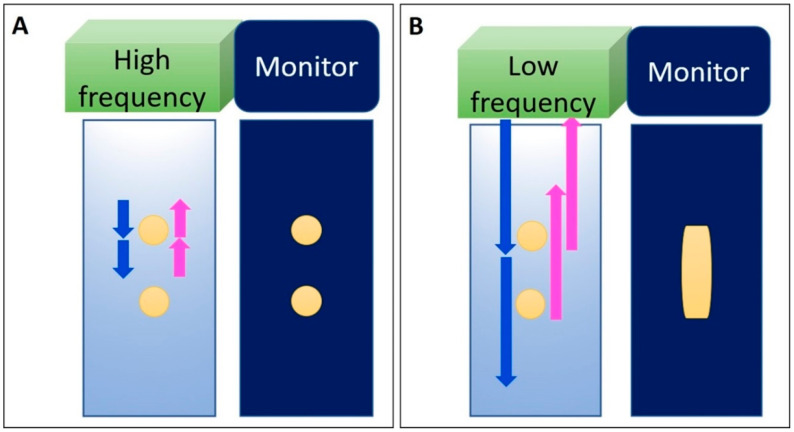
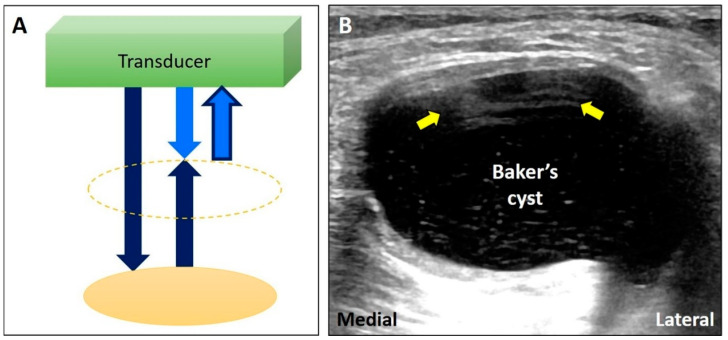
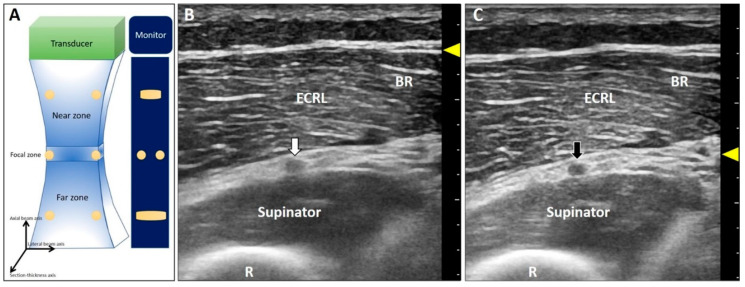
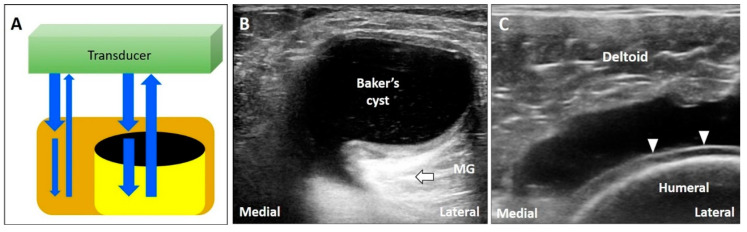
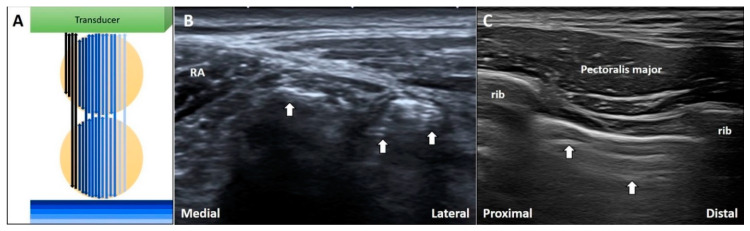
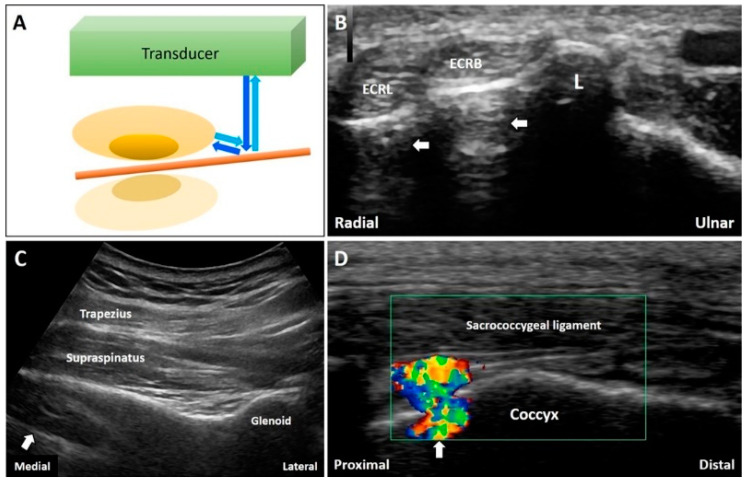
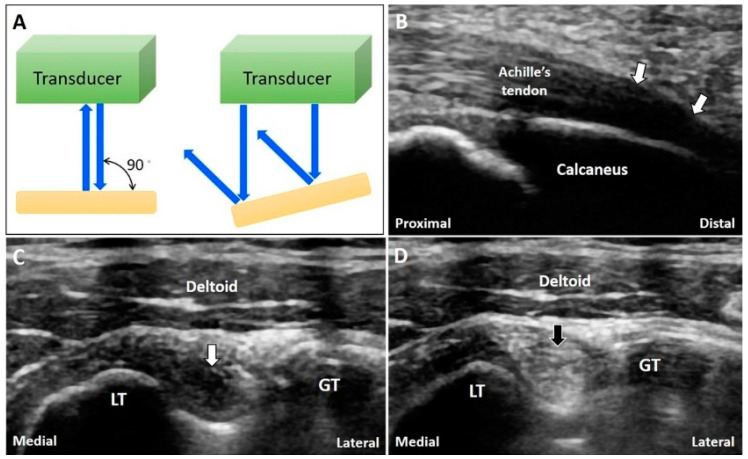
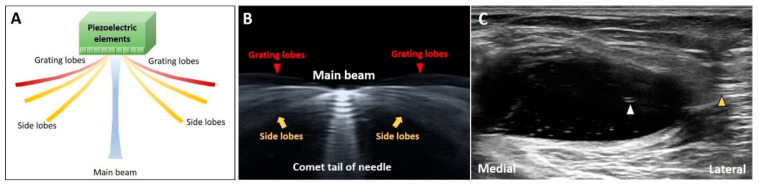
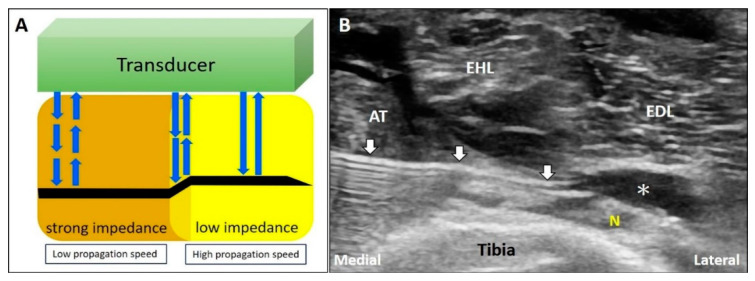
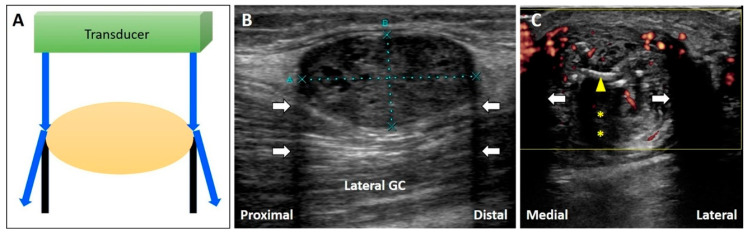
Ultrasound appears to be the most useful imaging tool in the diagnosis and guided treatment of musculoskeletal disorders. However, ultrasonography has been criticized for being user dependent. Therefore, medical professionals should be familiar with the basic principles of ultrasound imaging (e.g., physics and technical skills) to diminish artifacts and avoid misinterpretation. In this review, we focused on the physics of common artifacts, their clinical significance, and the ways to tackle them in daily practice during musculoskeletal imaging. In particular, artifacts pertaining to the focal zone, beam attenuation, path and side lobe of the beam, speed of the sound, and range ambiguity were described.
超声似乎是肌肉骨骼疾病诊断和引导治疗中最有用的成像工具。然而,超声检查因依赖操作者而受到批评。因此,医学专业人员应熟悉超声成像的基本原理(如物理和技术技能),以减少伪像并避免误判。在本综述中,我们重点关注常见伪像的物理原理、它们的临床意义以及在肌肉骨骼成像日常实践中处理这些伪像的方法。特别描述了与聚焦区、波束衰减、波束路径和旁瓣、声速以及距离模糊有关的伪像。