Balcucho Jennifer, Narváez Diana M, Castro-Mayorga Jinneth Lorena
Nanotechnology and Applied Microbiology Research Group (NANOBIOT), Department of Biological Sciences, University of the Andes, Bogotá 111711, Colombia.
Human Genetics Laboratory, Department of Biological Sciences, University of the Andes, Bogotá 111711, Colombia.
Nanomaterials (Basel). 2020 Aug 28;10(9):1692. doi: 10.3390/nano10091692.
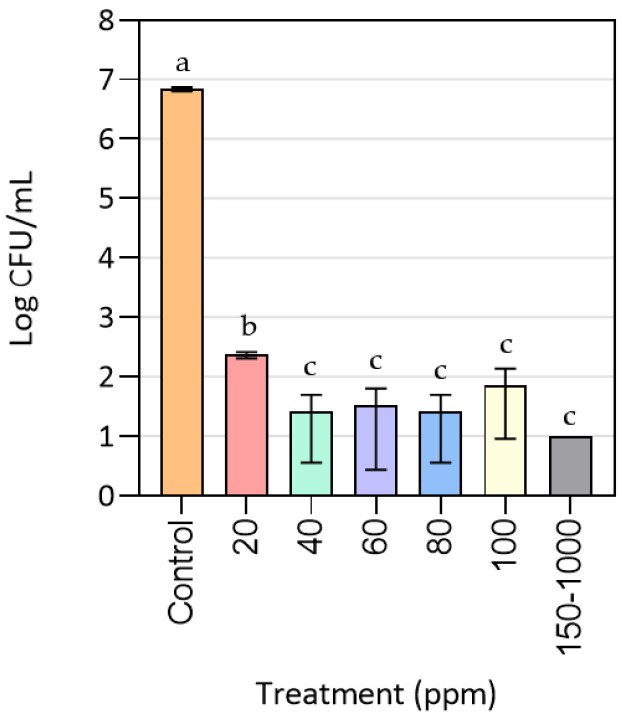
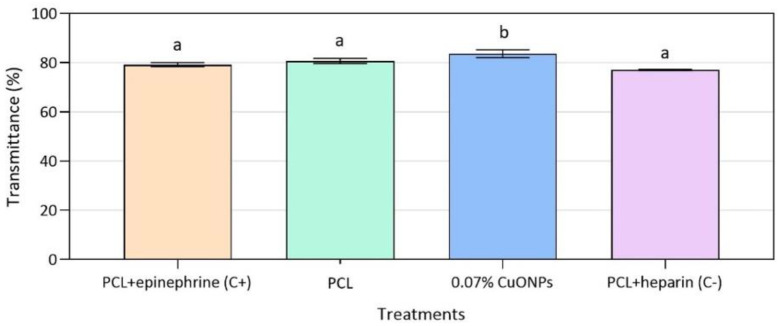
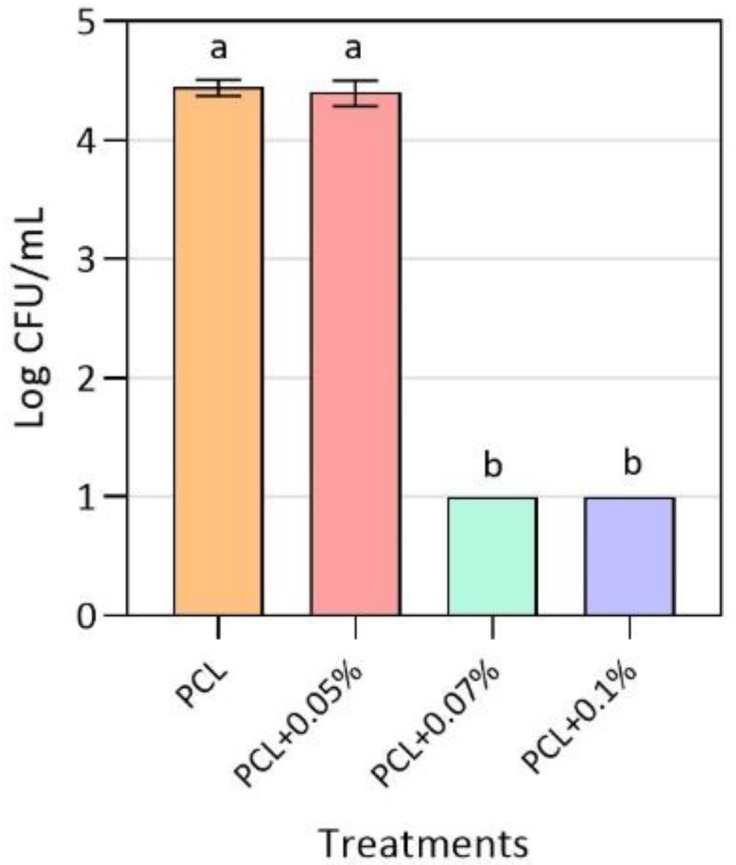
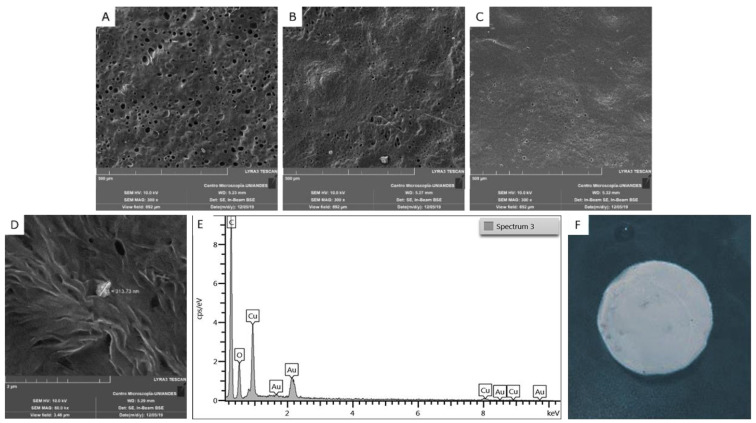
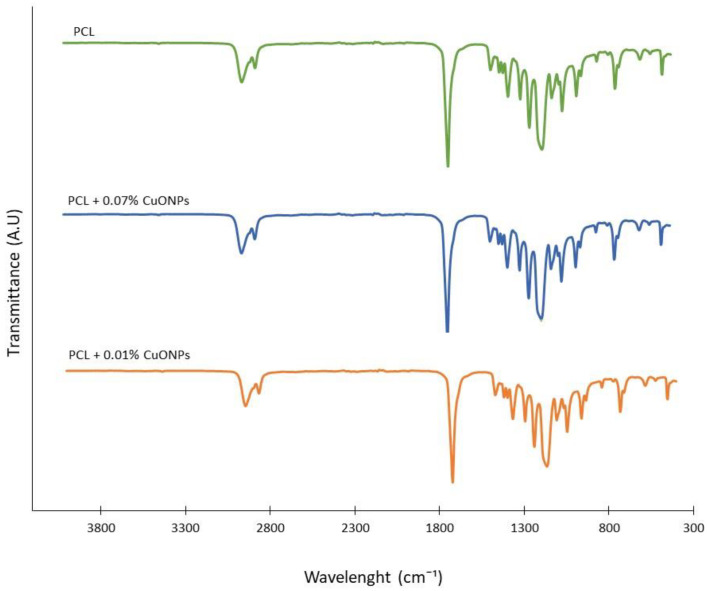
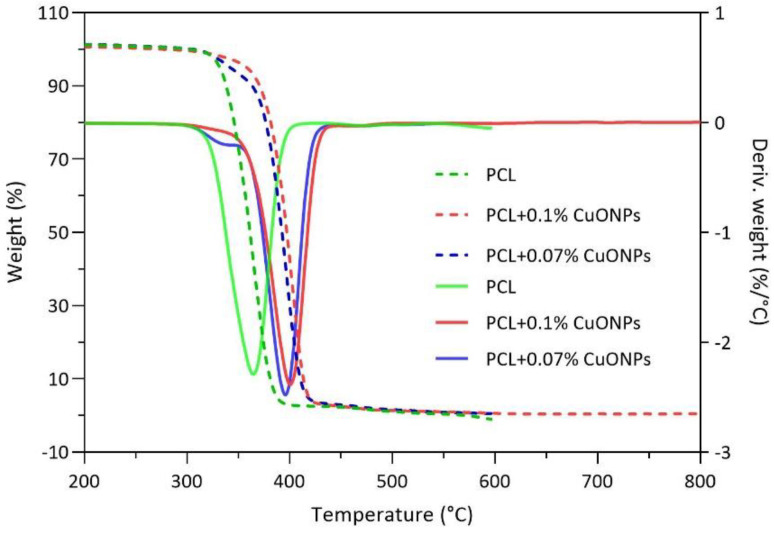
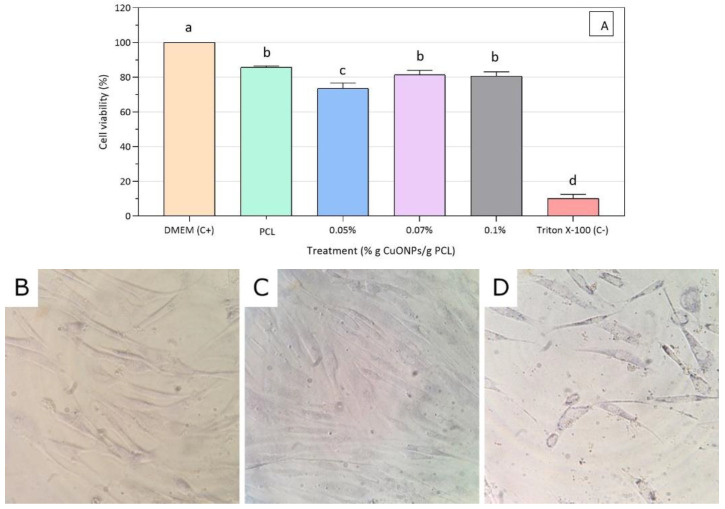
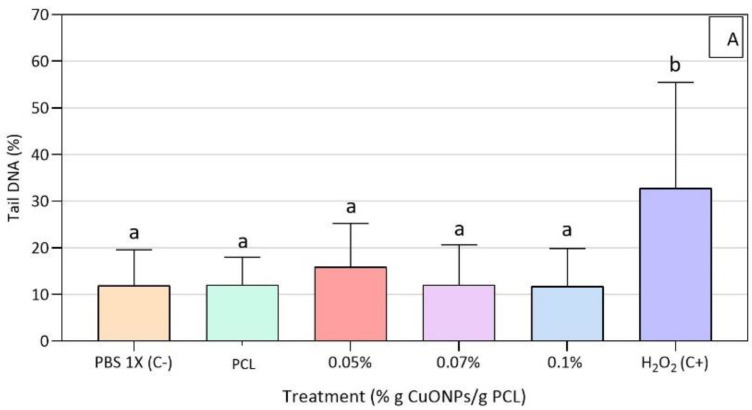
One of the major health problems linked to methicillin-resistant (MRSA) is severe diabetic foot ulcers (DFU), which are associated with hospital-acquired infections, lower limb amputations and emerging resistance to the current antibiotics. As an alternative, this work aims to develop a biodegradable and biocompatible material with antimicrobial capacity to prevent DFU. This was achieved by producing active polymeric films with metallic nanoparticles dispersed through a polycaprolactone (PCL) dressing. First, the antimicrobial activity of copper oxide nanoparticles (CuONPs) was tested by the microdilution method, selecting the lowest concentration that has an inhibitory effect on MRSA. Then, active PCL films were prepared and characterized in terms of their physicochemical properties, antimicrobial performance, cytotoxicity, genotoxicity and hemocompatibility. Active films had chemical and thermal properties like the ones without the antimicrobial agents, which was confirmed through FTIR, Thermogravimetric Analysis (TGA) and Differential Scanning Calorimetry (DSC) analysis. In relation to antimicrobial activity, active PCL films inhibited MRSA growth when treated with CuONPs at a concentration of 0.07% (/). After exposure to the active film extracts, human foreskin fibroblast cells (ATCC SCRC1041™) (HFF-1) exhibited a cell viability average above 80% for all treatments and no DNA damage was found. Finally, PCL films with 0.07% (/) CuONPs proved to be hemocompatible, and none of the films evaluated had red blood cell breakage greater than 5%, being within the acceptable limits established by the International Organization for Standardization ISO 10993-4:2002.
与耐甲氧西林金黄色葡萄球菌(MRSA)相关的主要健康问题之一是严重的糖尿病足溃疡(DFU),它与医院获得性感染、下肢截肢以及对当前抗生素产生的新耐药性有关。作为一种替代方案,这项工作旨在开发一种具有抗菌能力的可生物降解且生物相容的材料,以预防DFU。这是通过制备含有分散在聚己内酯(PCL)敷料中的金属纳米颗粒的活性聚合物薄膜来实现的。首先,通过微量稀释法测试了氧化铜纳米颗粒(CuONPs)的抗菌活性,选择对MRSA具有抑制作用的最低浓度。然后,制备了活性PCL薄膜,并对其物理化学性质、抗菌性能、细胞毒性、遗传毒性和血液相容性进行了表征。通过傅里叶变换红外光谱(FTIR)、热重分析(TGA)和差示扫描量热法(DSC)分析证实,活性薄膜具有与不含抗菌剂的薄膜相似的化学和热性能。关于抗菌活性,当用浓度为0.07%(/)的CuONPs处理时,活性PCL薄膜抑制了MRSA的生长。在接触活性薄膜提取物后,所有人包皮成纤维细胞(ATCC SCRC1041™)(HFF-1)处理后的细胞活力平均值均高于80%,且未发现DNA损伤。最后,含有0.07%(/)CuONPs的PCL薄膜被证明具有血液相容性,并且所评估的薄膜中没有一个的红细胞破裂率大于5%,处于国际标准化组织ISO 10993-4:2002规定的可接受范围内。