School of Molecular Biosciences, College of Veterinary Medicine, Washington State University , Pullman, WA, USA.
Integrative Omics, Pacific Northwest National Laboratory , Richland, WA, USA.
Gut Microbes. 2020 Nov 9;12(1):1-25. doi: 10.1080/19490976.2020.1814121.
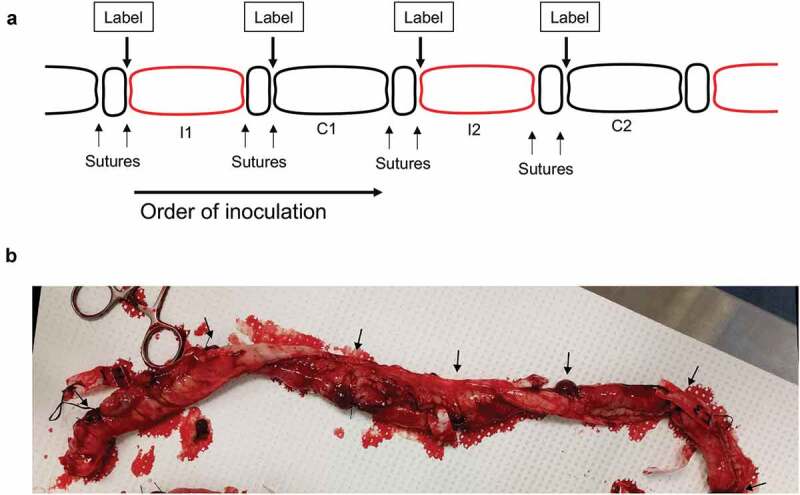
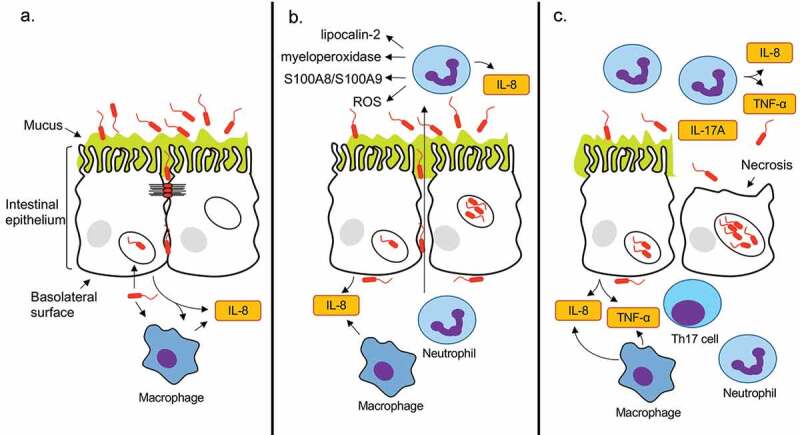
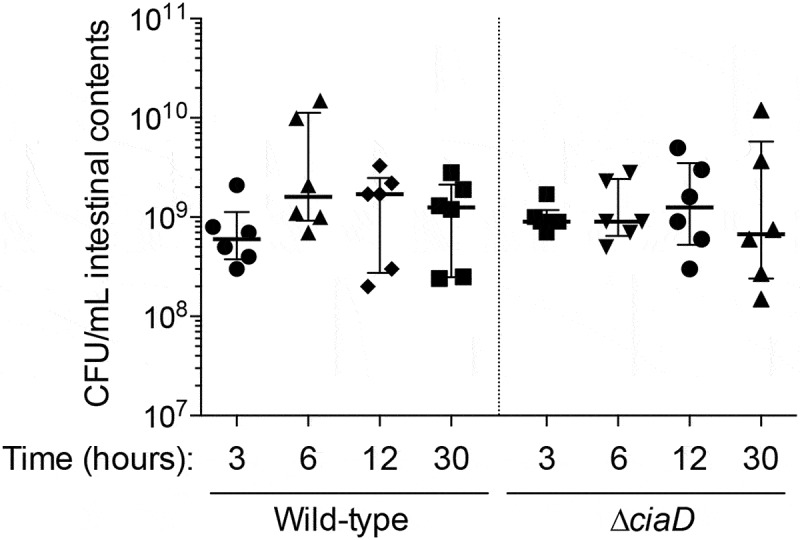
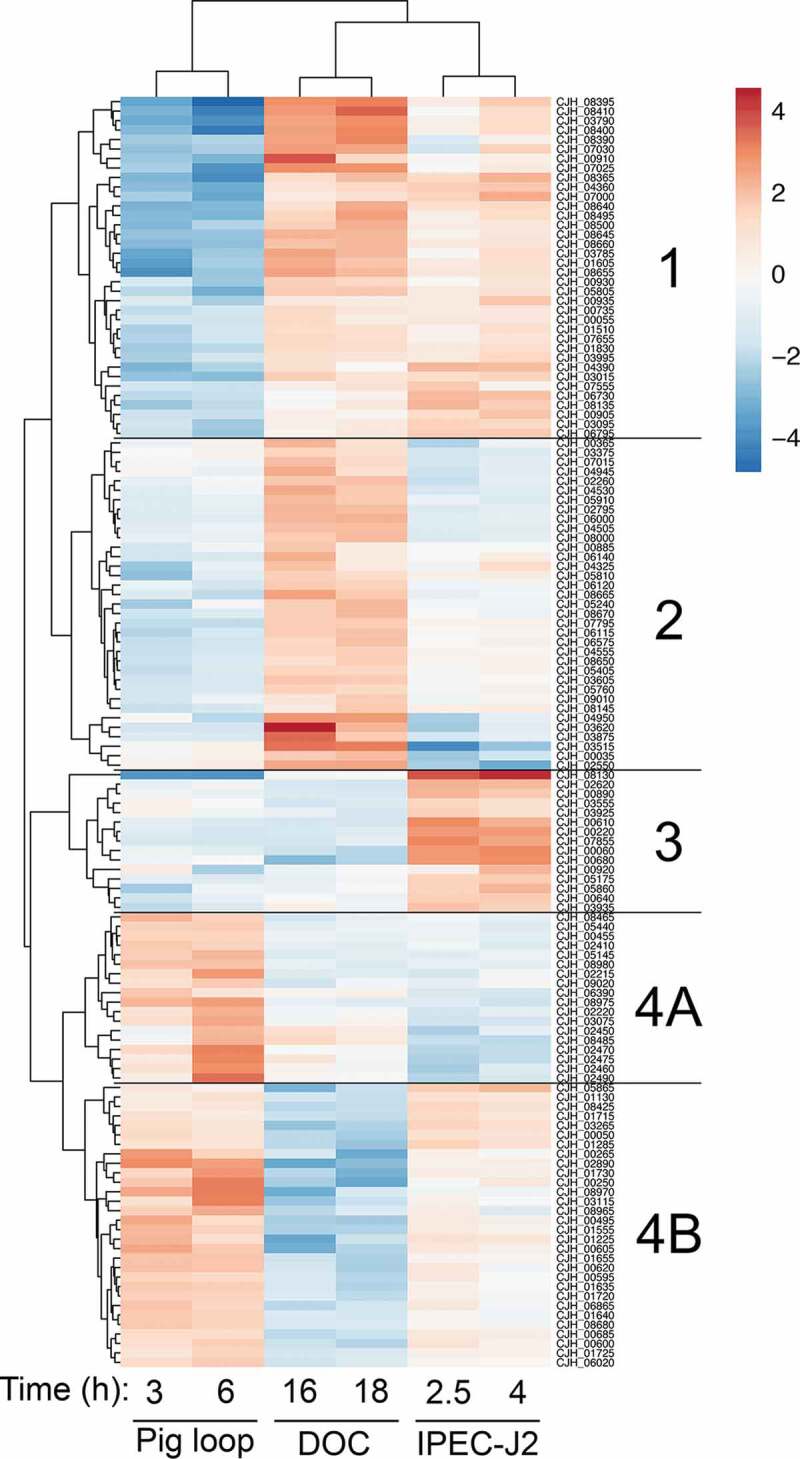
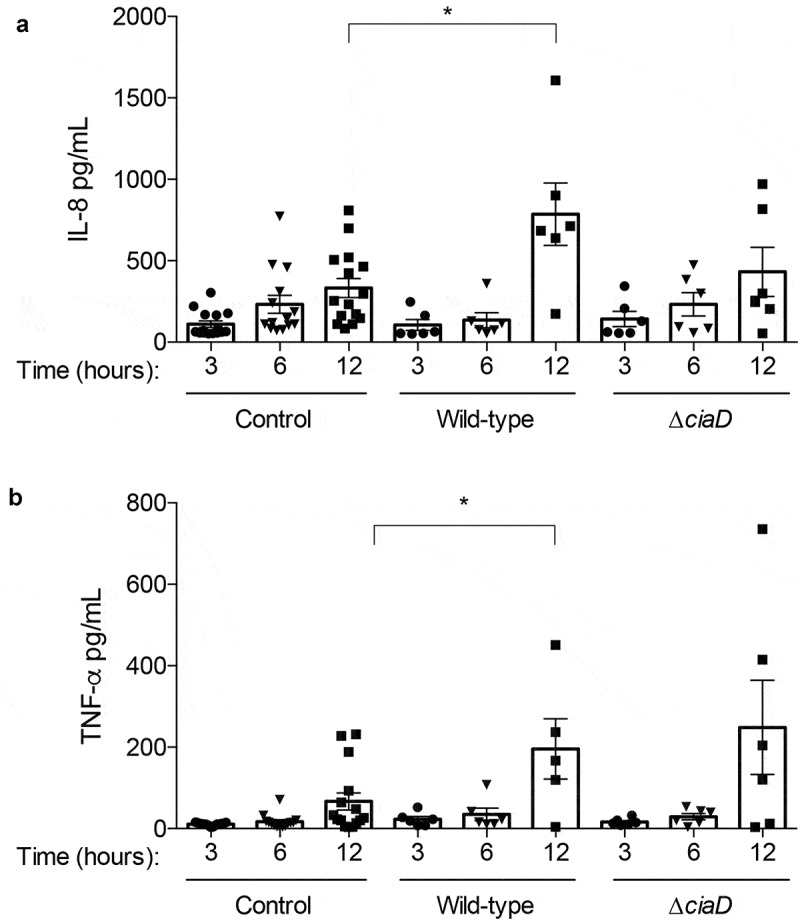
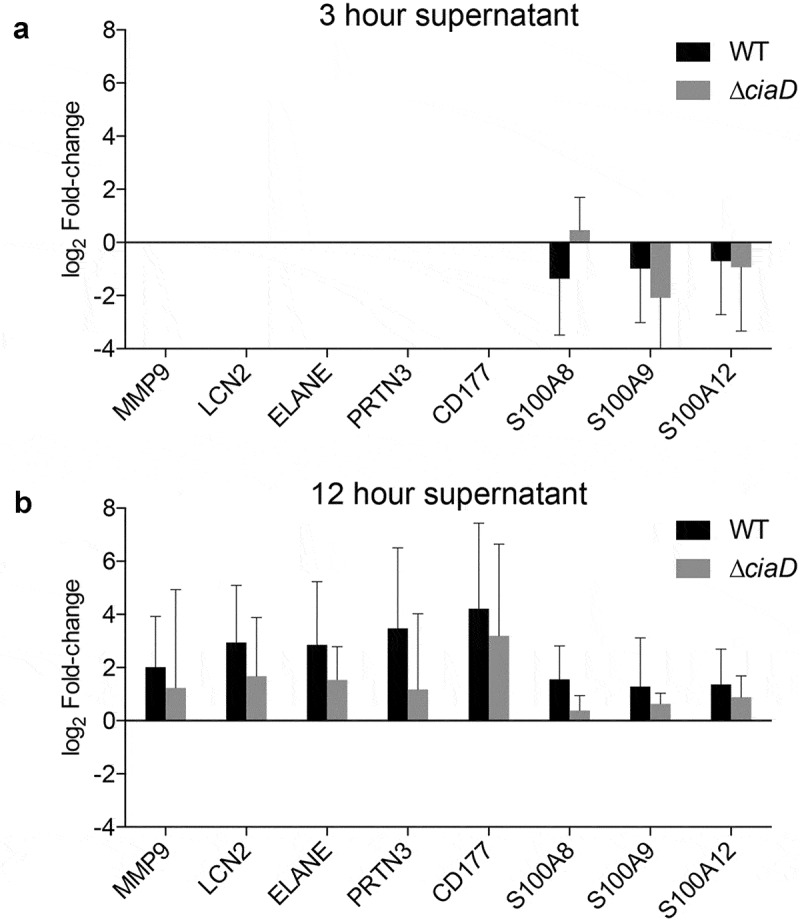
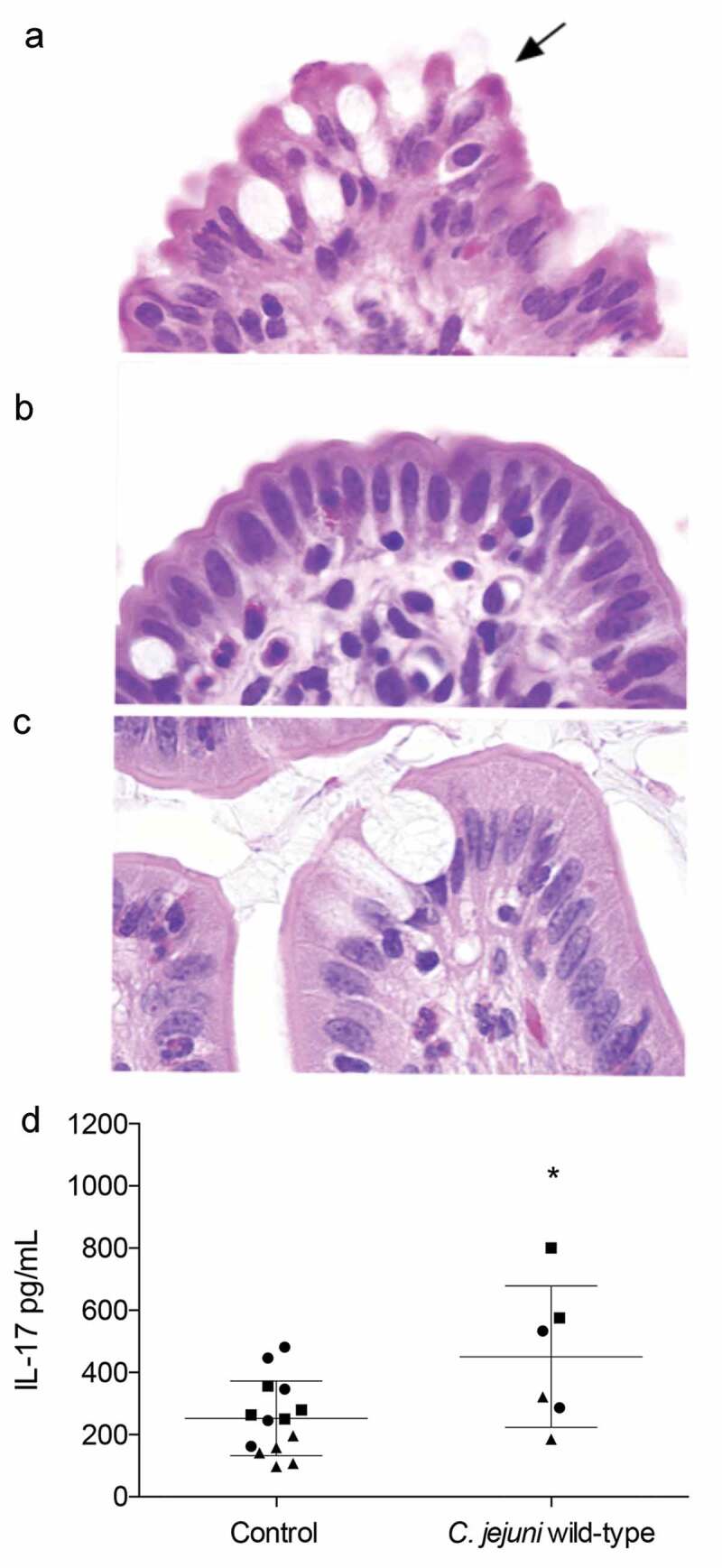
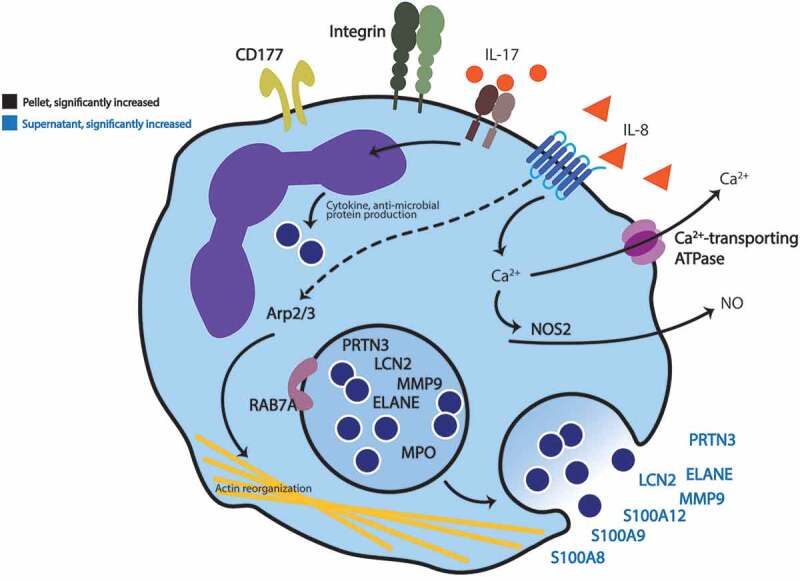
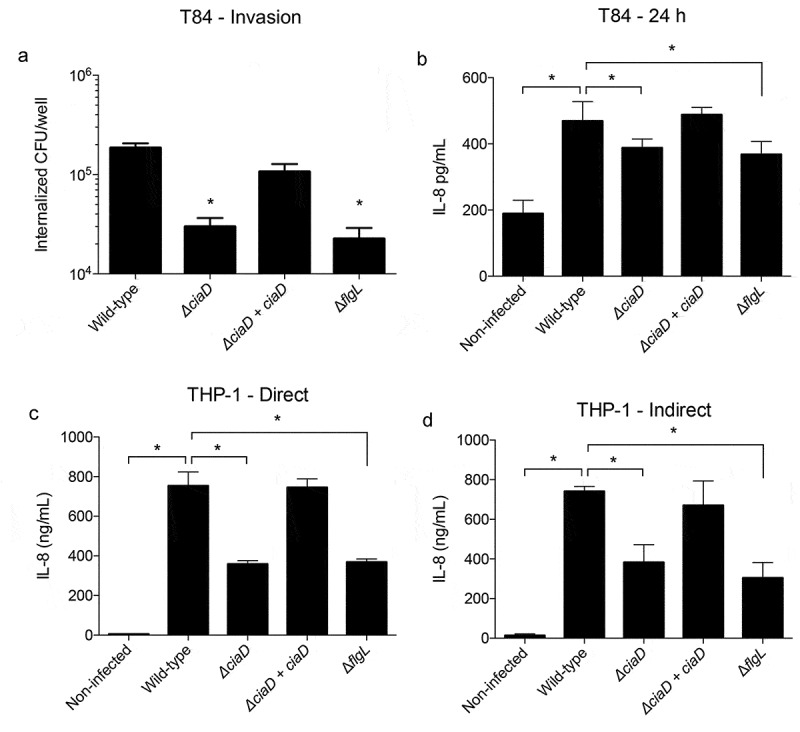
The symptoms of infectious diarrheal disease are mediated by a combination of a pathogen's virulence factors and the host immune system. is the leading bacterial cause of diarrhea worldwide due to its near-ubiquitous zoonotic association with poultry. One of the outstanding questions is to what extent the bacteria are responsible for the diarrheal symptoms via intestinal cell necrosis versus immune cell initiated tissue damage. To determine the stepwise process of inflammation that leads to diarrhea, we used a piglet ligated intestinal loop model to study the intestinal response to . Pigs were chosen due to the anatomical similarity between the porcine and the human intestine. We found that the abundance of neutrophil related proteins increased in the intestinal lumen during infection, including proteins related to neutrophil migration (neutrophil elastase and MMP9), actin reorganization (Arp2/3), and antimicrobial proteins (lipocalin-2, myeloperoxidase, S100A8, and S100A9). The appearance of neutrophil proteins also corresponded with increases of the inflammatory cytokines IL-8 and TNF-α. Compared to infection with the wild-type strain, infection with the noninvasive mutant resulted in a blunted inflammatory response, with less inflammatory cytokines and neutrophil markers. These findings indicate that intestinal inflammation is driven by virulence and that neutrophils are the predominant cell type responding to infection. We propose that this model can be used as a platform to study the early immune events during infection with intestinal pathogens.
传染性腹泻病的症状是由病原体的毒力因子和宿主免疫系统共同介导的。由于其与家禽近乎普遍的动物源性关联,是导致全球腹泻的主要细菌性病因。一个悬而未决的问题是,细菌通过肠道细胞坏死还是免疫细胞引发的组织损伤在多大程度上导致腹泻症状。为了确定导致腹泻的炎症逐步过程,我们使用猪结扎肠袢模型来研究细菌对猪肠道的反应。之所以选择猪,是因为猪和人类肠道在解剖学上具有相似性。我们发现,在感染过程中,肠道腔中的中性粒细胞相关蛋白(包括与中性粒细胞迁移相关的蛋白(中性粒细胞弹性蛋白酶和 MMP9)、肌动蛋白重排(Arp2/3)和抗菌蛋白(脂钙蛋白-2、髓过氧化物酶、S100A8 和 S100A9))的丰度增加。中性粒细胞蛋白的出现也伴随着炎症细胞因子 IL-8 和 TNF-α 的增加。与野生型菌株感染相比,非侵袭性突变体感染导致炎症反应减弱,炎症细胞因子和中性粒细胞标志物减少。这些发现表明,肠道炎症是由细菌的毒力驱动的,而中性粒细胞是对细菌感染的主要反应细胞类型。我们提出,该模型可以用作研究肠道病原体感染早期免疫事件的平台。