Health and Healthcare Research Group, Department of Nursing, University of Girona, 17003 Girona, Spain.
Department of Nursing, University of Girona, 17003 Girona, Spain.
Int J Environ Res Public Health. 2020 Sep 4;17(18):6451. doi: 10.3390/ijerph17186451.
Most elderly people wish to grow old at their own homes. The sociodemographic characteristics; home and neighbourhood conditions; and the social services support and networks are determinants in the possibility of "ageing in place". The present study aimed to explore the ageing in place phenomenon, as well as the enablers and barriers that interact in a healthy ageing from the perspective of the elderly connected to local entities.
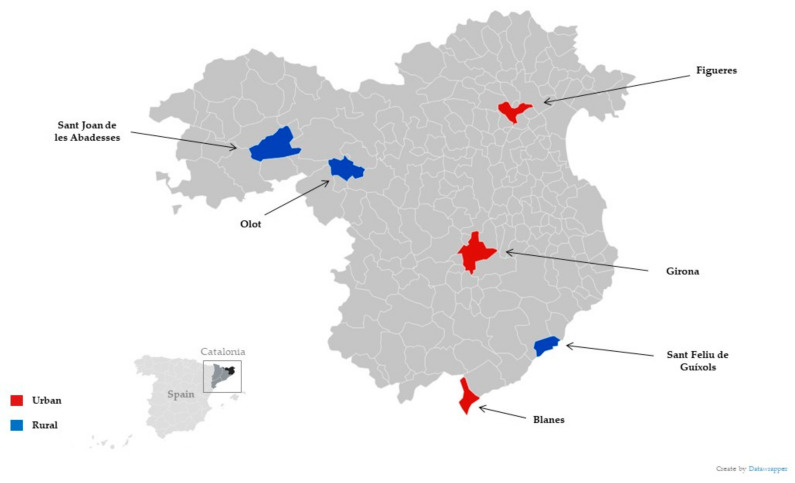
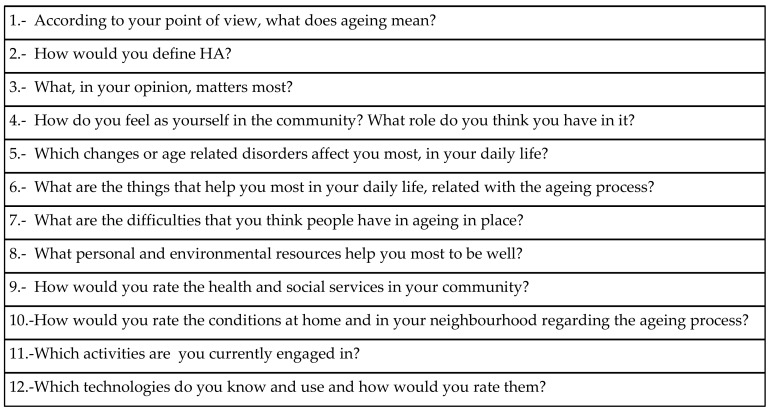
A generic qualitative design was proposed in the Health Region of Girona in Catalonia (Spain). Seventy-one elderly people were purposefully selected. Six focus groups were conducted, and data were thematically analysed.
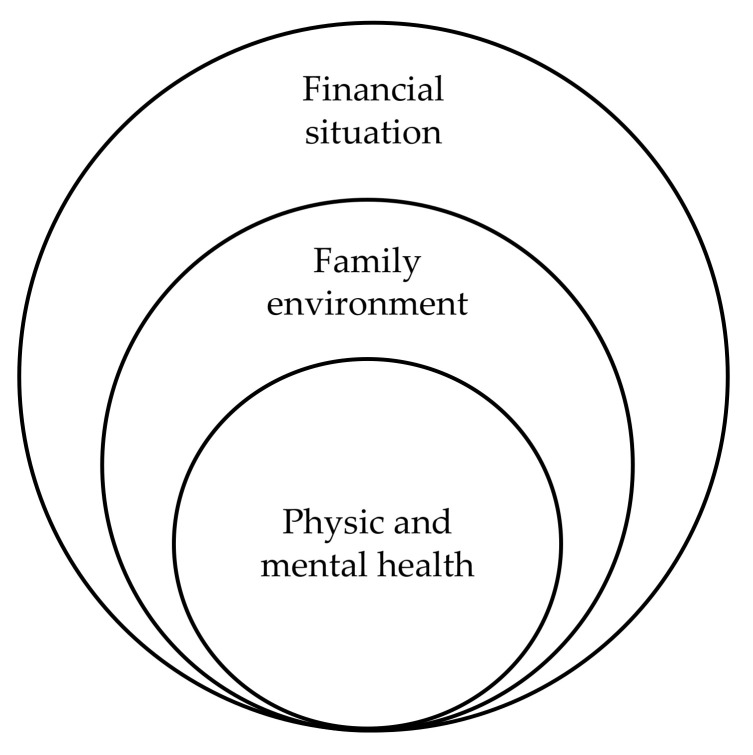
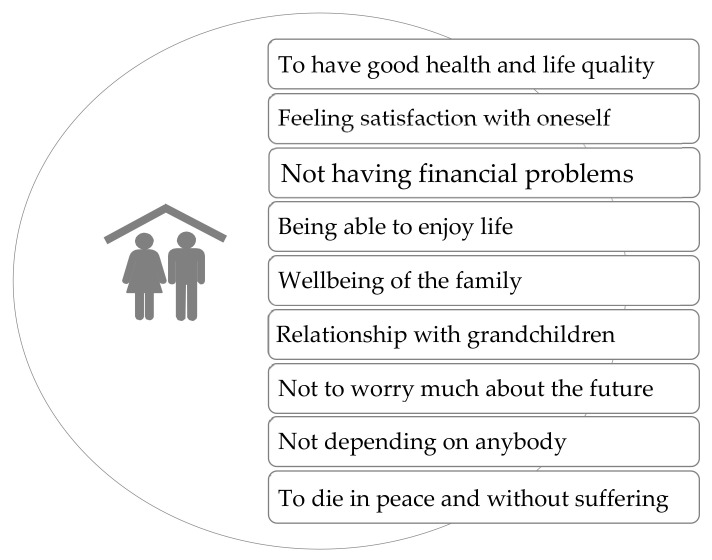
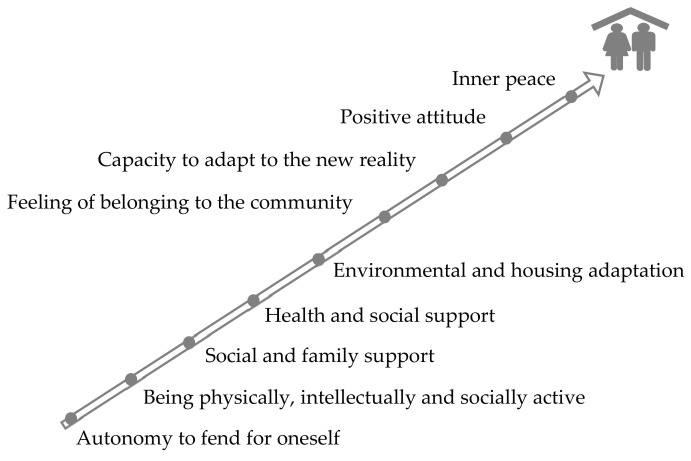
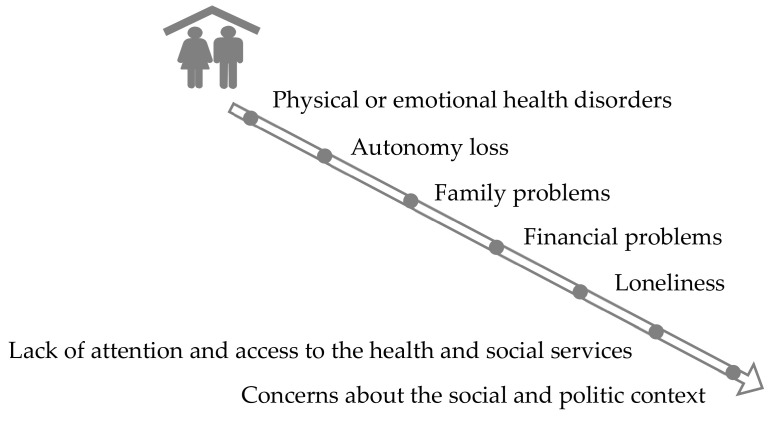
Three key themes were generated: (1) Participants experienced ageing differently. The physical and mental health, the family environment and financial stability were key elements for life quality. (2) The perception of the elderly's role in the community depended on their age, health status and attitude towards life. (3) The participants identified several enablers and barriers to healthy ageing in place.
The promotion of older people's autonomy and wellbeing, together with the creation of an active network of health and social services, may improve the possibility for elderly to age at home and avoid or delay institutionalisation.
大多数老年人希望在自己的家中安度晚年。社会人口统计学特征、家庭和邻里条件以及社会服务支持和网络是“就地老龄化”可能性的决定因素。本研究旨在从与当地实体联系的老年人的角度探讨就地老龄化现象,以及健康老龄化相互作用的促进因素和障碍。
在加泰罗尼亚(西班牙)赫罗纳卫生区提出了一种通用的定性设计。目的选择了 71 名老年人。进行了六次焦点小组讨论,并对数据进行了主题分析。
产生了三个关键主题:(1)参与者对衰老的体验不同。身体和心理健康、家庭环境和经济稳定是生活质量的关键因素。(2)老年人在社区中的角色感知取决于他们的年龄、健康状况和生活态度。(3)参与者确定了一些促进健康老龄化的促进因素和障碍。
促进老年人的自主性和幸福感,以及创建积极的健康和社会服务网络,可能会提高老年人在家中安度晚年的可能性,避免或延迟机构化。