Lyu Lei, Xiang Wei, Zheng Fuxin, Huang Tao, Feng Yan, Yuan Jingdong, Zhang Chuanhua
Department of Urology, Wuhan No.1 Hospital, Huazhong University of Science and Technology, Wuhan, China.
Department of Pathology, Wuhan No.1 Hospital, Huazhong University of Science and Technology, Wuhan, China.
Front Oncol. 2020 Aug 13;10:1613. doi: 10.3389/fonc.2020.01613. eCollection 2020.
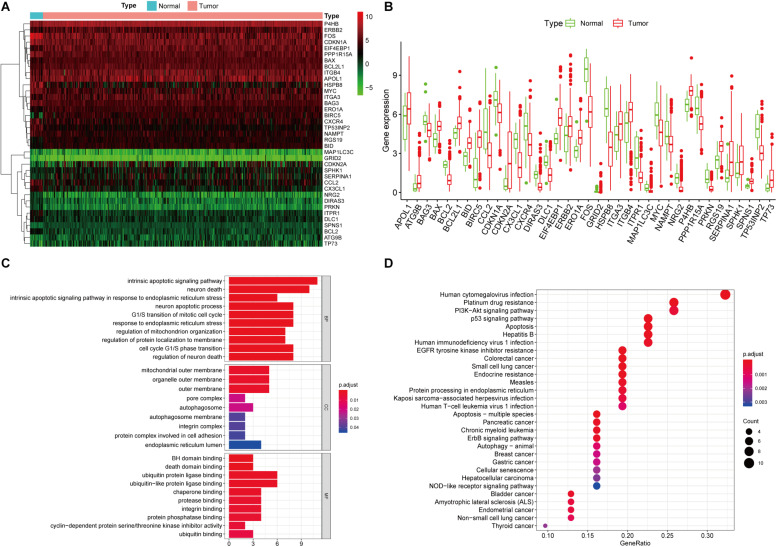
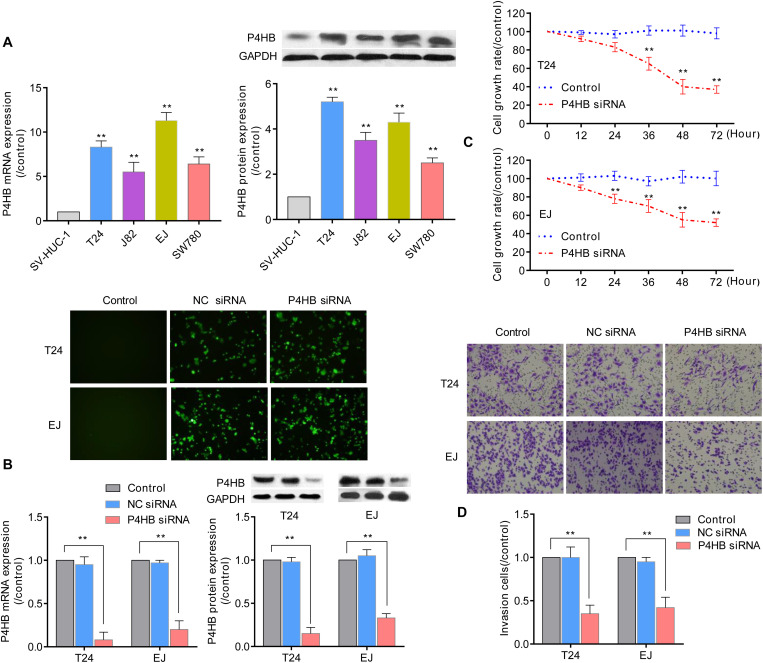
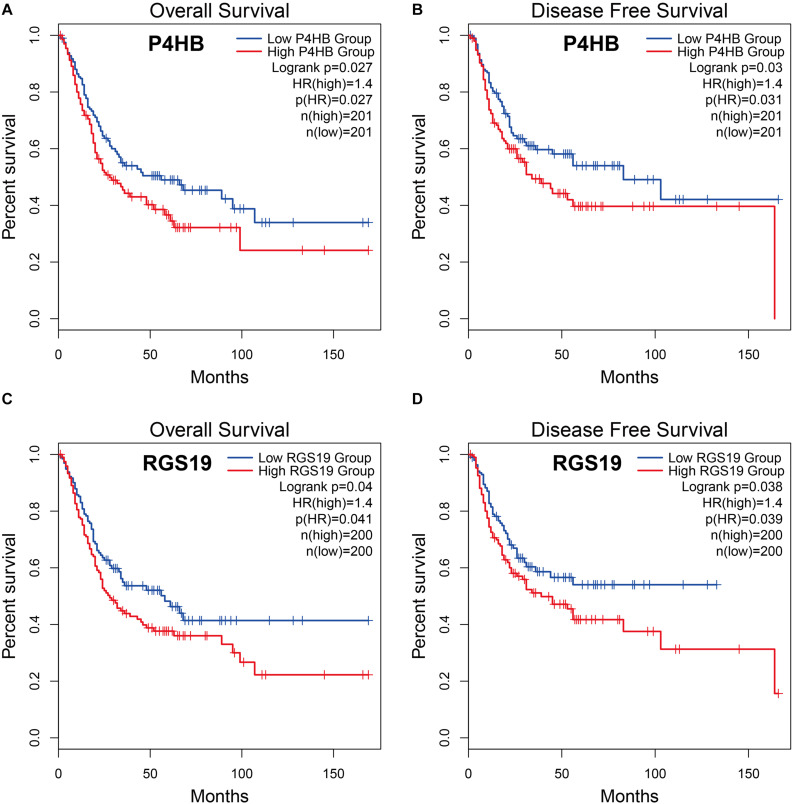
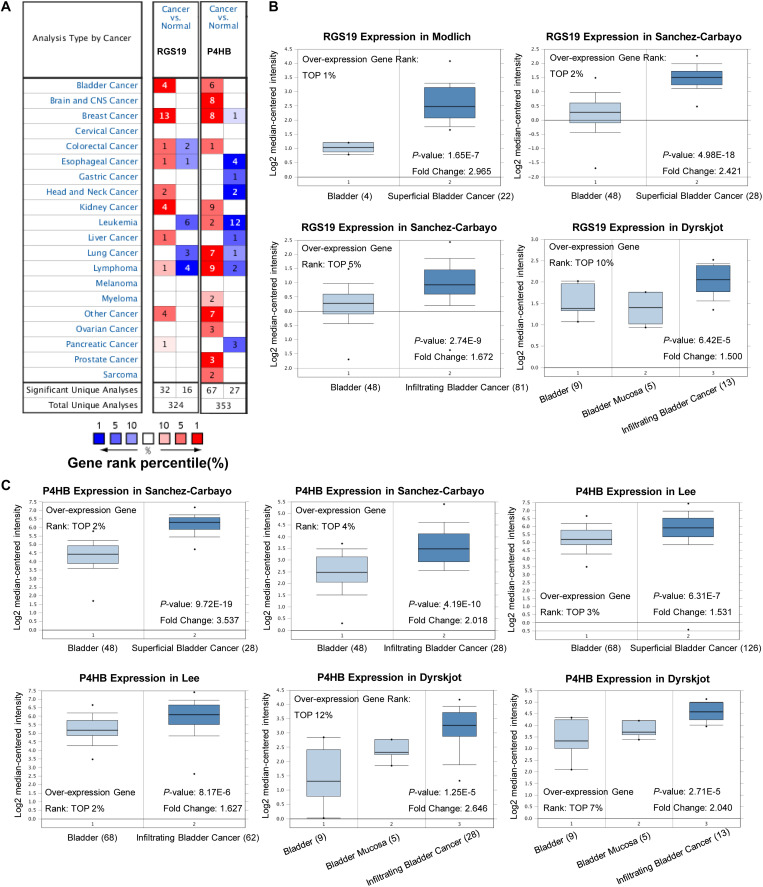
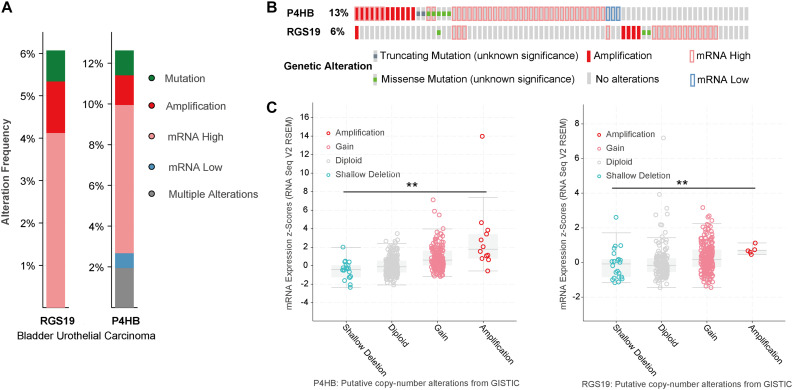
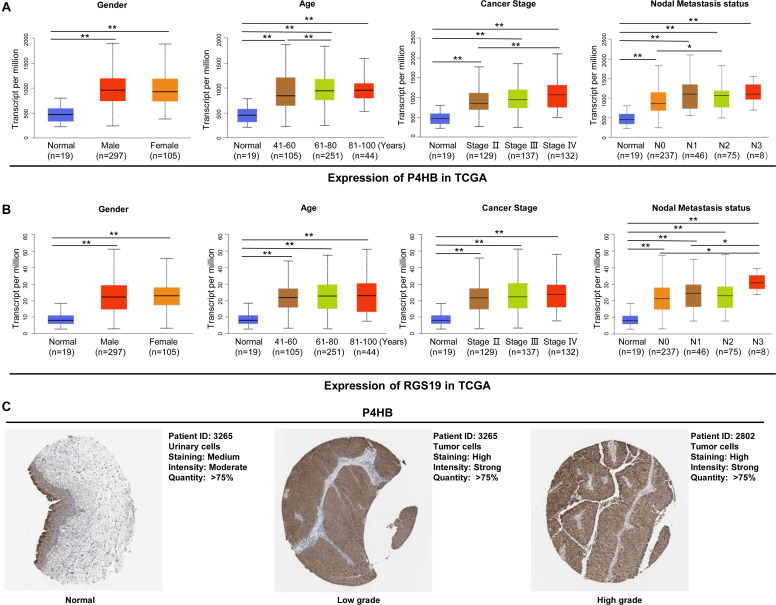
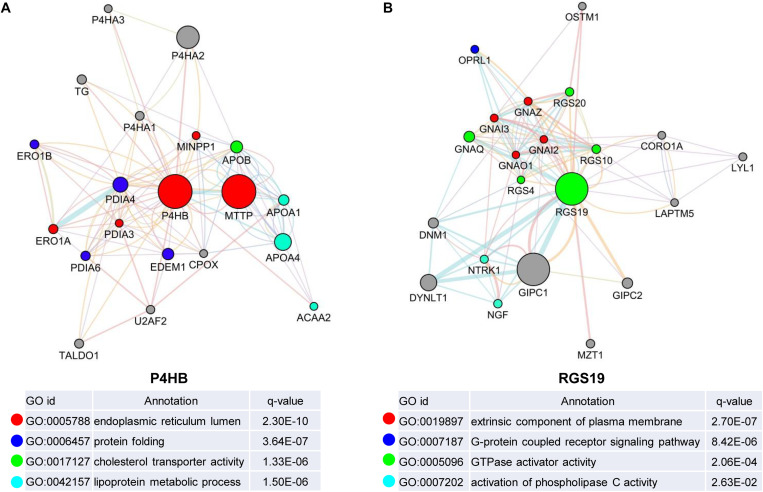
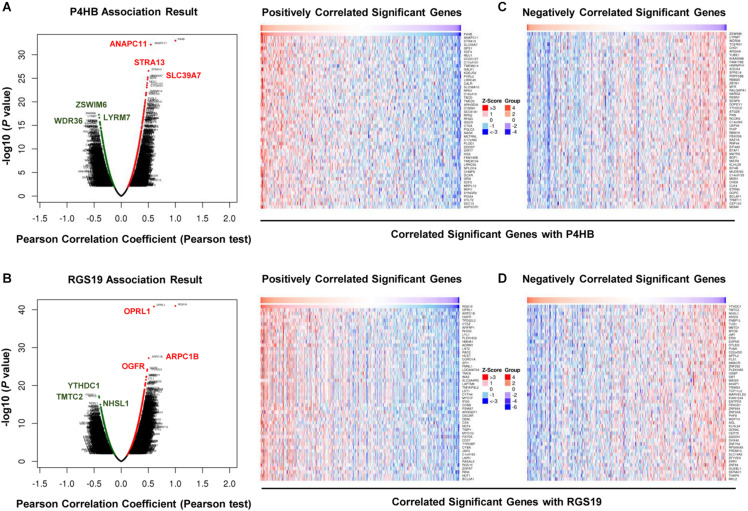
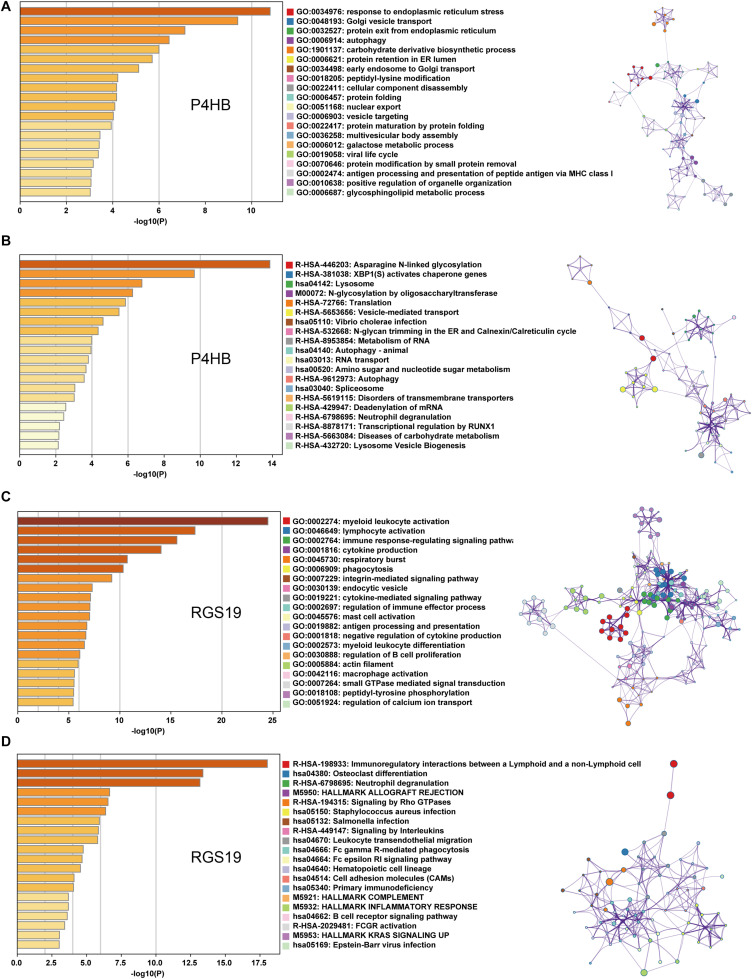
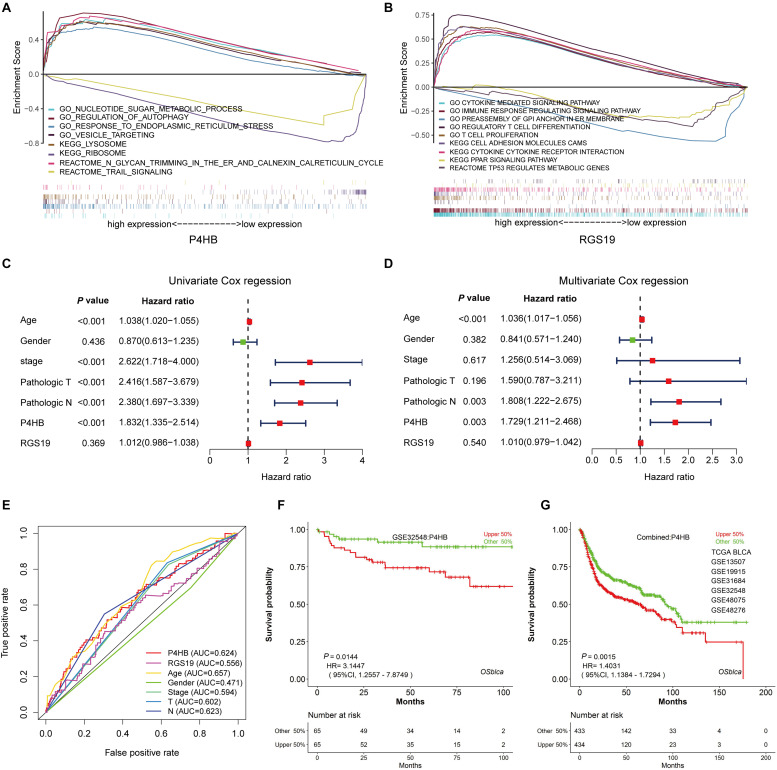
While hundreds of consistently altered autophagy-related genes (ARGs) have been identified in cancers, their prognostic value in bladder urothelial carcinoma (BUC) remains unclear. In the present study, we collected 232 ARGs from the Human Autophagy Database (HADb), and identified 37 differentially expressed ARGs in BUC based on The Cancer Genome Atlas (TCGA) database. Kaplan-Meier survival analysis based on the Gene Expression Profiling Interactive Analysis (GEPIA) database revealed that among the 37 differentially expressed ARGs, prolyl 4-hydroxylase, beta polypeptide (P4HB), and regulator of G protein signaling 19 (RGS19) were significantly negatively correlated with overall survival (OS) and disease-free survival (DFS). Overexpression of P4HB and RGS19 in BUC was further validated using independent data sets, including those from the Oncomine and Gene Expression Omnibus (GEO) databases. cBioPortal and UALCAN analyses indicated that altered P4HB and RGS19 mRNA expression was significantly associated with mutations and clinical characteristics (nodal metastasis and cancer stage). Moreover, co-expression network analysis and gene set enrichment analysis (GSEA) predicted that the potential functions of P4HB and RGS19 are involved in the endoplasmic reticulum (ER) stress response, cytokine-mediated signaling pathway and inflammatory response. More importantly, multivariate Cox proportional hazards regression analysis demonstrated that P4HB, but not RGS19, is an independent and unfavorable BUC biomarker based on clinical characteristics (age, gender, cancer stage, and pathological TNM stage). Finally, we validated that the mRNA and protein expression levels of P4HB were upregulated in four bladder cancer cell lines (T24, J82, EJ, and SW780) and found that knockdown of P4HB dramatically inhibited the invasion and proliferation of bladder cancer cells. In summary, our study screened ARGs and identified P4HB as a biomarker that can predict the progression and prognosis of BUC and may provide a better understanding of the autophagy regulatory mechanisms involved in BUC.
虽然在癌症中已鉴定出数百个持续改变的自噬相关基因(ARGs),但其在膀胱尿路上皮癌(BUC)中的预后价值仍不清楚。在本研究中,我们从人类自噬数据库(HADb)收集了232个ARGs,并基于癌症基因组图谱(TCGA)数据库鉴定出BUC中37个差异表达的ARGs。基于基因表达谱交互式分析(GEPIA)数据库的Kaplan-Meier生存分析显示,在这37个差异表达的ARGs中,脯氨酰4-羟化酶β多肽(P4HB)和G蛋白信号调节因子19(RGS19)与总生存期(OS)和无病生存期(DFS)显著负相关。使用独立数据集(包括来自Oncomine和基因表达综合数据库(GEO)的数据)进一步验证了BUC中P4HB和RGS19的过表达。cbioportal和UALCAN分析表明,P4HB和RGS19 mRNA表达的改变与突变及临床特征(淋巴结转移和癌症分期)显著相关。此外,共表达网络分析和基因集富集分析(GSEA)预测,P4HB和RGS19的潜在功能涉及内质网(ER)应激反应、细胞因子介导的信号通路和炎症反应。更重要的是,多变量Cox比例风险回归分析表明,基于临床特征(年龄、性别、癌症分期和病理TNM分期),P4HB而非RGS19是一种独立且不利的BUC生物标志物。最后,我们验证了P4HB的mRNA和蛋白表达水平在四种膀胱癌细胞系(T24、J82、EJ和SW780)中上调,并发现敲低P4HB可显著抑制膀胱癌细胞的侵袭和增殖。总之,我们的研究筛选了ARGs并确定P4HB作为一种可预测BUC进展和预后的生物标志物,可能有助于更好地理解BUC中涉及的自噬调节机制。