Department of Obstetrics and Gynecology, Medical University of Graz, Auenbruggerplatz 14, 8036, Graz, Austria.
BioTechMed-Graz, Mozartgasse 12/II, 8010, Graz, Austria.
J Nanobiotechnology. 2020 Sep 9;18(1):128. doi: 10.1186/s12951-020-00676-5.
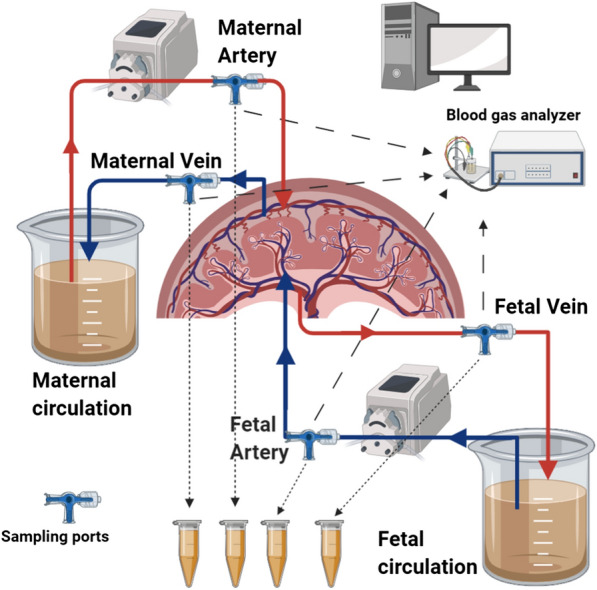
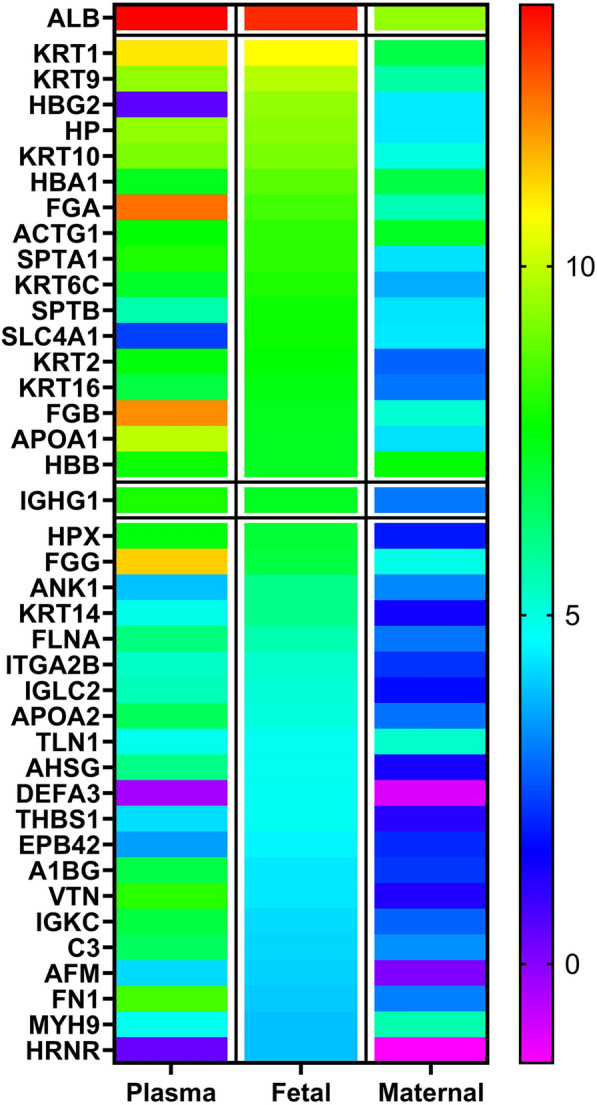
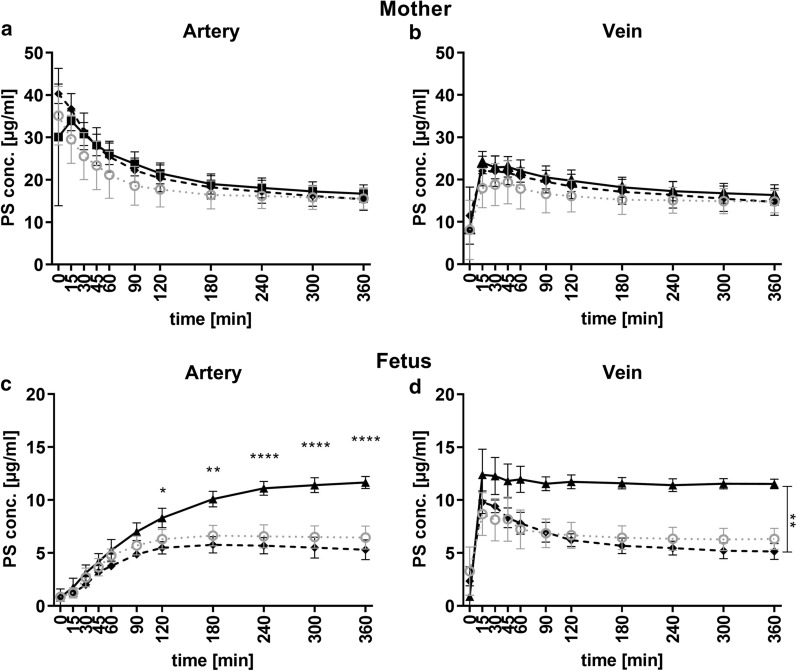
Nanoparticles, which are exposed to biological fluids are rapidly interacting with proteins and other biomolecules forming a corona. In addition to dimension, charge and material the distinct protein corona influences the interplay of nanoparticles with tissue barriers. In this study we were focused on the impact of in situ formed human plasma protein corona on the transfer of 80 nm polystyrene nanoparticles (PS-particles) across the human placenta. To study materno-to fetal PS transfer we used the human ex vivo placental perfusion approach, which represents an intact and physiological tissue barrier. To analyze the protein corona of PS particles we performed shotgun proteomics of isolated nanoparticles before and after tissue exposure.
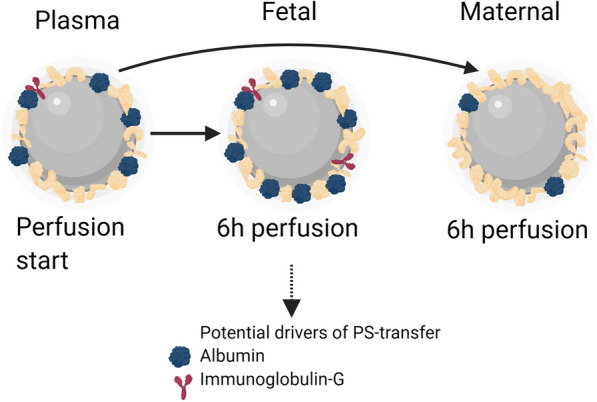
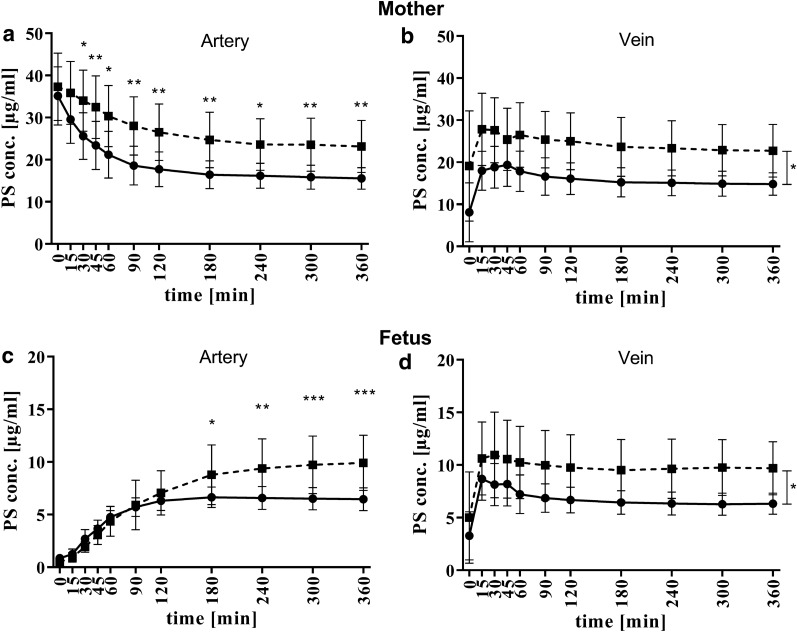
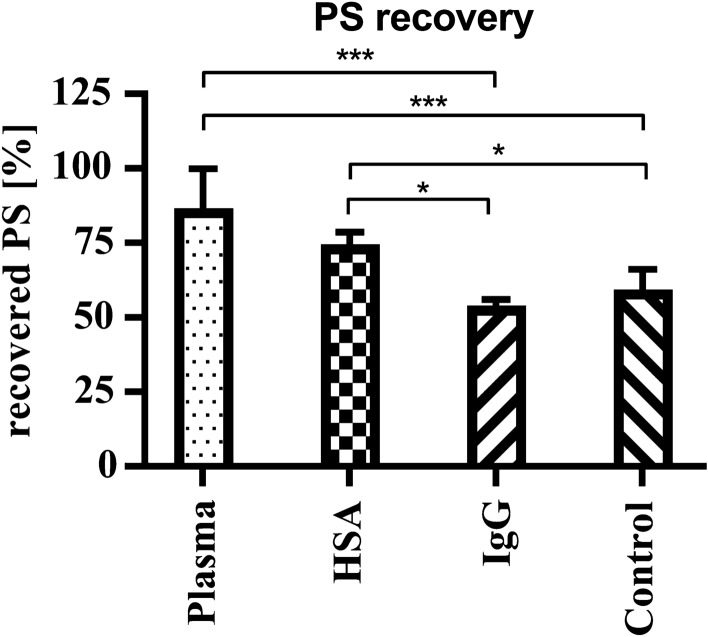
Human plasma incubated with PS-particles of 80 nm and subsequent formed protein corona enhanced the transfer across the human placenta compared to PS-corona formed by bovine serum albumin and dextran which served as a control. Quantitative and qualitative changes of plasma proteins determined the changes in PS transfer across the barrier. Based on the analysis of the PS-proteome two candidate proteins, namely human albumin and immunoglobulin G were tested if these proteins may account for the enhanced PS-transfer across the placenta. Interestingly, the protein corona formed by human albumin significantly induced the transfer of PS-particles across the tissue compared to the formed IgG-corona.
In total we demonstrate the PS corona dynamically and significantly evolves upon crossing the human placenta. Thus, the initial composition of PS particles in the maternal circulation is not predictive for their transfer characteristics and performance once beyond the barrier of the placenta. The precise mechanism of these effects remains to be elucidated but highlights the importance of using well designed biological models when testing nanoparticles for biomedical applications.
纳米粒子暴露于生物体液中时,会迅速与蛋白质和其他生物分子相互作用,形成一个冠层。除了尺寸、电荷和材料外,独特的蛋白质冠层还会影响纳米粒子与组织屏障的相互作用。在这项研究中,我们专注于体内形成的人血浆蛋白冠层对 80nm 聚苯乙烯纳米粒子(PS 粒子)穿越人胎盘的传递的影响。为了研究母体到胎儿 PS 的转移,我们使用了人体胎盘灌注的体外方法,这代表了一个完整和生理的组织屏障。为了分析 PS 粒子的蛋白质冠层,我们对暴露于组织前后分离的纳米粒子进行了鸟枪法蛋白质组学分析。
与牛血清白蛋白和葡聚糖形成的 PS 冠层作为对照相比,与 80nm PS 粒子孵育的人血浆以及随后形成的蛋白质冠层增强了穿越人胎盘的转移。血浆蛋白质的定量和定性变化决定了 PS 穿越屏障的转移变化。基于 PS 蛋白质组的分析,选择了两种候选蛋白,即人白蛋白和免疫球蛋白 G,以测试这些蛋白是否可以解释 PS 穿越胎盘的增强转移。有趣的是,与形成的 IgG 冠层相比,人白蛋白形成的蛋白质冠层显著诱导 PS 粒子穿过组织的转移。
总的来说,我们证明了 PS 冠层在穿越人胎盘时会动态且显著地演变。因此,母体循环中 PS 粒子的初始组成并不能预测它们一旦穿过胎盘屏障后的转移特性和性能。这些影响的确切机制仍有待阐明,但强调了在测试用于生物医学应用的纳米粒子时使用精心设计的生物模型的重要性。