Bulgarella Mariana, Knutie Sarah A, Voss Margaret A, Cunninghame Francesca, Florence-Bennett Brittany J, Robson Gemma, Keyzers Robert A, Taylor Lauren M, Lester Philip J, Heimpel George E, Causton Charlotte E
School of Biological Sciences, Victoria University of Wellington, PO Box 600, Wellington, 6140, New Zealand.
Department of Ecology and Evolutionary Biology, University of Connecticut, 75 N. Eagleville Road, Unit 3043, Storrs, CT, 06269, USA.
Conserv Physiol. 2020 Sep 8;8(1):coaa076. doi: 10.1093/conphys/coaa076. eCollection 2020.
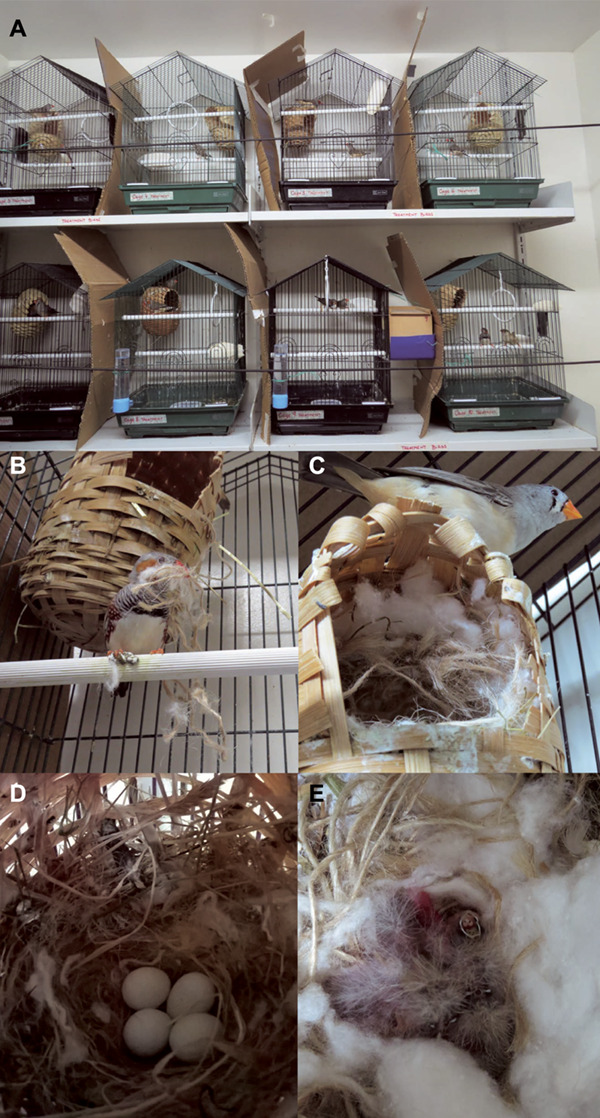
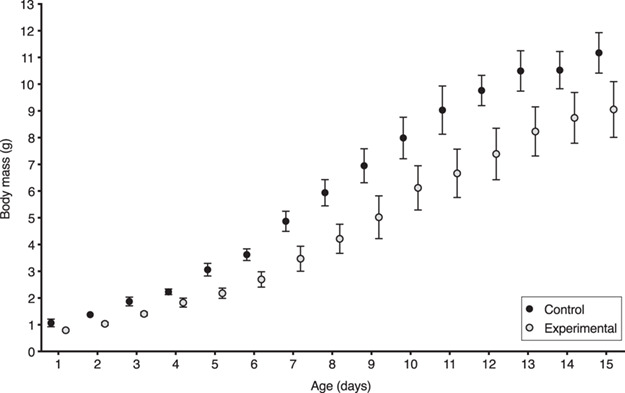
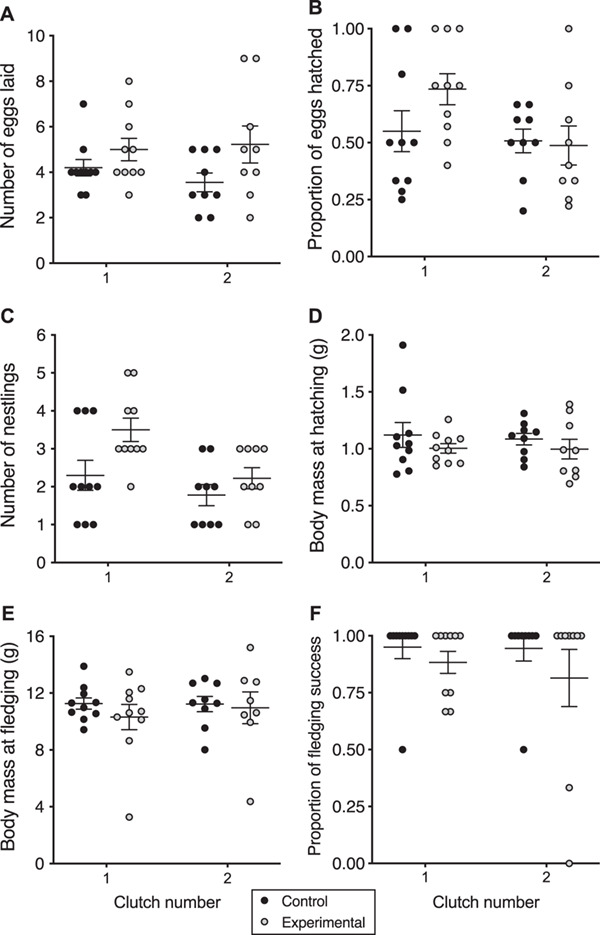
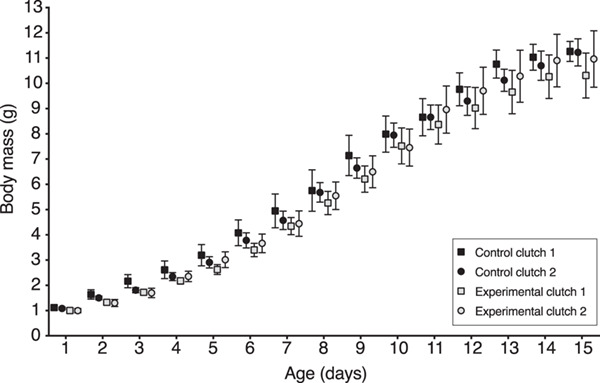
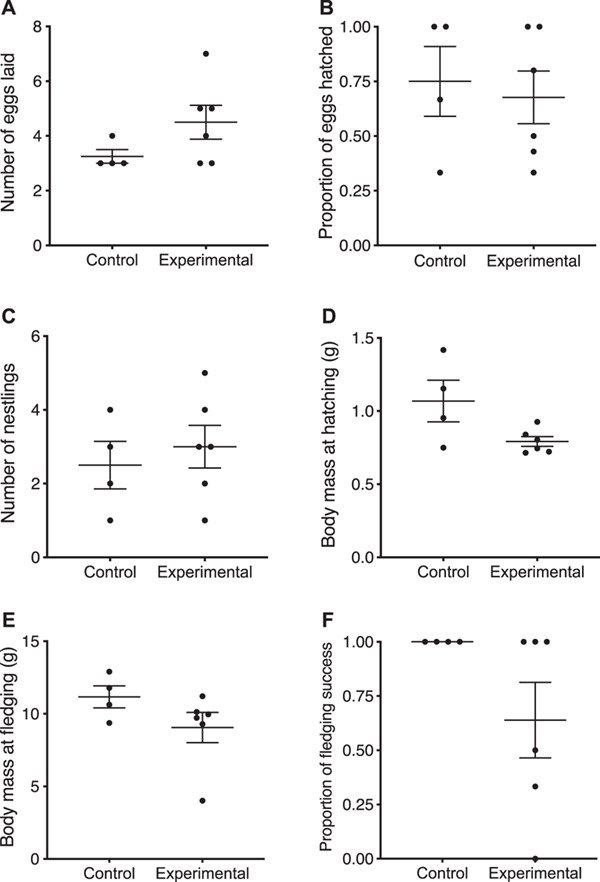
Permethrin is increasingly used for parasite control in bird nests, including nests of threatened passerines. We present the first formal evaluation of the effects of continued permethrin exposure on the reproductive success and liver function of a passerine, the zebra finch (), for two generations. We experimentally treated all nest material with a 1% permethrin solution or a water control and provided the material to breeding finches for nest building. The success of two consecutive clutches produced by the parental generation and one clutch produced by first-generation birds were tracked. Finches in the first generation were able to reproduce and fledge offspring after permethrin exposure, ruling out infertility. Permethrin treatment had no statistically significant effect on the number of eggs laid, number of days from clutch initiation to hatching, egg hatch rate, fledgling mass or nestling sex ratio in either generation. However, treating nest material with permethrin significantly increased the number of hatchlings in the first generation and decreased fledgling success in the second generation. Body mass for hatchlings exposed to permethrin was lower than for control hatchlings in both generations, but only statistically significant for the second generation. For both generations, an interaction between permethrin treatment and age significantly affected nestling growth. Permethrin treatment had no effect on liver function for any generation. Permethrin was detected inside 6 of 21 exposed, non-embryonated eggs (28.5% incidence; range: 693-4781 ng of permethrin per gram of dry egg mass). Overall, results from exposing adults, eggs and nestlings across generations to permethrin-treated nest material suggest negative effects on finch breeding success, but not on liver function. For threatened bird conservation, the judicious application of this insecticide to control parasites in nests can result in lower nestling mortality compared to when no treatment is applied. Thus, permethrin treatment benefits may outweigh its sub-lethal effects.
氯菊酯越来越多地用于控制鸟巢中的寄生虫,包括受威胁的雀形目鸟类的巢穴。我们首次正式评估了连续两代接触氯菊酯对一种雀形目鸟类——斑胸草雀繁殖成功率和肝功能的影响。我们用1%的氯菊酯溶液或水对照对所有巢材进行了实验处理,并将这些材料提供给繁殖的草雀用于筑巢。跟踪了亲代产生的连续两窝以及第一代鸟类产生的一窝的繁殖情况。第一代草雀在接触氯菊酯后能够繁殖并育出后代,排除了不育情况。氯菊酯处理对两代中产卵数量、从开始产卵到孵化的天数、卵孵化率、雏鸟体重或雏鸟性别比例均无统计学上的显著影响。然而,用氯菊酯处理巢材显著增加了第一代的雏鸟数量,并降低了第二代的雏鸟成活率。两代中接触氯菊酯的雏鸟体重均低于对照雏鸟,但仅第二代在统计学上有显著差异。两代中,氯菊酯处理和年龄之间的相互作用对雏鸟生长有显著影响。氯菊酯处理对任何一代的肝功能均无影响。在21枚暴露的未受精卵中有6枚检测到氯菊酯(发生率为28.5%;范围:每克干卵质量中含氯菊酯693 - 4781纳克)。总体而言,跨代将成年鸟、卵和雏鸟暴露于经氯菊酯处理的巢材的结果表明,这对草雀繁殖成功率有负面影响,但对肝功能没有影响。对于受威胁鸟类的保护而言,与不进行处理相比,明智地使用这种杀虫剂来控制巢中的寄生虫可降低雏鸟死亡率。因此,氯菊酯处理的益处可能超过其亚致死效应。