Laboratório de Química Medicinal e Biotecnologia (LAQUIMB), Department of Biochemistry and Pharmacology, Federal University of Piauí, Teresina, PI, Brazil.
Department of Pharmacology, Federal University of Santa Catarina, SC, Brazil.
Int J Med Sci. 2020 Jul 30;17(14):2133-2146. doi: 10.7150/ijms.48053. eCollection 2020.
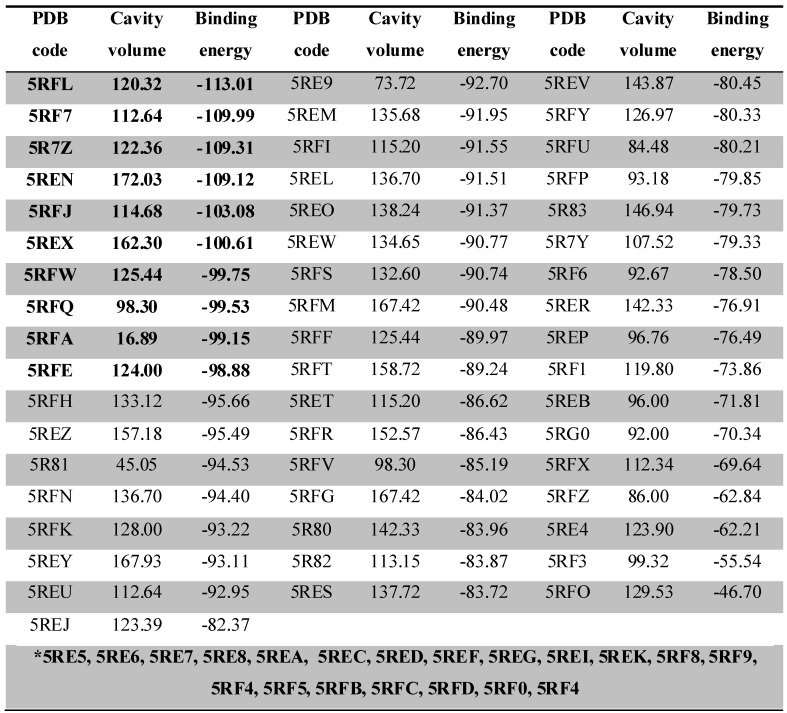
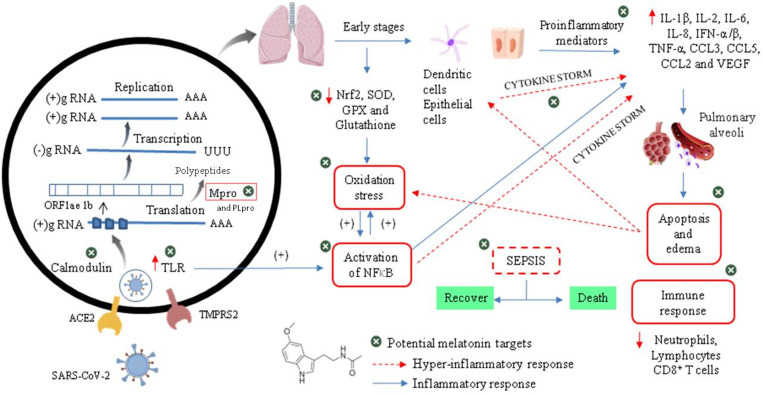
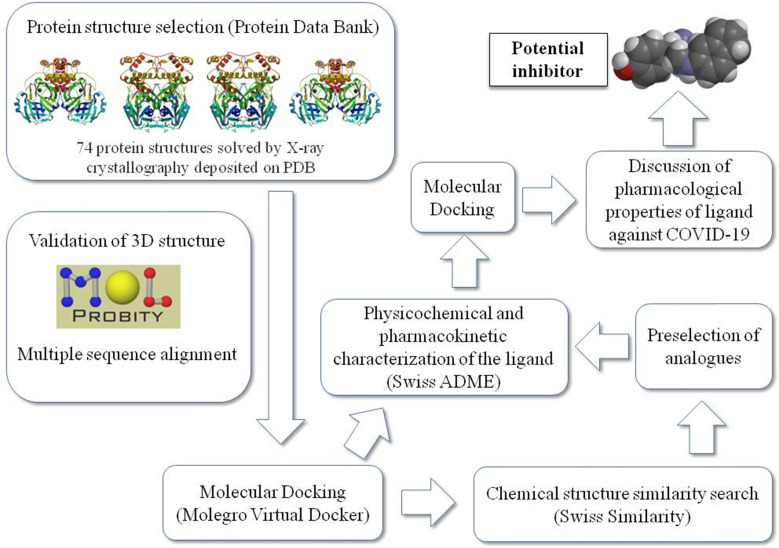
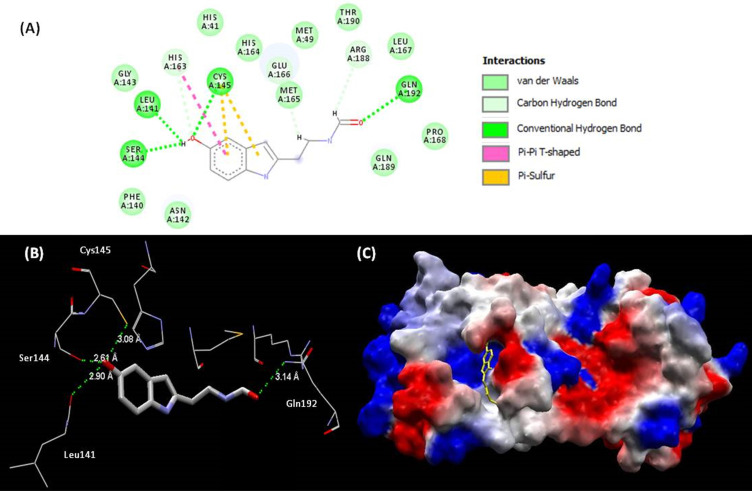
The SARS-CoV-2 spread quickly across the globe. The World Health Organization (WHO) on March 11 declared COVID-19 a pandemic. The mortality rate, hospital disorders and incalculable economic and social damages, besides the unproven efficacy of the treatments evaluated against COVID-19, raised the need for immediate control of this disease. Therefore, the current study employed tools to rationally identify new possible SARS-CoV-2 main protease (Mpro) inhibitors. That is an enzyme conserved among the coronavirus species; hence, the identification of an Mpro inhibitor is to make it a broad-spectrum drug. Molecular docking studies described the binding sites and the interaction energies of 74 Mpro-ligand complexes deposited in the Protein Data Bank (PDB). A structural similarity screening was carried out in order to identify possible Mpro ligands that show additional pharmacological properties against COVID-19. We identified 59 hit compounds and among them, melatonin stood out due to its prominent immunomodulatory and anti-inflammatory activities; it can reduce oxidative stress, defence cell mobility and efficiently combat the cytokine storm and sepsis. In addition, melatonin is an inhibitor of calmodulin, an essential intracellular component to maintain angiotensin-converting enzyme 2 (ACE-2) on the cell surface. Interestingly, one of the most promising hits in our docking study was melatonin. It revealed better interaction energy with Mpro compared to ligands in complexes from PDB. Consequently, melatonin can have response potential in early stages for its possible effects on ACE-2 and Mpro, although it is also promising in more severe stages of the disease for its action against hyper-inflammation. These results definitely do not confirm antiviral activity, but can rather be used as a basis for further preclinical and clinical trials.
SARS-CoV-2 在全球迅速传播。世界卫生组织(WHO)于 2020 年 3 月 11 日宣布 COVID-19 为大流行。COVID-19 的死亡率、医院混乱以及难以估量的经济和社会损失,加上针对 COVID-19 评估的治疗方法的疗效尚未得到证实,这使得立即控制这种疾病成为必要。因此,本研究利用工具,从理性角度鉴定新的 SARS-CoV-2 主要蛋白酶(Mpro)抑制剂。该酶在冠状病毒中是保守的,因此鉴定 Mpro 抑制剂可使其成为广谱药物。分子对接研究描述了在蛋白质数据库(PDB)中储存的 74 个 Mpro-配体复合物的结合位点和相互作用能。为了鉴定可能具有针对 COVID-19 的附加药理学特性的 Mpro 配体,进行了结构相似性筛选。我们鉴定了 59 个命中化合物,其中 melatonin 因其突出的免疫调节和抗炎活性而引人注目;它可以减少氧化应激、防御细胞迁移,并有效地对抗细胞因子风暴和败血症。此外, melatonin 是钙调蛋白的抑制剂,钙调蛋白是维持细胞表面血管紧张素转换酶 2(ACE-2)的必需细胞内成分。有趣的是,我们对接研究中最有前途的命中之一是 melatonin。它与 PDB 中复合物的配体相比,显示出更好的与 Mpro 的相互作用能。因此,melatonin 可能因其对 ACE-2 和 Mpro 的潜在作用而在疾病的早期阶段具有反应潜力,尽管它在疾病的更严重阶段也因其对抗过度炎症的作用而具有潜力。这些结果并不能完全确认抗病毒活性,但可以作为进一步进行临床前和临床试验的基础。