Woolley Julian, Gibbons Tatjana, Patel Kajal, Sacco Roberto
King's College Hospital, King's College NHS Foundation Trust, UK.
John Radcliffe Hospital, Oxford University Hospital Trust, UK.
Heliyon. 2020 Aug 27;6(8):e04789. doi: 10.1016/j.heliyon.2020.e04789. eCollection 2020 Aug.
Coconut oil is a cheap and accessible oil for many people around the world. There are numerous advocates for the practice of oil pulling to prevent common oral diseases. Therefore determining the effectiveness of oil pulling with coconut oil could potentially have monumental benefits. This review aimed to assess the effect of oil pulling with coconut oil in improving oral health and dental hygiene.
We included randomized controlled trials comparing the effect of oil pulling with coconut oil on improving oral health and dental hygiene.No meta-analysis was performed due to the clinical heterogeneity and differences in the reporting of data among the included studies.
Six electronic databases were screened: PubMed, Medline, EMBASE, AMED, CENTRAL and CINAHL.
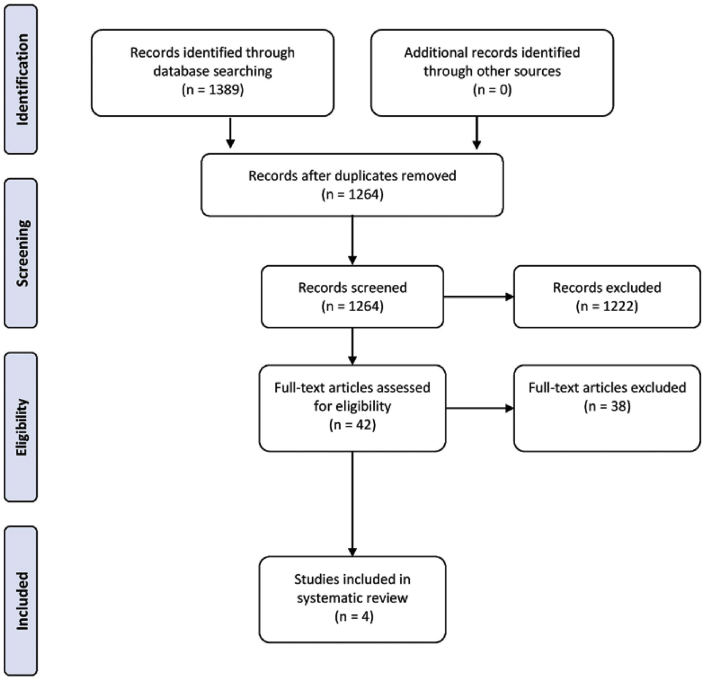
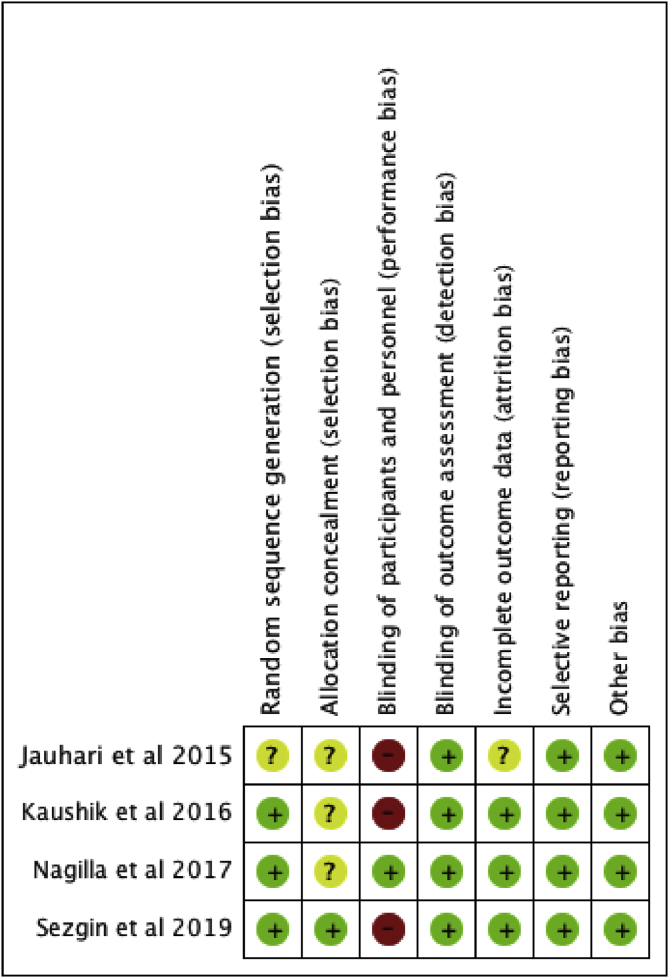
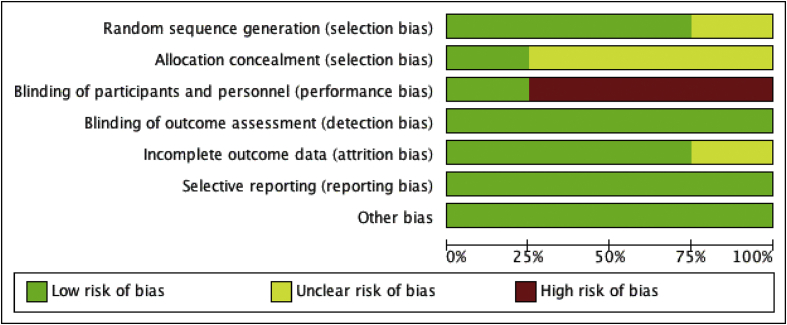
Electronic searches yielded 42 eligible studies, of which four RCTs including 182 participants were included. The studies lasted between 7 and 14 days. Significant differences were demonstrated for a reduction in salivary bacterial colony count ( = 0.03) and plaque index score (=<0.001). One study also demonstrated a significant difference in staining compared to using Chlorhexidine ( = 0.0002). However, data was insufficient for conclusive findings, the quality of studies was mixed and risk of bias was high.
The limited evidence suggests that oil pulling with coconut oil may have a beneficial effect on improving oral health and dental hygiene. Future clinical trials are of merit considering the universal availability of the intervention. Prospective research should have a robust design with rigorous execution to provide a higher quality of evidence.
Oil pulling with coconut oil could be used as a adjunct to normal preventative regimes to improve oral health and dental hygiene although further studies are needed to determine the level of effectiveness.
椰子油对世界上许多人来说是一种廉价且容易获得的油。有许多提倡者主张通过油拔法预防常见口腔疾病。因此,确定用椰子油进行油拔法的效果可能会带来巨大益处。本综述旨在评估用椰子油进行油拔法对改善口腔健康和口腔卫生的效果。
我们纳入了比较用椰子油进行油拔法对改善口腔健康和口腔卫生效果的随机对照试验。由于纳入研究之间存在临床异质性和数据报告差异,未进行荟萃分析。
筛选了六个电子数据库:PubMed、Medline、EMBASE、AMED、CENTRAL和CINAHL。
电子检索产生了42项符合条件的研究,其中包括四项随机对照试验,共182名参与者。研究持续时间为7至14天。在唾液细菌菌落计数降低(=0.03)和菌斑指数评分降低(=<0.001)方面显示出显著差异。一项研究还表明,与使用洗必泰相比,在染色方面存在显著差异(=0.0002)。然而,数据不足以得出确凿结论,研究质量参差不齐,偏倚风险较高。
有限的证据表明,用椰子油进行油拔法可能对改善口腔健康和口腔卫生有有益效果。考虑到该干预措施普遍可用,未来的临床试验是有价值的。前瞻性研究应采用稳健的设计并严格执行,以提供更高质量的证据。
用椰子油进行油拔法可作为常规预防措施的辅助手段,以改善口腔健康和口腔卫生,尽管需要进一步研究来确定其有效性水平。