Department of Biology, Università degli Studi di Napoli "Federico II", Napoli, Italy.
Department of Environmental Biological and Pharmaceutical Sciences and Technologies (DiSTABiF), Università degli Studi della Campania "Luigi Vanvitelli", Caserta, Italy.
Clin Epigenetics. 2020 Sep 14;12(1):139. doi: 10.1186/s13148-020-00925-2.
PADI6 is a component of the subcortical maternal complex, a group of proteins that is abundantly expressed in the oocyte cytoplasm, but is required for the correct development of early embryo. Maternal-effect variants of the subcortical maternal complex proteins are associated with heterogeneous diseases, including female infertility, hydatidiform mole, and imprinting disorders with multi-locus imprinting disturbance. While the involvement of PADI6 in infertility is well demonstrated, its role in imprinting disorders is less well established.
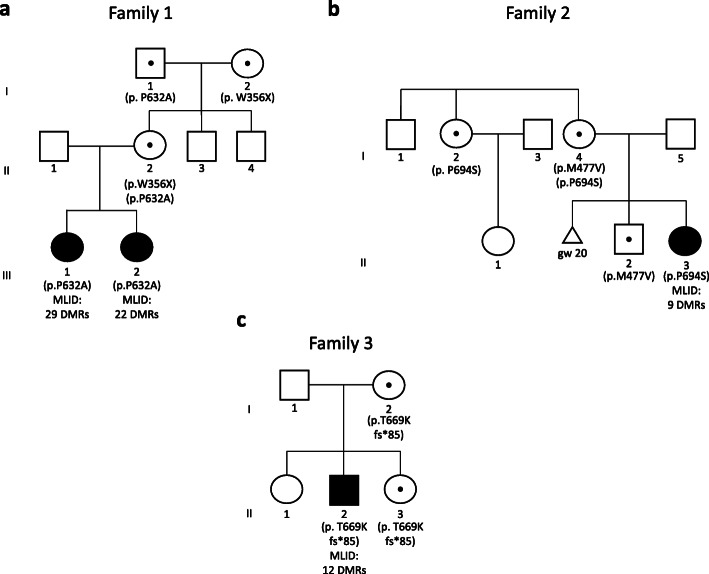
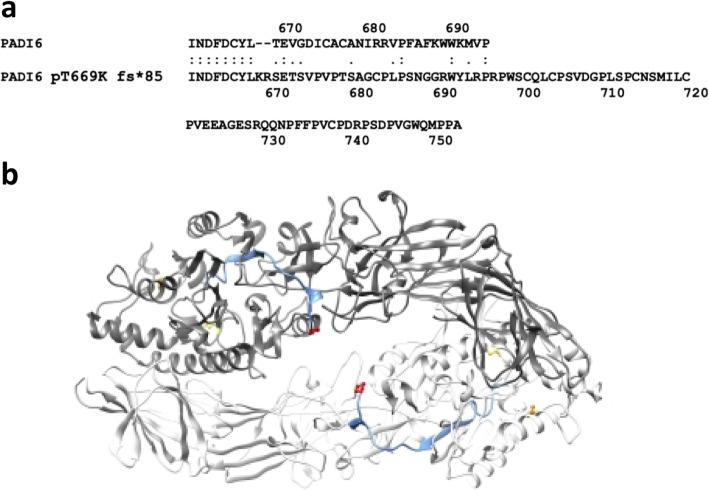
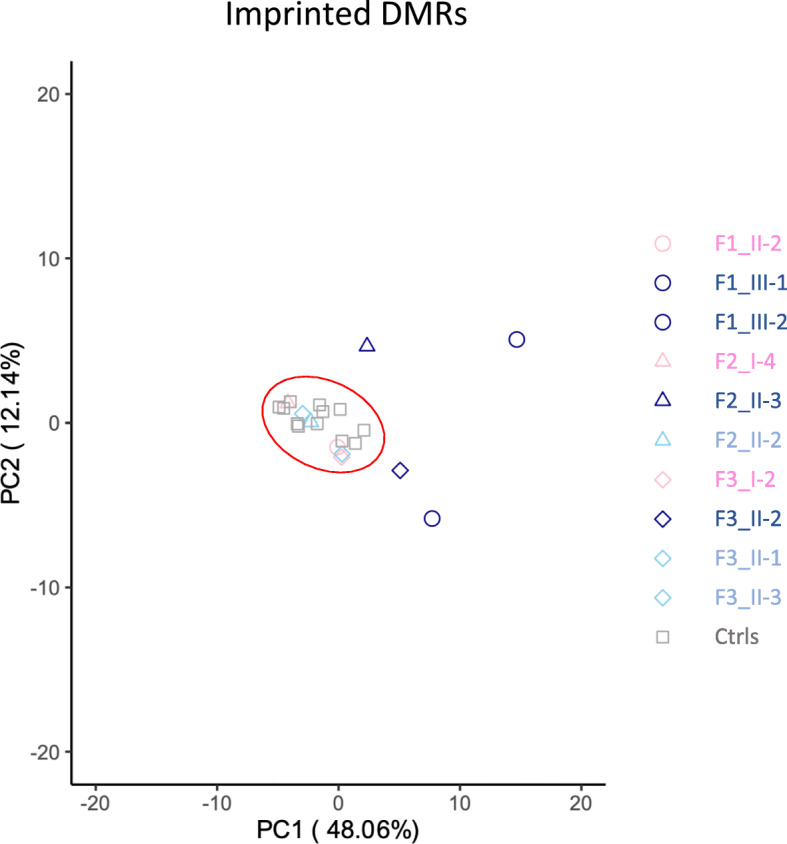
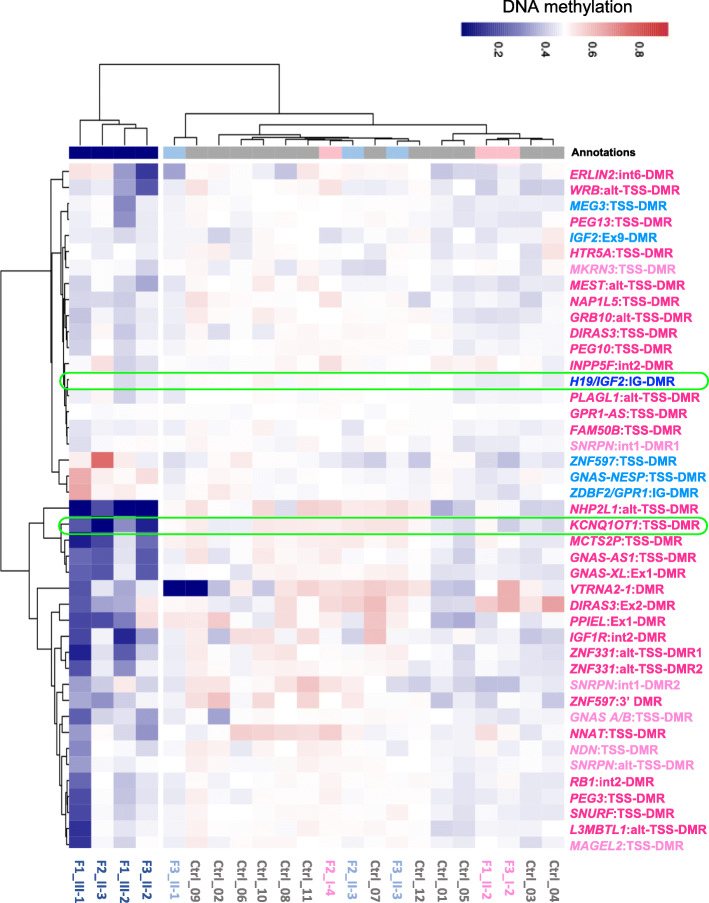
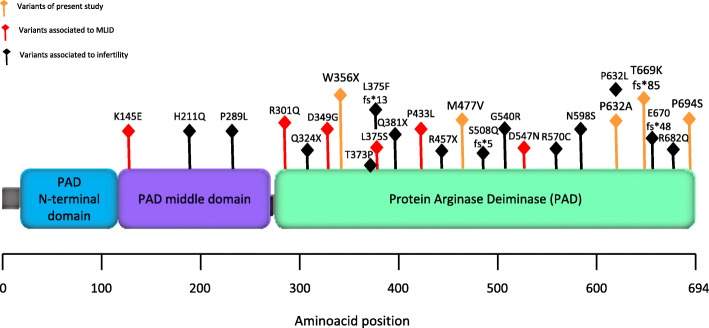
We have identified by whole-exome sequencing analysis four cases of Beckwith-Wiedemann syndrome with multi-locus imprinting disturbance whose mothers are carriers of PADI6 variants. In silico analysis indicates that these variants result in loss of function, and segregation analysis suggests they act as either recessive or dominant-negative maternal-effect mutations. Genome-wide methylation analysis revealed heterogeneous and extensively altered methylation profiles of imprinted loci in the patients, including two affected sisters, but not in their healthy siblings.
Our results firmly establish the role of PADI6 in imprinting disorders. We report loss-of-function maternal-effect variants of PADI6 that are associated with heterogeneous multi-locus imprinting disturbances in the progeny. The rare finding of two siblings affected by Beckwith-Wiedemann syndrome suggests that in some cases, familial recurrence risk of these variants may be high. However, the heterogeneous phenotypes of the other pedigrees suggest that altered oocyte PADI6 function results in stochastic maintenance of methylation imprinting with unpredictable consequences on early embryo health.
PADI6 是皮质下母性复合物的一个组成部分,该复合物是一组在卵细胞质中大量表达的蛋白质,但对于早期胚胎的正确发育是必需的。皮质下母性复合物蛋白的母体效应变体与多种疾病有关,包括女性不孕、葡萄胎和多基因印迹障碍。虽然 PADI6 与不孕的关系已得到充分证明,但它在印迹障碍中的作用尚未得到充分证实。
我们通过全外显子组测序分析发现了四个具有多基因印迹障碍的 Beckwith-Wiedemann 综合征病例,其母亲是 PADI6 变异的携带者。计算机分析表明这些变体导致功能丧失,并且分离分析表明它们作为隐性或显性负性母体效应突变起作用。全基因组甲基化分析显示患者,包括两个受影响的姐妹,但不是他们健康的兄弟姐妹,印迹基因座的甲基化图谱存在异质性和广泛改变。
我们的结果确凿地确立了 PADI6 在印迹障碍中的作用。我们报告了 PADI6 的失活功能母体效应变体,这些变体与后代中异质性的多基因印迹障碍有关。两个受 Beckwith-Wiedemann 综合征影响的姐妹的罕见发现表明,在某些情况下,这些变体的家族复发风险可能很高。然而,其他家系的异质表型表明,卵母细胞 PADI6 功能的改变导致甲基化印迹的随机维持,对早期胚胎健康产生不可预测的后果。