Zeng Zhiwei, Huang Shi-Ying, Sun Tao
Center for Precision Medicine, School of Medicine and School of Biomedical Sciences, Huaqiao University, Xiamen, 361021, China.
College of Food and Biological Engineering, Jimei University, Xiamen, 361021, China.
Diabetes Ther. 2020 Nov;11(11):2521-2538. doi: 10.1007/s13300-020-00922-x. Epub 2020 Sep 15.
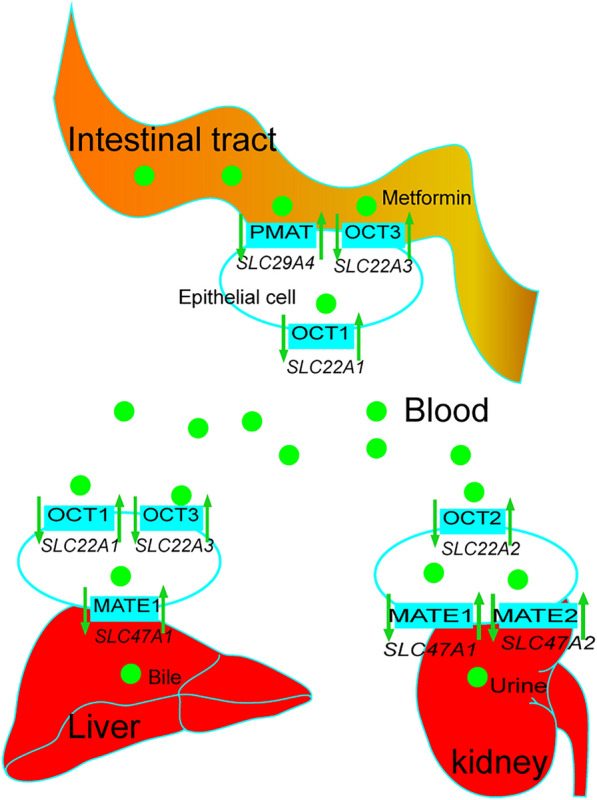
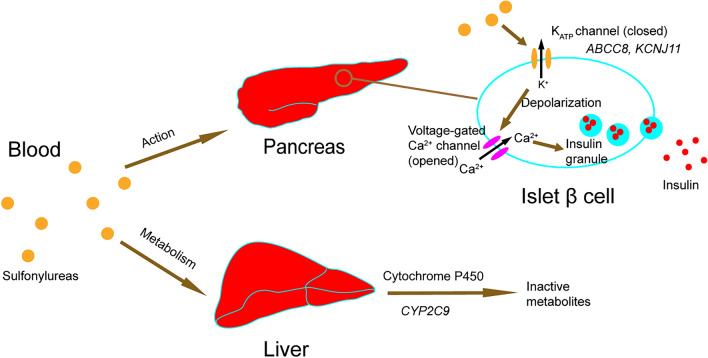
Diabetes is a major threat to people's health and has become a burden worldwide. Current drugs for diabetes have limitations, such as different drug responses among individuals, failure to achieve glycemic control, and adverse effects. Exploring more effective therapeutic strategies for patients with diabetes is crucial. Currently pharmacogenomics has provided potential for individualized drug therapy based on genetic and genomic information of patients, and has made precision medicine possible. Responses and adverse effects to antidiabetic drugs are significantly associated with gene polymorphisms in patients. Many new targets for diabetes also have been discovered and developed, and even entered clinical trial phases. This review summarizes pharmacogenomic evidence of some current antidiabetic agents applied in clinical settings, and highlights potential drugs with new targets for diabetes, which represent a more effective treatment in the future.
糖尿病是对人类健康的重大威胁,已成为全球负担。目前的糖尿病药物存在局限性,如个体间药物反应不同、无法实现血糖控制以及不良反应。探索更有效的糖尿病患者治疗策略至关重要。目前,药物基因组学已基于患者的遗传和基因组信息为个体化药物治疗提供了可能,并使精准医学成为现实。患者对抗糖尿病药物的反应和不良反应与基因多态性显著相关。许多糖尿病新靶点也已被发现和开发,甚至进入了临床试验阶段。本综述总结了一些目前应用于临床的抗糖尿病药物的药物基因组学证据,并强调了具有糖尿病新靶点的潜在药物,这些药物代表了未来更有效的治疗方法。