Mohan Babu M, Syam Prasad P, Venkateswara Rao P, Hima Bindu S, Prasad A, Veeraiah N, Özcan Mutlu
Department of Physics, National Institute of Technology Warangal, Warangal 506004, India.
Department of Physics, The University of the West Indies, Mona Campus, Kignston 7, Jamaica.
Materials (Basel). 2020 Sep 12;13(18):4058. doi: 10.3390/ma13184058.
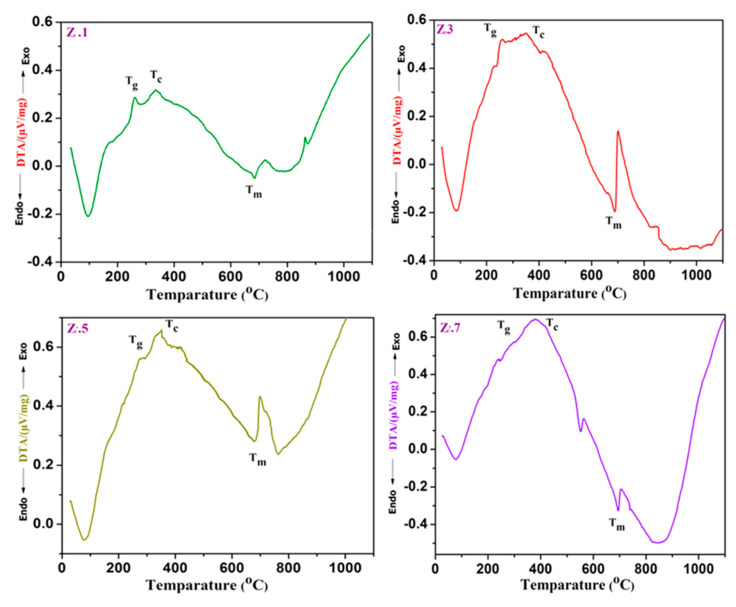
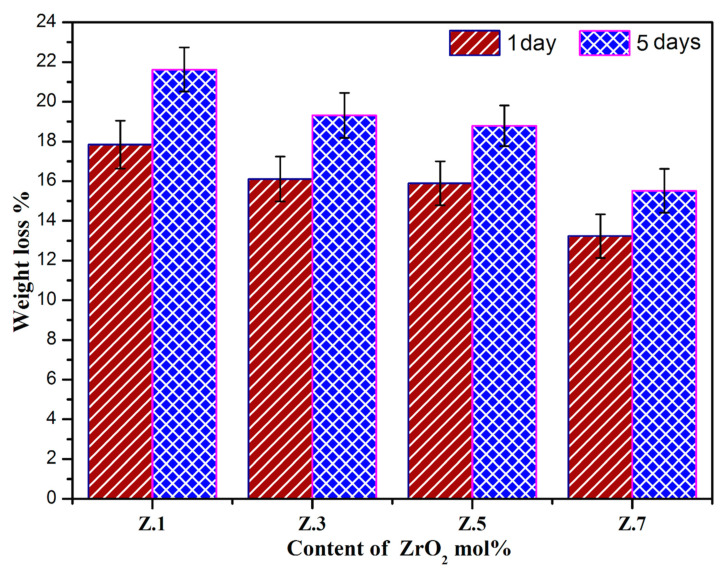
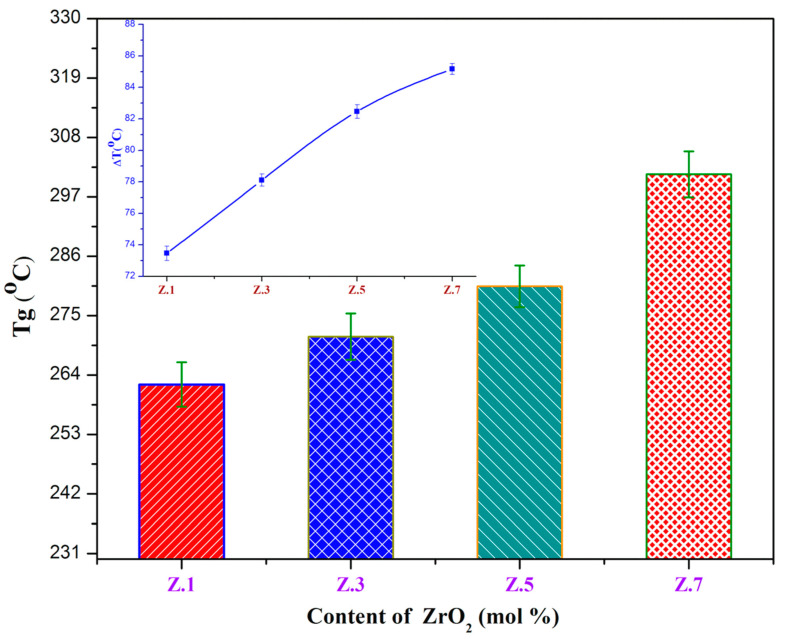
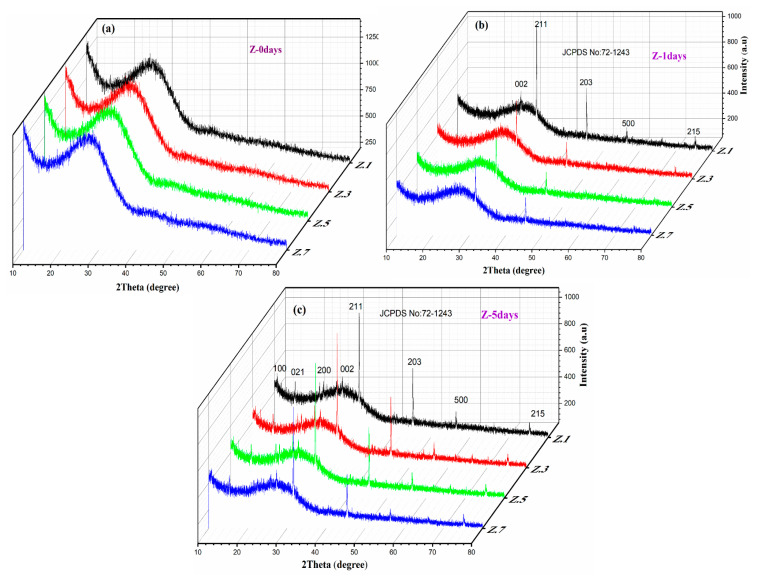
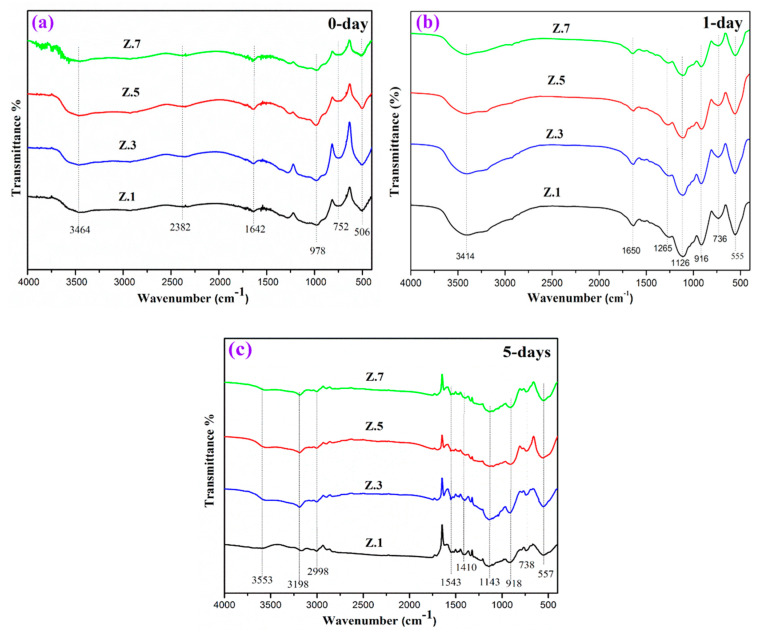
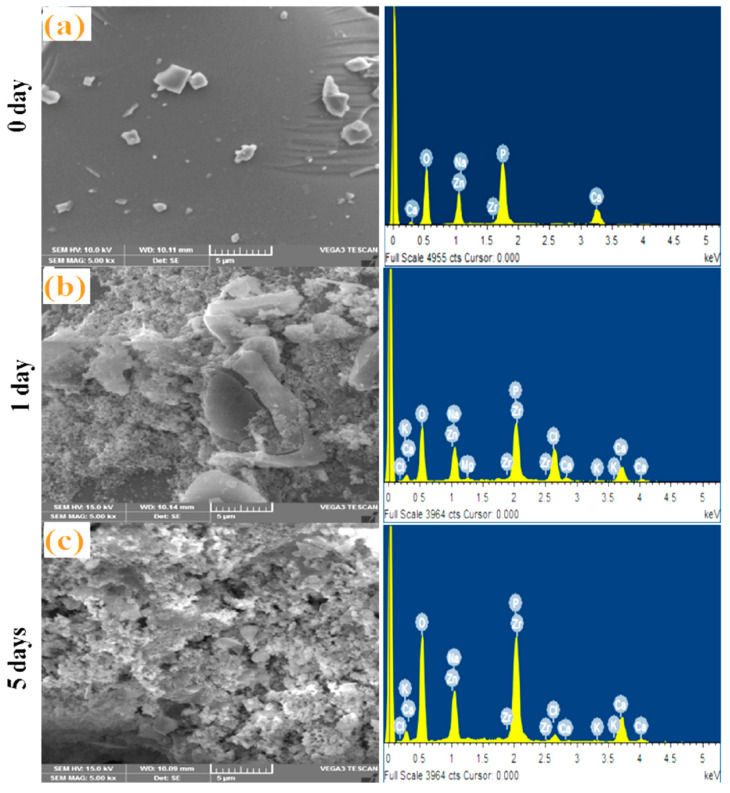
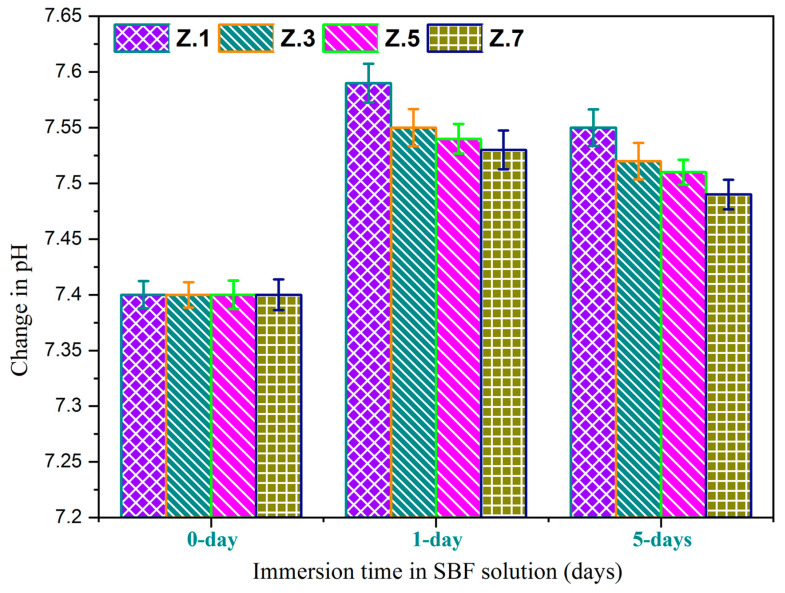
Zirconium doped calcium phosphate-based bioglasses are the most prominent bioactive materials for bone and dental repair and regeneration implants. In the present study, a 8ZnO-22NaO-(24 - x)CaO-46PO-xZrO (0.1 ≤ x ≤ 0.7, all are in mol%) bioglass system was synthesized by the conventional melt-quenching process at 1100 °C. The glass-forming ability and thermal stability of the glasses were determined by measuring the glass transition temperature (), crystallization temperature (), and melting temperature (), using differential thermal analysis (DTA). The biological activity of the prepared samples was identified by analyzing X-ray diffraction (XRD), Fourier transform infrared spectroscopy (FTIR) and scanning electron microscopy-energy dispersive spectra (SEM-EDS), before and after immersion in simulated body fluid (SBF) for various intervals of 0, 1 and 5 days, along with the magnitude of pH and the degradation of glasses also evaluated. The obtained results revealed that the glass-forming ability and thermal stability of glasses increased with the increase in zirconia mol%. The XRD, FTIR, and SEM-EDS data confirmed a thin hydroxyapatite (HAp) layer over the sample surface after incubation in SBF for 1 and 5 days. Furthermore, the development of layer found to be increased with the increase of incubation time. The degradation of the glasses in SBF increased with incubation time and decreased gradually with the increase content of ZrO mol% in the host glass matrix. A sudden rise in initial pH values of residual SBF for 1 day owing to ion leaching and increase of Ca and PO ions and then decreased. These findings confirmed the suitability of choosing material for bone-related applications.
锆掺杂的磷酸钙基生物玻璃是用于骨和牙齿修复及再生植入物的最突出的生物活性材料。在本研究中,通过传统的熔体淬火工艺在1100℃合成了8ZnO-22NaO-(24 - x)CaO-46PO-xZrO(0.1≤x≤0.7,均为摩尔百分比)生物玻璃体系。使用差示热分析(DTA)通过测量玻璃化转变温度()、结晶温度()和熔化温度()来确定玻璃的玻璃形成能力和热稳定性。在将制备的样品浸入模拟体液(SBF)中0、1和5天的不同时间间隔前后,通过分析X射线衍射(XRD)、傅里叶变换红外光谱(FTIR)和扫描电子显微镜-能量色散谱(SEM-EDS)来鉴定其生物活性,同时还评估了pH值的大小和玻璃的降解情况。获得的结果表明,玻璃的玻璃形成能力和热稳定性随着氧化锆摩尔百分比的增加而增加。XRD、FTIR和SEM-EDS数据证实,在SBF中孵育1天和5天后,样品表面形成了一层薄的羟基磷灰石(HAp)层。此外,发现随着孵育时间的增加,该层的生长也增加。玻璃在SBF中的降解随着孵育时间的增加而增加,并随着主体玻璃基质中ZrO摩尔百分比的增加而逐渐降低。由于离子浸出以及Ca和PO离子的增加,残余SBF的初始pH值在1天突然升高,然后下降。这些发现证实了选择该材料用于骨相关应用的适用性。