Gerbino Walter
Department of Life Sciences, Psychology Unit Gaetano Kanizsa, University of Trieste, Italy.
Iperception. 2020 Aug 30;11(4):2041669520937323. doi: 10.1177/2041669520937323. eCollection 2020 Jul-Aug.
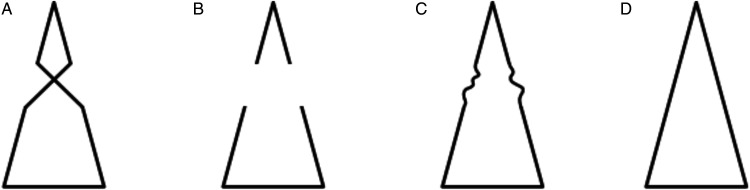
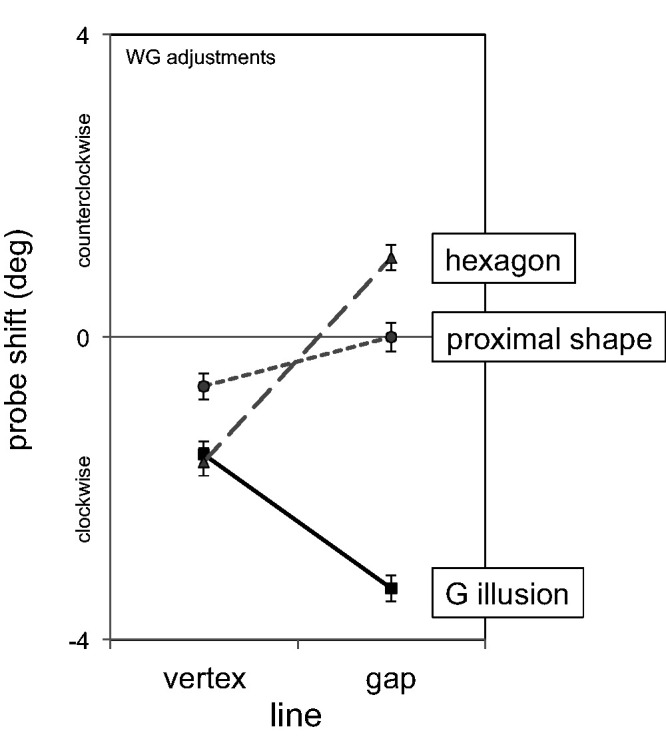
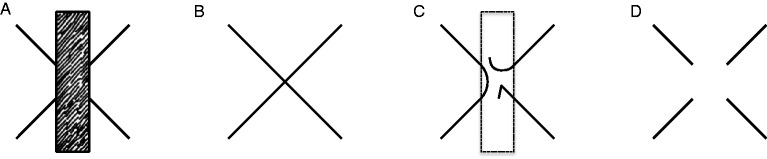
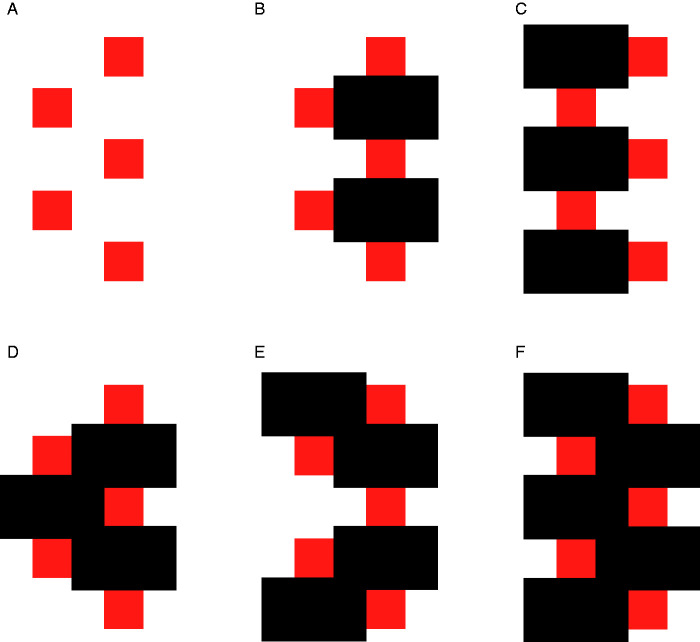
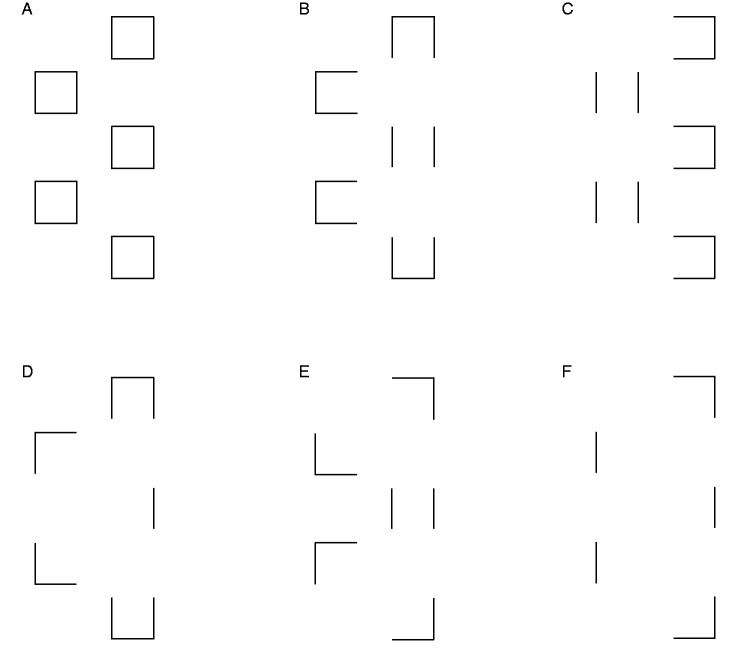
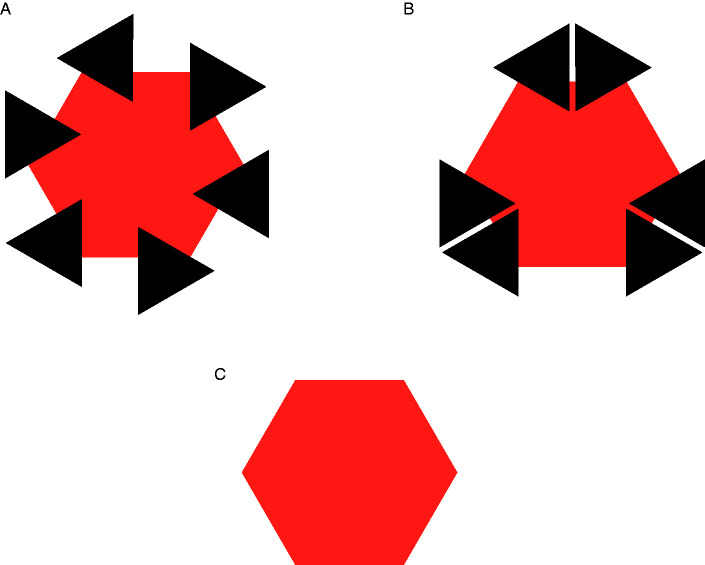
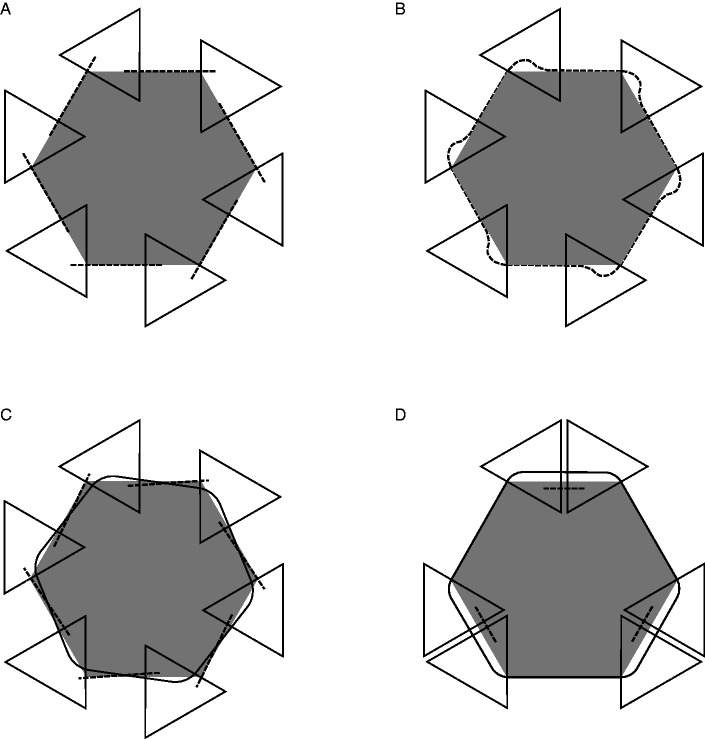
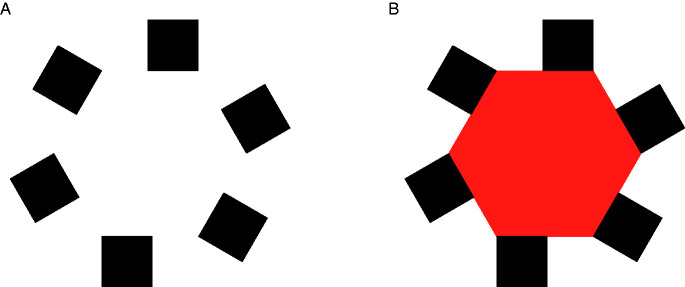
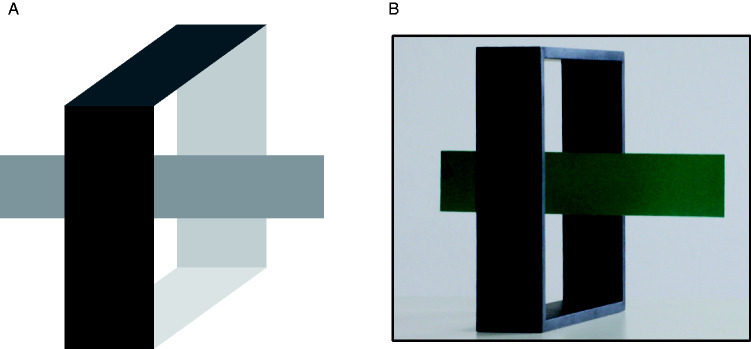
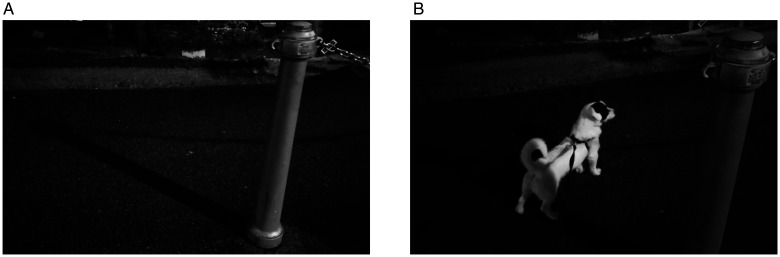
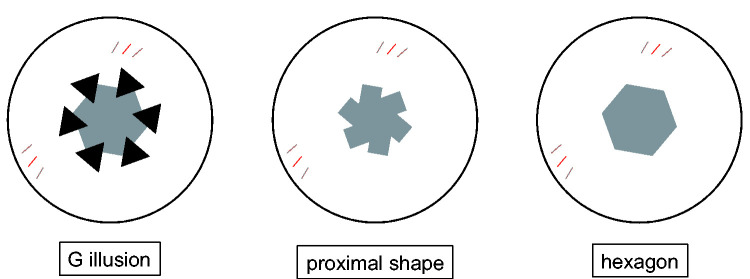
Amodal completion (AC) is analyzed, by looking at its historical roots and persisting conceptual difficulties. Looking at the origin of the concept, it becomes clear that it is not equivalent to perception of occluded parts. The role of fragment incompleteness is discussed, to clarify that it cannot be taken as a necessary factor for eliciting AC. The standard view of AC, depicted as a set of processes that extrapolate from veridically represented image fragments, is evaluated and rejected on the basis of evidence that AC modifies also modal parts. The theoretical importance of AC phenomena and their potential to reveal the inner forces of perceptual organization are emphasized, with specific reference to the minimum principle. Instances in which AC might be expected but does not occur are examined, to define the limits of such an integrative process.
通过审视无模态完成(AC)的历史根源和持续存在的概念难题来对其进行分析。考察该概念的起源会发现,它并不等同于对被遮挡部分的感知。讨论了片段不完整性的作用,以阐明它不能被视为引发AC的必要因素。基于AC也会改变模态部分这一证据,对将AC描述为从如实呈现的图像片段进行外推的一组过程的标准观点进行了评估并予以否定。强调了AC现象的理论重要性及其揭示知觉组织内在力量的潜力,并特别提及了最小原则。研究了预期会出现AC但却未出现的情况,以界定这种整合过程的限度。