Department of Chemistry & Biochemistry, University of Oklahoma, 101 Stephenson Parkway, Norman, OK, 73019-5251, USA.
Amity Institute of Neuropsychology & Neurosciences (AINN), Amity University, Noida, UP, 201303, India.
J Mol Med (Berl). 2020 Dec;98(12):1659-1673. doi: 10.1007/s00109-020-01980-1. Epub 2020 Sep 23.
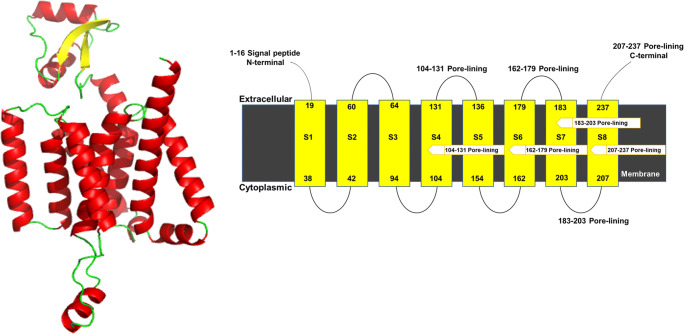
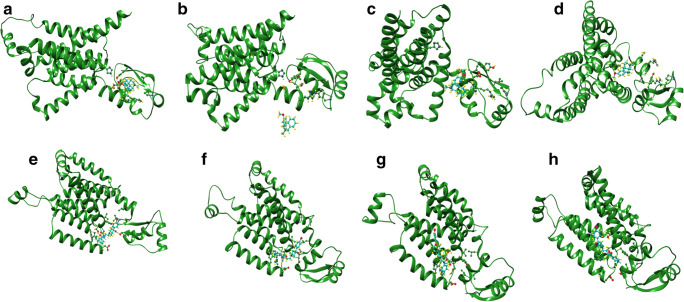
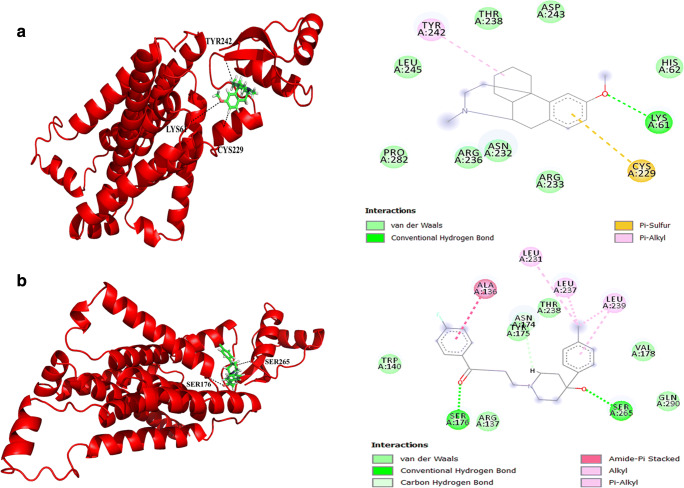
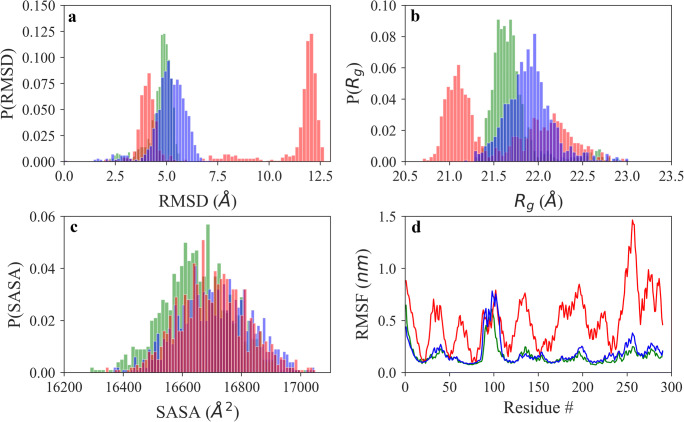
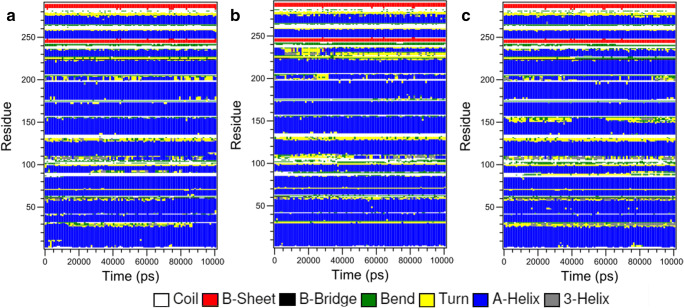
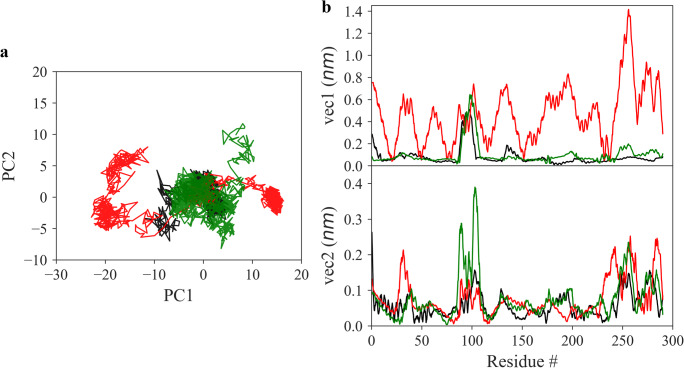
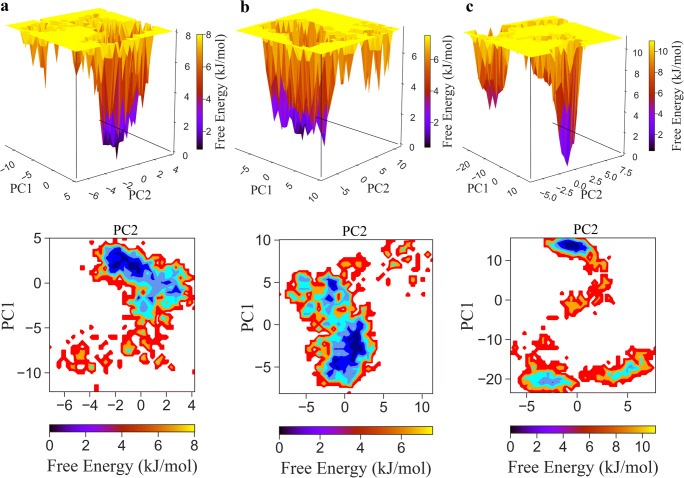
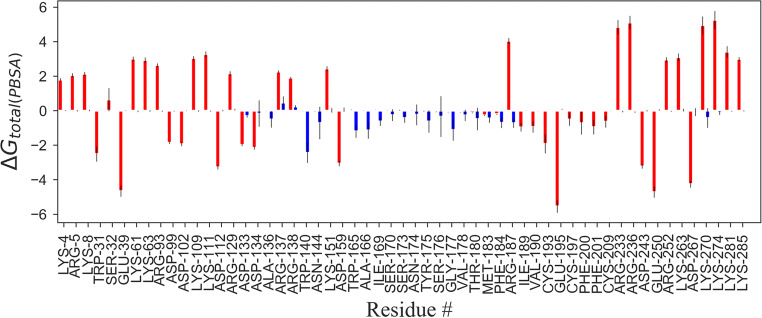
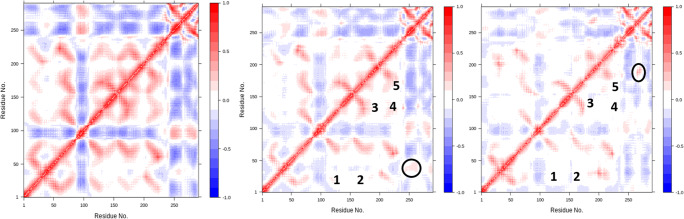
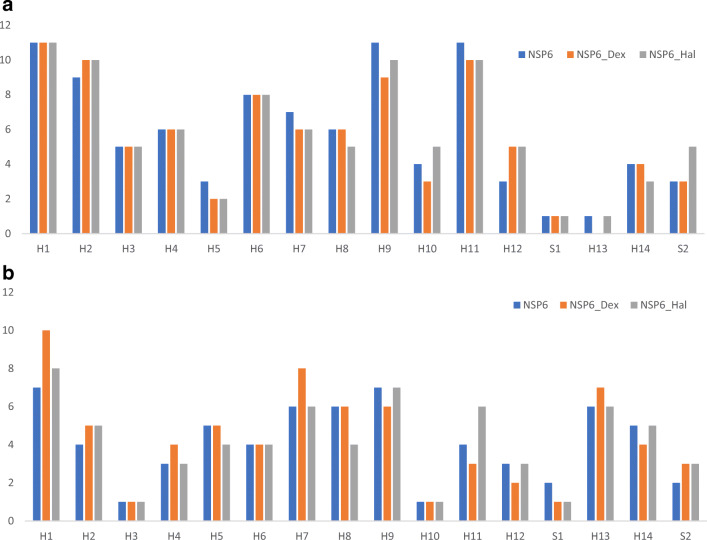
The outbreak of novel coronavirus disease 2019 (COVID-19) caused by severe acute respiratory syndrome coronavirus-2 (SARS-CoV-2) virus continually led to infect a large population worldwide. SARS-CoV-2 utilizes its NSP6 and Orf9c proteins to interact with sigma receptors that are implicated in lipid remodeling and ER stress response, to infect cells. The drugs targeting the sigma receptors, sigma-1 and sigma-2, have emerged as effective candidates to reduce viral infectivity, and some of them are in clinical trials against COVID-19. The antipsychotic drug, haloperidol, exerts remarkable antiviral activity, but, at the same time, the sigma-1 benzomorphan agonist, dextromethorphan, showed pro-viral activity. To explore the potential mechanisms of biased binding and activity of the two drugs, haloperidol and dextromethorphan towards NSP6, we herein utilized molecular docking-based molecular dynamics simulation studies. Our extensive analysis of the protein-drug interactions, structural and conformational dynamics, residual frustrations, and molecular switches of NSP6-drug complexes indicates that dextromethorphan binding leads to structural destabilization and increase in conformational dynamics and energetic frustrations. On the other hand, the strong binding of haloperidol leads to minimal structural and dynamical perturbations to NSP6. Thus, the structural insights of stronger binding affinity and favorable molecular interactions of haloperidol towards viral NSP6 suggests that haloperidol can be potentially explored as a candidate drug against COVID-19. KEY MESSAGES: •Inhibitors of sigma receptors are considered as potent drugs against COVID-19. •Antipsychotic drug, haloperidol, binds strongly to NSP6 and induces the minimal changes in structure and dynamics of NSP6. •Dextromethorphan, agonist of sigma receptors, binding leads to overall destabilization of NSP6. •These two drugs bind with NSP6 differently and also induce differences in the structural and conformational changes that explain their different mechanisms of action. •Haloperidol can be explored as a candidate drug against COVID-19.
新型冠状病毒病 2019(COVID-19)的爆发是由严重急性呼吸系统综合症冠状病毒-2(SARS-CoV-2)病毒引起的,它继续导致全球大量人口感染。SARS-CoV-2 利用其 NSP6 和 Orf9c 蛋白与涉及脂重塑和内质网应激反应的 sigma 受体相互作用,从而感染细胞。针对 sigma 受体(sigma-1 和 sigma-2)的药物已成为降低病毒感染力的有效候选药物,其中一些药物正在针对 COVID-19 的临床试验中。抗精神病药氟哌啶醇表现出显著的抗病毒活性,但同时,sigma-1 苯并吗啡烷激动剂右美沙芬表现出促病毒活性。为了探索这两种药物(氟哌啶醇和右美沙芬)对 NSP6 的偏向结合和活性的潜在机制,我们在此利用基于分子对接的分子动力学模拟研究。我们对 NSP6-药物复合物的蛋白-药物相互作用、结构和构象动力学、残余挫折和分子开关进行了广泛的分析,结果表明,右美沙芬的结合导致结构不稳定,并增加了构象动力学和能量挫折。另一方面,氟哌啶醇的强结合导致 NSP6 的结构和动力学变化最小。因此,氟哌啶醇对病毒 NSP6 具有更强的结合亲和力和有利的分子相互作用的结构见解表明,氟哌啶醇可能被探索为 COVID-19 的候选药物。
sigma 受体抑制剂被认为是对抗 COVID-19 的有效药物。
抗精神病药氟哌啶醇与 NSP6 结合牢固,并使 NSP6 的结构和动力学发生最小变化。
sigma 受体激动剂右美沙芬的结合导致 NSP6 的整体失稳。
这两种药物与 NSP6 的结合方式不同,也导致结构和构象变化不同,解释了它们不同的作用机制。
氟哌啶醇可以被探索为 COVID-19 的候选药物。