González-Ayón Mirian A, Licea-Claverie Angel, Sañudo-Barajas J Adriana
Centro de Graduados e Investigación en Química, Tecnológico Nacional de México/Instituto Tecnológico de Tijuana, Apartado Postal 1166, Tijuana 22454, Mexico.
Centro de Investigación en Alimentación y Desarrollo, A. C. Carretera a El dorado Km 5.5, Culiacán 80110, Mexico.
Polymers (Basel). 2020 Sep 21;12(9):2150. doi: 10.3390/polym12092150.
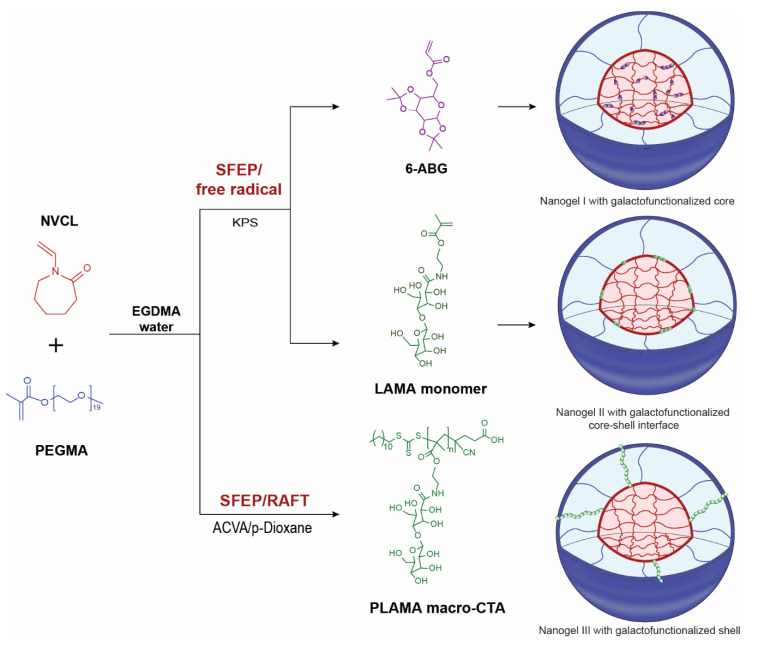
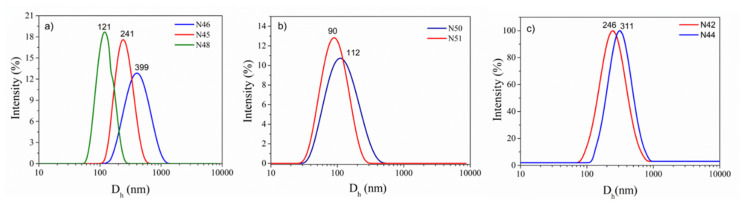
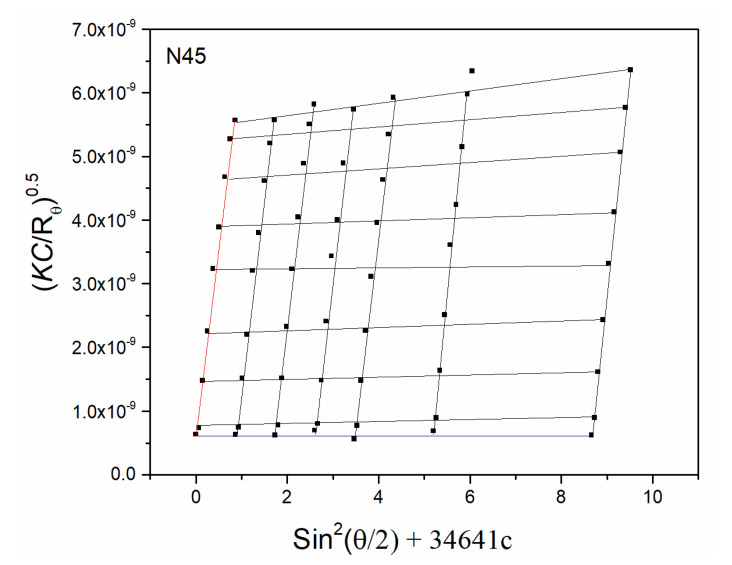
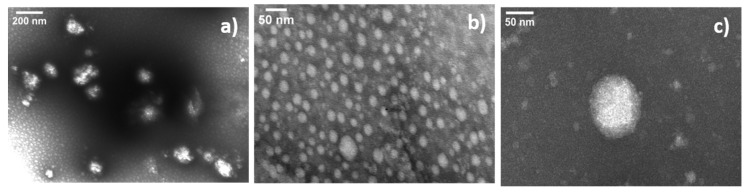
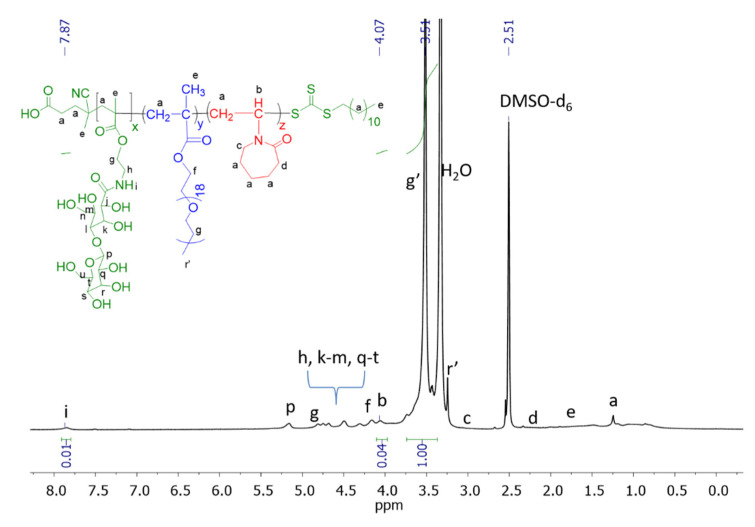
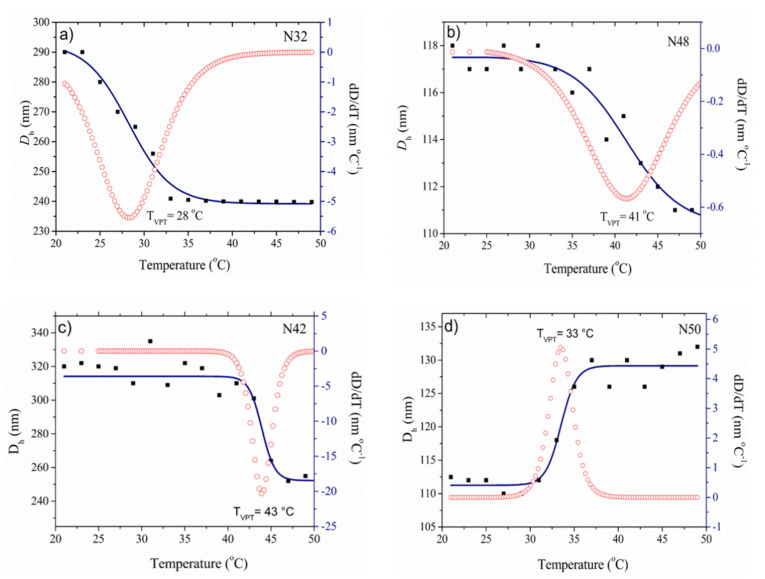
Different synthetic strategies were tested for the incorporation of galactose molecules on thermoresponsive nanogels owing to their affinity for receptors expressed in cancer cells. Three families of galactose-functionalized poly(-vinylcaprolactam) nanogels were prepared with the aim to control the introduction of galactose-moieties into the core, the core-shell interface and the shell. First and second of the above mentioned, were prepared via surfactant free emulsion polymerization (SFEP) by a free-radical mechanism and the third one, via SFEP/reversible addition-fragmentation chain transfer (RAFT) polymerization. Synthetic recipes for the SFEP/free radical method included besides -vinylcaprolactam (NVCL), a shell forming poly(ethylene glycol) methyl ether methacrylate (PEGMA), while the galactose (GAL) moiety was introduced via 6-O-acryloyl-1,2,:3,4-bis-O-(1-methyl-ethylidene)-α--galactopiranose (6-ABG, protected GAL-monomer): nanogels I, or 2-lactobionamidoethyl methacrylate (LAMA, GAL-monomer): nanogels II. For the SFEP/RAFT methodology poly(2-lactobionamidoethyl methacrylate) as GAL macro-chain transfer agent (PLAMA macro-CTA) was first prepared and on a following stage, the macro-CTA was copolymerized with PEGMA and NVCL, nanogels III. The crosslinker ethylene glycol dimethacrylate (EGDMA) was added in both methodologies for the polymer network construction. Nanogel's sizes obtained resulted between 90 and 370 nm. With higher content of PLAMA macro-CTA or GAL monomer in nanogels, a higher the phase-transition temperature (T) was observed with values ranging from 28 to 46 °C. The ρ-parameter, calculated by the ratio of gyration and hydrodynamic radii from static (SLS) and dynamic (DLS) light scattering measurements, and transmission electron microscopy (TEM) micrographs suggest that core-shell nanogels of flexible chains were obtained; in either spherical (nanogels II and III) or hyperbranched (nanogels I) form.
由于半乳糖分子对癌细胞中表达的受体具有亲和力,因此测试了不同的合成策略,以将其引入到热响应纳米凝胶中。制备了三类半乳糖功能化的聚(乙烯基己内酰胺)纳米凝胶,目的是控制半乳糖部分引入到核、核壳界面和壳中。上述第一类和第二类是通过无表面活性剂乳液聚合(SFEP),以自由基机理制备的,第三类是通过SFEP/可逆加成-断裂链转移(RAFT)聚合制备的。SFEP/自由基法的合成配方除了乙烯基己内酰胺(NVCL)外,还包括一种形成壳的聚(乙二醇)甲基丙烯酸甲酯(PEGMA),而半乳糖(GAL)部分是通过6-O-丙烯酰基-1,2,:3,4-双-O-(1-甲基-亚乙基)-α-半乳糖吡喃糖(6-ABG,保护的GAL单体)引入的:纳米凝胶I,或甲基丙烯酸2-乳糖胺基乙酯(LAMA,GAL单体):纳米凝胶II。对于SFEP/RAFT方法,首先制备聚(甲基丙烯酸2-乳糖胺基乙酯)作为GAL大分子链转移剂(PLAMA大分子CTA),然后在接下来的阶段,将大分子CTA与PEGMA和NVCL共聚,得到纳米凝胶III。在两种方法中都加入交联剂乙二醇二甲基丙烯酸酯(EGDMA)以构建聚合物网络。得到的纳米凝胶尺寸在90至370nm之间。随着纳米凝胶中PLAMA大分子CTA或GAL单体含量的增加,观察到更高的相变温度(T),其值范围为28至46°C。通过静态(SLS)和动态(DLS)光散射测量以及透射电子显微镜(TEM)显微照片计算得到的回转半径与流体动力学半径之比的ρ参数表明,得到了柔性链的核壳纳米凝胶;呈球形(纳米凝胶II和III)或超支化(纳米凝胶I)形式。