Oil Crops and Lipids Process Technology National & Local Joint Engineering Laboratory, Hubei Key Laboratory of Lipid Chemistry and Nutrition, Key Laboratory of Oilseeds Processing, Oil Crops Research Institute of the Chinese Academy of Agricultural Sciences, Ministry of Agriculture and Rural affairs, No. 2 Xudong 2nd Road, Wuhan 430062, China.
Molecules. 2020 Sep 23;25(19):4354. doi: 10.3390/molecules25194354.
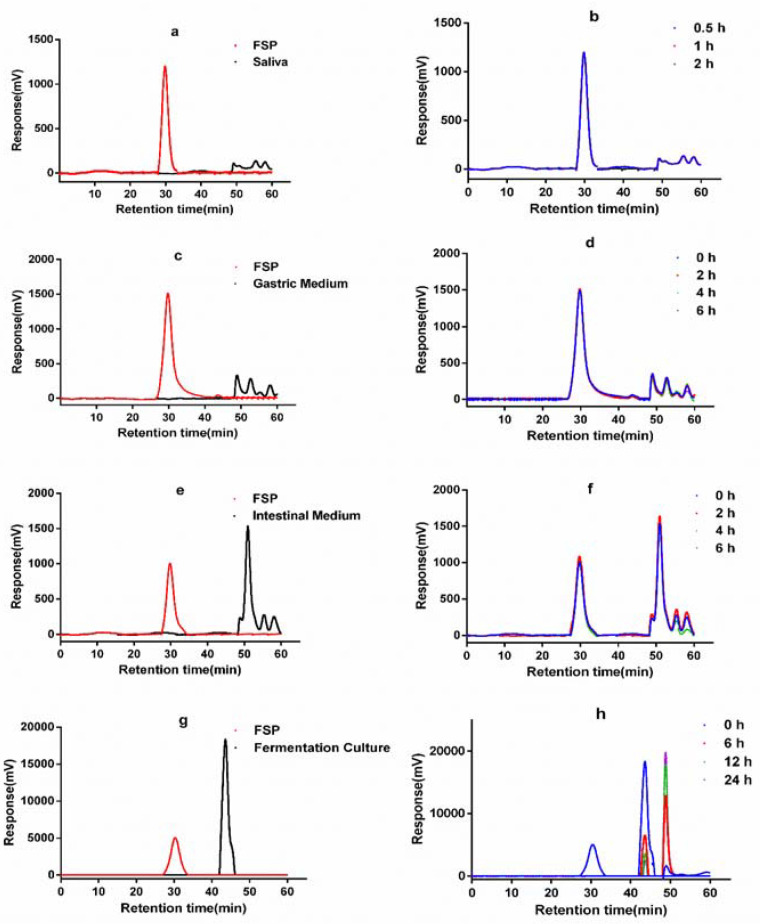
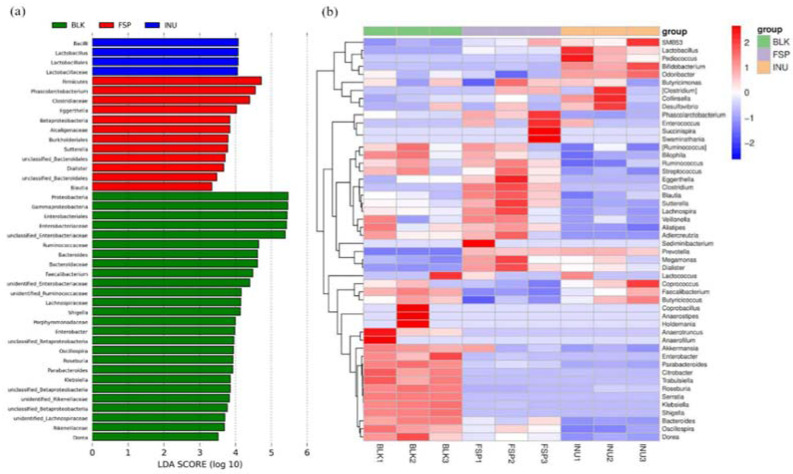
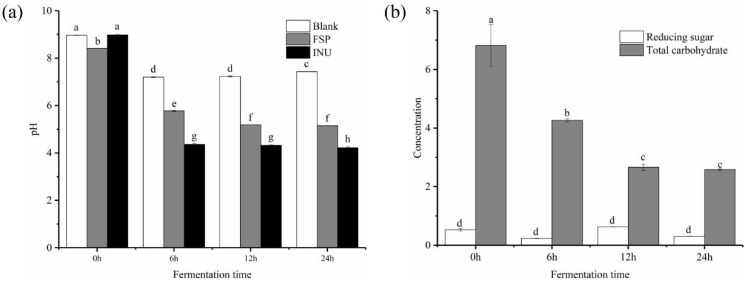
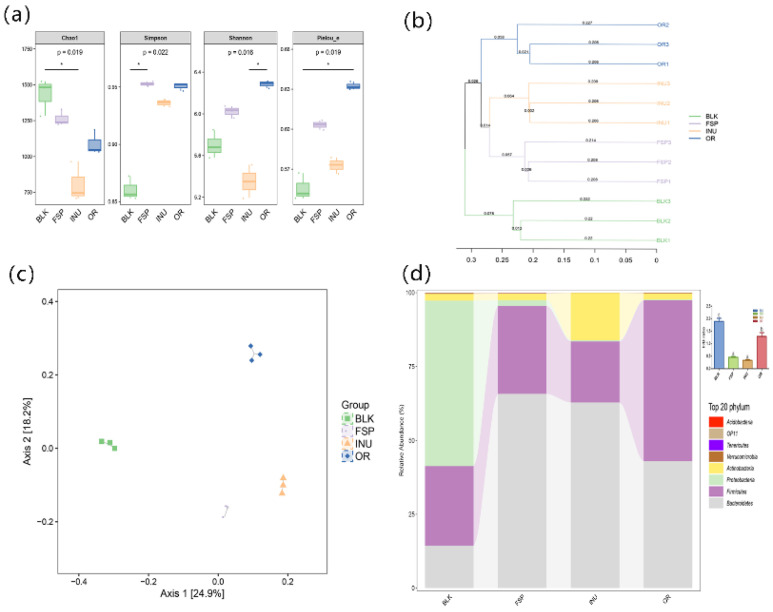
The digestion of flaxseed polysaccharides (FSP) in simulated saliva, gastric and small intestine conditions was assessed, as well as in vitro fermentation of FSP by human gut microbiota. FSP was not degraded in the simulated digestive systems (there was no change in molecular weight or content of reducing sugars), indicating that ingested FSP would reach the large intestine intact. Changes in carbohydrate content, reducing sugars and culture pH suggested that FSP could be broken down and used by gut microbiota. FSP modulated the composition and structure of the gut microbiota by altering the / ratio and increasing the relative abundances of , , and , which can degrade polysaccharides. Meanwhile, FSP fermentation increased the concentration of short-chain fatty acids, especially propionic and butyric acids. Our results indicate that FSP might be developed as a functional food that benefits gut health.
本研究评估了亚麻籽多糖(FSP)在模拟唾液、胃和小肠条件下的消化情况,以及人肠道微生物群对 FSP 的体外发酵情况。FSP 在模拟消化系统中未发生降解(分子量或还原糖含量没有变化),这表明摄入的 FSP 将完整到达大肠。碳水化合物含量、还原糖和培养 pH 的变化表明,FSP 可被肠道微生物群分解和利用。FSP 通过改变 / 比值和增加能够降解多糖的 、 、 和 的相对丰度来调节肠道微生物群的组成和结构。同时,FSP 发酵增加了短链脂肪酸的浓度,特别是丙酸和丁酸。我们的研究结果表明,FSP 可被开发为一种有益于肠道健康的功能性食品。