Martel Alexandre, Laflamme Bradley, Seto Derek, Bastedo D Patrick, Dillon Marcus M, Almeida Renan N D, Guttman David S, Desveaux Darrell
Department of Cell and Systems Biology, University of Toronto, Toronto, ON, Canada.
Centre for the Analysis of Genome Evolution & Function, University of Toronto, Toronto, ON, Canada.
Front Plant Sci. 2020 Aug 21;11:1290. doi: 10.3389/fpls.2020.01290. eCollection 2020.
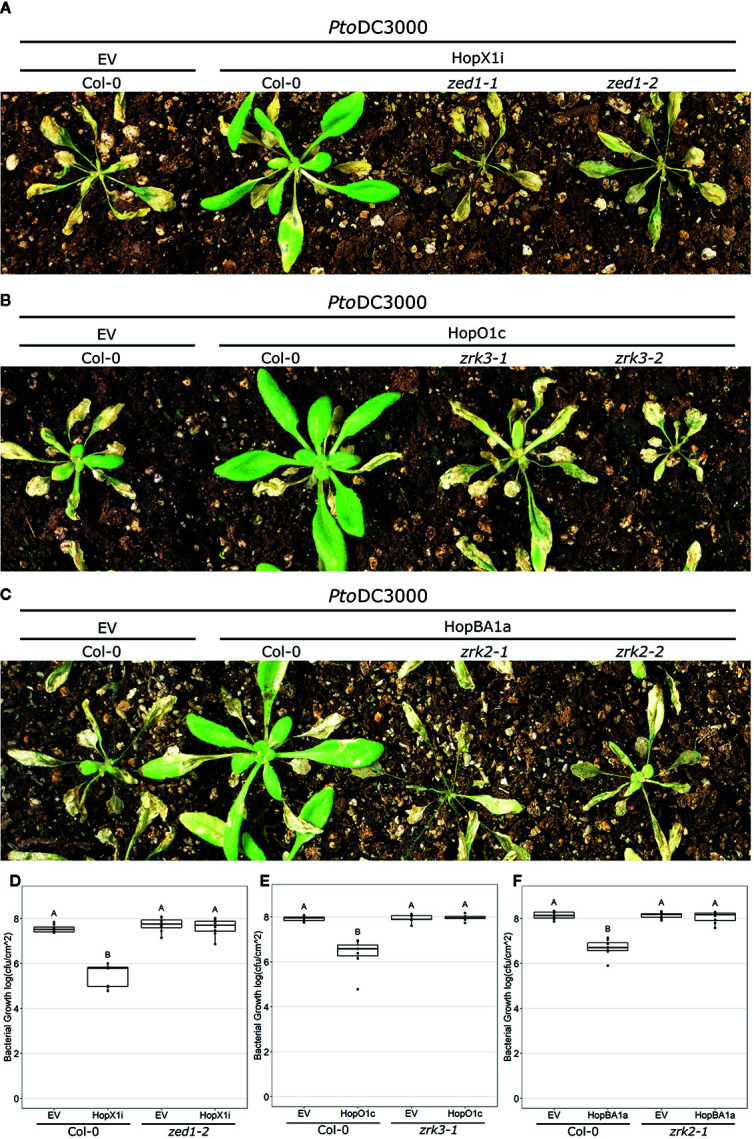
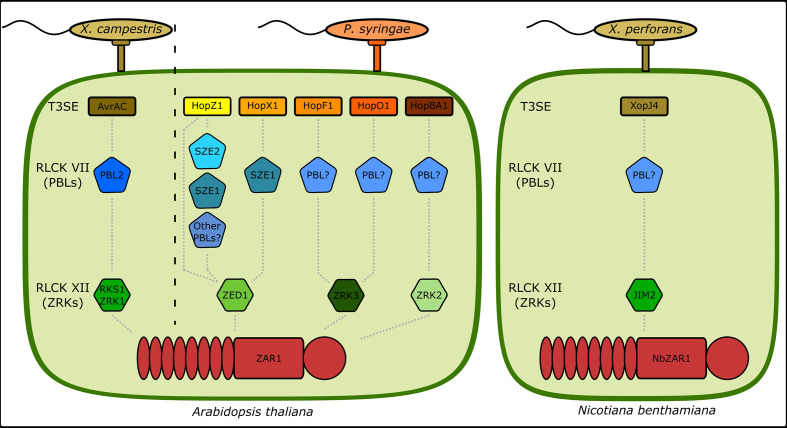
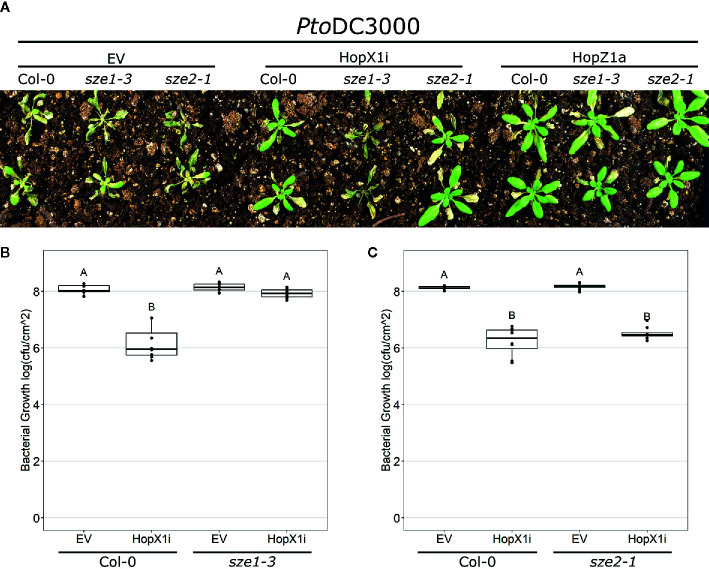
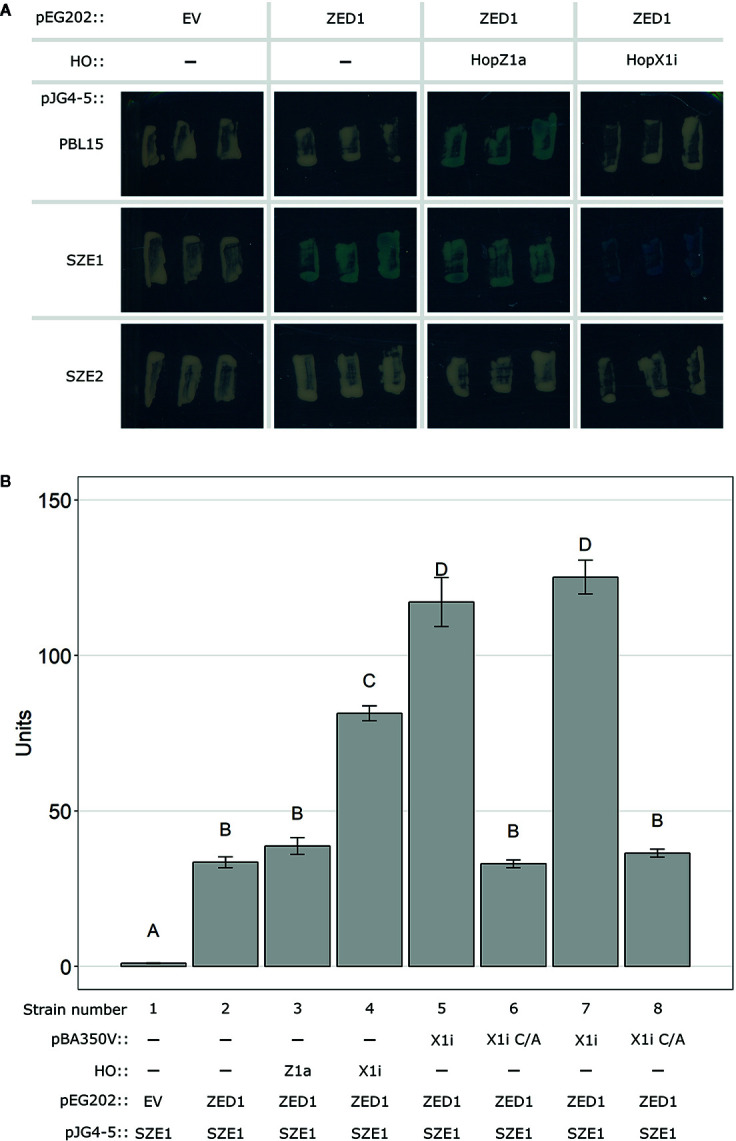
The nucleotide-binding leucine-rich repeat protein ZAR1 can recognize at least six distinct families of pathogenic effector proteins to mount an effector-triggered immune response. This remarkable immunodiversity appears to be conveyed by receptor-like cytoplasmic kinase (RLCK) complexes, which associate with ZAR1 to sense several effector-induced kinase perturbations. Here we show that the recently identified ZAR1-mediated immune responses against the HopX1, HopO1, and HopBA1 effector families of rely on an expanded diversity of RLCK sensors. We show that individual sensors can recognize distinct effector families, thereby contributing to the expanded surveillance potential of ZAR1 and supporting its role as a guardian of the plant kinome.
核苷酸结合富含亮氨酸重复序列蛋白ZAR1能够识别至少六个不同的致病效应蛋白家族,以引发效应物触发的免疫反应。这种显著的免疫多样性似乎由类受体细胞质激酶(RLCK)复合物传递,该复合物与ZAR1结合以感知几种效应物诱导的激酶扰动。在这里,我们表明,最近确定的ZAR1介导的针对 的HopX1、HopO1和HopBA1效应蛋白家族的免疫反应依赖于RLCK传感器的扩展多样性。我们表明,单个传感器可以识别不同的效应蛋白家族,从而有助于扩大ZAR1的监测潜力,并支持其作为植物激酶组守护者的作用。