He Runhua, Liu Xiaojing, Zhang Jing, Wang Zhongzheng, Wang Wenyan, Fu Liutao, Fan Yijun, Sun Shiying, Cao Yunxia, Zhan Lei, Shui Lijun
Department of Gynecology and Obstetrics, The Second Affiliated Hospital of Anhui Medical University, Hefei, China.
Reproductive Medicine Center, Department of Obstetrics and Gynecology, the First Affiliated Hospital of Anhui Medical University, Hefei, China.
Front Pharmacol. 2020 Aug 18;11:1281. doi: 10.3389/fphar.2020.01281. eCollection 2020.
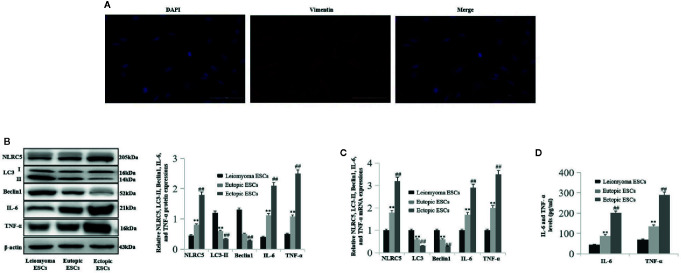
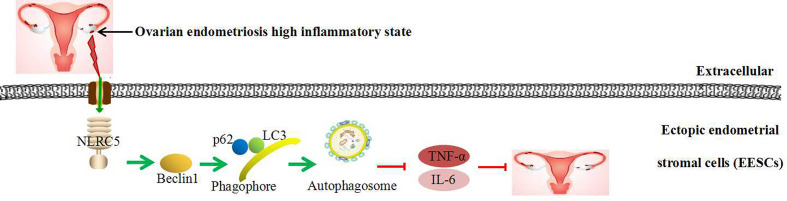
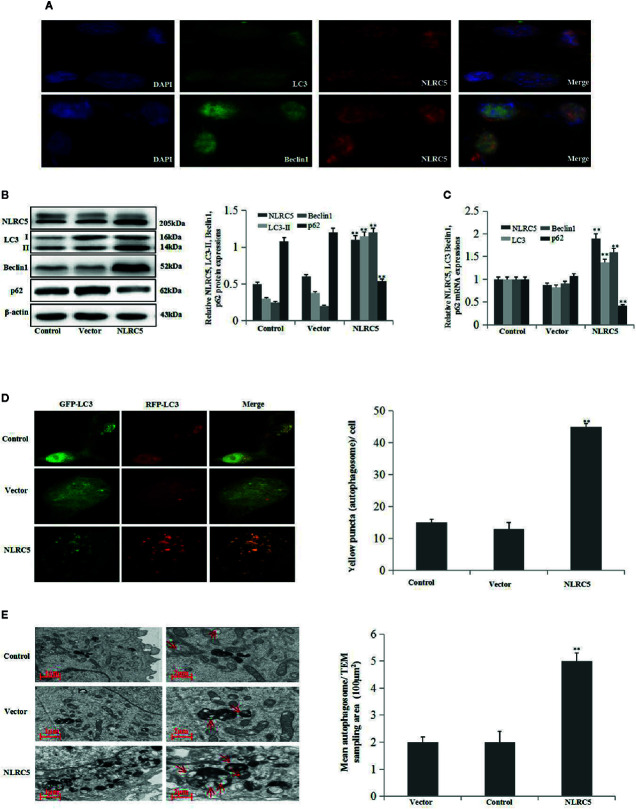
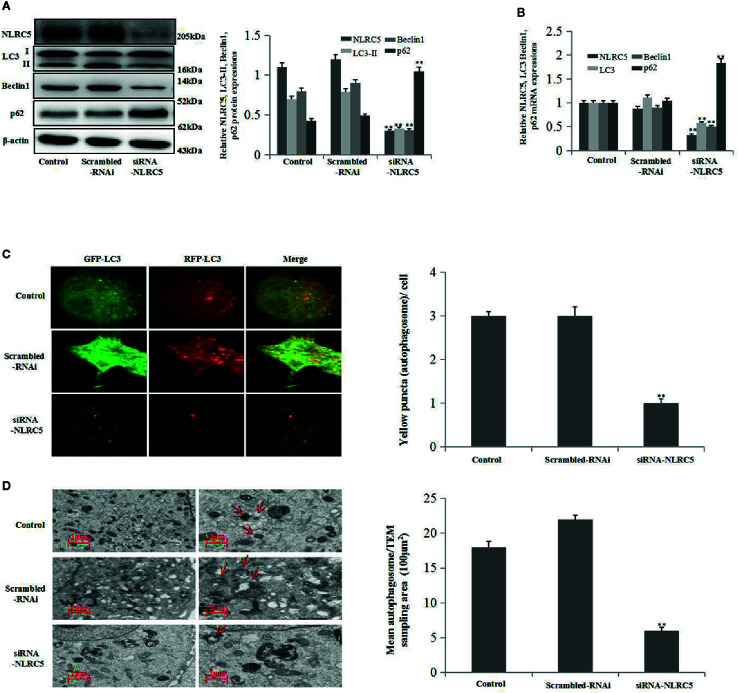
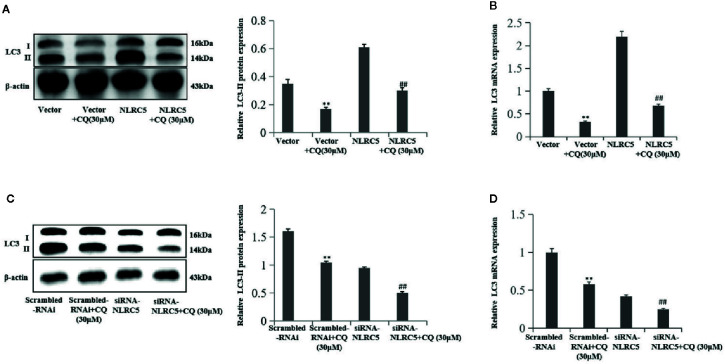
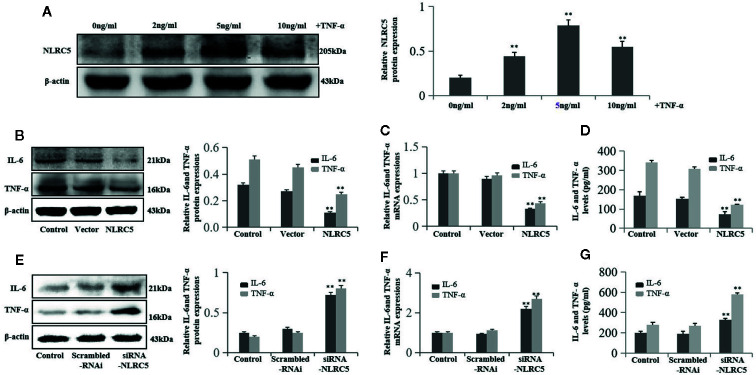
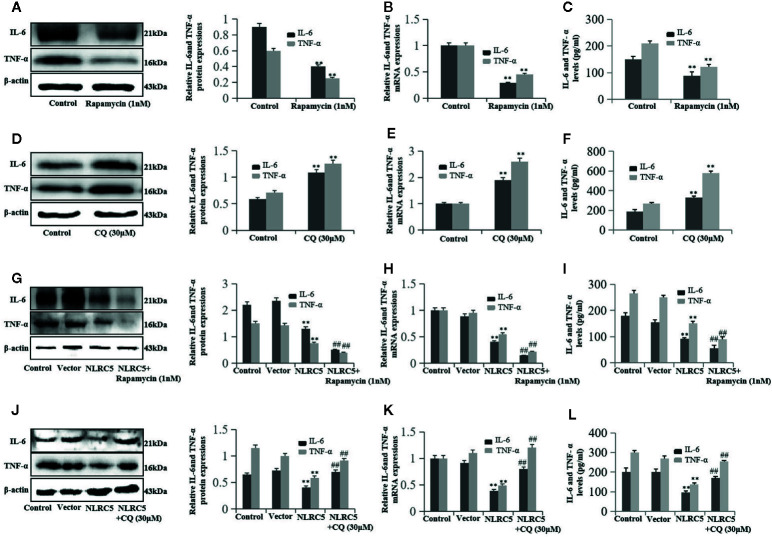
Nod-like receptor (NLR) family caspase activation and recruitment domain containing 5 (NLRC5) is a newly identified sub-class of the NLR family. It regulates inflammation and has a key function in innate and adaptive immunologic reactions. Autophagy has been reported to be crucially linked to the pathogenesis of endometriosis. Our recent study identify there is a negative correlation between NLRC5 and autophagy in endometriosis, indicating that NLRC5 and autophagy together act as promising predictors in endometriosis patients. However, the mechanism associating NLRC5 and autophagy in endometriosis is still not completely understood. We hypothesize that autophagy could be involved in NLRC5-mediated inflammation in endometriosis. In order to validate the assumption, we evaluate the effects of NLRC5 and autophagy in the inflammation of ectopic endometrial stromal cells (EESCs) of ovarian endometriosis patients, to specifically determine whether autophagy is involved in NLRC5-mediated inflammation in EESCs. Our results show that over-expression of NLRC5 results in the up-regulation of autophagy in EESCs and inhibition of NLRC5 restricts the level of autophagy in EESCs. Furthermore, over-expression of NLRC5 and promotion of autophagy inhibit interleukin-6 (IL-6) and tumor necrosis factor-α (TNF-α) expressions, whereas inhibition of NLRC5 and autophagy up-regulate IL-6 and TNF-α expressions in EESCs. Additionally, promotion of autophagy contributes to the NLRC5-mediated inhibition of IL-6 and TNF-α expressions in EESCs; inhibition of autophagy restricts NLRC5-mediated inhibition of IL-6 and TNF-α expressions in EESCs. Our results suggest that over-expression of NLRC5 promotes autophagy, thereby inhibiting inflammation in ovarian endometriosis.
核苷酸结合寡聚化结构域样受体(NLR)家族含半胱天冬酶激活和募集结构域蛋白5(NLRC5)是NLR家族新发现的一个亚类。它调节炎症反应,在先天性和适应性免疫反应中起关键作用。据报道,自噬与子宫内膜异位症的发病机制密切相关。我们最近的研究发现,子宫内膜异位症中NLRC5与自噬之间存在负相关,这表明NLRC5和自噬共同可作为子宫内膜异位症患者有前景的预测指标。然而,子宫内膜异位症中NLRC5与自噬相关的机制仍未完全阐明。我们推测自噬可能参与NLRC5介导的子宫内膜异位症炎症反应。为了验证这一假设,我们评估了NLRC5和自噬对卵巢子宫内膜异位症患者异位子宫内膜基质细胞(EESCs)炎症反应的影响,以明确自噬是否参与EESCs中NLRC5介导的炎症反应。我们的结果表明,NLRC5过表达导致EESCs中自噬上调,而抑制NLRC5则限制EESCs中的自噬水平。此外,NLRC5过表达和自噬促进可抑制白细胞介素-6(IL-6)和肿瘤坏死因子-α(TNF-α)的表达,而抑制NLRC5和自噬则上调EESCs中IL-6和TNF-α的表达。此外,自噬促进有助于NLRC5介导的对EESCs中IL-6和TNF-α表达的抑制;自噬抑制则限制NLRC5介导的对EESCs中IL-6和TNF-α表达的抑制。我们的结果表明,NLRC5过表达促进自噬,从而抑制卵巢子宫内膜异位症中的炎症反应。