Duntas Leonidas H
Evgenideion Hospital, Unit of Endocrinology, Metabolism and Diabetes, Thyroid Section, University of Athens, 20 Papadiamantopoulou Str, 11528 Athens, Greece.
Thyroid Res. 2020 Oct 1;13:16. doi: 10.1186/s13044-020-00090-x. eCollection 2020.
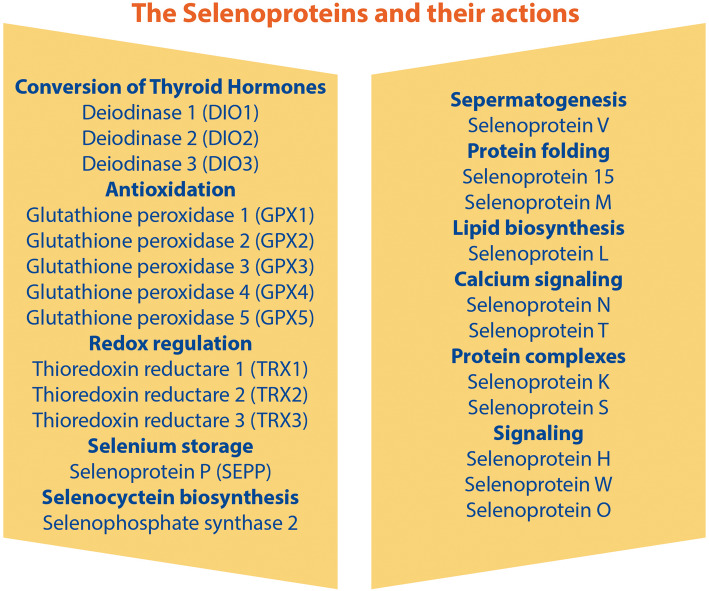
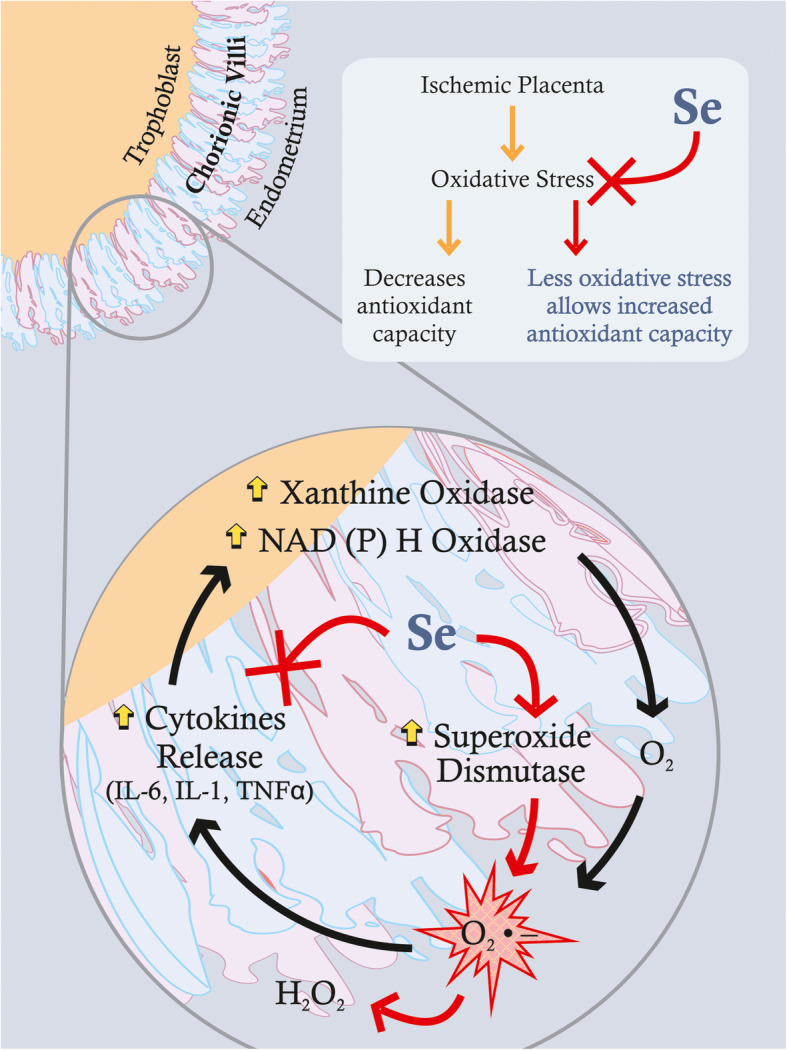
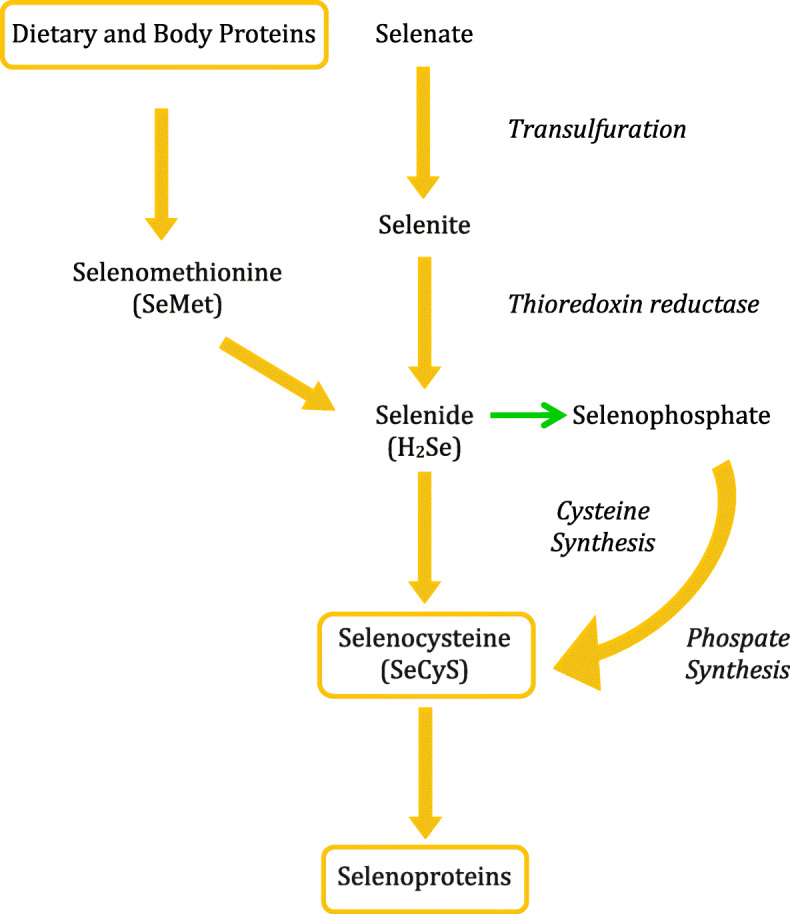
Selenium (Se), an essential trace element, is inserted as selenocysteine into an array of functional proteins and forms the core of various enzymes that play a cardinal role in antioxidant defense mechanisms, in redox regulation, and in thyroid hormone metabolism. Variations in plasma Se are due to nutritional habits, geographic and ethnic differences, and probably to genetic polymorphisms, the latter still to be conclusively established. Se concentrations were reported to be low in women of reproductive age in the UK, decreasing further during pregnancy, this resulting in low plasma and placental antioxidant enzyme activities. Since low serum Se levels have been found in women with preeclampsia, it has been hypothesized that low maternal Se status during early gestation may be an indicator of preterm birth. Moreover, it is documented that Se administration during pregnancy tendentially reduced the markers of thyroid autoimmunity and the incidence of maternal hypothyroidism in the postpartum period. Importantly, low Se levels in pregnant women affect fetal growth and augment the risk of delivering a small-for-gestational age infant by reducing placental antioxidant defense, while low Se in the third trimester is thought to indicate increased demands by the placenta, an issue which requires further confirmation. There is evidently a need for double-blind, placebo-controlled studies to better determine the efficacy and safety of Se supplementation in pregnancy at high risk for complications, and for measurement of Se levels or of selenoprotein P, the most reliable parameter of Se status, particularly in selenopenic regions.
硒(Se)是一种必需的微量元素,以硒代半胱氨酸的形式插入一系列功能蛋白中,并构成各种酶的核心,这些酶在抗氧化防御机制、氧化还原调节和甲状腺激素代谢中起着关键作用。血浆硒的变化归因于饮食习惯、地理和种族差异,可能还与基因多态性有关,后者仍有待最终确定。据报道,英国育龄妇女的硒浓度较低,在怀孕期间进一步下降,这导致血浆和胎盘抗氧化酶活性降低。由于子痫前期妇女的血清硒水平较低,因此有人推测妊娠早期母体硒水平低可能是早产的一个指标。此外,有文献记载,孕期补充硒往往会降低甲状腺自身免疫标志物以及产后母体甲状腺功能减退的发生率。重要的是,孕妇硒水平低会影响胎儿生长,并通过降低胎盘抗氧化防御能力增加分娩小于胎龄儿的风险,而孕晚期硒水平低被认为表明胎盘需求增加,这一问题需要进一步证实。显然,需要进行双盲、安慰剂对照研究,以更好地确定在有并发症高风险的妊娠中补充硒的疗效和安全性,以及测量硒水平或硒蛋白P(硒状态最可靠的参数),特别是在缺硒地区。