Ayanlade Ayansina, Radeny Maren
Department of Geography, Obafemi Awolowo University, Ile-Ife, Nigeria.
CGIAR Research Program on Climate Change, Agriculture and Food Security (CCAFS), International Livestock Research Institute (ILRI), Nairobi, Kenya.
NPJ Sci Food. 2020 Sep 14;4:13. doi: 10.1038/s41538-020-00073-0. eCollection 2020.
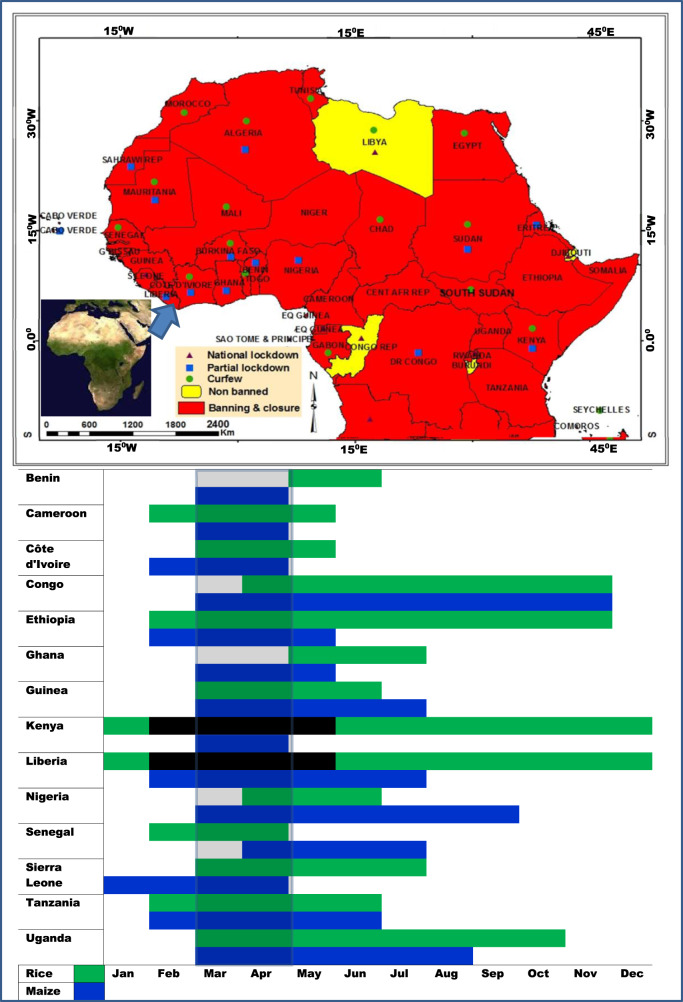
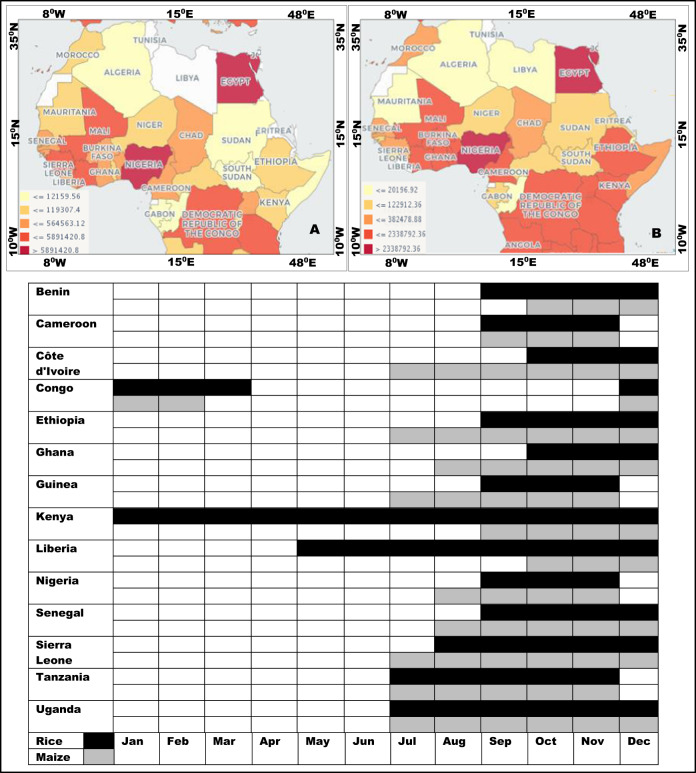
COVID-19 pandemic movement restrictions as part of the control measures put in place by countries in Sub-Saharan Africa (SSA) has implications on food security, as movement restrictions coincided with planting periods for most of the staple crops. The measures are affecting important staple crops in SSA, and are likely to exacerbate food security challenges in many countries. Achieving adequate food supply in SSA requires developing better policies and packages to confronting the challenge of reducing hunger post COVID-19 pandemic. The lessons learned after COVID-19 crisis will be very important for African countries to rethink their strategies and policies for sustainable economic growth, as COVID-19 many have significant impacts on all sectors of their economies.
作为撒哈拉以南非洲(SSA)国家实施的控制措施的一部分,COVID-19大流行期间的行动限制对粮食安全产生了影响,因为行动限制与大多数主食作物的种植期同时发生。这些措施正在影响SSA的重要主食作物,并可能加剧许多国家的粮食安全挑战。在SSA实现充足的粮食供应需要制定更好的政策和一揽子计划,以应对COVID-19大流行后减少饥饿的挑战。COVID-19危机后吸取的教训对于非洲国家重新思考其可持续经济增长的战略和政策非常重要,因为COVID-19可能对其经济的所有部门产生重大影响。