Department of Molecular, Cellular and Developmental Biology, UCB 347, University of Colorado, Boulder, CO, 80309-0347, USA.
Plant Biology Section, School of Integrative Plant Science, Cornell University, Ithaca, NY, 14853, USA.
Photosynth Res. 2020 Sep;145(3):237-258. doi: 10.1007/s11120-020-00782-3. Epub 2020 Oct 5.
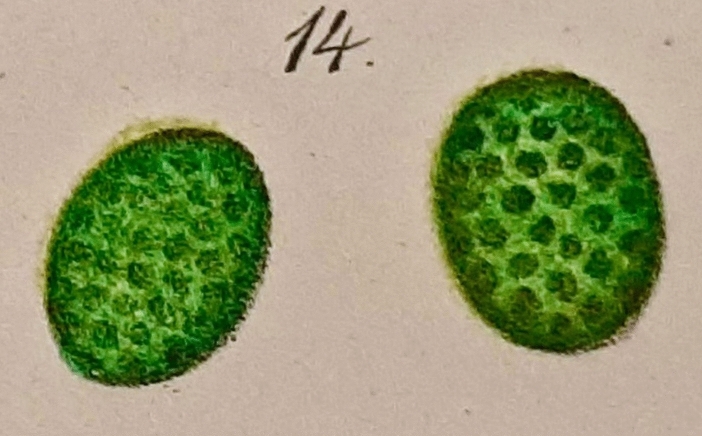
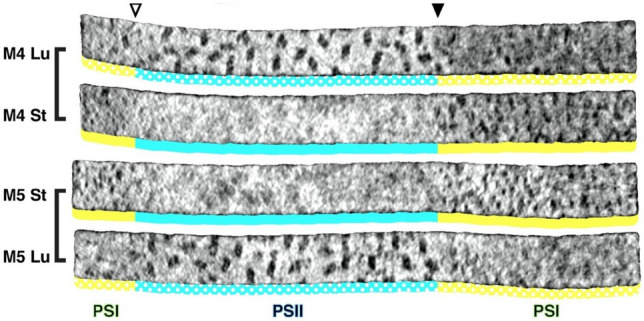
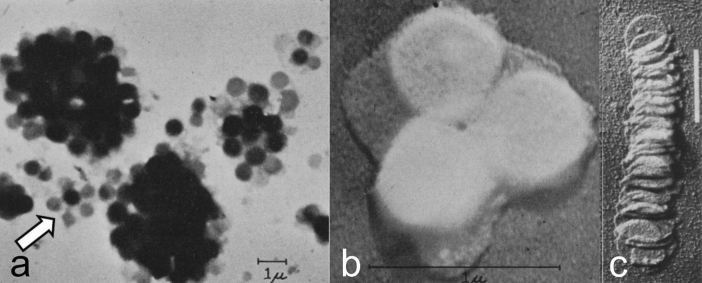
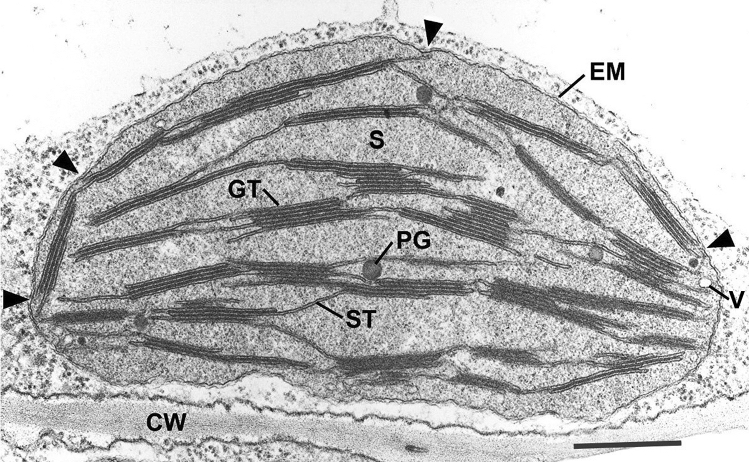
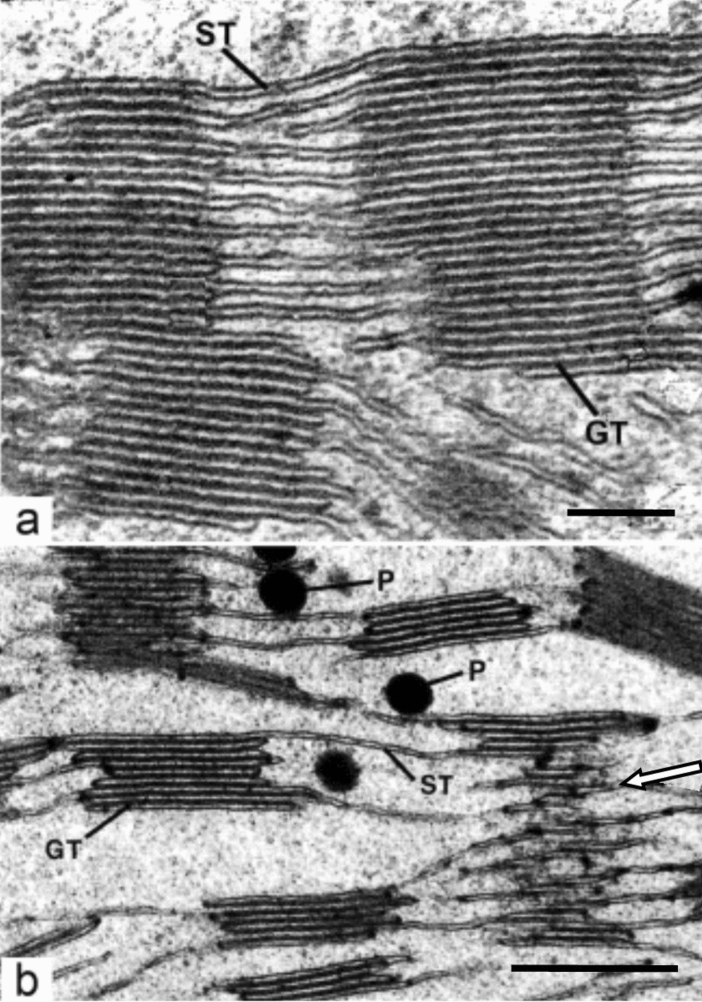
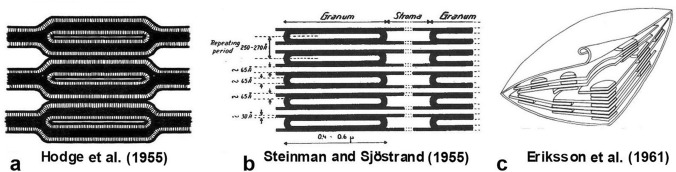
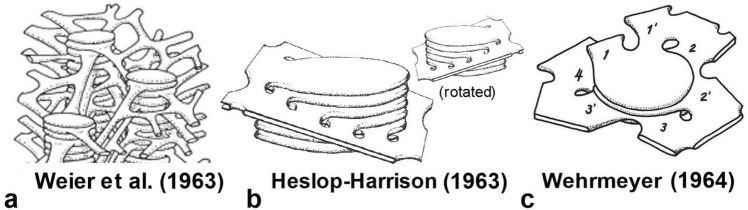
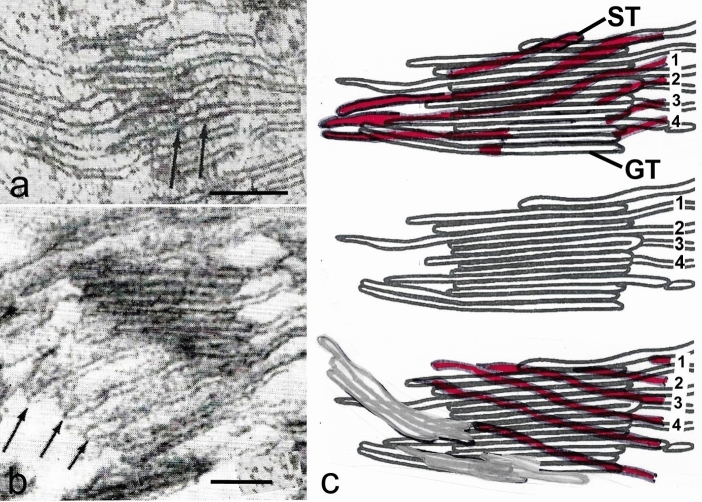
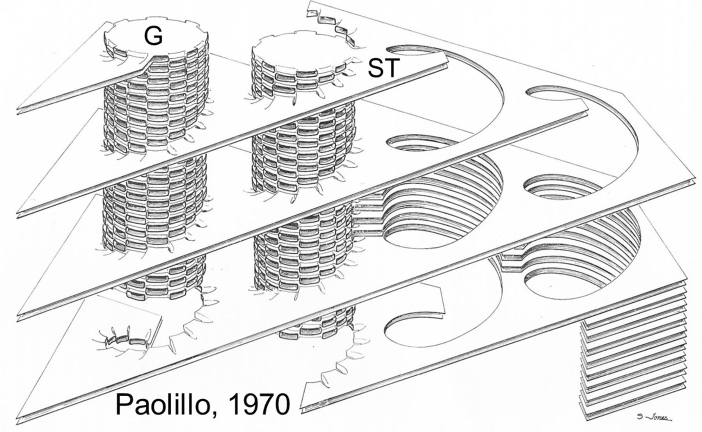
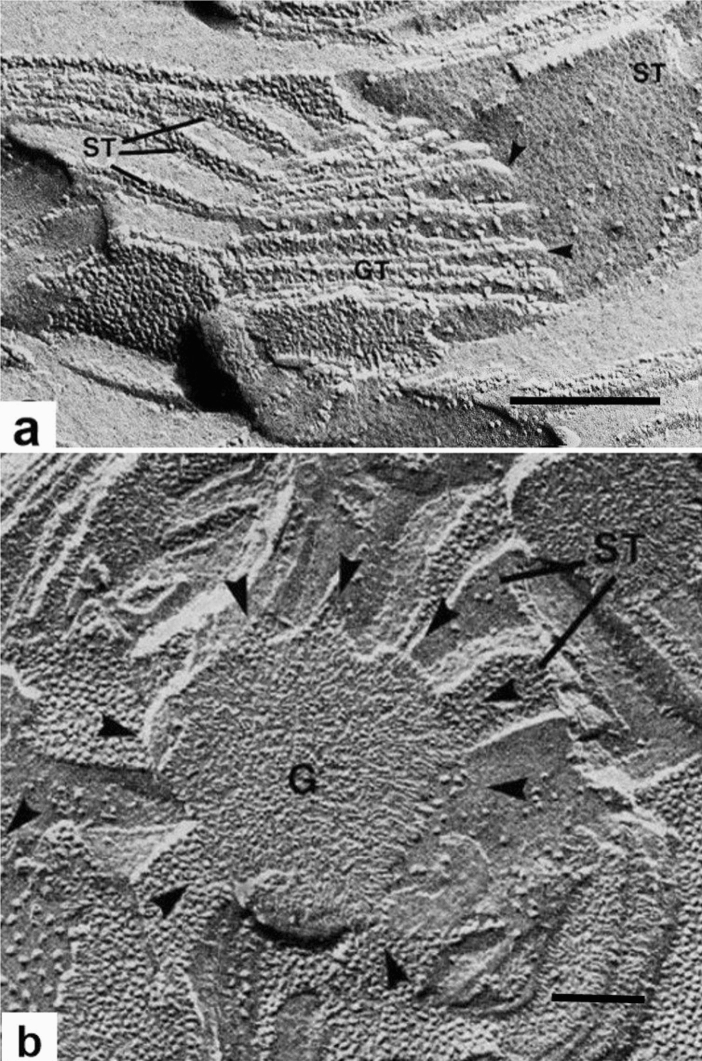
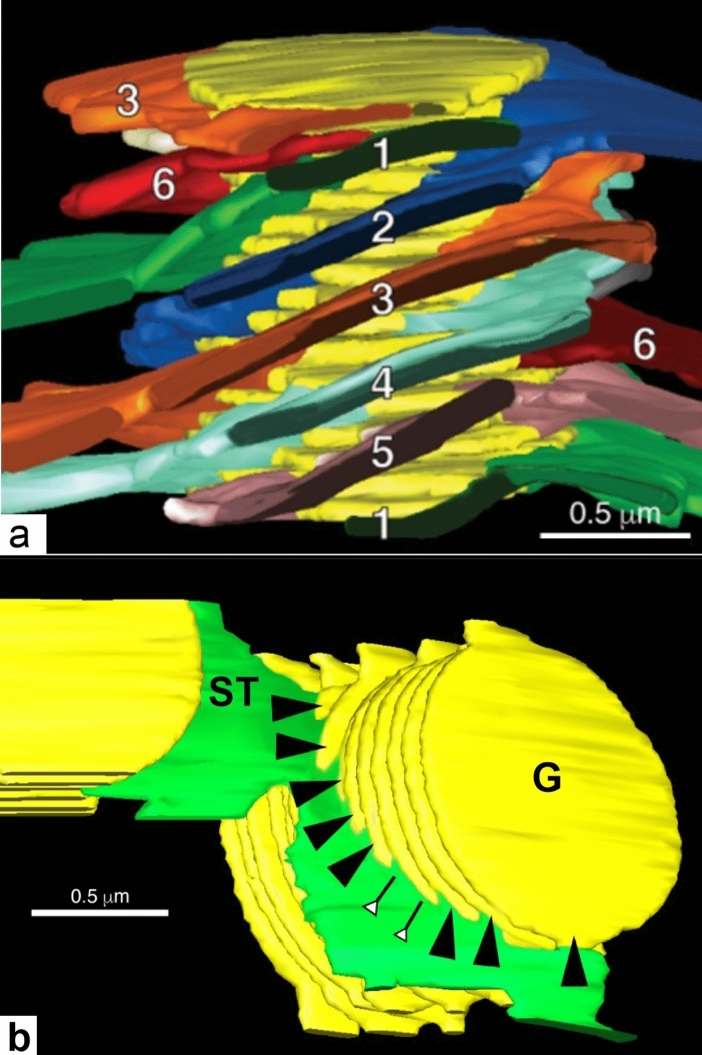
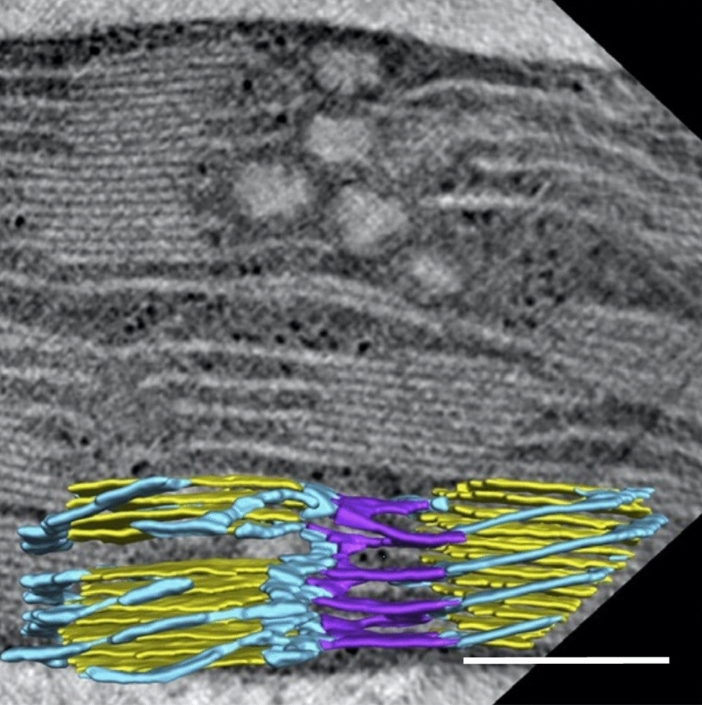
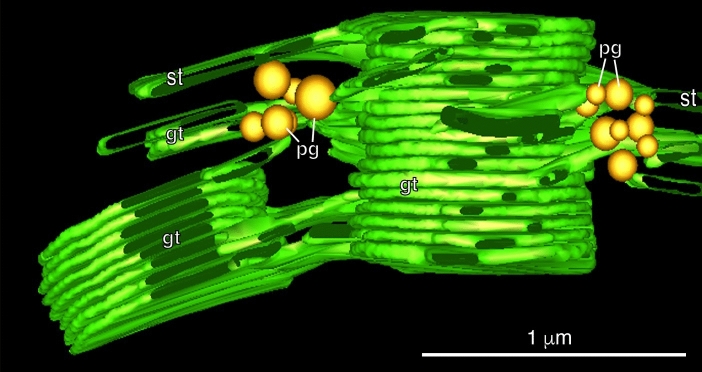
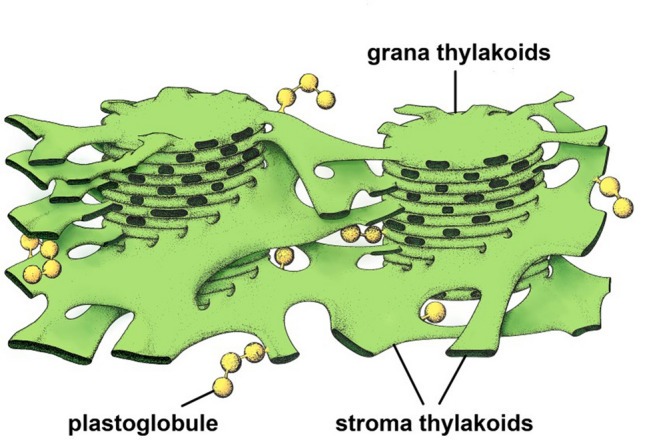
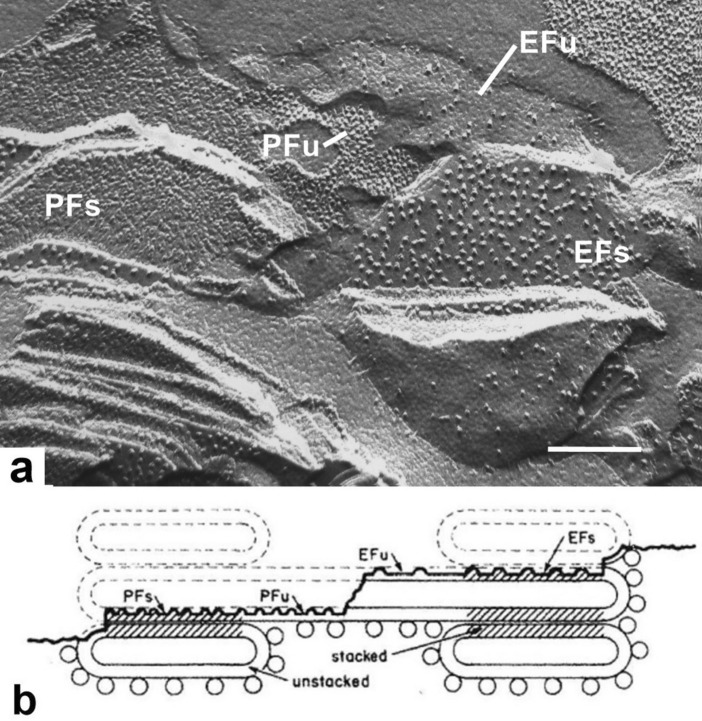
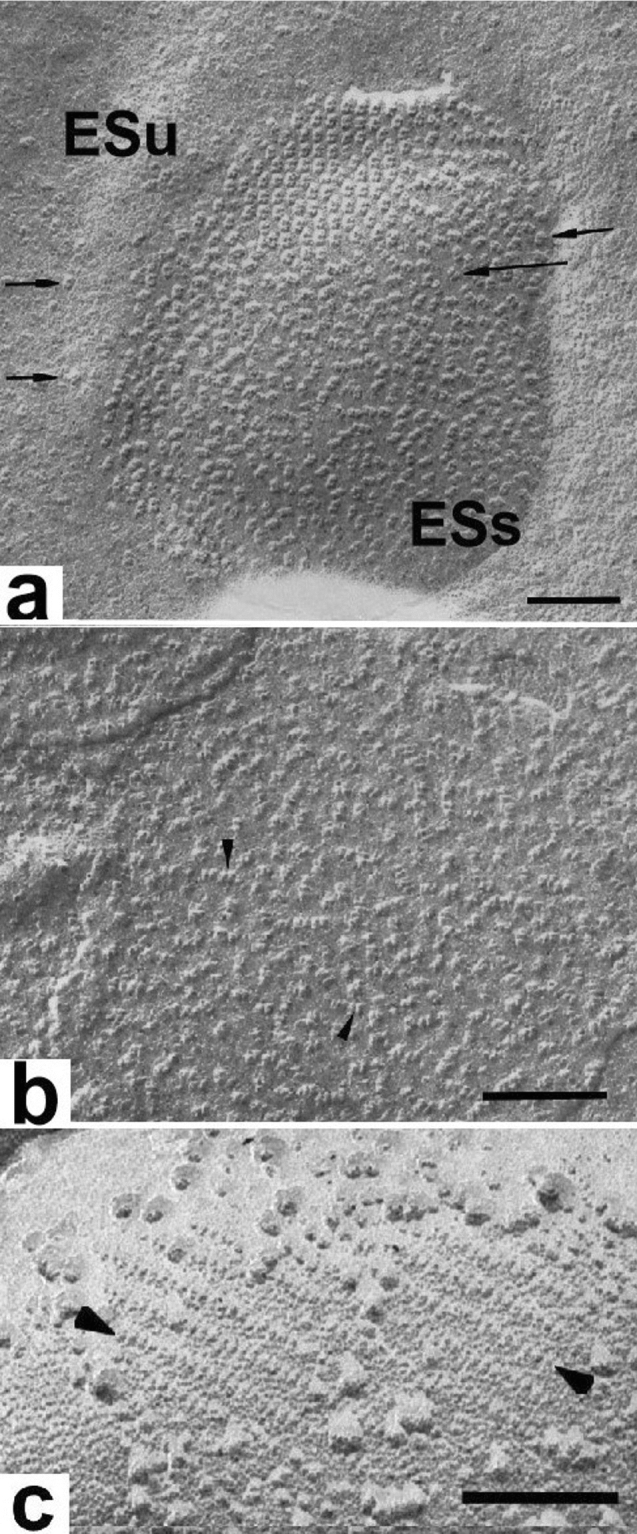
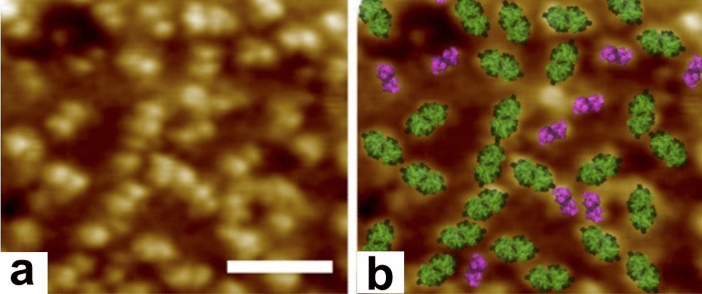
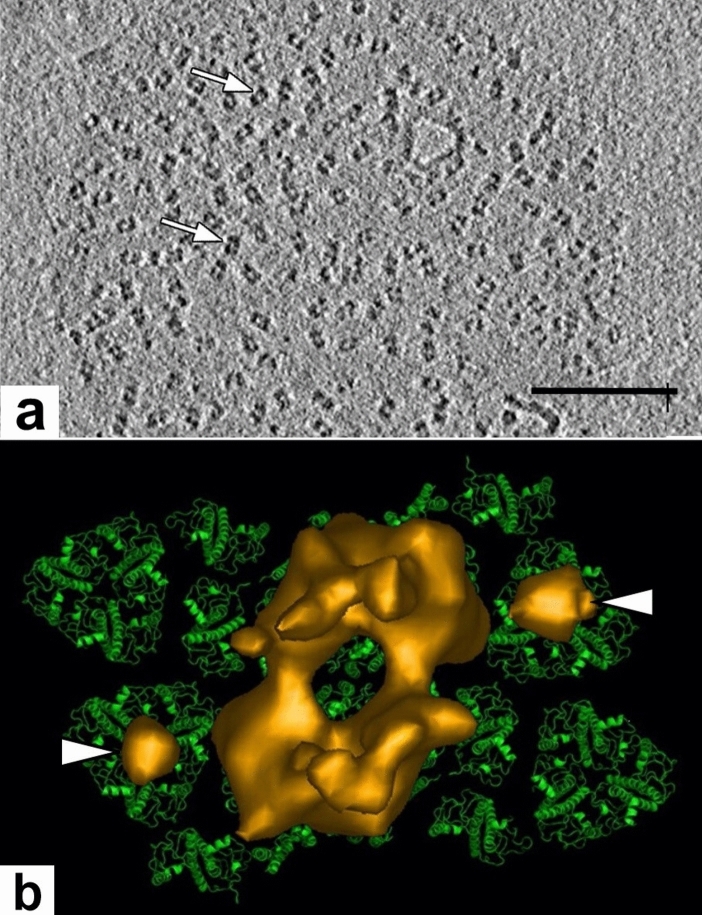
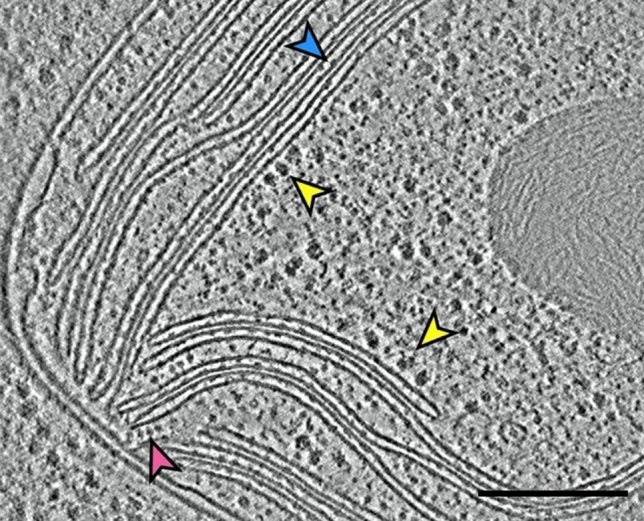
Microscopic studies of chloroplasts can be traced back to the year 1678 when Antonie van Leeuwenhoek reported to the Royal Society in London that he saw green globules in grass leaf cells with his single-lens microscope. Since then, microscopic studies have continued to contribute critical insights into the complex architecture of chloroplast membranes and how their structure relates to function. This review is organized into three chronological sections: During the classic light microscope period (1678-1940), the development of improved microscopes led to the identification of green grana, a colorless stroma, and a membrane envelope. More recent (1990-2020) chloroplast dynamic studies have benefited from laser confocal and 3D-structured illumination microscopy. The development of the transmission electron microscope (1940-2000) and thin sectioning techniques demonstrated that grana consist of stacks of closely appressed grana thylakoids interconnected by non-appressed stroma thylakoids. When the stroma thylakoids were shown to spiral around the grana stacks as multiple right-handed helices, it was confirmed that the membranes of a chloroplast are all interconnected. Freeze-fracture and freeze-etch methods verified the helical nature of the stroma thylakoids, while also providing precise information on how the electron transport chain and ATP synthase complexes are non-randomly distributed between grana and stroma membrane regions. The last section (2000-2020) focuses on the most recent discoveries made possible by atomic force microscopy of hydrated membranes, and electron tomography and cryo-electron tomography of cryofixed thylakoids. These investigations have provided novel insights into thylakoid architecture and plastoglobules (summarized in a new thylakoid model), while also producing molecular-scale views of grana and stroma thylakoids in which individual functional complexes can be identified.
叶绿体的微观研究可以追溯到 1678 年,当时安东尼·范·列文虎克(Antonie van Leeuwenhoek)向伦敦皇家学会报告说,他用单透镜显微镜在草叶细胞中看到了绿色小球。从那时起,微观研究继续为叶绿体膜的复杂结构以及其结构与功能的关系提供了关键的见解。本综述分为三个时间顺序的部分:在经典的光学显微镜时期(1678-1940 年),改进显微镜的发展导致了绿色基粒、无色基质和膜包膜的鉴定。最近(1990-2020 年)的叶绿体动态研究受益于激光共聚焦和 3D 结构照明显微镜。透射电子显微镜(1940-2000 年)和薄切片技术的发展表明,基粒由紧密贴合的基粒类囊体堆叠组成,通过非贴合的基质类囊体相互连接。当基质类囊体被证明像多个右手螺旋一样缠绕在基粒堆叠周围时,就证实了叶绿体的膜是相互连接的。冷冻断裂和冷冻蚀刻方法验证了基质类囊体的螺旋性质,同时还提供了关于电子传递链和 ATP 合酶复合物如何在基粒和基质膜区域之间非随机分布的精确信息。最后一部分(2000-2020 年)专注于原子力显微镜对水合膜、电子断层扫描和冷冻固定类囊体的电子断层扫描的最新发现。这些研究为类囊体结构和质体小球提供了新的见解(总结在一个新的类囊体模型中),同时还产生了可以识别单个功能复合物的基粒和基质类囊体的分子尺度视图。