Department of Molecular and Comparative Pathobiology, The Johns Hopkins University School of Medicine, Baltimore, MD, USA.
University of California, Los Angeles, CA, USA.
FEBS Open Bio. 2020 Oct;10(10):2021-2039. doi: 10.1002/2211-5463.12952. Epub 2020 Sep 11.
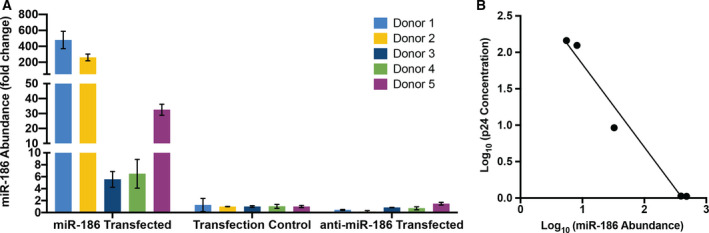
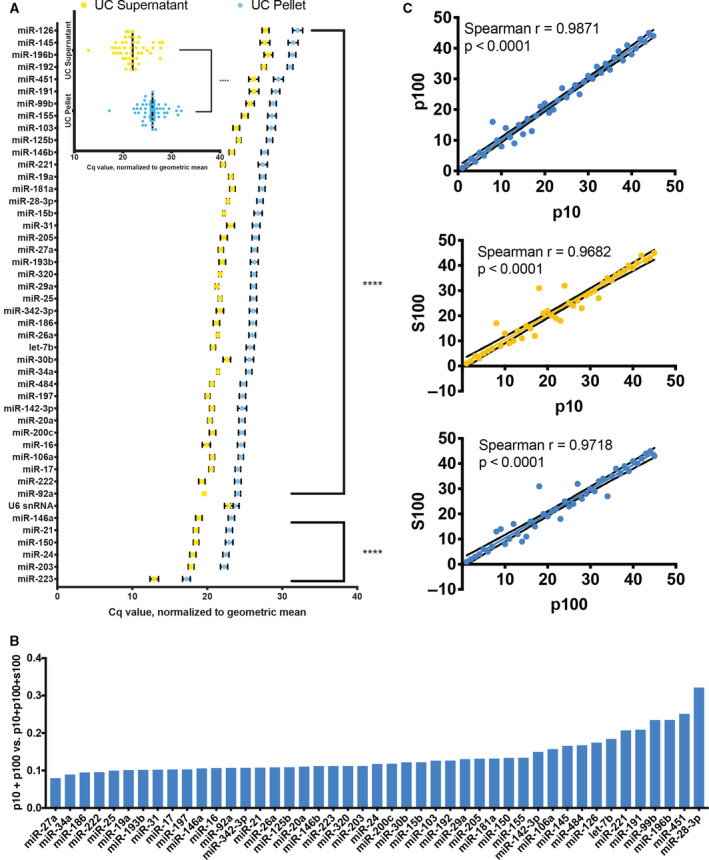
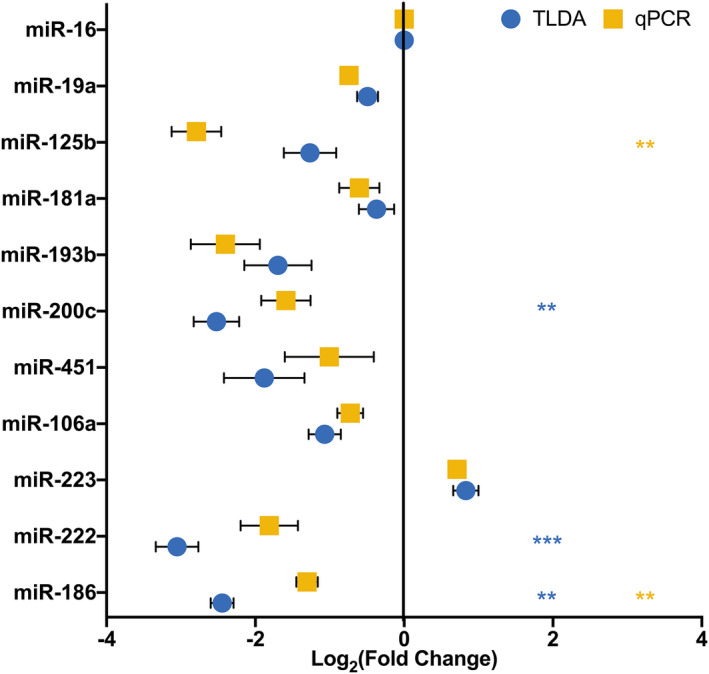
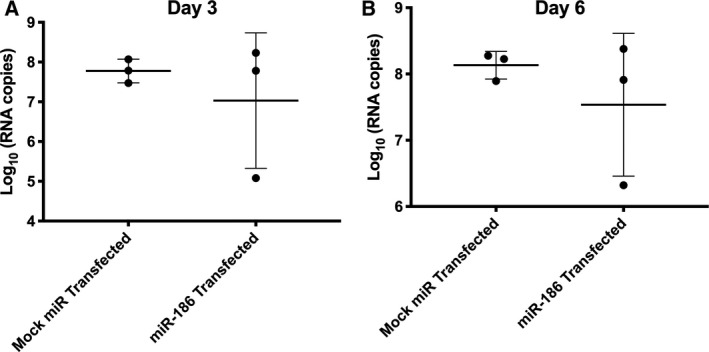
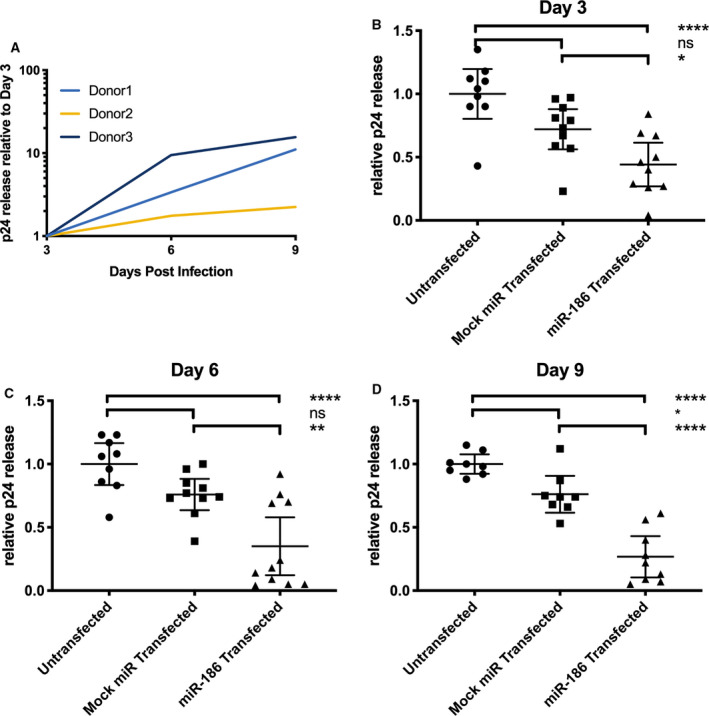
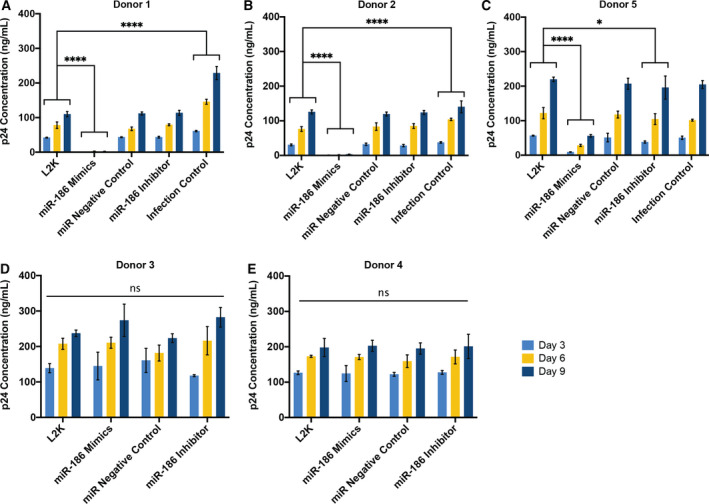
Cervicovaginal secretions, or their components collected, are referred to as cervicovaginal lavage (CVL). CVL constituents have utility as biomarkers and play protective roles in wound healing and against HIV-1 infection. However, several components of cervicovaginal fluids are less well understood, such as extracellular RNAs and their carriers, for example, extracellular vesicles (EVs). EVs comprise a wide array of double-leaflet membrane extracellular particles and range in diameter from 30 nm to over one micron. The aim of this study was to determine whether differentially regulated CVL microRNAs (miRNAs) might influence retrovirus replication. To this end, we characterized EVs and miRNAs of primate CVL during the menstrual cycle and simian immunodeficiency virus (SIV) infection of macaques. EVs were enriched by stepped ultracentrifugation, and miRNA profiles were assessed with a medium-throughput stem-loop/hydrolysis probe qPCR platform. Whereas hormone cycling was abnormal in infected subjects, EV concentration correlated with progesterone concentration in uninfected subjects. miRNAs were present predominantly in the EV-depleted CVL supernatant. Only a small number of CVL miRNAs changed during the menstrual cycle or SIV infection, for example, miR-186-5p, which was depleted in retroviral infection. This miRNA inhibited HIV replication in infected macrophages in vitro. In silico target prediction and pathway enrichment analyses shed light on the probable functions of miR-186-5p in hindering HIV infections via immunoregulation, T-cell regulation, disruption of viral pathways, etc. These results provide further evidence for the potential of EVs and small RNAs as biomarkers or effectors of disease processes in the reproductive tract.
宫颈阴道分泌物或收集的其成分被称为宫颈阴道灌洗(CVL)。CVL 成分可用作生物标志物,并在伤口愈合和预防 HIV-1 感染中发挥保护作用。然而,宫颈阴道液的一些成分了解较少,例如细胞外 RNA 及其载体,例如细胞外囊泡(EVs)。EVs 包含一系列双层膜细胞外颗粒,直径从 30nm 到超过一微米不等。本研究旨在确定差异调节的 CVL 微 RNA(miRNA)是否可能影响逆转录病毒复制。为此,我们在灵长类动物的月经周期和猴免疫缺陷病毒(SIV)感染期间表征了灵长类动物的 CVL 中的 EVs 和 miRNA。通过分步超速离心富集 EVs,并使用高通量茎环/水解探针 qPCR 平台评估 miRNA 谱。尽管感染受试者的激素循环异常,但未感染受试者的 EV 浓度与孕激素浓度相关。miRNA 主要存在于 EV 耗尽的 CVL 上清液中。在月经周期或 SIV 感染期间,只有少数 CVL miRNAs 发生变化,例如 miR-186-5p,其在逆转录病毒感染中被耗尽。这种 miRNA 抑制了感染巨噬细胞中的 HIV 复制。计算机预测和途径富集分析揭示了 miR-186-5p 通过免疫调节、T 细胞调节、破坏病毒途径等抑制 HIV 感染的可能功能。这些结果为 EVs 和小 RNA 作为生殖道疾病过程的生物标志物或效应物的潜力提供了进一步的证据。