Department of System Design Engineering, Faculty of Science and Technology, Keio University, Yokohama 223-8522, Japan.
Department of Internal Medicine, School of Medicine, Keio University, Tokyo 160-8582, Japan.
Sensors (Basel). 2020 Oct 5;20(19):5688. doi: 10.3390/s20195688.
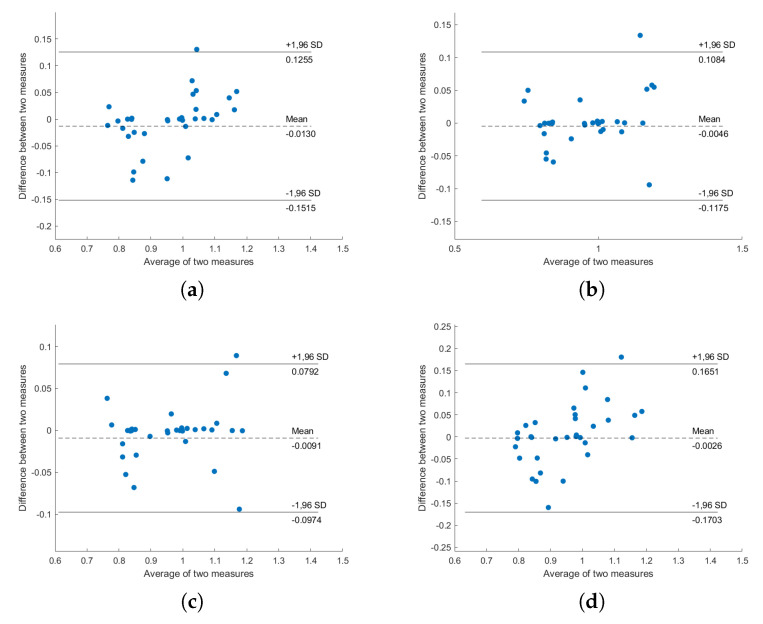
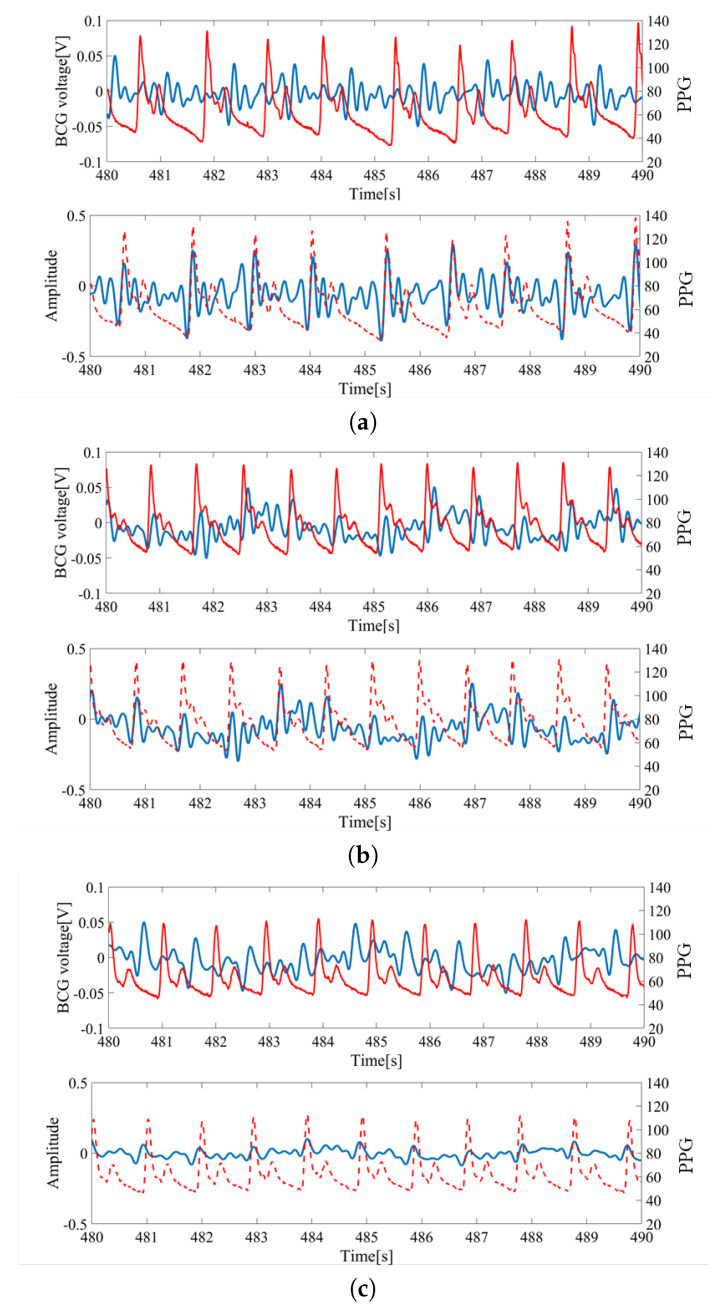
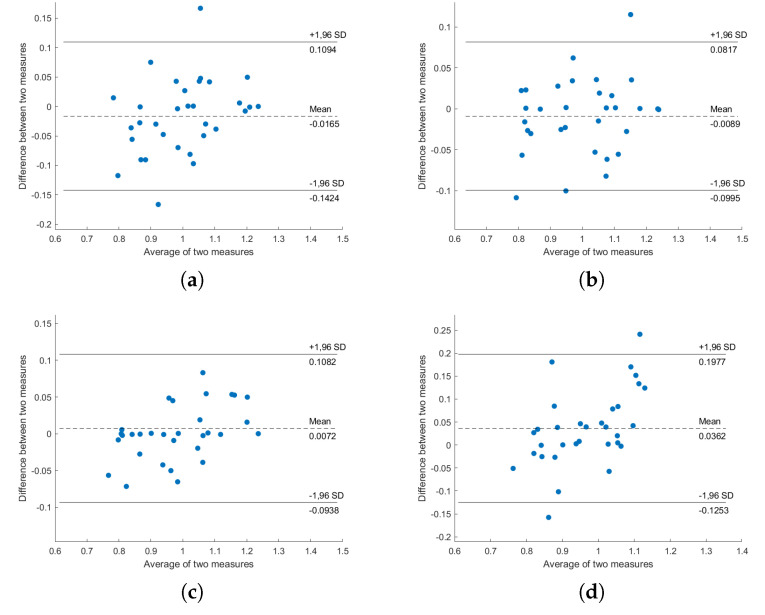
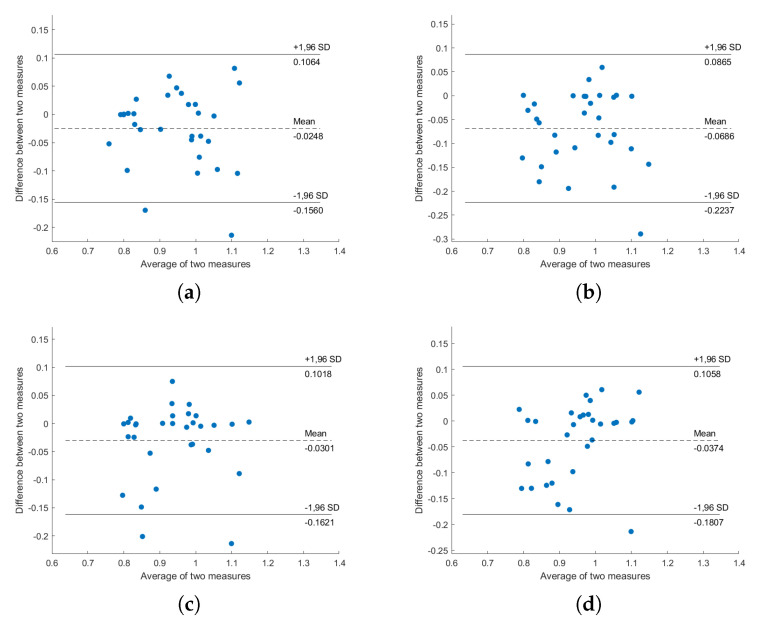
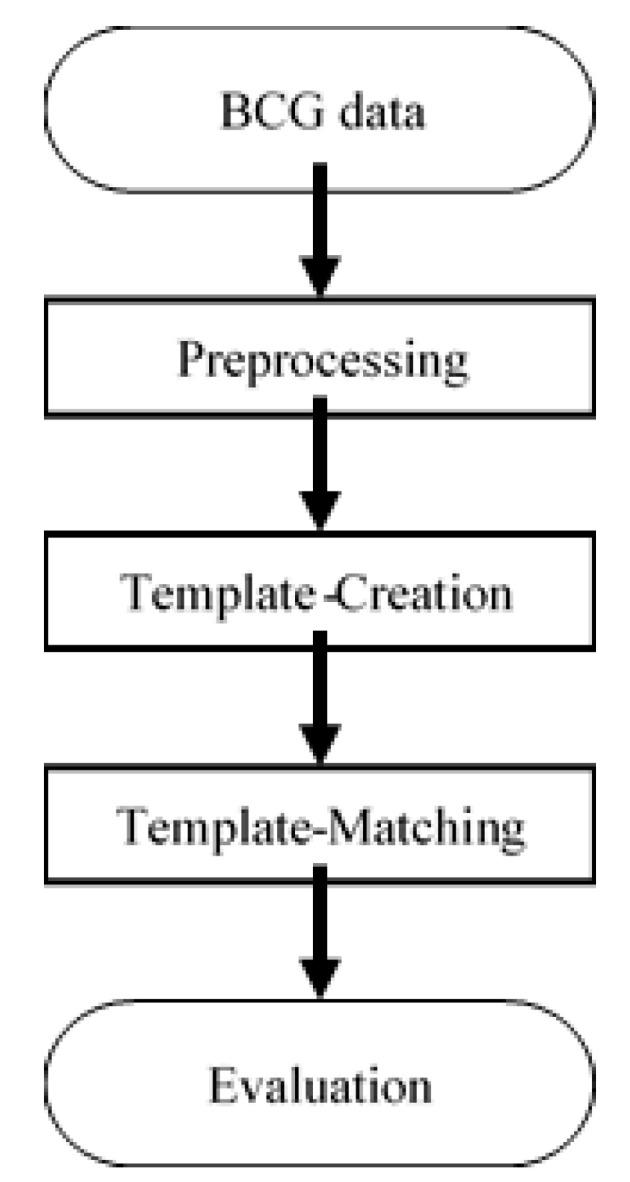
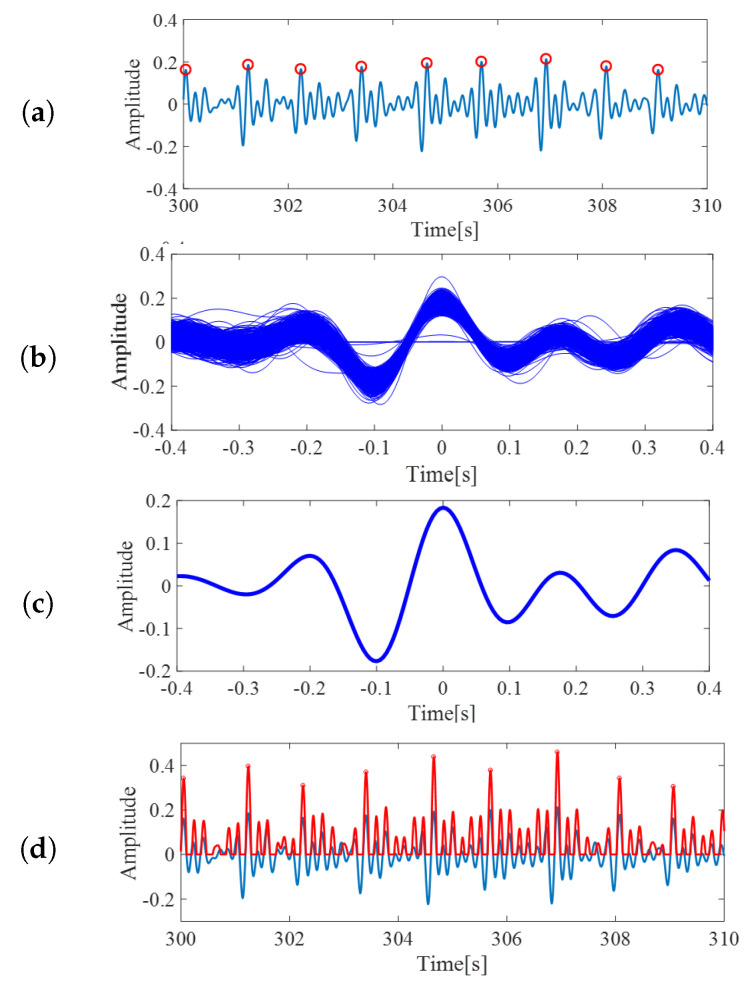
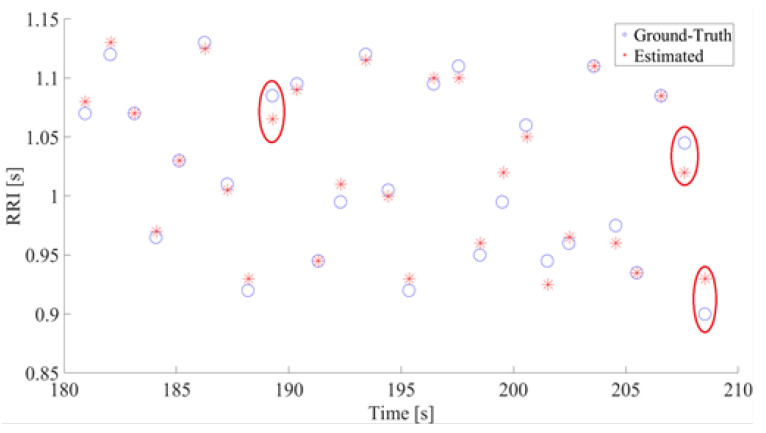
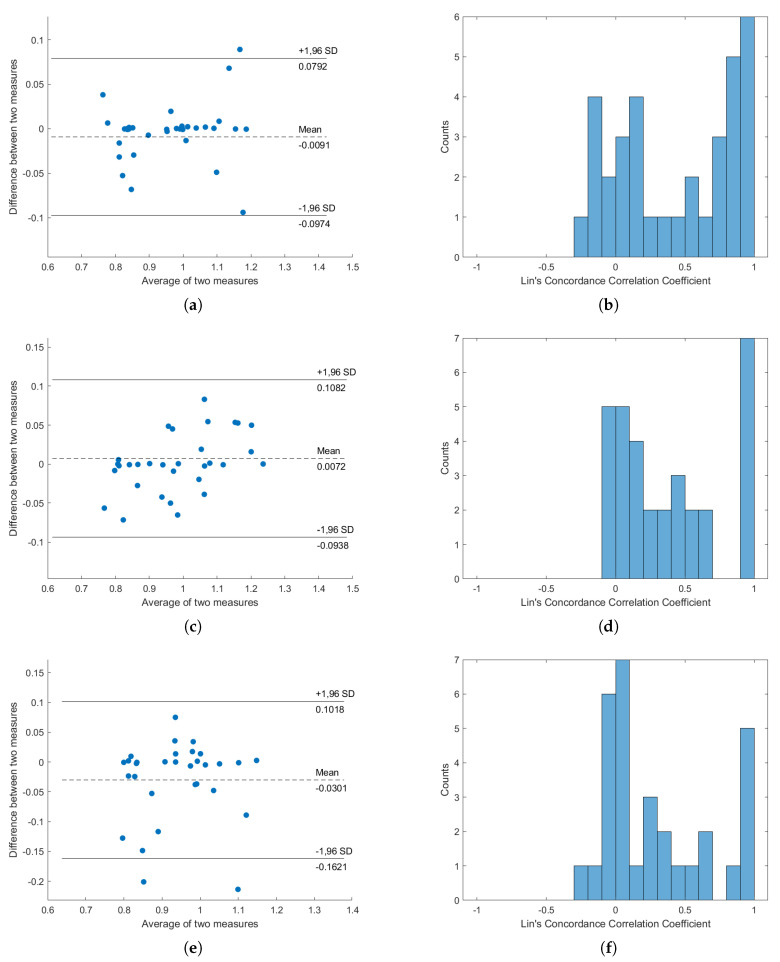
Ballistocardiogram (BCG) is a graphical representation of the subtle oscillations in body movements caused by cardiovascular activity. Although BCGs cause less burden to the user, electrocardiograms (ECGs) are still commonly used in the clinical scene due to BCG sensors' noise sensitivity. In this paper, a robust method for sleep time BCG measurement and a mathematical model for predicting sleep stages using BCG are described. The novel BCG measurement algorithm can be described in three steps: preprocessing, creation of heartbeat signal template, and template matching for heart rate variability detection. The effectiveness of this algorithm was validated with 99 datasets from 36 subjects, with photoplethysmography (PPG) to compute ground truth heart rate variability (HRV). On average, 86.9% of the inter-beat intervals were detected and the mean error was 8.5ms. This shows that our method successfully extracted beat-to-beat intervals from BCG during sleep, making its usability comparable to those of clinical ECGs. Consequently, compared to other conventional BCG systems, even more accurate sleep heart rate monitoring with a smaller burden to the patient is available. Moreover, the accuracy of the sleep stages mathematical model, validated with 100 datasets from 25 subjects, is 80%, which is higher than conventional five-stage sleep classification algorithms (max: 69%). Although, in this paper, we applied the mathematical model to heart rate interval features from BCG, theoretically, this sleep stage prediction algorithm can also be applied to ECG-extracted heart rate intervals.
心冲击图(BCG)是心血管活动引起的身体运动细微波动的图形表示。尽管 BCG 对用户的负担较小,但由于 BCG 传感器对噪声敏感,心电图(ECG)仍在临床场景中广泛使用。本文描述了一种用于睡眠时间 BCG 测量的稳健方法和一种使用 BCG 预测睡眠阶段的数学模型。新的 BCG 测量算法可以分为三个步骤描述:预处理、创建心跳信号模板以及模板匹配以检测心率变异性。该算法的有效性通过来自 36 个受试者的 99 个数据集进行了验证,使用光电容积脉搏波(PPG)计算心率变异性(HRV)的真实值。平均而言,86.9%的心动周期被检测到,平均误差为 8.5ms。这表明我们的方法成功地从睡眠期间的 BCG 中提取了心跳间隔,使其可用性可与临床 ECG 相媲美。因此,与其他传统的 BCG 系统相比,即使对患者的负担更小,也可以进行更准确的睡眠心率监测。此外,通过来自 25 个受试者的 100 个数据集验证的睡眠阶段数学模型的准确性为 80%,高于传统的五阶段睡眠分类算法(最高:69%)。虽然本文将数学模型应用于 BCG 提取的心率间隔特征,但理论上,此睡眠阶段预测算法也可以应用于从 ECG 提取的心率间隔。