Wellcome Wolfson Institute for Experimental Medicine, Queen's University of Belfast, Belfast BT97BL, Northern Ireland, UK.
Roche Pharma Research and Early Development, Immunology, Infectious Diseases and Ophthalmology (I2O) Discovery and Translational Area, Roche Innovation Center Basel, F. Hoffmann-La Roche Ltd., 4070 Basel, Switzerland.
Nutrients. 2020 Oct 6;12(10):3051. doi: 10.3390/nu12103051.
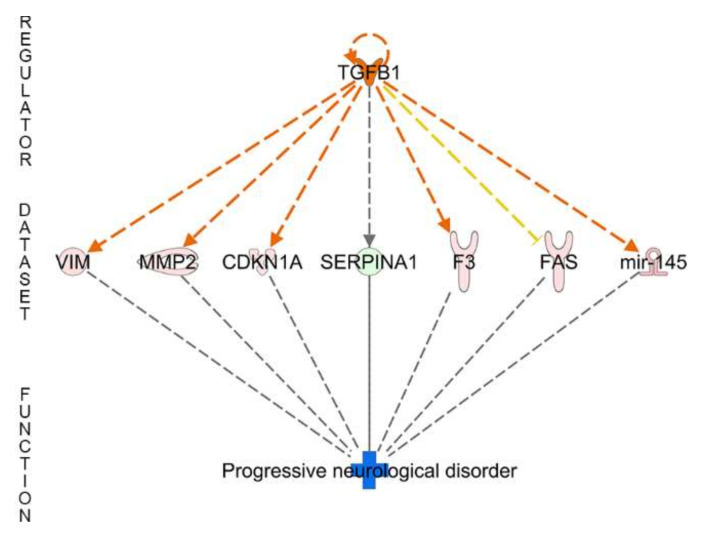
In age-related macular degeneration (AMD), both systemic and local zinc levels decline. Elevation of zinc in clinical studies delayed the progression to end-stage AMD. However, the molecular pathways underpinning this beneficial effect are not yet identified. In this study, we used differentiated primary human fetal retinal pigment epithelium (RPE) cultures and long-term zinc supplementation to carry out a combined transcriptome, proteome and secretome analysis from three genetically different human donors. After combining significant differences, we identified the complex molecular networks using Database for Annotation, Visualization and Integrated Discovery (DAVID) and Ingenuity Pathway Analysis (IPA). The cell cultures from the three donors showed extensive pigmentation, development of microvilli and basal infoldings and responded to zinc supplementation with an increase in transepithelial electrical resistance (TEER) (apical supplementation: 443.2 ± 79.3%, basal supplementation: 424.9 ± 116.8%, compared to control: 317.5 ± 98.2%). Significant changes were observed in the expression of 1044 genes, 151 cellular proteins and 124 secreted proteins. Gene set enrichment analysis revealed changes in specific molecular pathways related to cell adhesion/polarity, extracellular matrix organization, protein processing/transport, and oxidative stress response by zinc and identified a key upstream regulator effect similar to that of TGFB1.
在年龄相关性黄斑变性(AMD)中,全身和局部锌水平下降。在临床研究中,锌的升高延缓了 AMD 进展为终末期。然而,支持这种有益效果的分子途径尚未确定。在这项研究中,我们使用分化的原代人胎儿视网膜色素上皮(RPE)培养物和长期锌补充,对来自三个不同遗传背景的人进行了转录组、蛋白质组和分泌组联合分析。在结合了显著差异后,我们使用数据库注释、可视化和综合发现(DAVID)和生物信息学途径分析(IPA)来识别复杂的分子网络。来自三个供体的细胞培养物显示出广泛的色素沉着、微绒毛和基底内陷的发育,并对锌补充表现出增加的跨上皮电阻(TEER)(顶补:443.2 ± 79.3%,底补:424.9 ± 116.8%,与对照相比:317.5 ± 98.2%)。观察到 1044 个基因、151 个细胞蛋白和 124 个分泌蛋白的表达发生显著变化。基因集富集分析显示,锌对细胞黏附/极性、细胞外基质组织、蛋白质加工/运输以及氧化应激反应的特定分子途径发生了变化,并鉴定出一个与 TGFB1 相似的关键上游调控因子效应。