Department of Physiology, Yonsei University College of Medicine, Seoul 03722, Korea.
Brain Korea 21 PLUS Project for Medical Science, Yonsei University College of Medicine, Seoul 03722, Korea.
Int J Mol Sci. 2020 Oct 6;21(19):7373. doi: 10.3390/ijms21197373.
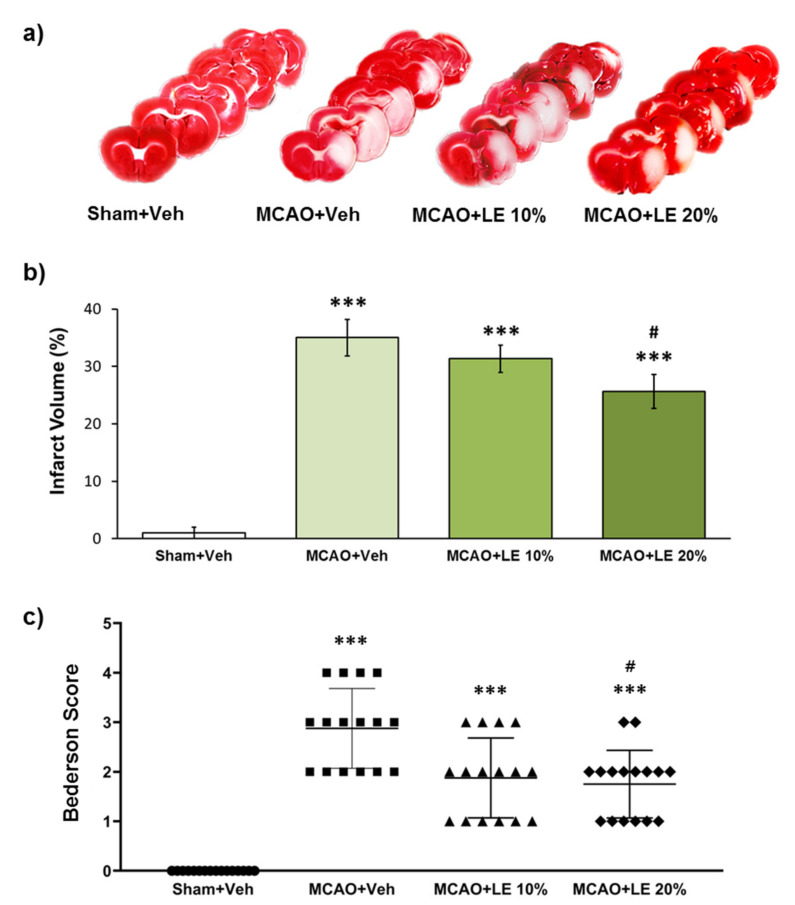
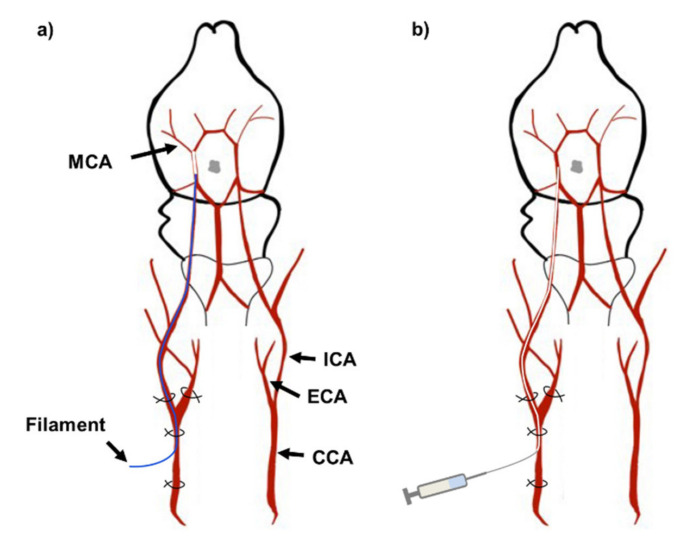
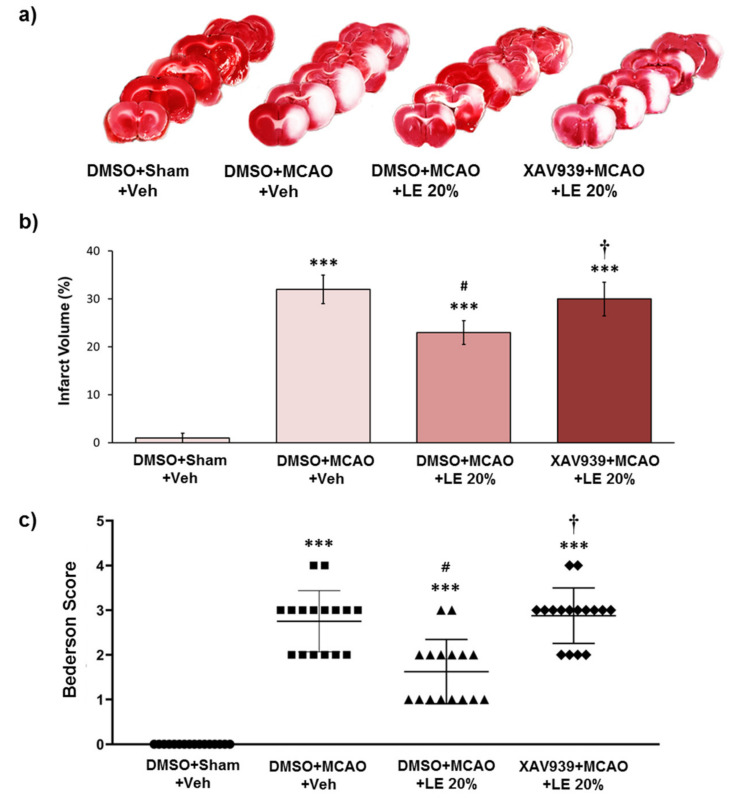
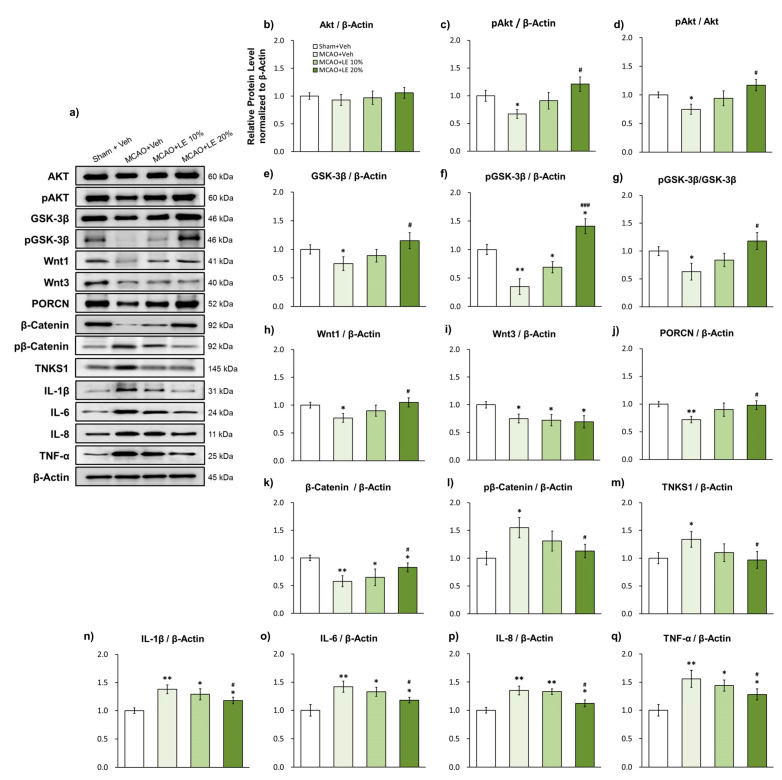
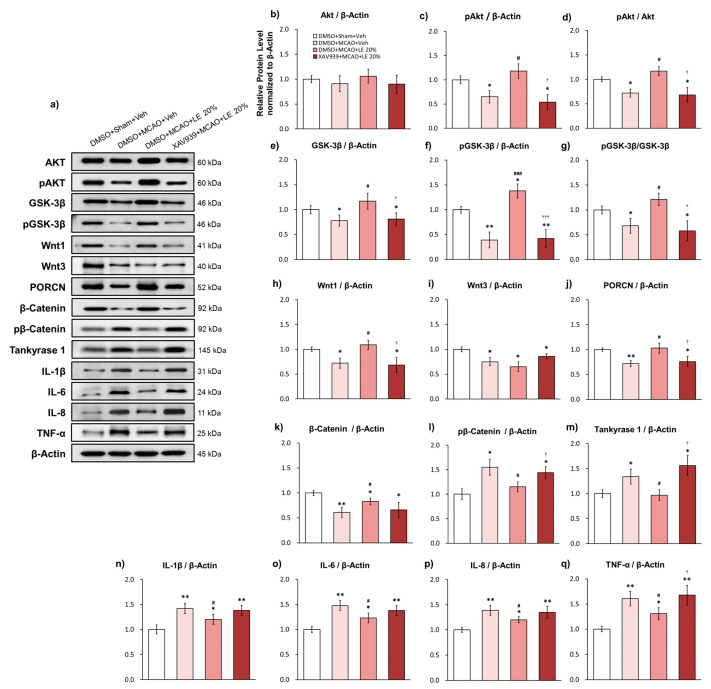
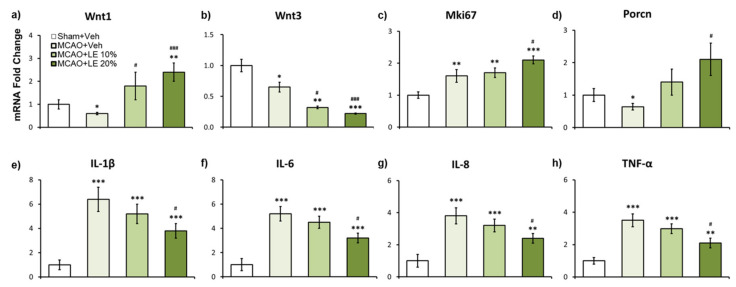
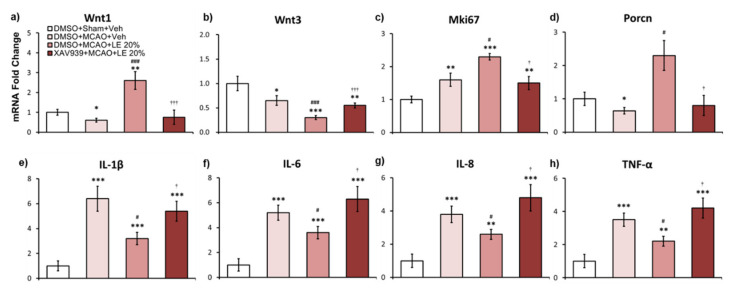
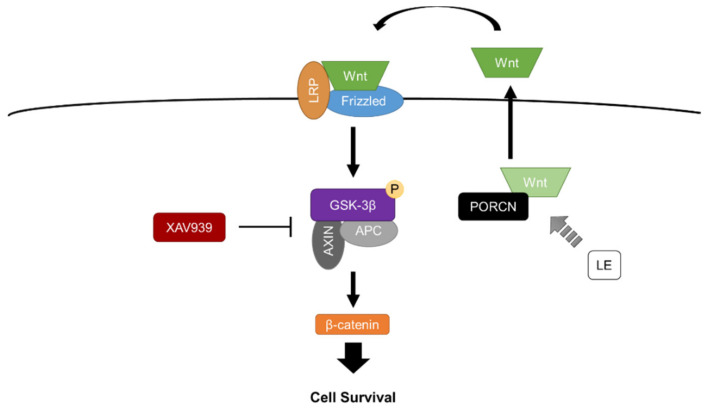
Stroke is a life-threatening condition that leads to the death of many people around the world. Reperfusion injury after ischemic stroke is a recurrent problem associated with various surgical procedures that involve the removal of blockages in the brain arteries. Lipid emulsion was recently shown to attenuate ischemic reperfusion injury in the heart and to protect the brain from excitotoxicity. However, investigations on the protective mechanisms of lipid emulsion against ischemia in the brain are still lacking. This study aimed to determine the neuroprotective effects of lipid emulsion in an in vivo rat model of ischemic reperfusion injury through middle cerebral artery occlusion (MCAO). Under sodium pentobarbital anesthesia, rats were subjected to MCAO surgery and were administered with lipid emulsion through intra-arterial injection during reperfusion. The experimental animals were assessed for neurological deficit wherein the brains were extracted at 24 h after reperfusion for triphenyltetrazolium chloride staining, immunoblotting and qPCR. Neuroprotection was found to be dosage-dependent and the rats treated with 20% lipid emulsion had significantly decreased infarction volumes and lower Bederson scores. Phosphorylation of Akt and glycogen synthase kinase 3-β (GSK3-β) were increased in the 20% lipid-emulsion treated group. The Wnt-associated signals showed a marked increase with a concomitant decrease in signals of inflammatory markers in the group treated with 20% lipid emulsion. The protective effects of lipid emulsion and survival-related expression of genes such as Akt, GSK-3β, Wnt1 and β-catenin were reversed by the intra-peritoneal administration of XAV939 through the inhibition of the Wnt/β-catenin signaling pathway. These results suggest that lipid emulsion has neuroprotective effects against ischemic reperfusion injury in the brain through the modulation of the Wnt signaling pathway and may provide potential insights for the development of therapeutic targets.
中风是一种危及生命的疾病,导致全球许多人死亡。缺血性中风后的再灌注损伤是与各种涉及脑动脉阻塞清除的手术相关的一个反复出现的问题。最近发现脂质乳剂可以减轻心脏的缺血再灌注损伤,并保护大脑免受兴奋毒性的影响。然而,关于脂质乳剂对大脑缺血的保护机制的研究仍然缺乏。本研究旨在通过大脑中动脉闭塞(MCAO)模型,在体内大鼠缺血再灌注损伤模型中确定脂质乳剂的神经保护作用。在戊巴比妥钠麻醉下,大鼠接受 MCAO 手术,并在再灌注期间通过动脉内注射给予脂质乳剂。通过神经功能缺损评估实验动物,其中在再灌注后 24 小时提取大脑进行氯化三苯基四氮唑染色、免疫印迹和 qPCR。发现神经保护作用呈剂量依赖性,用 20%脂质乳剂治疗的大鼠梗死体积明显减小,Bederson 评分降低。20%脂质乳剂处理组 Akt 和糖原合成酶激酶 3-β(GSK3-β)的磷酸化增加。Wnt 相关信号显著增加,同时用 20%脂质乳剂处理的组中炎症标志物的信号减少。脂质乳剂的保护作用以及与生存相关的基因如 Akt、GSK-3β、Wnt1 和β-catenin 的表达通过腹腔内给予 XAV939 来逆转,该药物通过抑制 Wnt/β-catenin 信号通路来实现。这些结果表明,脂质乳剂通过调节 Wnt 信号通路对大脑缺血再灌注损伤具有神经保护作用,并可能为治疗靶点的开发提供潜在的见解。