Bonini Andrea, Poma Noemi, Vivaldi Federico, Kirchhain Arno, Salvo Pietro, Bottai Daria, Tavanti Arianna, Di Francesco Fabio
Department of Chemistry and Industrial Chemistry, University of Pisa, Via G. Moruzzi 13, Pisa, Italy.
Department of Chemistry and Industrial Chemistry, University of Pisa, Via G. Moruzzi 13, Pisa, Italy.
J Pharm Biomed Anal. 2021 Jan 5;192:113645. doi: 10.1016/j.jpba.2020.113645. Epub 2020 Sep 24.
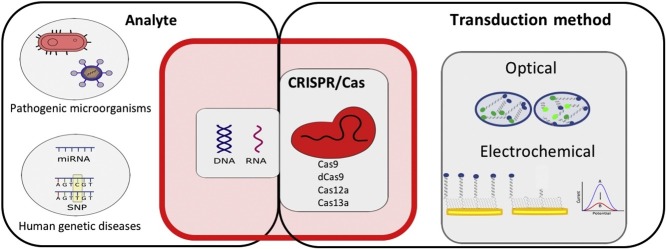
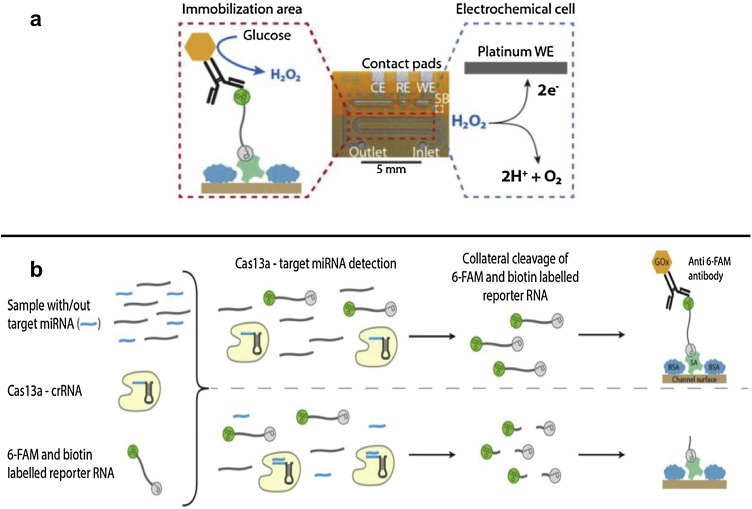
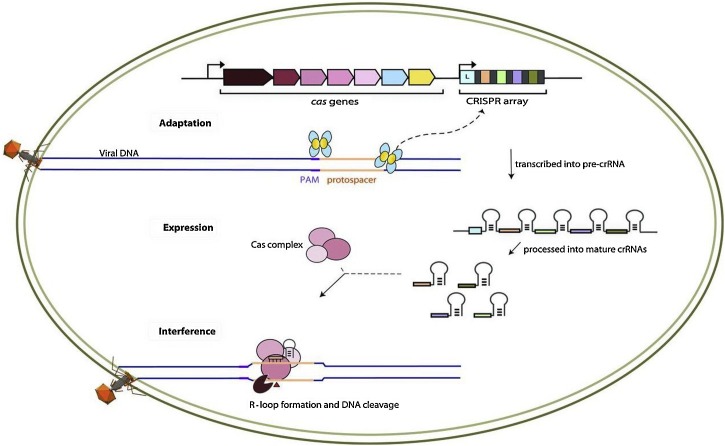
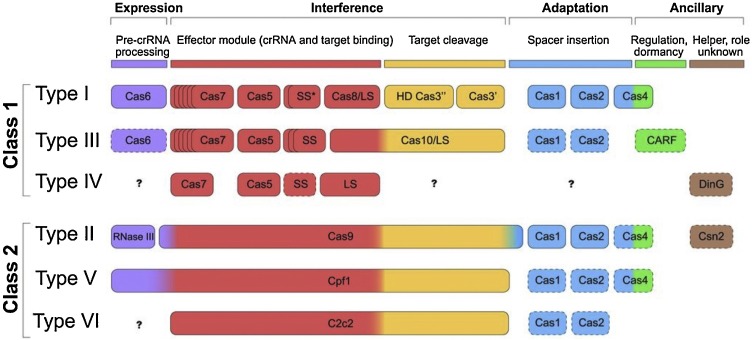
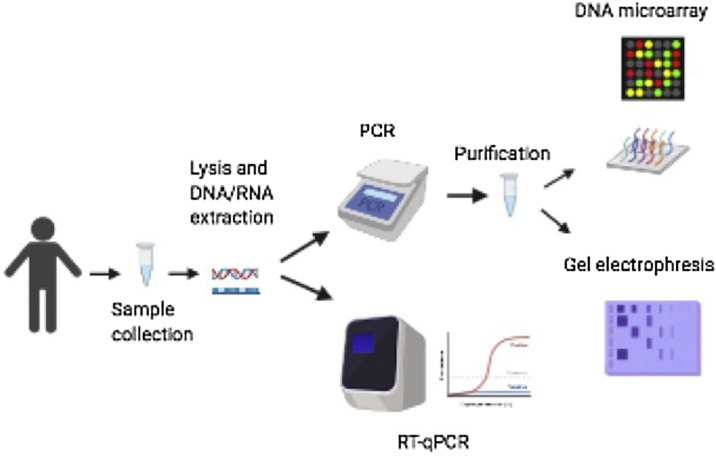
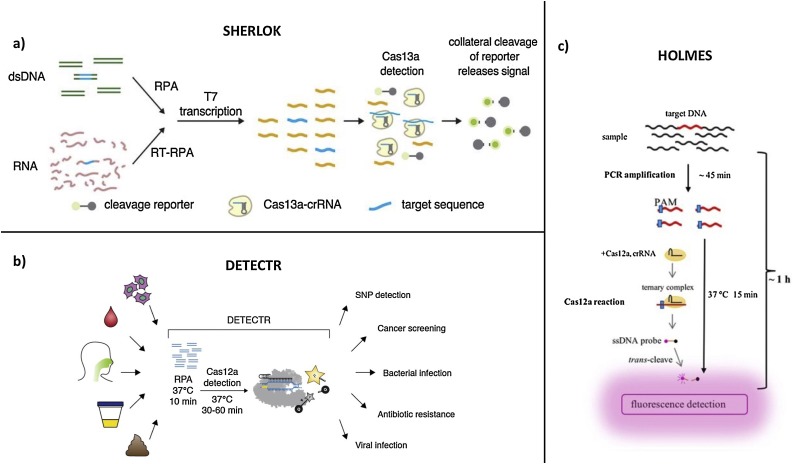
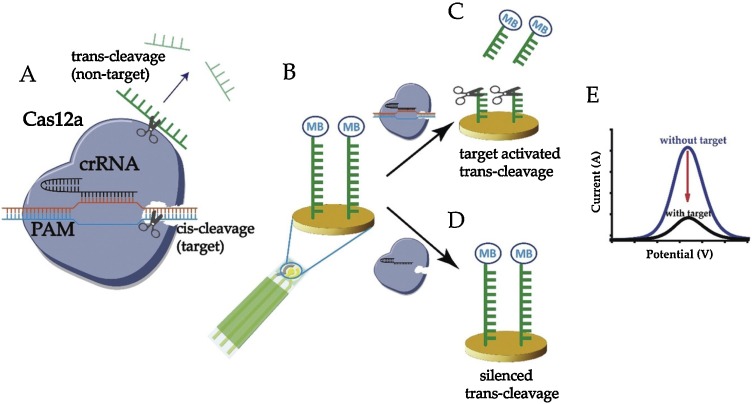
A main challenge in the development of biosensing devices for the identification and quantification of nucleic acids is to avoid the amplification of the genetic material from the sample by polymerase chain reaction (PCR), which is at present necessary to enhance sensitivity and selectivity of assays. PCR has undoubtedly revolutionized genetic analyses, but it requires careful purification procedures that are not easily implemented in point of care (POC) devices. In recent years, a new strategy for nucleic acid detection based on clustered regularly interspaced short palindromic repeats (CRISPR) and associated protein systems (Cas) seems to offer unprecedented possibilities. The coupling of the CRISPR/Cas system with recent isothermal amplification methods is fostering the development of innovative optical and electrochemical POC devices. In this review, the mechanisms of action of several new CRISRP/Cas systems are reported together with their use in biosensing of nucleic acids.
用于核酸鉴定和定量的生物传感设备开发中的一个主要挑战是避免通过聚合酶链反应(PCR)扩增样品中的遗传物质,而目前这是提高检测灵敏度和选择性所必需的。PCR无疑彻底改变了基因分析,但它需要仔细的纯化程序,而这些程序在即时检测(POC)设备中不易实施。近年来,一种基于成簇规律间隔短回文重复序列(CRISPR)和相关蛋白系统(Cas)的核酸检测新策略似乎提供了前所未有的可能性。CRISPR/Cas系统与近期等温扩增方法的结合正在推动创新的光学和电化学POC设备的发展。在本综述中,报告了几种新型CRISRP/Cas系统的作用机制及其在核酸生物传感中的应用。