School of Chinese Medicine, Li Ka Shing Faculty of Medicine, The University of Hong Kong.
Theranostics. 2020 Sep 14;10(24):11302-11323. doi: 10.7150/thno.47746. eCollection 2020.
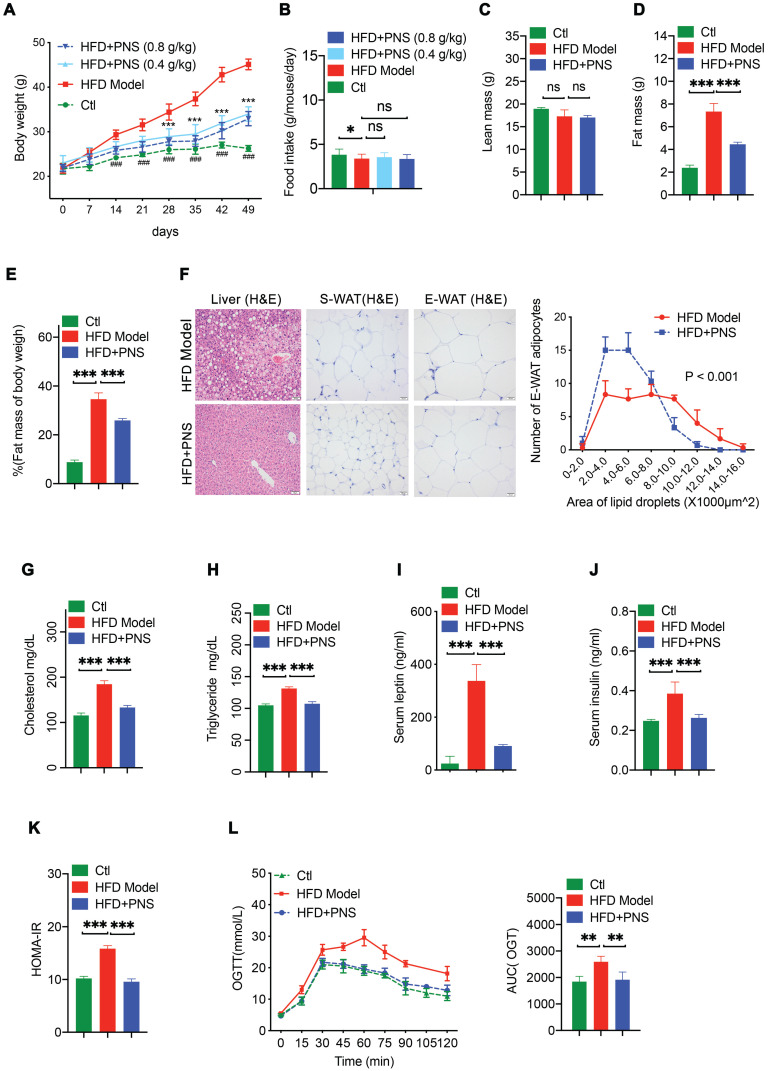
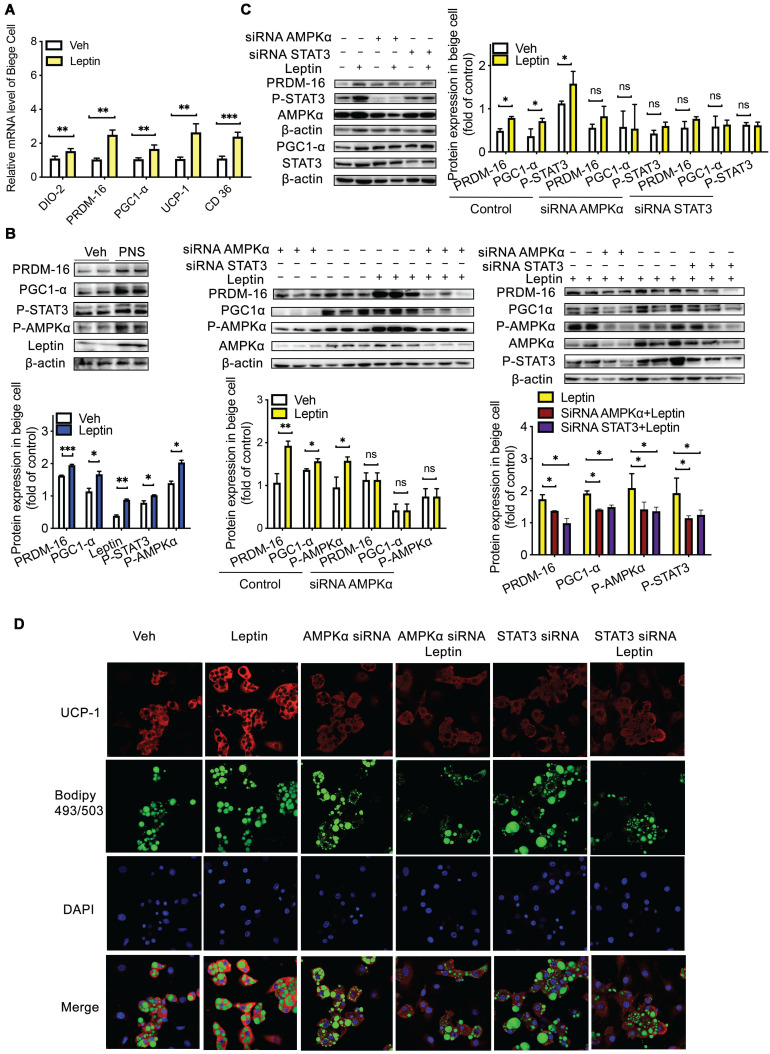
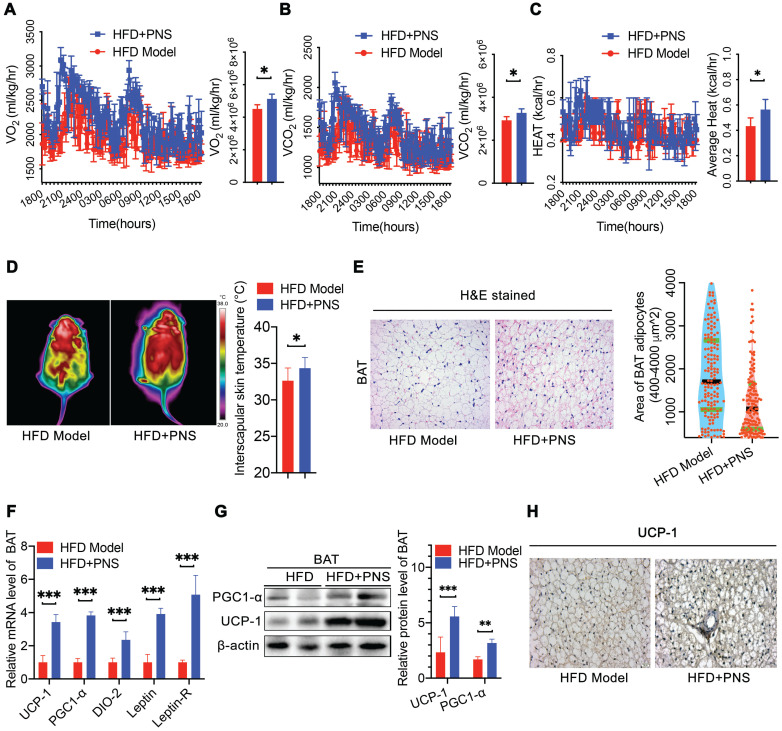
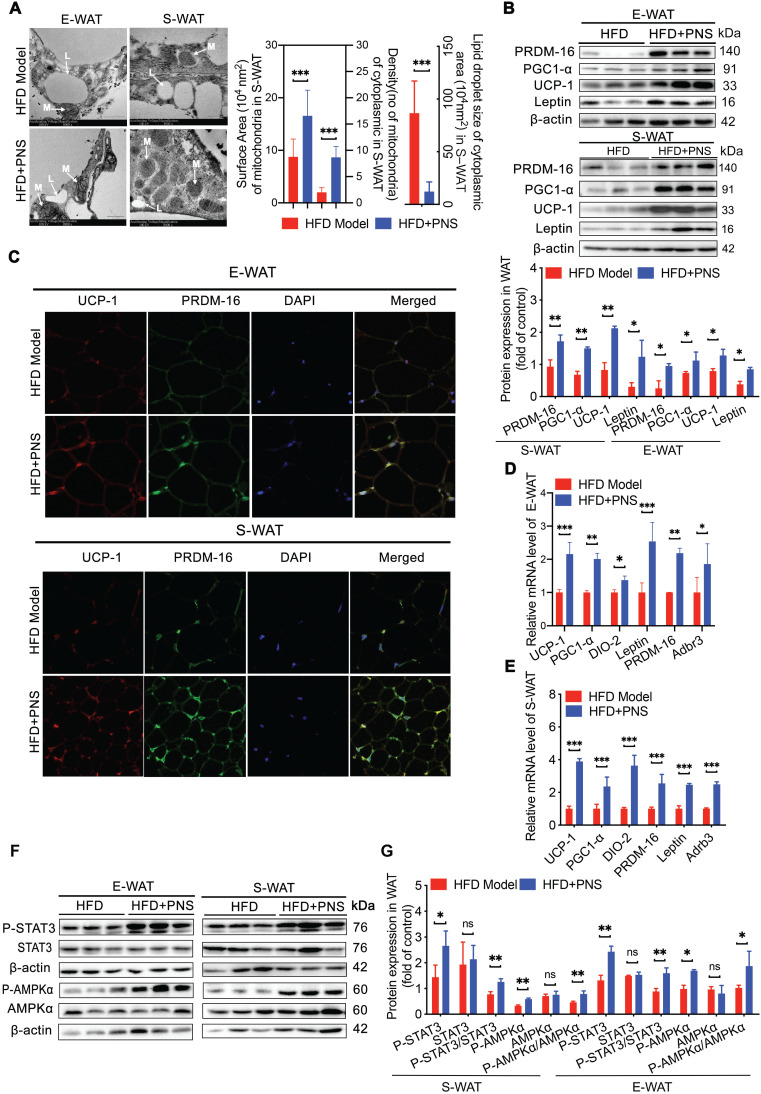
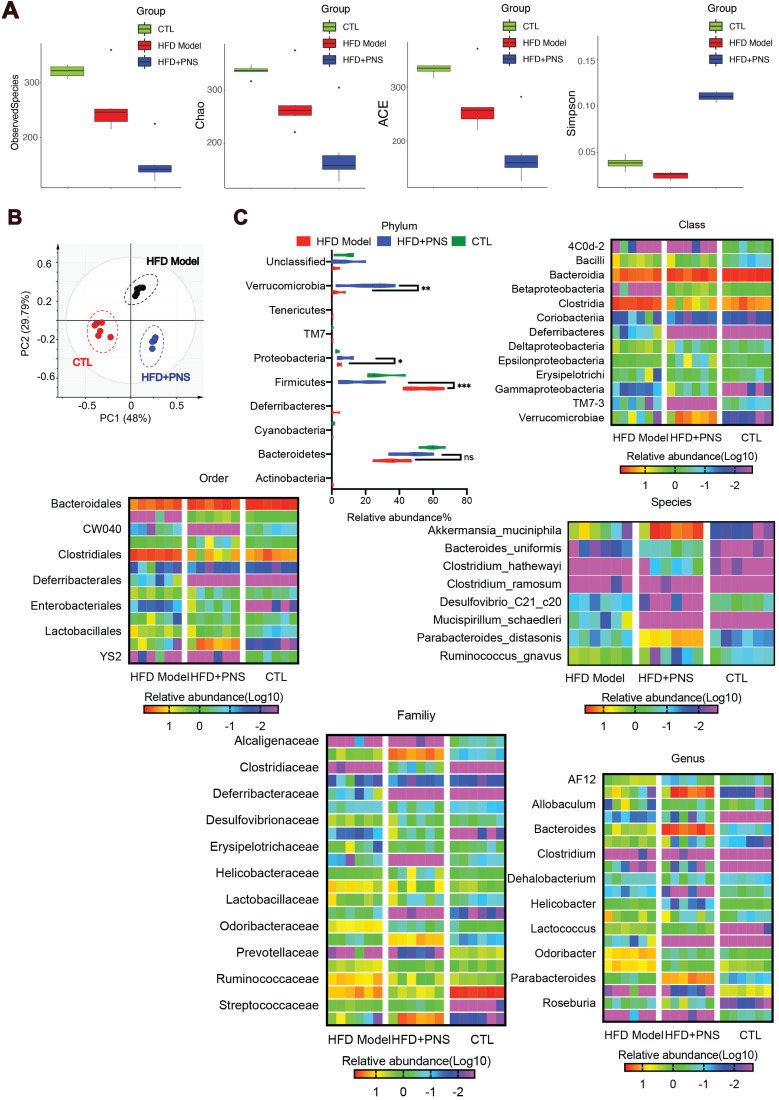
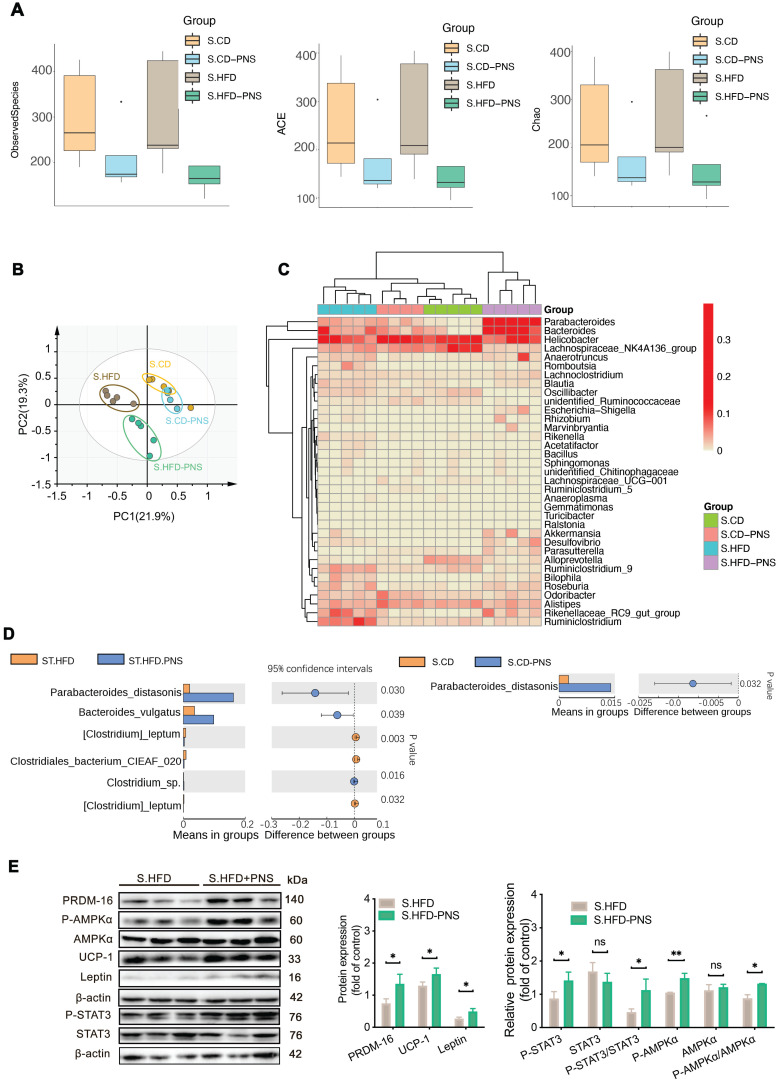
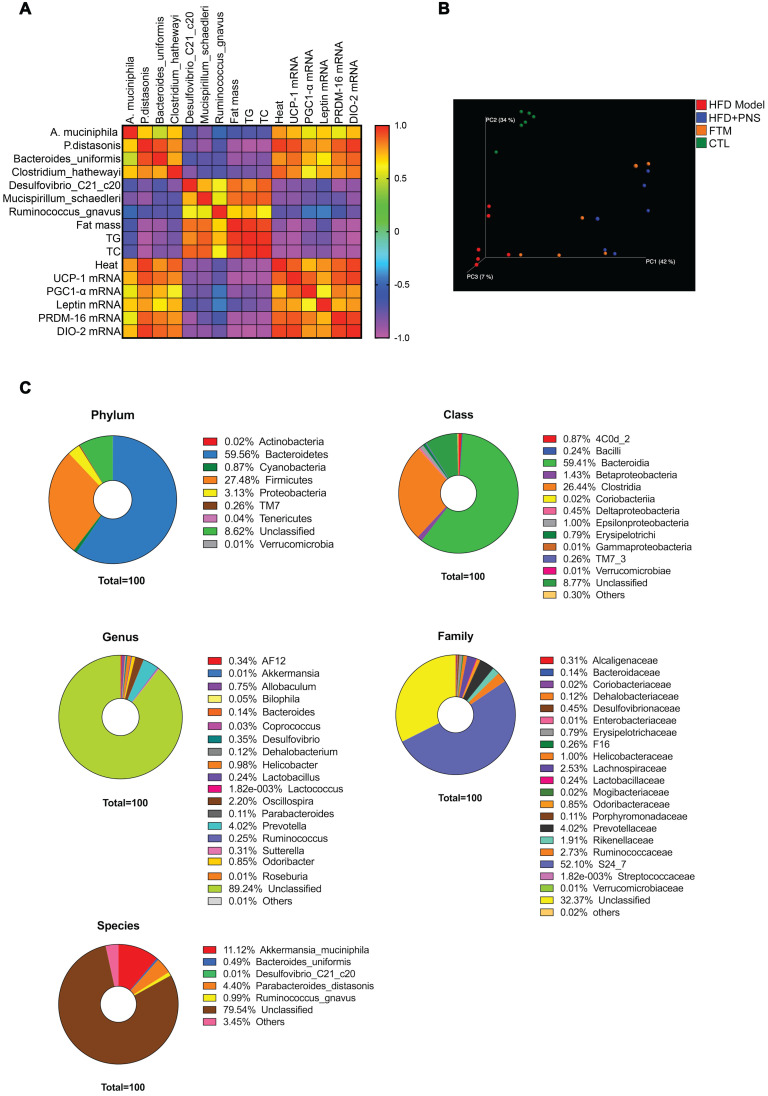
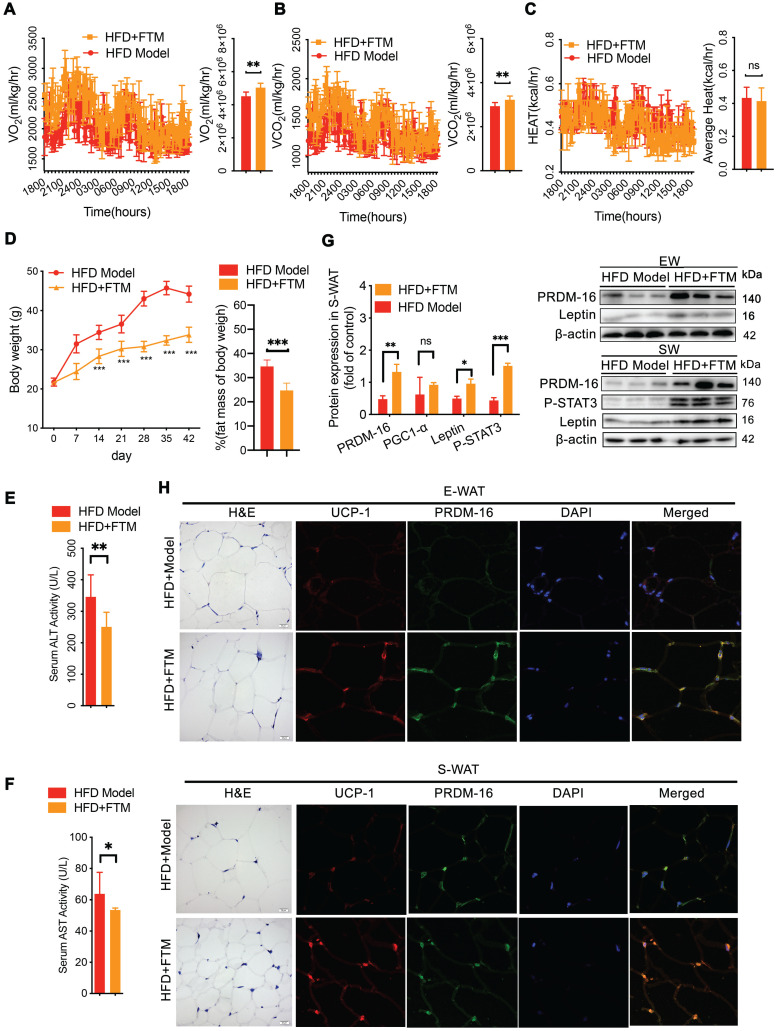
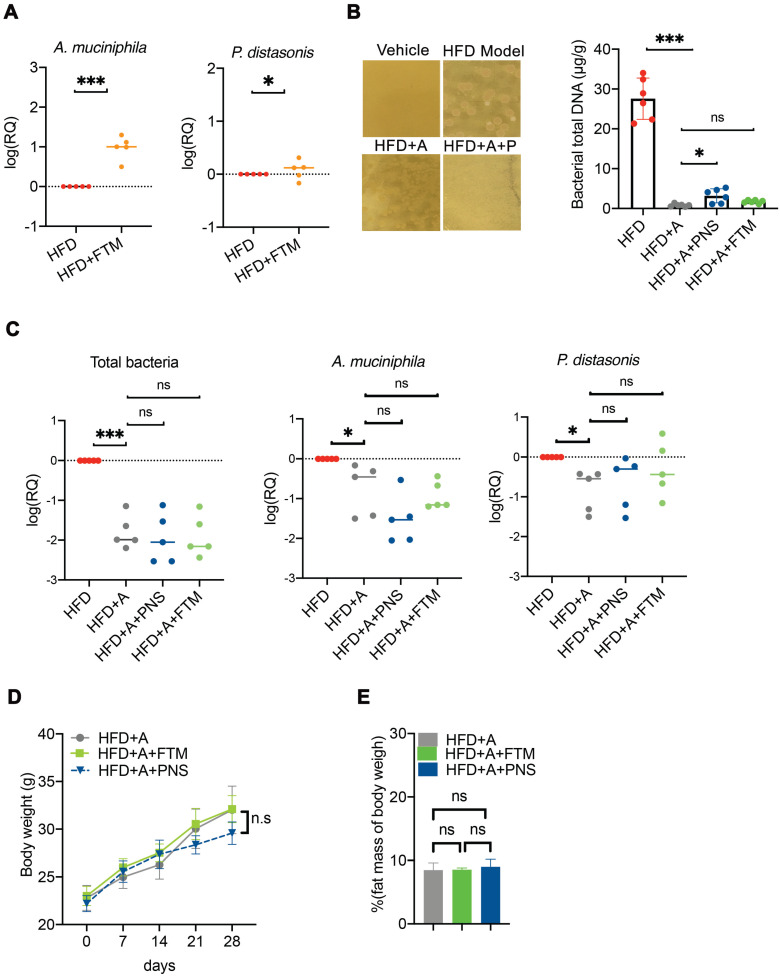
Activation of the thermogenic program in white and brown adipocytes presents a promising avenue for increasing energy expenditure during the treatment of obesity. The endogenous mechanism for promoting thermogenesis in brown adipocytes or browning in white adipocytes has indicated that the gut microbiota is a crucial regulator of the host energy balance. However, whether the effects of the therapeutic intervention-induced modulation of the gut microbiota on adipocyte browning involved the regulation of leptin remains unclear. The adipose features were analyzed by body composition analysis, infrared camera observations, transmission electron microscopy and H&E staining. The gene and protein expression in adipose tissue were detected by qRT-PCR, immunoblotting, immunohistochemistry and immunofluorescence staining. The gut microbiome signature was identified by 16S rRNA gene amplicon sequencing, and both mice with high-fat diet-induced obesity (DIO) and mice with antibiotics-induced microbiome depletion were subjected to fecal microbiota transplantation. Treatment with saponins (PNS) shaped the murine gut microbiome by increasing the abundances of and , and as a result, DIO mice harbored a distal gut microbiota with a significantly increased capacity to reduce host adiposity. The PNS-induced modulation of the gut microbiota in DIO mice could increase brown adipose tissue (BAT) thermogenesis and beige adipocyte reconstruction by activating the leptin-AMPK/STAT3 signaling pathway, which results in the promotion of energy expenditure. Leptin has an essential influence on the anti-obesity effects of PNS. In cases of leptin deficiency, the PNS-induced modulation of the gut microbiota exerts negative effects on thermogenesis and browning in white adipose tissue (WAT), which indicates that PNS fail to reduce obesity in leptin gene-deficient mice. The PNS-induced modulation of the gut microbiota exerted a minimal effect on DIO mice with antibiotic-induced microbiome depletion, which confirmed the correlation between altered gut microbiota and the remodeling of adipose tissues in DIO mice. The direct influence of leptin on browning the AMPKα/STAT3 signaling pathway in C3H101/2 cells supported our results that signalling through the leptin-AMPK/STAT3 pathway induced by the PNS-modulated gut microbiota was involved in beige adipocyte reconstruction. : Our results revealed that leptin signaling is critical for alterations in microbiota-fat crosstalk and provide promising avenues for therapeutic intervention in the treatment of obesity.
在肥胖治疗中,激活白色和棕色脂肪细胞的产热程序为增加能量消耗提供了一个很有前景的途径。促进棕色脂肪细胞产热或白色脂肪细胞棕色化的内源性机制表明,肠道微生物群是宿主能量平衡的关键调节剂。然而,治疗干预诱导的肠道微生物群调节对脂肪细胞棕色化的影响是否涉及瘦素的调节尚不清楚。通过体成分分析、红外摄像机观察、透射电子显微镜和 H&E 染色分析脂肪特征。通过 qRT-PCR、免疫印迹、免疫组织化学和免疫荧光染色检测脂肪组织中的基因和蛋白表达。通过 16S rRNA 基因扩增子测序鉴定肠道微生物组特征,并用高脂肪饮食诱导肥胖(DIO)的小鼠和抗生素诱导的微生物组耗竭的小鼠进行粪便微生物群移植。皂苷(PNS)处理通过增加 和 的丰度来塑造鼠肠道微生物群,结果是 DIO 小鼠拥有具有显著增加的宿主脂肪减少能力的远端肠道微生物群。PNS 诱导的 DIO 小鼠肠道微生物群的调节可以通过激活瘦素-AMPK/STAT3 信号通路增加棕色脂肪组织(BAT)的产热和米色脂肪细胞重构,从而促进能量消耗。瘦素对 PNS 的抗肥胖作用有重要影响。在瘦素缺乏的情况下,PNS 诱导的肠道微生物群调节对白色脂肪组织(WAT)的产热和棕色化产生负面影响,这表明 PNS 不能减少瘦素基因缺陷小鼠的肥胖。PNS 对用抗生素诱导微生物组耗竭的 DIO 小鼠的肠道微生物群调节作用很小,这证实了改变的肠道微生物群与 DIO 小鼠脂肪组织重构之间的相关性。瘦素对 C3H101/2 细胞中 AMPKα/STAT3 信号通路的直接影响支持了我们的结果,即 PNS 调节的肠道微生物群诱导的瘦素-AMPK/STAT3 通路信号参与米色脂肪细胞重构。我们的结果表明,瘦素信号对于微生物群-脂肪串扰的改变至关重要,并为肥胖治疗中的治疗干预提供了有希望的途径。