UCL EGA Institute for Women's Health, University College London, London, United Kingdom.
School of Biological Sciences, University of Essex, Colchester, United Kingdom.
PLoS Genet. 2020 Oct 13;16(10):e1009035. doi: 10.1371/journal.pgen.1009035. eCollection 2020 Oct.
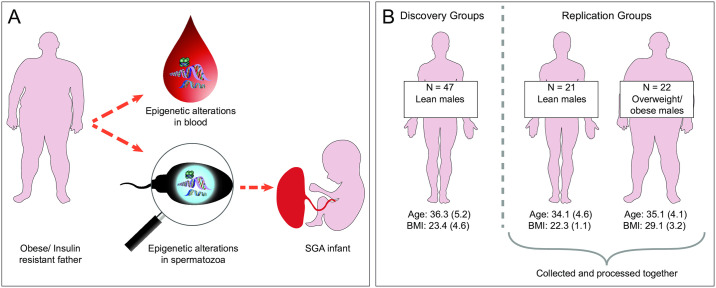
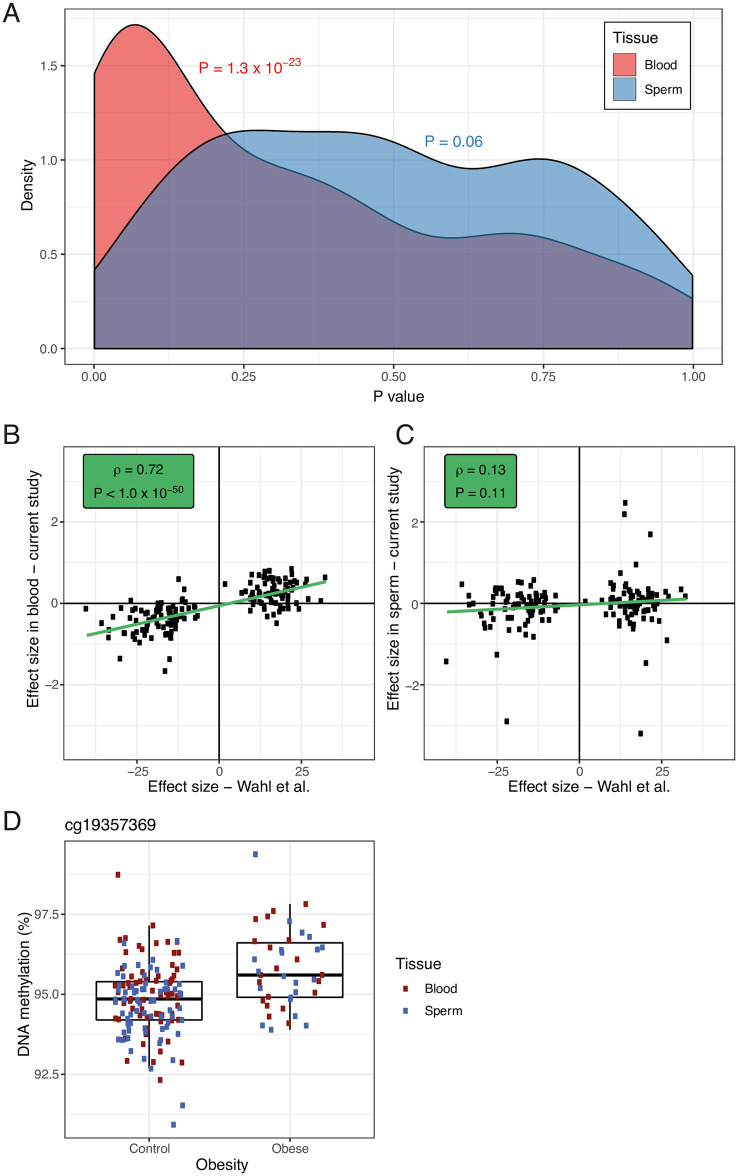
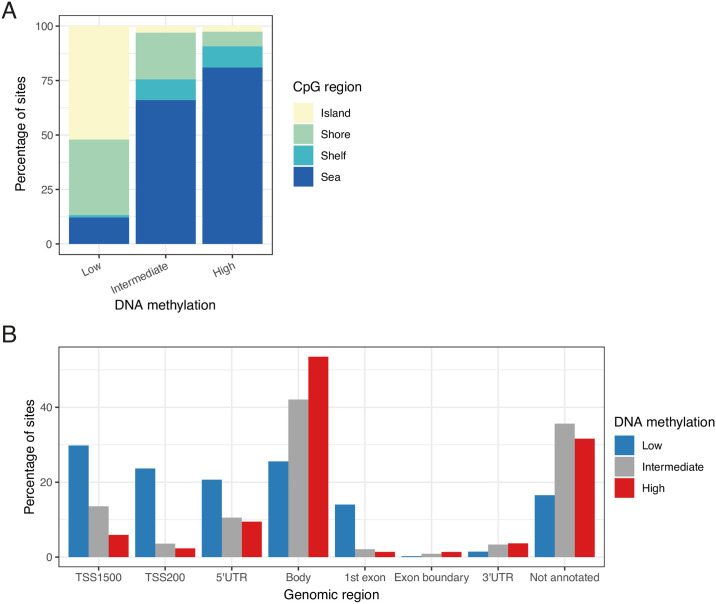
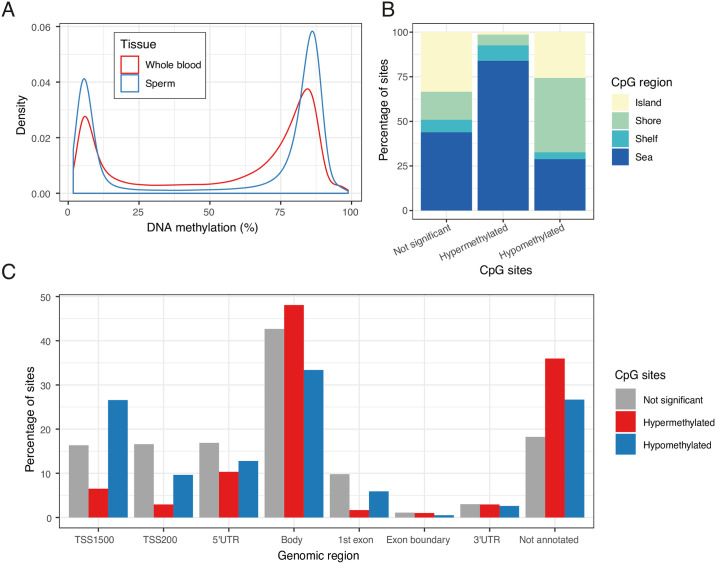
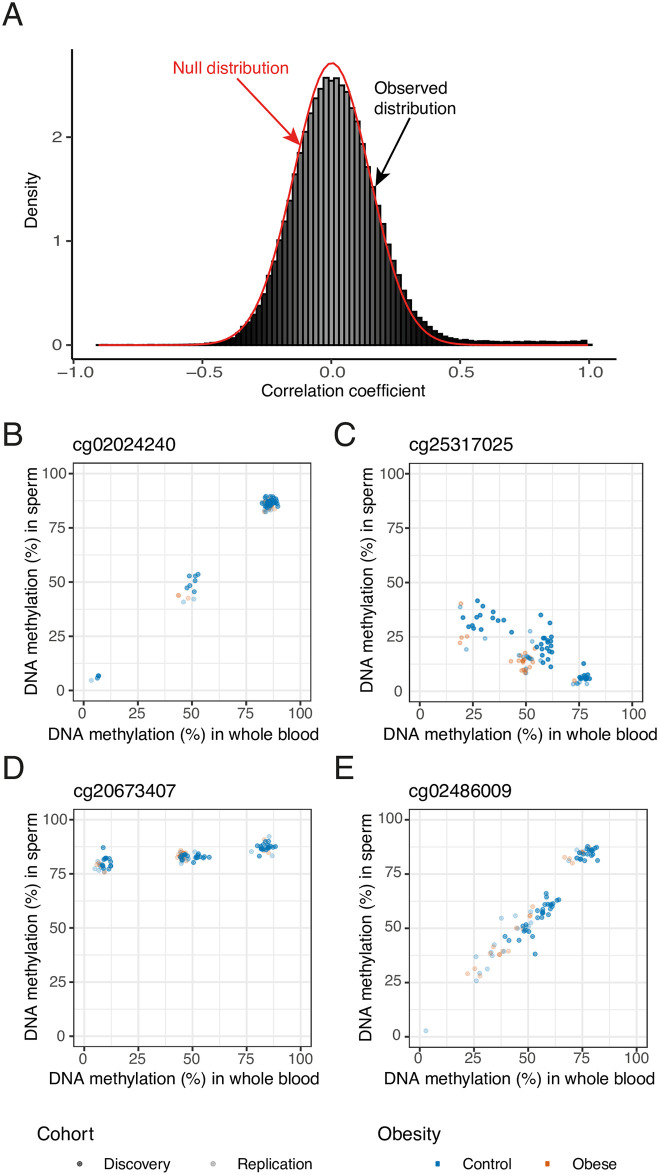
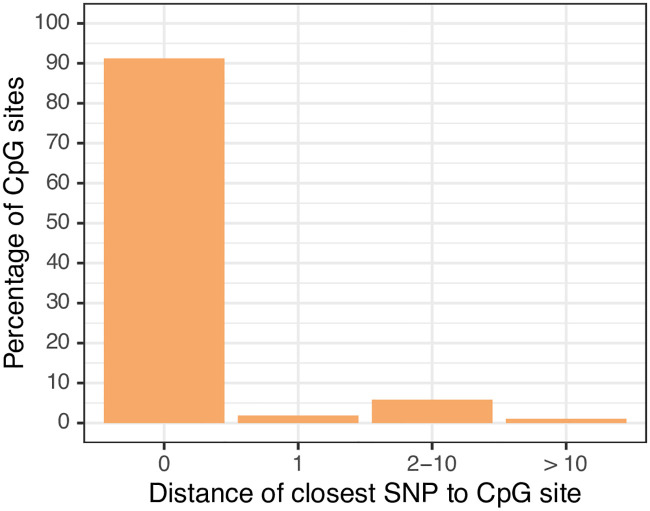
Epidemiological research suggests that paternal obesity may increase the risk of fathering small for gestational age offspring. Studies in non-human mammals indicate that such associations could be mediated by DNA methylation changes in spermatozoa that influence offspring development in utero. Human obesity is associated with differential DNA methylation in peripheral blood. It is unclear, however, whether this differential DNA methylation is reflected in spermatozoa. We profiled genome-wide DNA methylation using the Illumina MethylationEPIC array in a cross-sectional study of matched human blood and sperm from lean (discovery n = 47; replication n = 21) and obese (n = 22) males to analyse tissue covariation of DNA methylation, and identify obesity-associated methylomic signatures. We found that DNA methylation signatures of human blood and spermatozoa are highly discordant, and methylation levels are correlated at only a minority of CpG sites (~1%). At the majority of these sites, DNA methylation appears to be influenced by genetic variation. Obesity-associated DNA methylation in blood was not generally reflected in spermatozoa, and obesity was not associated with altered covariation patterns or accelerated epigenetic ageing in the two tissues. However, one cross-tissue obesity-specific hypermethylated site (cg19357369; chr4:2429884; P = 8.95 × 10⁻⁸; 2% DNA methylation difference) was identified, warranting replication and further investigation. When compared to a wide range of human somatic tissue samples (n = 5,917), spermatozoa displayed differential DNA methylation across pathways enriched in transcriptional regulation. Overall, human sperm displays a unique DNA methylation profile that is highly discordant to, and practically uncorrelated with, that of matched peripheral blood. We observed that obesity was only nominally associated with differential DNA methylation in sperm, and therefore suggest that spermatozoal DNA methylation is an unlikely mediator of intergenerational effects of metabolic traits.
流行病学研究表明,父亲肥胖可能会增加生育小于胎龄儿的风险。非人类哺乳动物的研究表明,这种关联可能是由于精子中的 DNA 甲基化变化介导的,这些变化会影响胎儿在子宫内的发育。人类肥胖与外周血中的差异 DNA 甲基化有关。然而,尚不清楚这种差异 DNA 甲基化是否反映在精子中。我们使用 Illumina MethylationEPIC 阵列在一项匹配的瘦(发现 n = 47;复制 n = 21)和肥胖(n = 22)男性的人类血液和精子的横断面研究中对全基因组 DNA 甲基化进行了分析,以分析组织 DNA 甲基化的协变,并确定与肥胖相关的甲基组特征。我们发现,人类血液和精子的 DNA 甲基化特征高度不一致,并且只有少数 CpG 位点(约 1%)的甲基化水平相关。在这些位点中的大多数中,DNA 甲基化似乎受到遗传变异的影响。血液中的肥胖相关 DNA 甲基化通常不会反映在精子中,肥胖也不会导致两种组织中变异性或加速的表观遗传衰老。然而,我们鉴定出一个跨组织肥胖特异性高甲基化位点(cg19357369;chr4:2429884;P = 8.95 × 10⁻⁸;2% 的 DNA 甲基化差异),需要进一步复制和研究。与广泛的人类体细胞样本(n = 5917)相比,精子在转录调控途径中表现出不同的 DNA 甲基化。总体而言,人类精子显示出与匹配的外周血高度不一致且几乎不相关的独特 DNA 甲基化谱。我们观察到,肥胖与精子的差异 DNA 甲基化仅有名义上的关联,因此我们认为精子 DNA 甲基化不太可能是代谢特征的代际效应的中介。