Gerontology and Diabetes Research Laboratory, Division of Geriatric Medicine, Department of Medicine, University of British Columbia, Vancouver, British Columbia, Canada
Centre for Hip Health and Mobility, University of British Columbia, Vancouver, British Columbia, Canada.
Diabetes Care. 2021 Jan;44(1):194-200. doi: 10.2337/dc20-0849. Epub 2020 Oct 16.
Increasing evidence suggests that time spent sedentary predicts increasing cardiometabolic risk independent of other physical activity. We objectively measured activity levels in active older adults and examined the association between sedentary behavior and the continuous metabolic syndrome risk score (cMSy).
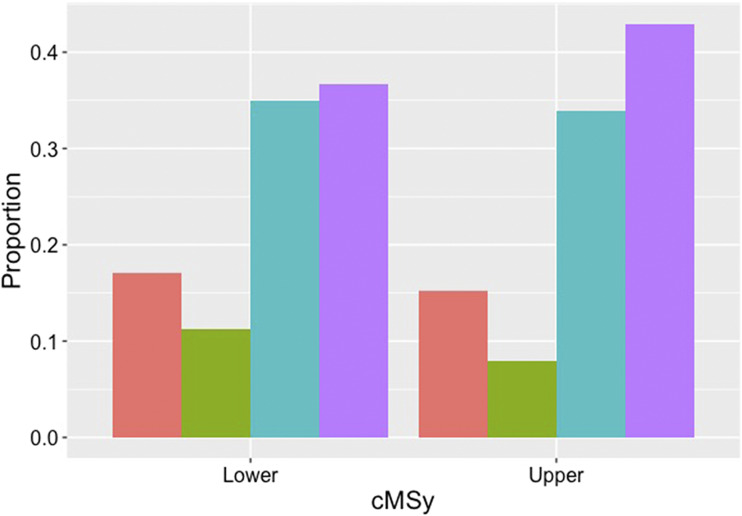
Older adults (age ≥65 years) were recruited from the Whistler Masters ski team, a group of active older adults who undergo organized group training. Daily activity levels were recorded with accelerometers (SenseWear) worn for 7 days. A compositional approach was used to determine proportion of the time spent sedentary as compared with all other nonsedentary behaviors (isometric log-ratio transformation for time spent sedentary [ILR1]). Waist circumference, triglycerides, HDL, systolic blood pressure, and fasting glucose were measured, and cMSy was calculated using principal component analysis (sum of eigenvalues ≥1.0).
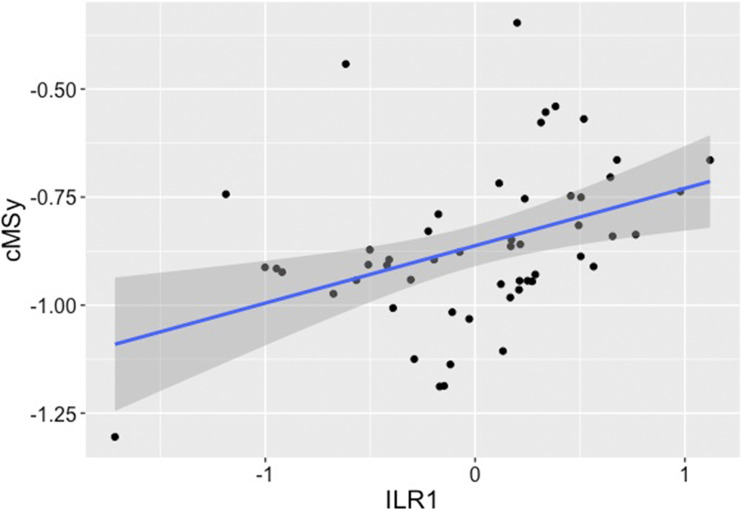
Fifty-four subjects (30 women and 24 men, mean ± SE age 71.4 ± 0.6 years) were recruited. Subjects demonstrated high levels of physical activity (2.6 ± 0.2 h light activity and 3.9 ± 0.2 h moderate/vigorous activity). In our final parsimonious model, ILR1 showed a significant positive association with increasing cMSy (standardized β = 0.368 ± 0.110, = 0.40, = 0.002), independent of age and biological sex.
Despite high levels of activity, ILR1 demonstrated a strong association with cMSy. This suggests that even in active older adults, sedentary behavior is associated with increasing cardiometabolic risk.
越来越多的证据表明,久坐时间的增加与其他身体活动无关,可预测心血管代谢风险的增加。我们客观地测量了活跃老年人的活动水平,并研究了久坐行为与连续代谢综合征风险评分(cMSy)之间的关系。
从惠斯勒大师滑雪队招募了年龄在 65 岁以上的老年人,这是一组经常进行有组织集体训练的活跃老年人。使用佩戴在身上的加速度计(SenseWear)连续 7 天记录日常活动水平。采用组成方法确定与所有其他非久坐行为相比,久坐时间的比例(久坐时间的等比对数变换[ILR1])。测量腰围、甘油三酯、高密度脂蛋白、收缩压和空腹血糖,并使用主成分分析(特征值总和≥1.0)计算 cMSy。
共招募了 54 名受试者(30 名女性和 24 名男性,平均年龄±SE 为 71.4±0.6 岁)。受试者表现出高水平的身体活动(2.6±0.2 小时轻活动和 3.9±0.2 小时中高强度活动)。在我们最后的简约模型中,ILR1 与 cMSy 的增加呈显著正相关(标准化β=0.368±0.110,t=4.0,P=0.002),独立于年龄和生物性别。
尽管活动水平较高,但 ILR1 与 cMSy 之间存在很强的关联。这表明,即使在活跃的老年人中,久坐行为也与心血管代谢风险的增加有关。