School of Pharmacy, Ningxia Medical University, Yinchuan, 750004, China.
School of Pharmacy, Ningxia Medical University, Yinchuan, 750004, China; Ningxia Engineering and Technology Research Center for Modernization of Hui Medicine, Yinchuan, 750004, China; Key Laboratory of Hui Ethnic Medicine Modernization, Ministry of Education (Ningxia Medical University), Yinchuan, 750004, China.
J Ethnopharmacol. 2021 Mar 1;267:113478. doi: 10.1016/j.jep.2020.113478. Epub 2020 Oct 16.
Tussilago farfara L. (commonly called coltsfoot), known as a vital folk medicine, have long been used to treat various respiratory disorders and consumed as a vegetable in many parts of the world since ancient times.
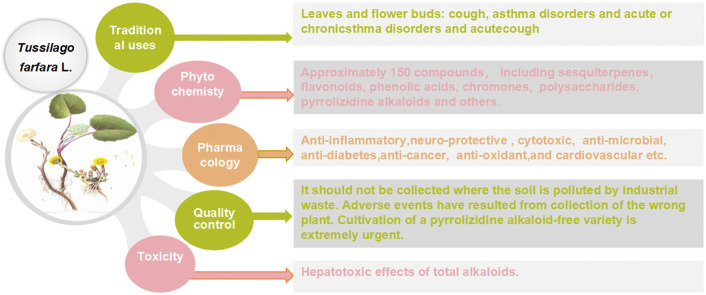
This review aims to provide a critical evaluation of the current knowledge on the ethnobotanical value, phytochemistry, pharmacology, toxicity and quality control of coltsfoot, thus provide a basis for further investigations.
A detailed literature search was obtained using various online search engines (e.g. Google Scholar, Web of Science, Science Direct, Baidu Scholar, PubMed and CNKI). Additional information was sourced from ethnobotanical literature focusing on Chinese and European flora. The plant synonyms were validated by the database 'The Plant List' (www.theplantlist.org).
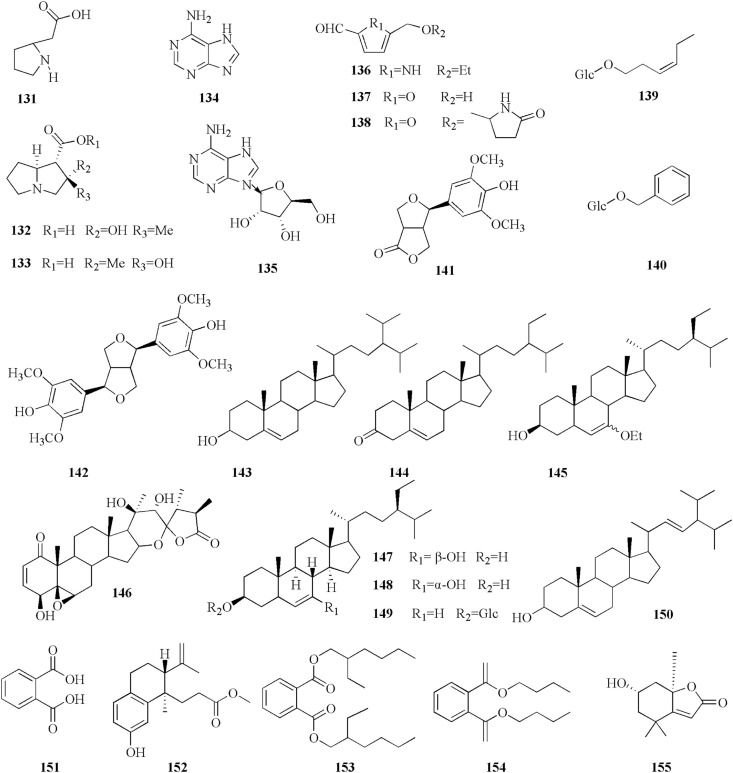
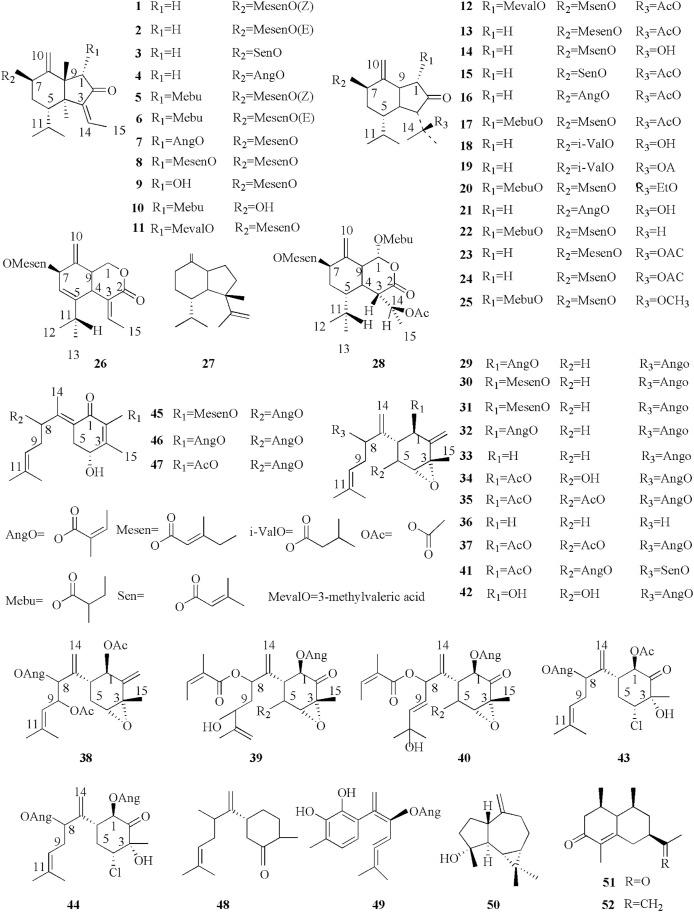
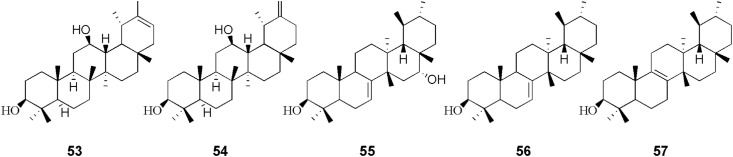
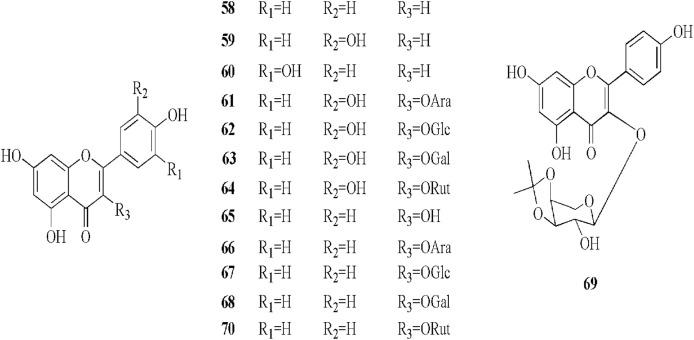
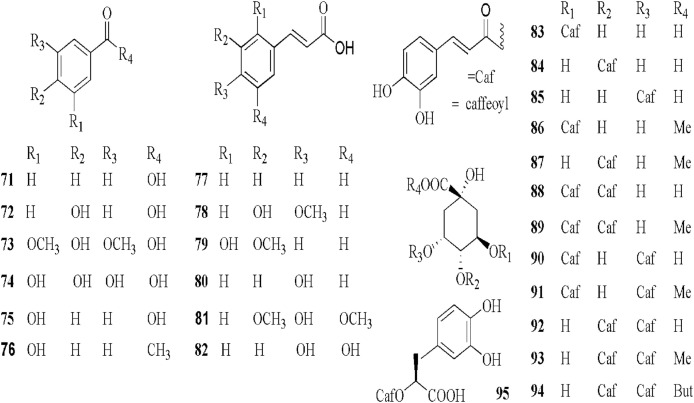
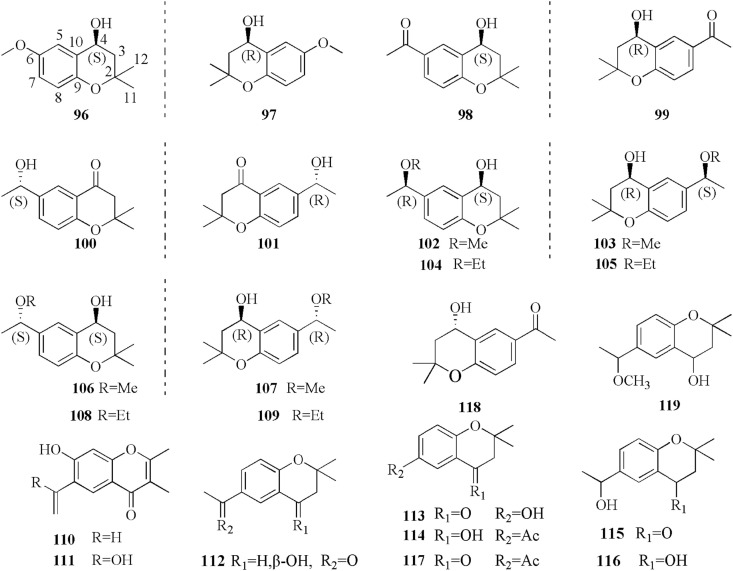
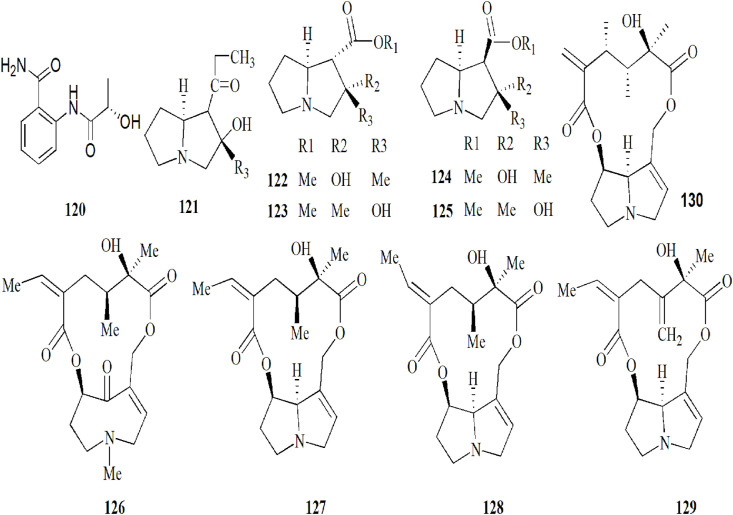
Coltsfoot has diverse uses in local and traditional medicine, but similarities have been noticed, specifically for relieving inflammatory conditions, respiratory and infectious diseases in humans. Regarding its pharmacological activities, many traditional uses of coltsfoot are supported by modern in vitro or in vivo pharmacological studies such as anti-inflammatory activities, neuro-protective activity, anti-diabetic, anti-oxidant activity. Quantitative analysis (e.g. GC-MS, UHPLC-MRM) indicated the presence of a rich (>150) pool of chemicals, including sesquiterpenes, phenolic acids, flavonoids, chromones, pyrrolizidine alkaloids (PAs) and others from its leaves and buds. In addition, adverse events have resulted from a collection of the wrong plant which contains PAs that became the subject of public concern attributed to their highly toxic.
So far, remarkable progress has been witnessed in phytochemistry and pharmacology of coltsfoot. Thus, some traditional uses have been well supported and clarified by modern pharmacological studies. Discovery of therapeutic natural products and novel structures in plants for future clinical and experimental studies are still a growing interest. Furthermore, well-designed studies in vitro particularly in vivo are required to establish links between the traditional uses and bioactivities, as well as ensure safety before clinical use. In addition, the good botanical identification of coltsfoot and content of morphologically close species is a precondition for quality supervision and control. Moreover, strict quality control measures are required in the studies investigating any aspect of the pharmacology and chemistry of coltsfoot.
款冬(俗称款冬花),作为一种重要的民间药物,长期以来一直被用于治疗各种呼吸系统疾病,并在世界许多地方被用作蔬菜。
本综述旨在对款冬的民族植物学价值、植物化学、药理学、毒性和质量控制进行批判性评价,为进一步的研究提供依据。
使用各种在线搜索引擎(如 Google Scholar、Web of Science、Science Direct、百度学术、PubMed 和中国知网)进行详细的文献检索。还从专注于中国和欧洲植物区系的民族植物学文献中获取了额外的信息。植物同义词通过数据库“植物名录”(www.theplantlist.org)进行验证。
款冬在当地和传统医学中有多种用途,但也有一些相似之处,特别是在缓解炎症、呼吸和传染病方面。关于其药理活性,许多传统用途都得到了现代体外或体内药理学研究的支持,如抗炎活性、神经保护活性、抗糖尿病、抗氧化活性。定量分析(如 GC-MS、UHPLC-MRM)表明,其叶和芽中含有丰富的(>150 种)化学物质,包括倍半萜、酚酸、类黄酮、色酮、吡咯里西啶生物碱(PAs)和其他物质。此外,由于采集了含有 PAs 的错误植物,导致了一些不良反应事件,这引起了公众的关注,因为 PAs 具有高度毒性。
迄今为止,款冬的植物化学和药理学已经取得了显著的进展。因此,一些传统用途已经得到了现代药理学研究的很好支持和阐明。发现治疗天然产物和植物中的新型结构,以用于未来的临床和实验研究,仍然是一个不断增长的兴趣。此外,需要进行设计良好的体外特别是体内研究,以建立传统用途与生物活性之间的联系,并在临床使用前确保安全性。此外,对款冬及其形态上相似的种的良好植物学鉴定是质量监督和控制的前提条件。此外,在研究款冬的药理学和化学的任何方面时,都需要严格的质量控制措施。