Kwak Seyul, Park Soowon, Kim Jeongsim, Park Seho, Lee Jun-Young
Department of Psychiatry, Seoul National University College of Medicine & SMG-SNU Boramae Medical Center, Republic of Korea.
Division of Teacher Education, Kyonggi University, Republic of Korea.
Neuroimage Clin. 2020;28:102452. doi: 10.1016/j.nicl.2020.102452. Epub 2020 Sep 28.
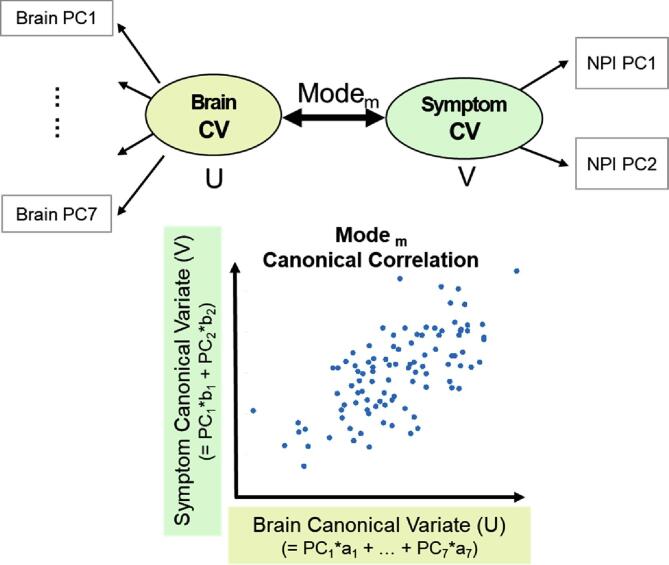
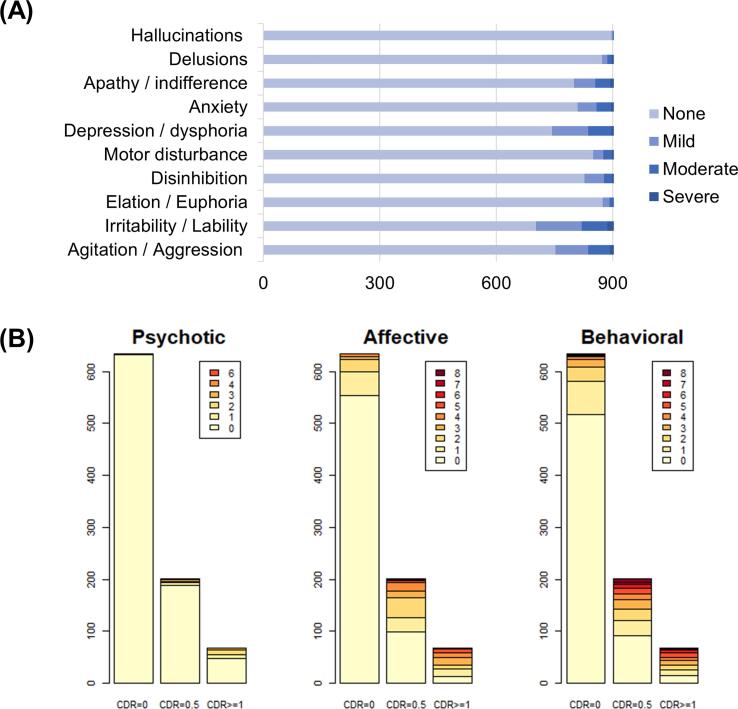
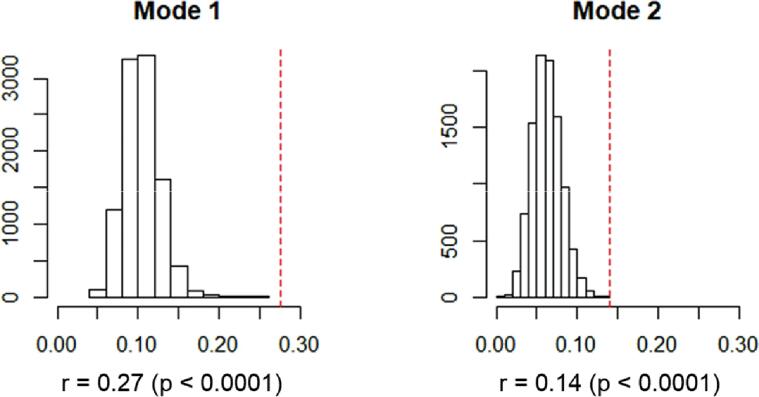
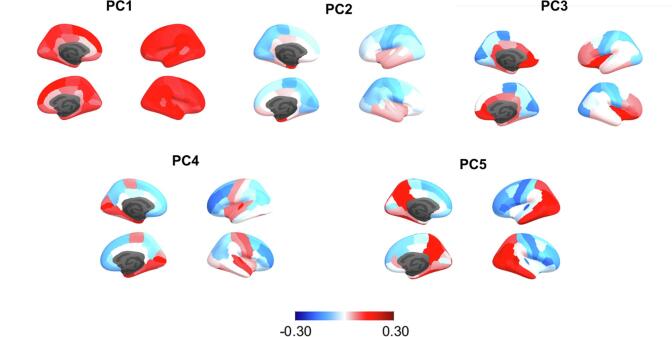
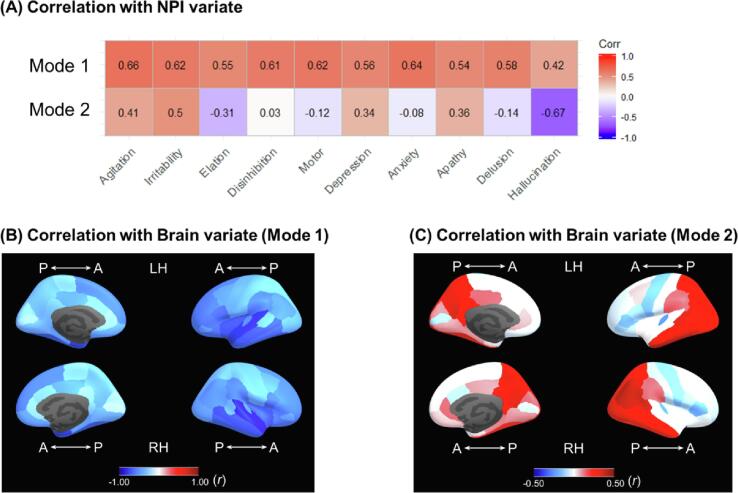
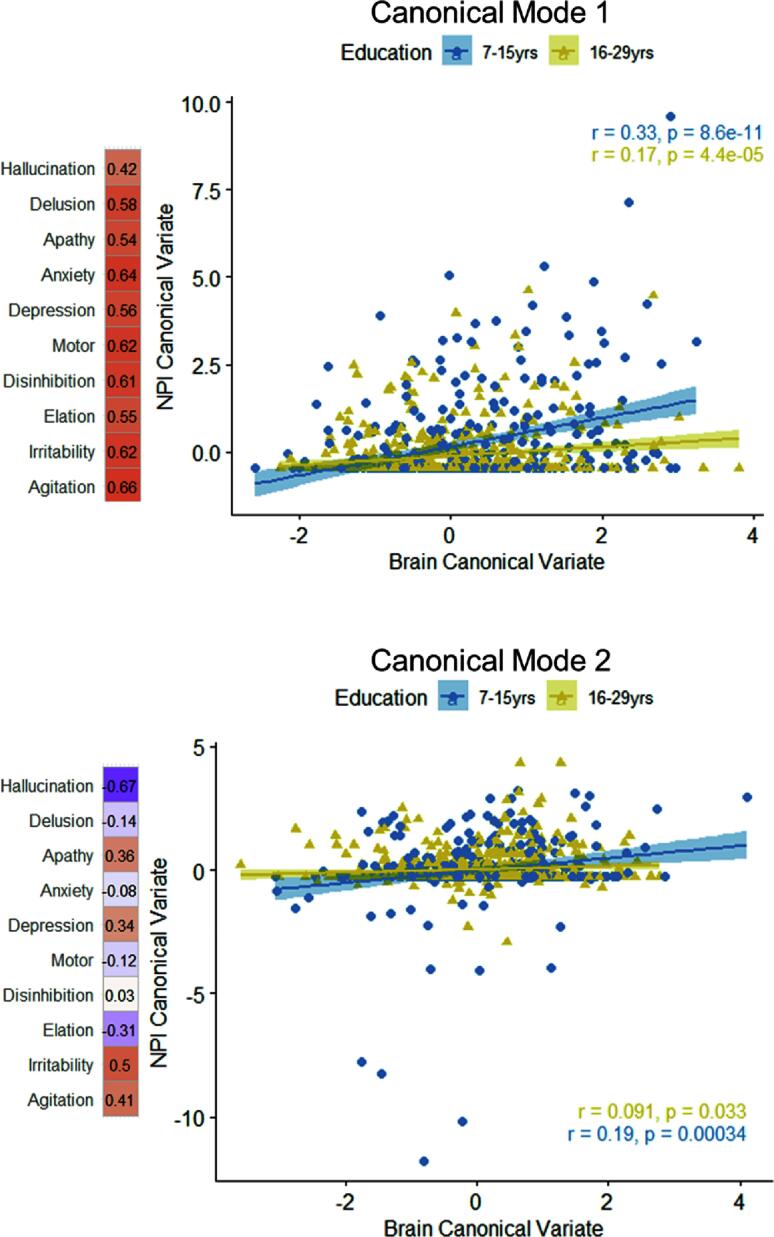
Neuropsychiatric symptoms are commonly observed as brain pathology progresses with dementia. Behavioral and affective disturbances underly the distinct neuroanatomical basis of typical symptoms of cognitive impairment; however it remains unclear whether enriched intellectual experience, such as educational attainment, can mitigate the effect of brain structural patterns on neuropsychiatric symptom severity. We utilized the Open Access Series of Imaging Studies (OASIS-3) dataset, which includes brain structural MRI and behavioral symptom evaluation. We included 904 older adults who were mostly cognitively normal, clinically diagnosed with very mild to moderate Alzheimer's disease, or other types of dementia. Canonical correlation analysis was used to identify the patterns of multivariate association between the gray matter structure and neuropsychiatric symptom severity. First, we identified two canonical modes capturing the distinct neuroanatomical basis of common and mood-specific factors of neuropsychiatric symptoms. The first common pattern reflected a smaller volume in the amygdala and adjacent temporal regional thickness. The second mood-specific pattern reflected patterns in lateral and orbital prefrontal regional thickness. In the external correlational analysis, the two canonical correlations reflected global brain volume and white matter lesions; however, the second pattern was not associated with functional impairments or cognitive function. Moreover, older adults with higher education showed an attenuated severity of behavioral symptoms, even with the presence of a brain structural pattern. Our findings suggest that educational attainment, as a proxy of cognitive reserve, can mitigate the severity of behavioral and affective symptoms of dementia.
随着痴呆症患者脑病理学的进展,神经精神症状很常见。行为和情感障碍是认知障碍典型症状独特神经解剖学基础的原因;然而,丰富的智力体验,如受教育程度,是否能减轻脑结构模式对神经精神症状严重程度的影响仍不清楚。我们使用了开放获取影像研究系列(OASIS - 3)数据集,其中包括脑结构MRI和行为症状评估。我们纳入了904名老年人,他们大多认知正常,临床诊断为非常轻度至中度阿尔茨海默病或其他类型的痴呆症。典型相关分析用于识别灰质结构与神经精神症状严重程度之间的多变量关联模式。首先,我们确定了两种典型模式,它们捕捉了神经精神症状常见因素和情绪特定因素的不同神经解剖学基础。第一种常见模式反映杏仁核体积较小以及相邻颞叶区域厚度减小。第二种情绪特定模式反映外侧和眶额前区厚度的模式。在外部相关分析中,两种典型相关性反映了全脑体积和白质病变;然而,第二种模式与功能损害或认知功能无关。此外,即使存在脑结构模式,受教育程度较高的老年人行为症状的严重程度也有所减轻。我们的研究结果表明,作为认知储备指标的受教育程度可以减轻痴呆症行为和情感症状的严重程度。