Department of Nutrition and Dietetics, Faculty of Health Sciences, Istinye University, Topkapı Campus, Maltepe Neighbourhood, Teyyareci Sami Street, Building no.3, Zeytinburnu, İstanbul34010, Turkey.
Public Health Nutr. 2021 Feb;24(3):512-518. doi: 10.1017/S1368980020004140. Epub 2020 Oct 19.
It is known that social isolation process has an impact on individuals' eating behaviours. Continuing nutritional behaviour resulting from emotional eating, uncontrolled eating and cognitive restriction may turn into eating disorders in the future. The purpose of this study is to evaluate the possible effects of Corona Virus Disease-2019 (COVID-19) pandemic and social isolation process on individuals' nutritional behaviours and body weight changes.
Retrospective cohort study.
Nutritional behaviours of the participants before the COVID-19 pandemic and in the social isolation process were evaluated with the Three Factor Nutrition Questionnaire. The changes in individuals' body weight during this period were also evaluated.
A total of 1036 volunteer individuals (827 women, 209 men) aged 18 years and over participated in the study.
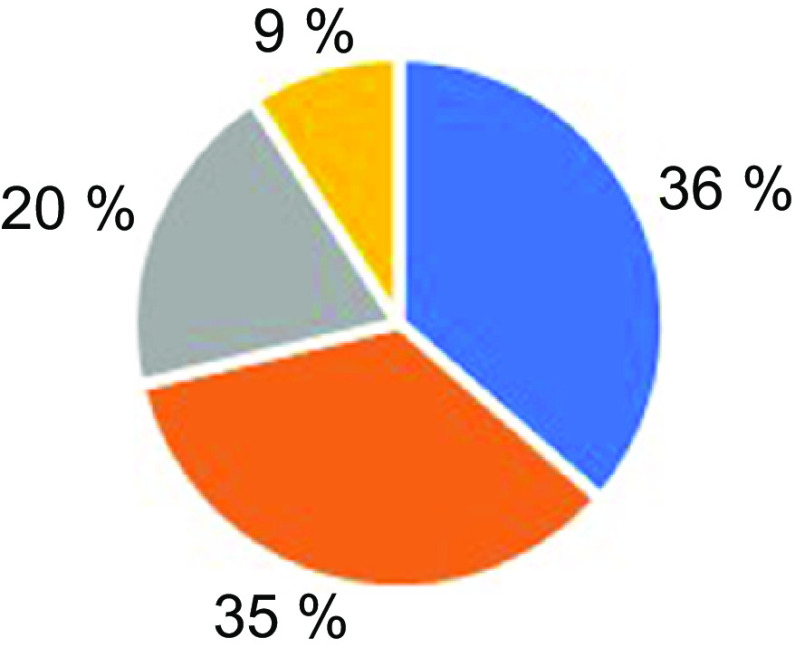
During the COVID-19 pandemic and social isolation process, there was an increase in emotional eating and uncontrolled eating behaviours of individuals, but no significant change in cognitive restriction behaviour occurred (P = <0·00; P = <0·00 and P = 0·53, respectively). It was reported that the body weight of 35 % of the individuals who participated in the study increased during this period.
Social isolation process practiced as a result of COVID-19 pandemic may lead to changes in some nutritional behaviours. Some precautions should be taken to prevent this situation that occurs in nutritional behaviours from causing negative health problems in the future.
众所周知,社交隔离过程会对个体的饮食行为产生影响。持续的情绪化进食、失控性进食和认知限制所导致的营养行为可能会在未来发展为饮食障碍。本研究旨在评估 2019 年冠状病毒病(COVID-19)大流行和社交隔离过程对个体营养行为和体重变化的可能影响。
回顾性队列研究。
采用三因素营养问卷评估参与者在 COVID-19 大流行前和社交隔离期间的营养行为。在此期间,还评估了个体体重的变化。
共有 1036 名年龄在 18 岁及以上的志愿者参与了这项研究(827 名女性,209 名男性)。
在 COVID-19 大流行和社交隔离期间,个体的情绪化进食和失控性进食行为增加,但认知限制行为没有显著变化(P<0·00;P<0·00 和 P=0·53)。研究报告称,在此期间,35%的参与者体重增加。
由于 COVID-19 大流行而实施的社交隔离过程可能导致某些营养行为的改变。应采取一些预防措施,以防止这种情况在营养行为中发生,从而导致未来的负面健康问题。