Sevastre-Berghian Alexandra C, Ielciu Irina, Mitre Andrei Otto, Filip Gabriela A, Oniga Ilioara, Vlase Laurian, Benedec Daniela, Gheldiu Ana-Maria, Toma Vlad A, Mihart Bianca, Mihuţ Andra, Bâldea Ioana, Olteanu Diana, Chis Irina C, Clichici Simona V, Hanganu Daniela
Department of Physiology, Faculty of Medicine, "Iuliu Haţieganu" University of Medicine and Pharmacy, Cluj-Napoca, Romania.
Department of Pharmaceutical Botany, Faculty of Pharmacy, "Iuliu Haţieganu" University of Medicine and Pharmacy, Cluj-Napoca, Romania.
Front Pharmacol. 2020 Sep 23;11:581470. doi: 10.3389/fphar.2020.581470. eCollection 2020.
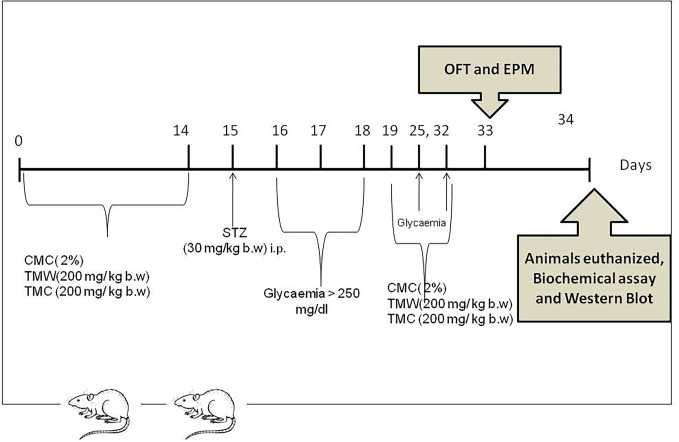
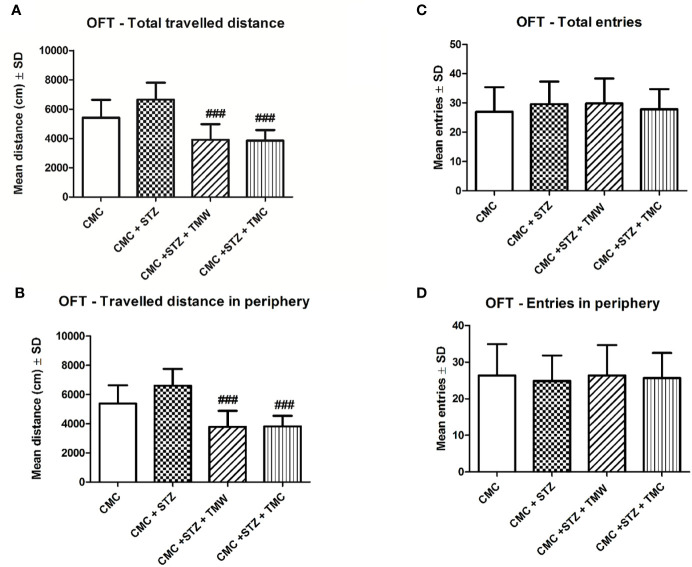
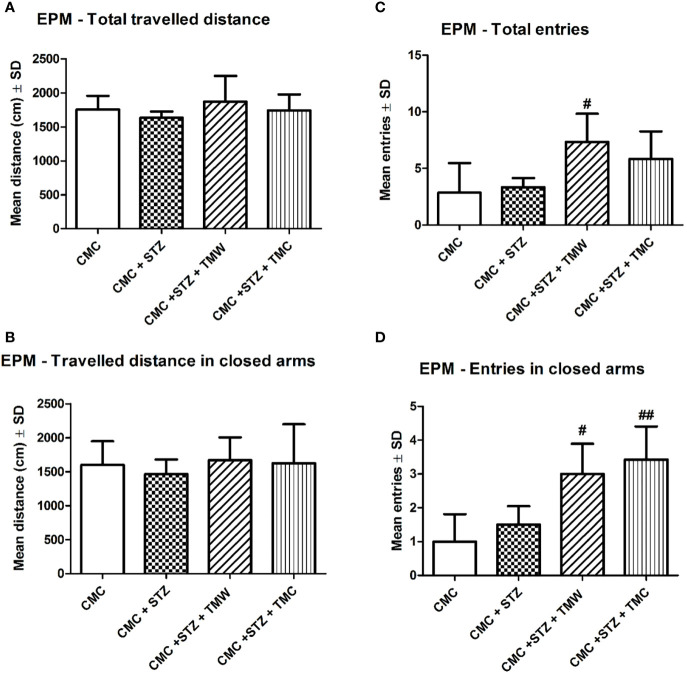
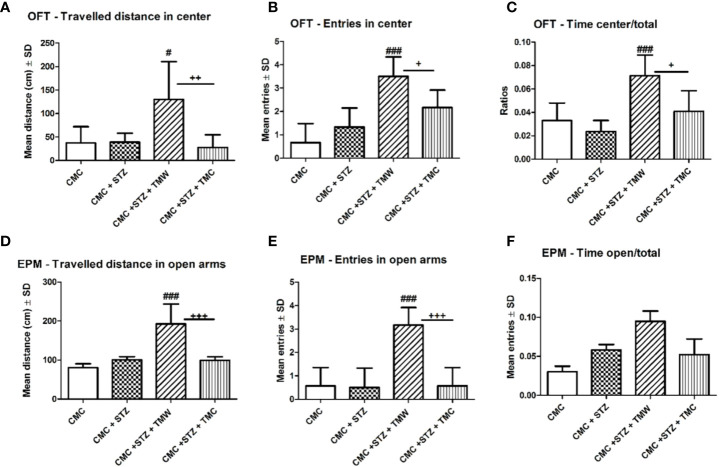
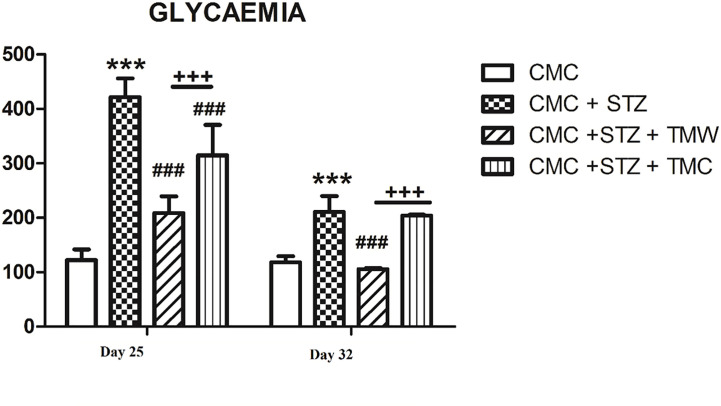
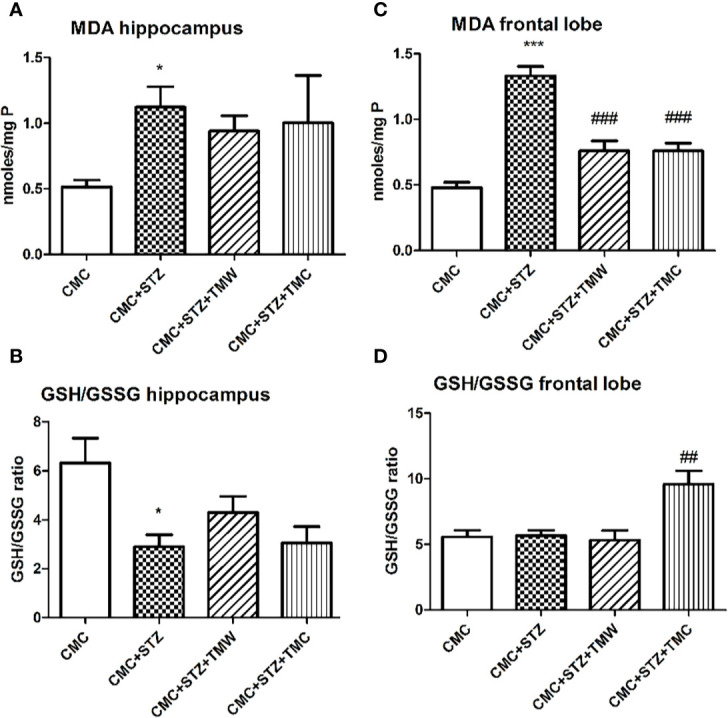
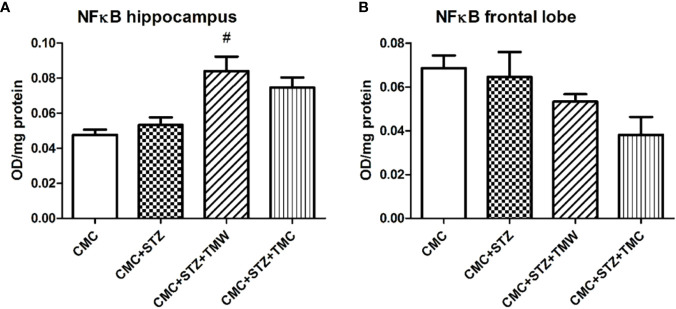
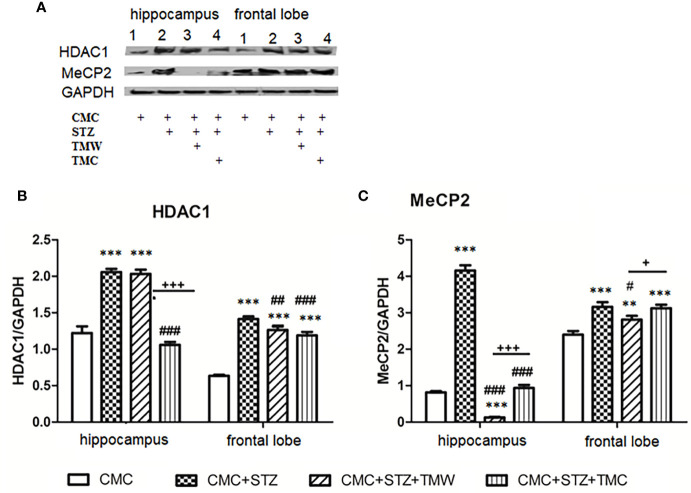
The effects of two lyophilized extracts obtained from the aerial parts of Willd. and harvested from wild flora (TMW) and obtained from culture (TMC) were evaluated in Wistar rats with experimentally induced hyperglycemia. The hyperglycemia was induced by streptozotocin (STZ) administration and the obtained results were evaluated in comparison for TMW and TMC. The polyphenolic composition of extracts was evaluated by spectrophotometrical and LC-MS methods. antioxidant capacity assays (DPPH, FRAP, EPR) were performed in order to preliminary establish the ability of tested samples to protect against free radical induced damage. Afterwards, the effects of these extracts were assessed on rats with experimental-induced hyperglycemia. Oxidative stress biomarkers (e.g. malondialdehyde-MDA), phosphorylated transcription factor subunit of nuclear kappaB (NF-kB) p65, methyl CpG binding protein (MECP) 2 and histone deacetylase 1 (HDAC1) expressions in hippocampus and frontal lobe were assessed. Open Field Test (OFT) and Elevated Plus Maze (EPM) were conducted on tested animals. Malondialdehyde (MDA) levels and HDAC1and MeCP2 expressions increased significantly in hippocampus (p<0.05) and frontal lobe (p<0.001) of diabetes group compared to the control group in parallel with decreasing of GSH/GSSG ratio. TMW and TMC administration reduced blood glucose levels and diminished lipid peroxidation, HDAC1 expression and enhanced antioxidant capacity in frontal lobe. TMW improved central locomotion of rats, increased phospho-NFkB p65 and diminished MECP2 expressions in hippocampus. Both tested samples exerted a beneficial effect by increasing the antioxidant defense. Our findings indicate that the administration of these extracts might represent a good option in the treatment of diabetes and its complications.
对从野生植物(TMW)和人工培养植物(TMC)的地上部分获得的两种冻干提取物进行了评估,研究对象为实验性诱导高血糖的Wistar大鼠。通过注射链脲佐菌素(STZ)诱导高血糖,并对TMW和TMC的实验结果进行比较评估。采用分光光度法和液相色谱 - 质谱法对提取物的多酚成分进行评估。进行抗氧化能力测定(DPPH、FRAP、EPR),以初步确定受试样品抵御自由基诱导损伤的能力。之后,评估这些提取物对实验性诱导高血糖大鼠的影响。评估海马体和额叶中氧化应激生物标志物(如丙二醛 - MDA)、核因子κB(NF - kB)p65磷酸化转录因子亚基、甲基CpG结合蛋白(MECP)2和组蛋白脱乙酰酶1(HDAC1)的表达。对受试动物进行旷场试验(OFT)和高架十字迷宫试验(EPM)。与对照组相比,糖尿病组海马体(p<0.05)和额叶(p<0.001)中的丙二醛(MDA)水平以及HDAC1和MeCP2表达显著增加,同时谷胱甘肽/氧化型谷胱甘肽(GSH/GSSG)比值降低。给予TMW和TMC可降低血糖水平,减少脂质过氧化、HDAC1表达,并增强额叶的抗氧化能力。TMW改善了大鼠的中枢运动能力,增加了海马体中磷酸化NFkB p65的表达,并降低了MECP2的表达。两种受试样品均通过增强抗氧化防御发挥了有益作用。我们的研究结果表明,给予这些提取物可能是治疗糖尿病及其并发症的一个良好选择。