Griffith Evan F, Pius Loupa, Manzano Pablo, Jost Christine C
Cummings School of Veterinary Medicine, Tufts University, North Grafton, USA.
Dynamic Agro-Pastoralist Development Organization (DADO), Kaabong, Uganda.
Pastoralism. 2020;10(1):22. doi: 10.1186/s13570-020-00178-x. Epub 2020 Oct 13.
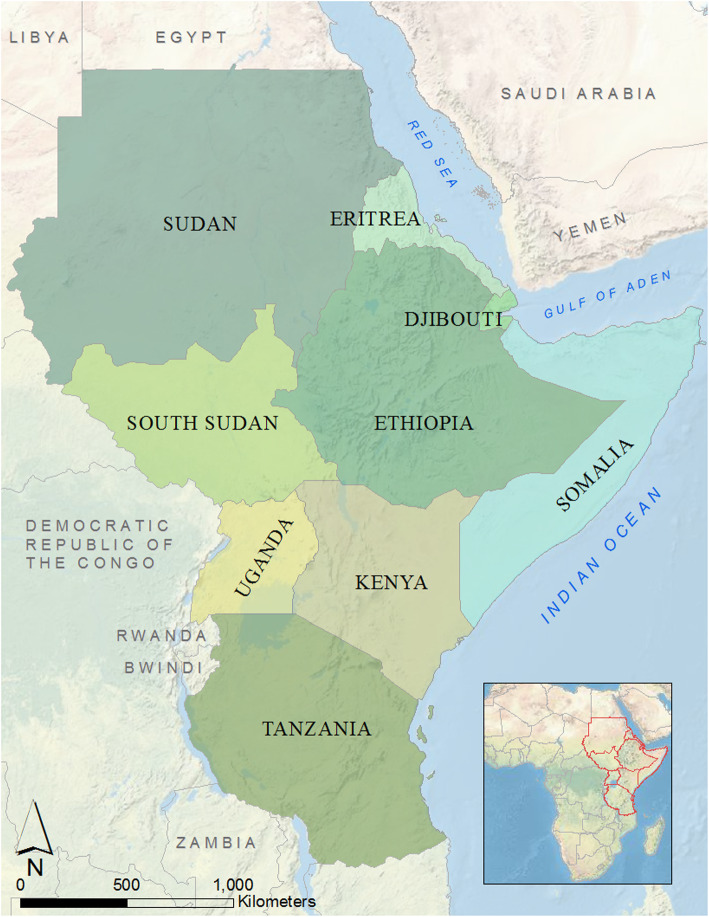
COVID-19 is a global pandemic that continues to spread around the world, including to Africa where cases are steadily increasing. The African Centres for Disease Control and Prevention is leading the pandemic response in Africa, with direction from the World Health Organization guidelines for critical preparedness, readiness, and response actions. These are written for national governments, lacking nuance for population and local differences. In the greater Horn of Africa, conditions unique to pastoralists such as inherent mobility and limited health and service infrastructure will influence the dynamics of COVID-19. In this paper, we present a One Health approach to the pandemic, consisting of interdisciplinary and intersectoral collaboration focused on the determinants of health and health outcomes amongst pastoralists. Our contextualized public health strategy includes community One Health teams and suggestions for where to implement targeted public health measures. We also analyse the interaction of COVID-19 impacts, including those caused directly by the disease and those that result from control efforts, with ongoing shocks and vulnerabilities in the region (e.g. desert locusts, livestock disease outbreaks, floods, conflict, and development displacement). We give recommendations on how to prepare for and respond to the COVID-19 pandemic and its secondary impacts on pastoral areas. Given that the full impact of COVID-19 on pastoral areas is unknown currently, our health recommendations focus on disease prevention and understanding disease epidemiology. We emphasize targeting pastoral toponymies with public health measures to secure market access and mobility while combating the direct health impacts of COVID-19. A contextualized approach for the COVID-19 public health response in pastoral areas in the Greater Horn of Africa, including how the pandemic will interact with existing shocks and vulnerabilities, is required for an effective response, while protecting pastoral livelihoods and food, income, and nutrition security.
新冠肺炎是一场全球大流行疾病,仍在世界各地传播,包括非洲,非洲的病例正在稳步增加。非洲疾病控制和预防中心在世界卫生组织关于关键防范、准备和应对行动的指导方针指引下,领导非洲应对这一疫情。这些指导方针是为各国政府制定的,缺乏针对人群和地方差异的细微差别。在非洲之角,牧民所特有的条件,如固有的流动性以及有限的卫生和服务基础设施,将影响新冠肺炎的传播动态。在本文中,我们提出了一种针对这一疫情的“同一健康”方法,该方法包括跨学科和跨部门合作,重点关注牧民的健康决定因素和健康结果。我们因地制宜的公共卫生战略包括社区“同一健康”团队以及关于在何处实施有针对性公共卫生措施的建议。我们还分析了新冠肺炎影响的相互作用,包括疾病直接造成的影响以及防控措施导致的影响,以及该地区持续存在的冲击和脆弱性因素(如沙漠蝗虫、牲畜疾病暴发、洪水、冲突和发展导致的流离失所)。我们就如何防范和应对新冠肺炎疫情及其对牧区的次生影响提出建议。鉴于目前尚不清楚新冠肺炎对牧区的全面影响,我们的健康建议侧重于疾病预防和了解疾病流行病学。我们强调通过公共卫生措施针对牧区地名,以确保市场准入和流动性,同时抗击新冠肺炎对健康的直接影响。要有效应对疫情,同时保护牧民生计以及粮食、收入和营养安全,就需要一种因地制宜的方法来应对非洲之角牧区的新冠肺炎公共卫生问题,包括疫情将如何与现有的冲击和脆弱性因素相互作用。