Dorji Jigme, Vander Jagt Christy J, Garner Josie B, Marett Leah C, Mason Brett A, Reich Coralie M, Xiang Ruidong, Clark Emily L, Cocks Benjamin G, Chamberlain Amanda J, MacLeod Iona M, Daetwyler Hans D
School of Applied Systems Biology, La Trobe University, Bundoora, VIC, 3083, Australia.
Agriculture Victoria, AgriBio, Centre for AgriBioscience, Bundoora, VIC, 3083, Australia.
BMC Genomics. 2020 Oct 19;21(1):720. doi: 10.1186/s12864-020-07018-7.
Mutations in the mitochondrial genome have been implicated in mitochondrial disease, often characterized by impaired cellular energy metabolism. Cellular energy metabolism in mitochondria involves mitochondrial proteins (MP) from both the nuclear (NuMP) and mitochondrial (MtMP) genomes. The expression of MP genes in tissues may be tissue specific to meet varying specific energy demands across the tissues. Currently, the characteristics of MP gene expression in tissues of dairy cattle are not well understood. In this study, we profile the expression of MP genes in 29 adult and six foetal tissues in dairy cattle using RNA sequencing and gene expression analyses: particularly differential gene expression and co-expression network analyses.
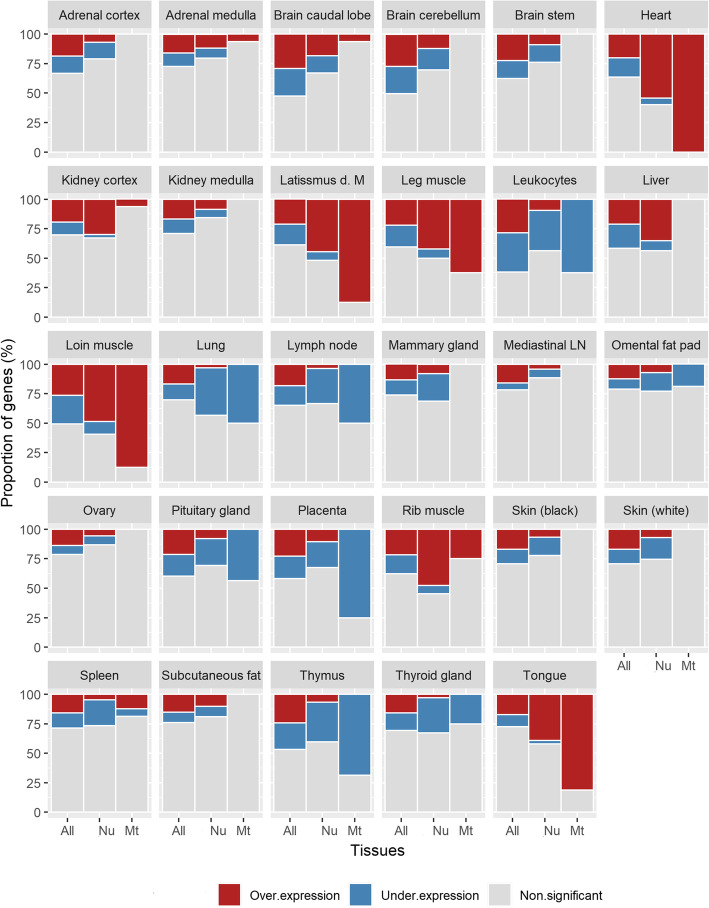
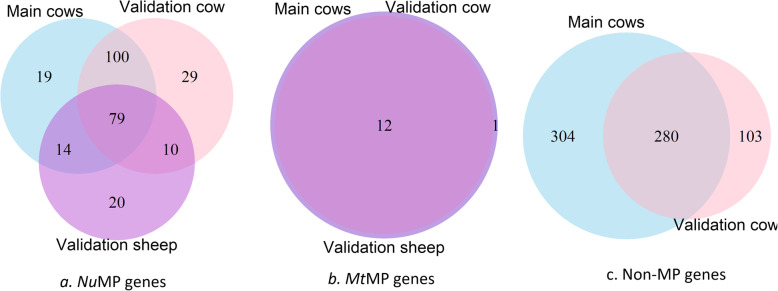
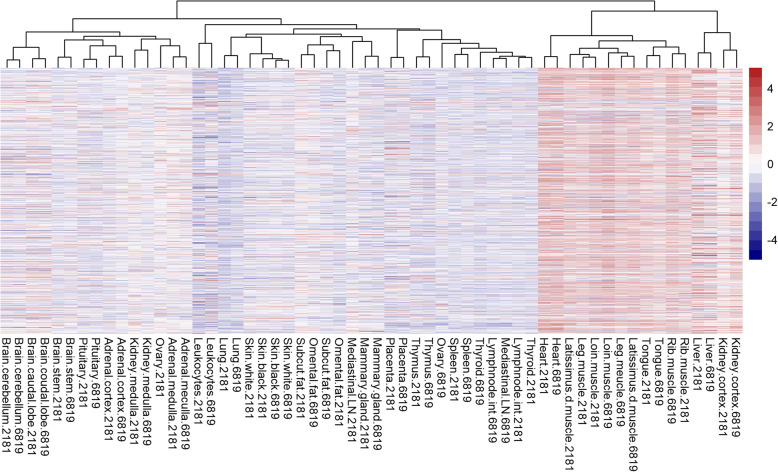
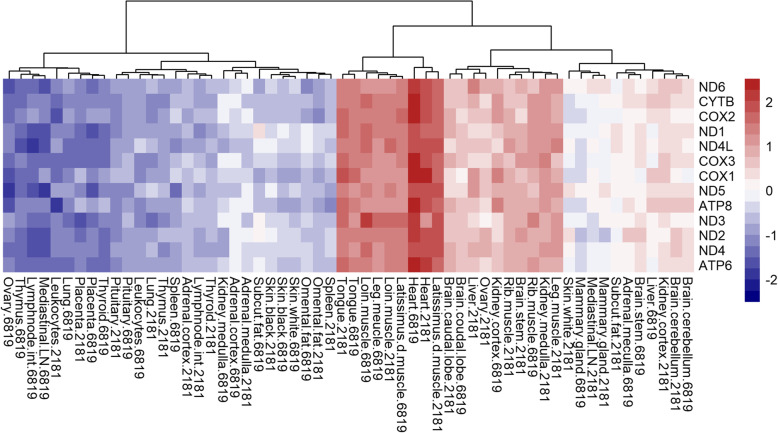
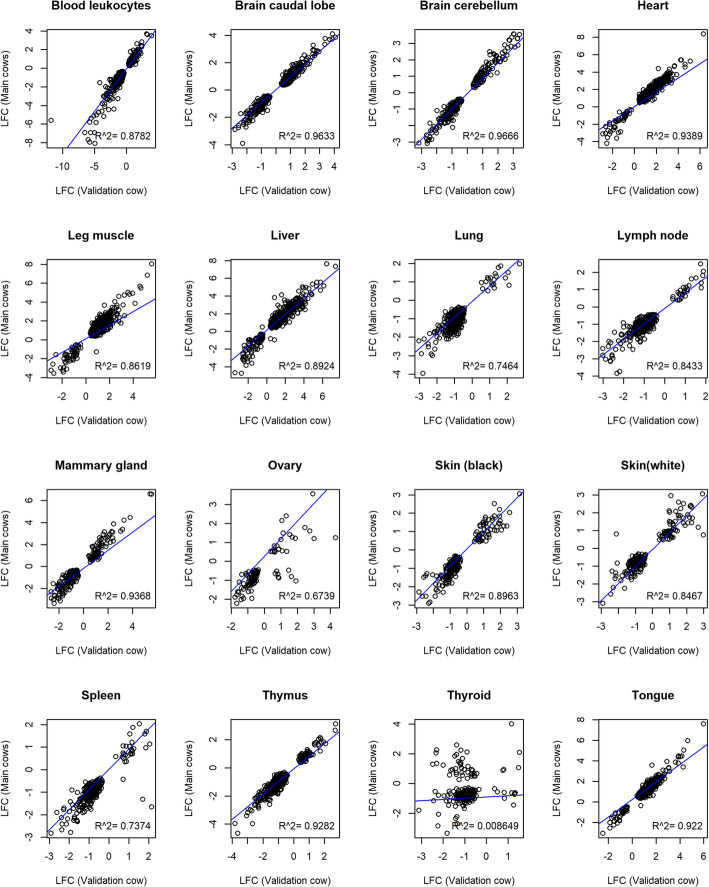
MP genes were differentially expressed (DE; over-expressed or under-expressed) across tissues in cattle. All 29 tissues showed DE NuMP genes in varying proportions of over-expression and under-expression. On the other hand, DE of MtMP genes was observed in < 50% of tissues and notably MtMP genes within a tissue was either all over-expressed or all under-expressed. A high proportion of NuMP (up to 60%) and MtMP (up to 100%) genes were over-expressed in tissues with expected high metabolic demand; heart, skeletal muscles and tongue, and under-expressed (up to 45% of NuMP, 77% of MtMP genes) in tissues with expected low metabolic rates; leukocytes, thymus, and lymph nodes. These tissues also invariably had the expression of all MtMP genes in the direction of dominant NuMP genes expression. The NuMP and MtMP genes were highly co-expressed across tissues and co-expression of genes in a cluster were non-random and functionally enriched for energy generation pathway. The differential gene expression and co-expression patterns were validated in independent cow and sheep datasets.
The results of this study support the concept that there are biological interaction of MP genes from the mitochondrial and nuclear genomes given their over-expression in tissues with high energy demand and co-expression in tissues. This highlights the importance of considering MP genes from both genomes in future studies related to mitochondrial functions and traits related to energy metabolism.
线粒体基因组中的突变与线粒体疾病有关,线粒体疾病通常以细胞能量代谢受损为特征。线粒体中的细胞能量代谢涉及来自核基因组(NuMP)和线粒体基因组(MtMP)的线粒体蛋白(MP)。MP基因在组织中的表达可能具有组织特异性,以满足不同组织中变化的特定能量需求。目前,奶牛组织中MP基因表达的特征尚不清楚。在本研究中,我们使用RNA测序和基因表达分析,特别是差异基因表达和共表达网络分析,描绘了奶牛29个成年组织和6个胎儿组织中MP基因的表达情况。
MP基因在牛的不同组织中差异表达(DE;过表达或低表达)。所有29个组织均显示出不同比例的过表达和低表达的DE NuMP基因。另一方面,在不到50%的组织中观察到MtMP基因的DE,并且值得注意的是,一个组织内的MtMP基因要么全部过表达,要么全部低表达。高比例的NuMP(高达60%)和MtMP(高达100%)基因在预期高代谢需求的组织(心脏、骨骼肌和舌头)中过表达,而在预期低代谢率的组织(白细胞、胸腺和淋巴结)中低表达(高达45%的NuMP,77%的MtMP基因)。这些组织中所有MtMP基因的表达方向也始终与占主导地位的NuMP基因表达方向一致。NuMP和MtMP基因在不同组织中高度共表达,并且一个簇中的基因共表达是非随机的,并且在能量产生途径上功能富集。差异基因表达和共表达模式在独立的奶牛和绵羊数据集中得到验证。
本研究结果支持这样的概念,即线粒体和核基因组中的MP基因存在生物学相互作用,因为它们在高能量需求的组织中过表达且在组织中共表达。这突出了在未来与线粒体功能和能量代谢相关性状的研究中考虑来自两个基因组的MP基因的重要性。