Department of General Surgery, Ruijin Hospital North, Shanghai Jiaotong University School of Medicine, Shanghai, 201801, China.
BMC Cancer. 2020 Oct 19;20(1):1012. doi: 10.1186/s12885-020-07507-8.
In recent years, the differences between left-sided colon cancer (LCC) and right-sided colon cancer (RCC) have received increasing attention due to the clinicopathological variation between them. However, some of these differences have remained unclear and conflicting results have been reported.
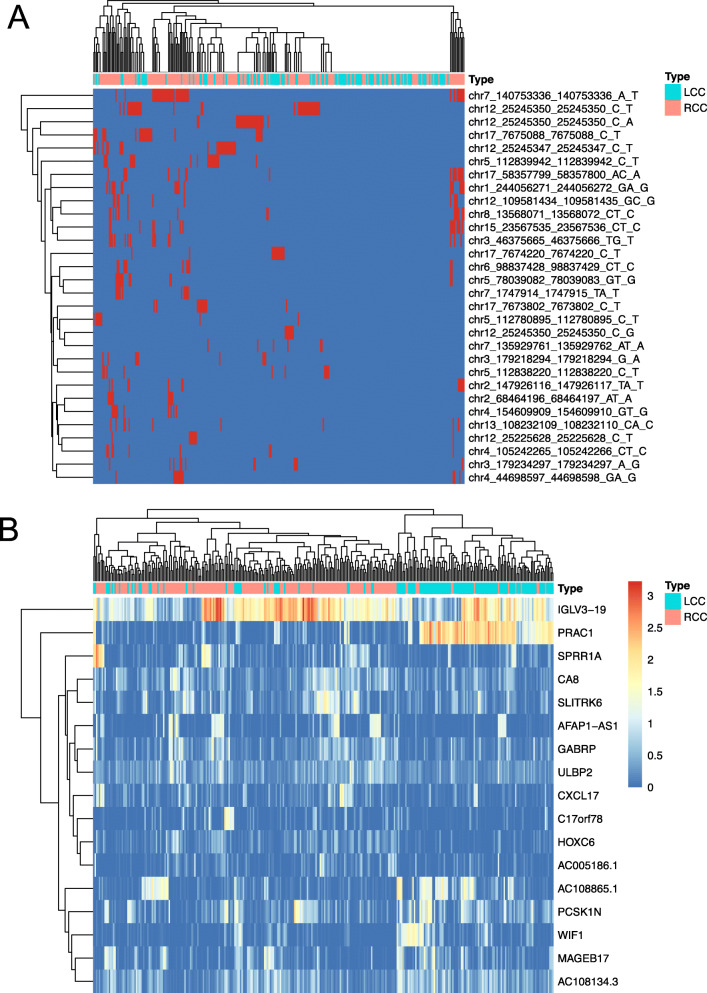
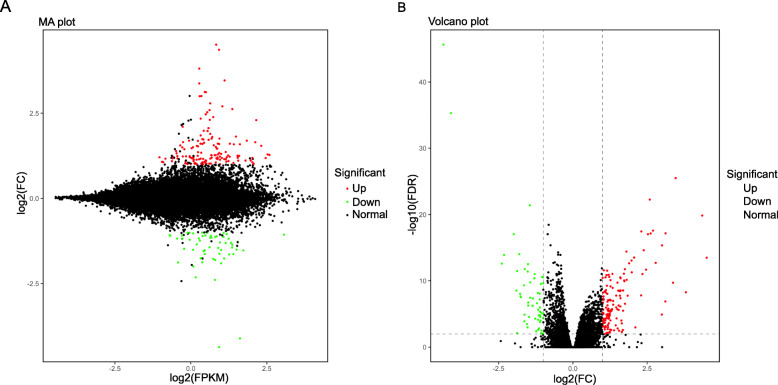
From The Cancer Genome Atlas (TCGA), we obtained RNA sequencing data and gene mutation data on 323 and 283 colon cancer patients, respectively. Differential analysis was firstly done on gene expression data and mutation data between LCC and RCC, separately. Machine learning (ML) methods were then used to select key genes or mutations as features to construct models to classify LCC and RCC patients. Finally, we conducted correlation analysis to identify the correlations between differentially expressed genes (DEGs) and mutations using logistic regression (LR) models.
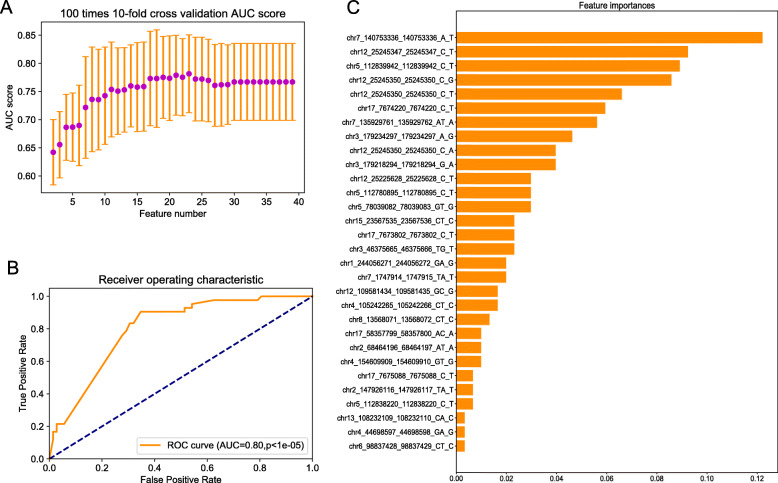
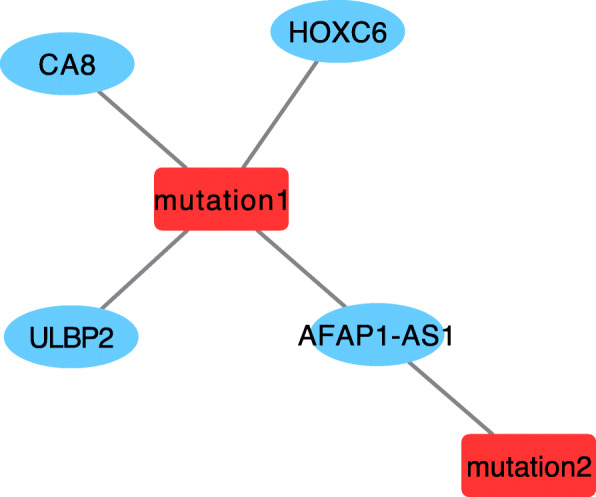
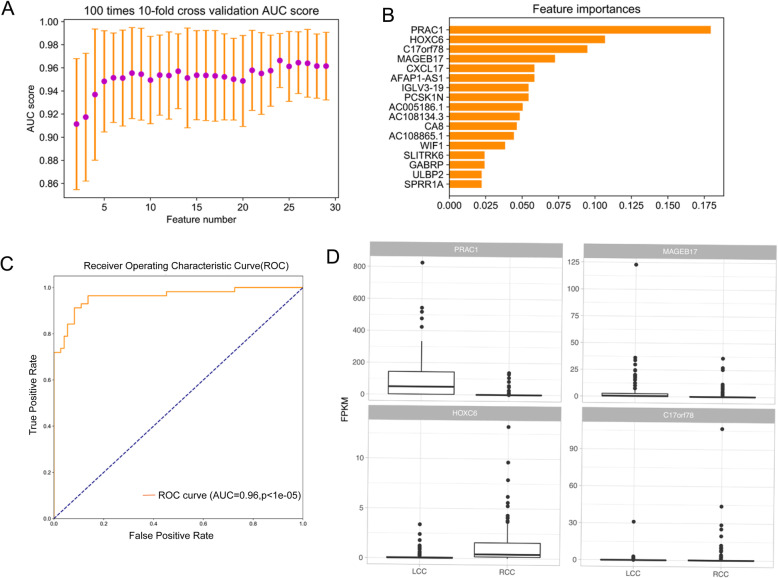
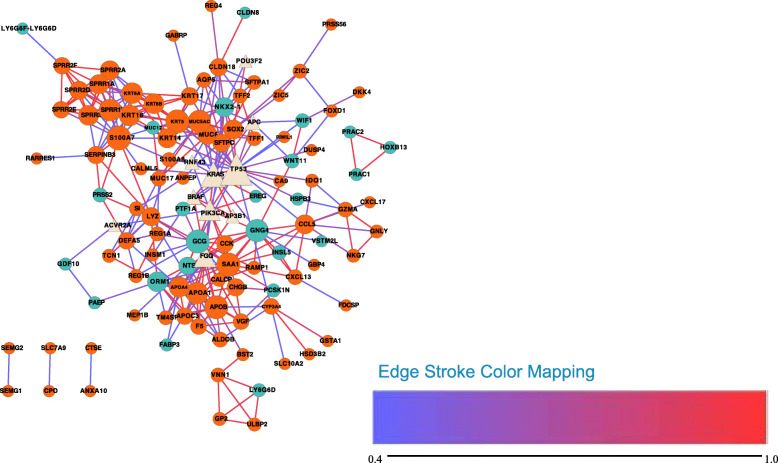
We found distinct gene mutation and expression patterns between LCC and RCC patients and further selected the 30 most important mutations and 17 most important gene expression features using ML methods. The classification models created using these features classified LCC and RCC patients with high accuracy (areas under the curve (AUC) of 0.8 and 0.96 for mutation and gene expression data, respectively). The expression of PRAC1 and BRAF V600E mutation (rs113488022) were the most important feature for each model. Correlations of mutations and gene expression data were also identified using LR models. Among them, rs113488022 was found to have significance relevance to the expression of four genes, and thus should be focused on in further study.
On the basis of ML methods, we found some key molecular differences between LCC and RCC, which could differentiate these two groups of patients with high accuracy. These differences might be key factors behind the variation in clinical features between LCC and RCC and thus help to improve treatment, such as determining the appropriate therapy for patients.
近年来,左半结肠癌(LCC)和右半结肠癌(RCC)之间的临床病理差异受到越来越多的关注。然而,其中一些差异仍然不清楚,并且报告的结果相互矛盾。
我们从癌症基因组图谱(TCGA)中分别获得了 323 例和 283 例结肠癌患者的 RNA 测序数据和基因突变数据。分别对 LCC 和 RCC 之间的基因表达数据和突变数据进行差异分析。然后,使用机器学习(ML)方法选择关键基因或突变作为特征来构建模型,以对 LCC 和 RCC 患者进行分类。最后,我们使用逻辑回归(LR)模型进行相关性分析,以识别差异表达基因(DEGs)和突变之间的相关性。
我们发现 LCC 和 RCC 患者之间存在明显的基因突变和表达模式,进一步使用 ML 方法选择了 30 个最重要的突变和 17 个最重要的基因表达特征。使用这些特征创建的分类模型可以准确地对 LCC 和 RCC 患者进行分类(突变和基因表达数据的 AUC 分别为 0.8 和 0.96)。每个模型中最重要的特征是 PRAC1 和 BRAF V600E 突变(rs113488022)。使用 LR 模型还确定了突变和基因表达数据之间的相关性。其中,rs113488022 与四个基因的表达具有显著相关性,因此应该在进一步的研究中重点关注。
基于 ML 方法,我们发现了 LCC 和 RCC 之间的一些关键分子差异,可以高精度地区分这两组患者。这些差异可能是 LCC 和 RCC 之间临床特征变化的关键因素,有助于改善治疗方法,例如为患者确定合适的治疗方案。