Department of Chemical and Environmental Engineering, Faculty of Engineering, Universiti Putra Malaysia, Serdang, UPM, Serdang, 43400, Malaysia.
UPM-MAKNA Cancer Research Laboratory, Institute of Bioscience, Universiti Putra Malaysia, Serdang, UPM, Serdang, 43400, Malaysia.
Sci Rep. 2020 Oct 20;10(1):17808. doi: 10.1038/s41598-020-71175-8.
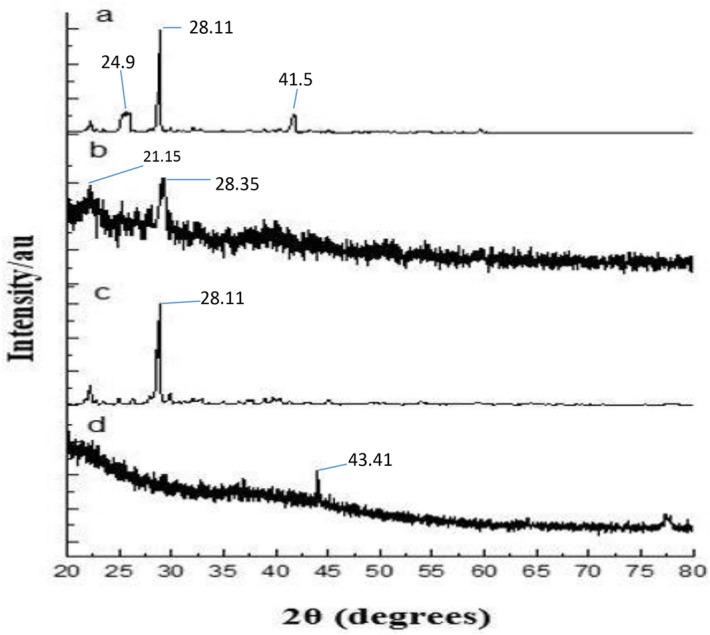
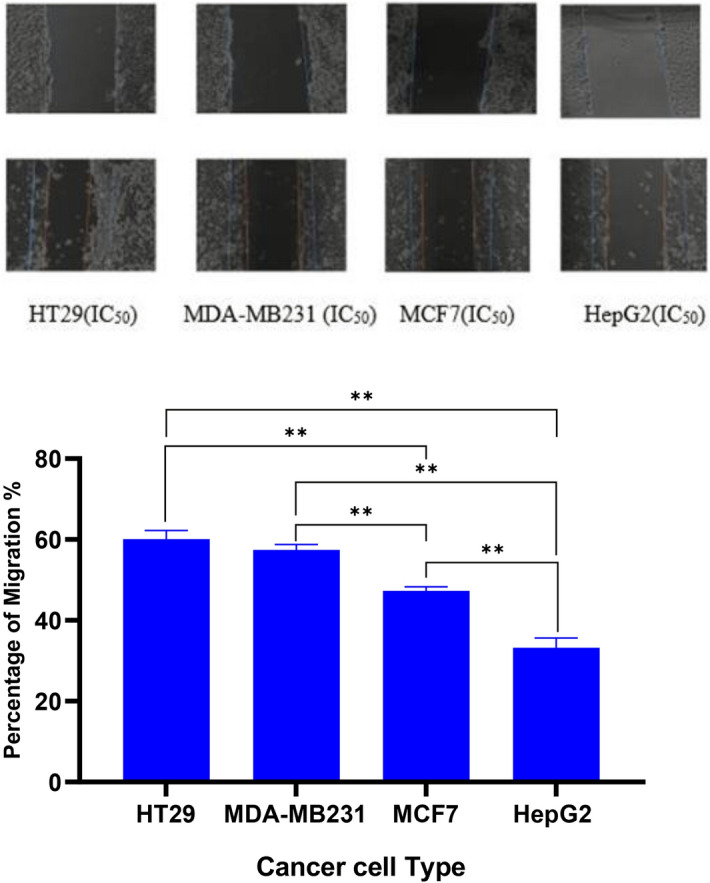
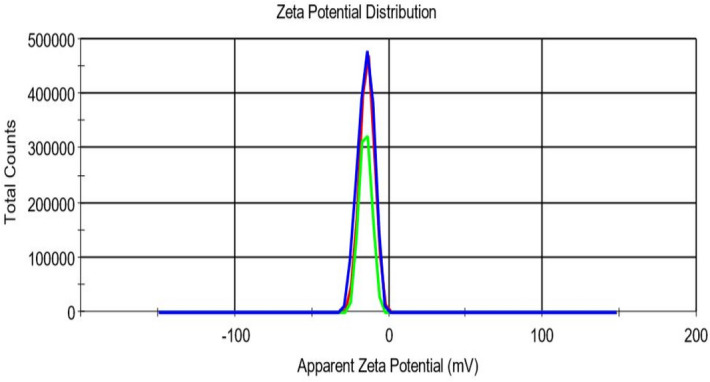
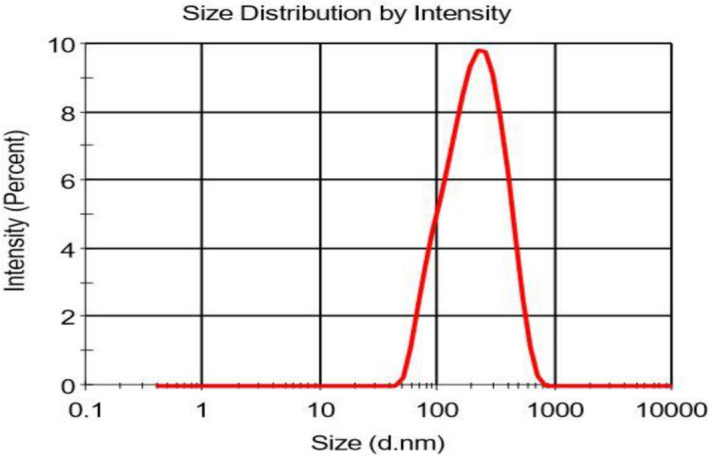
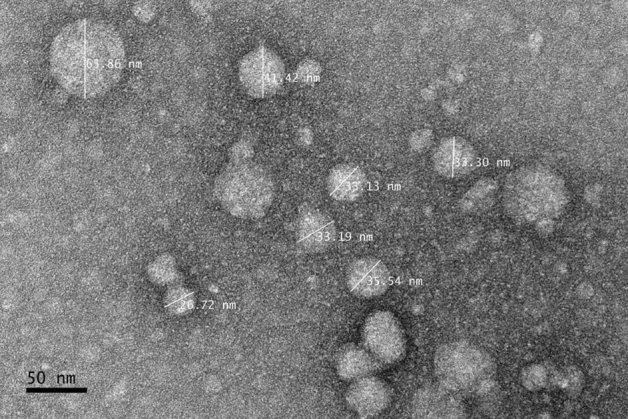
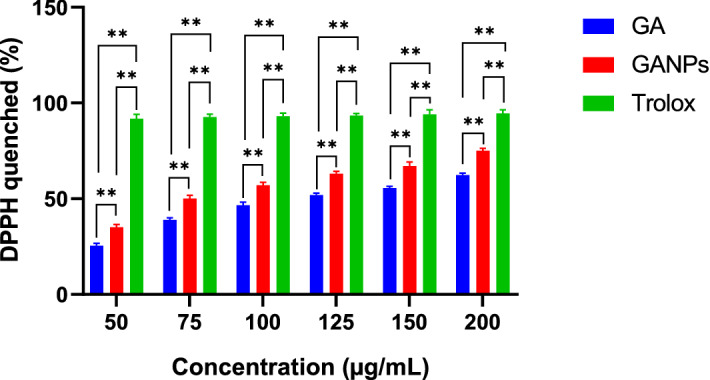
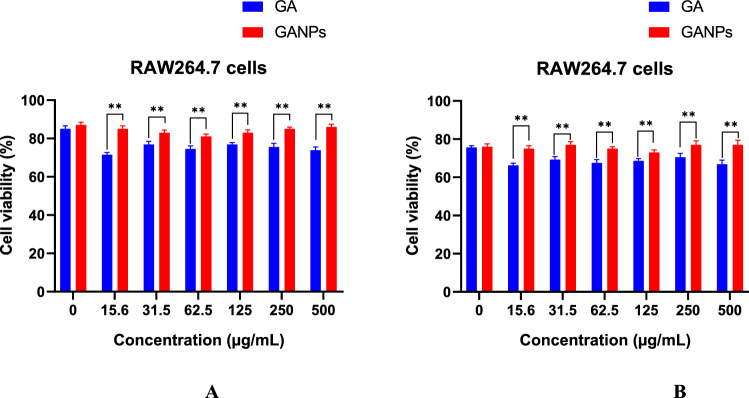
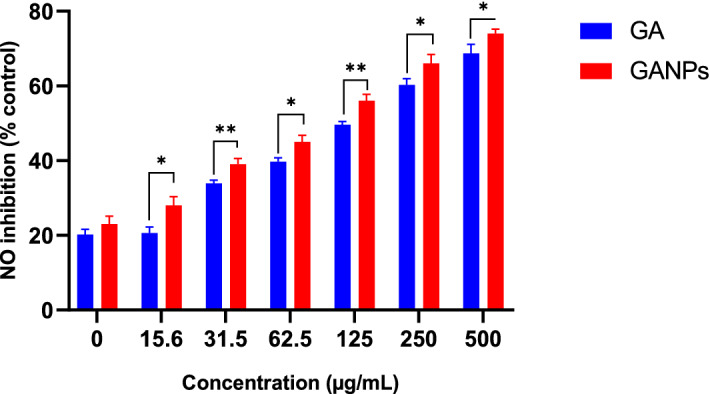
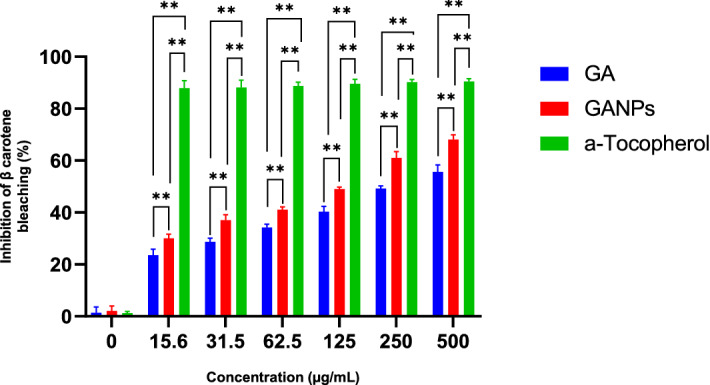
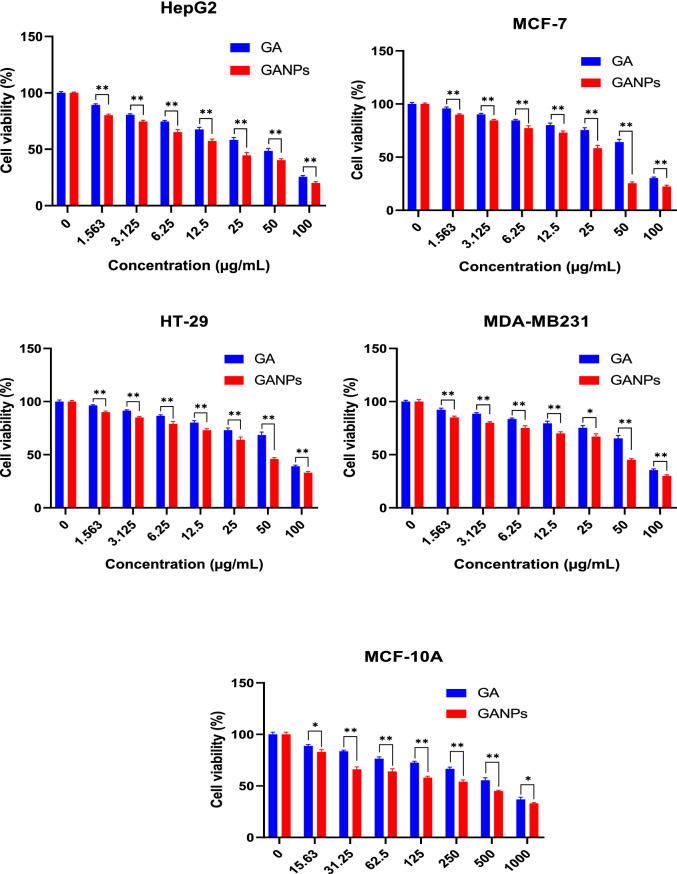
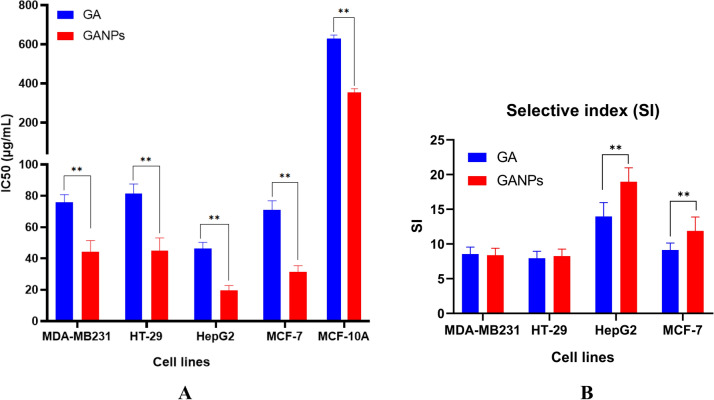
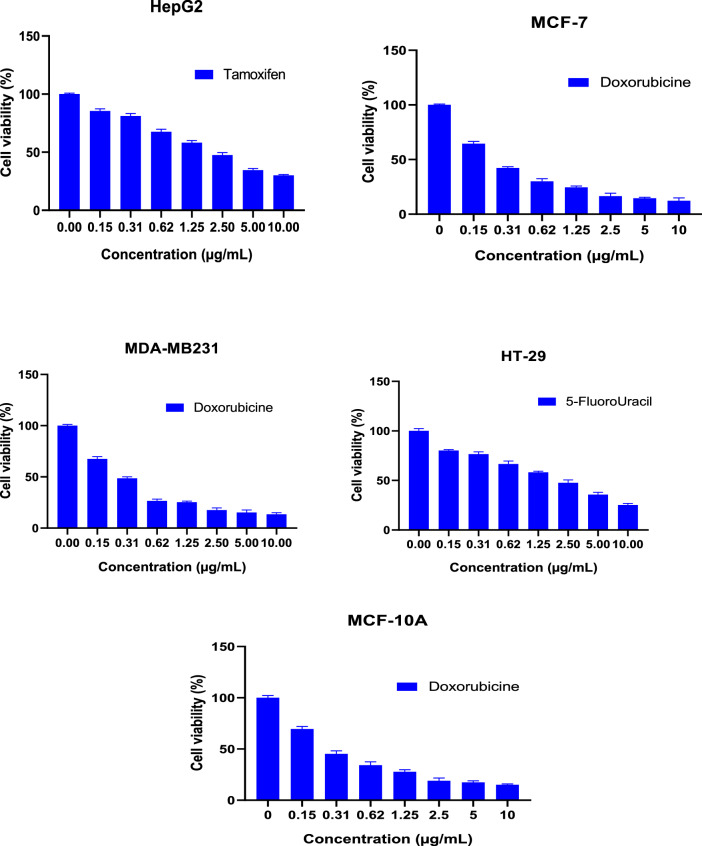
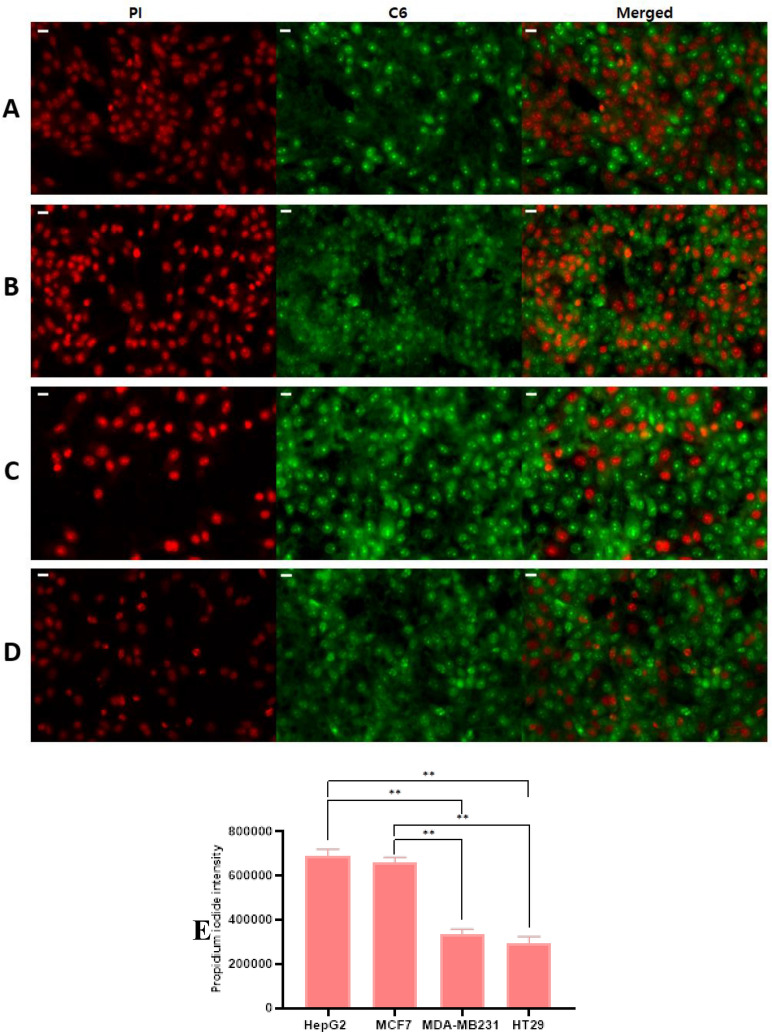
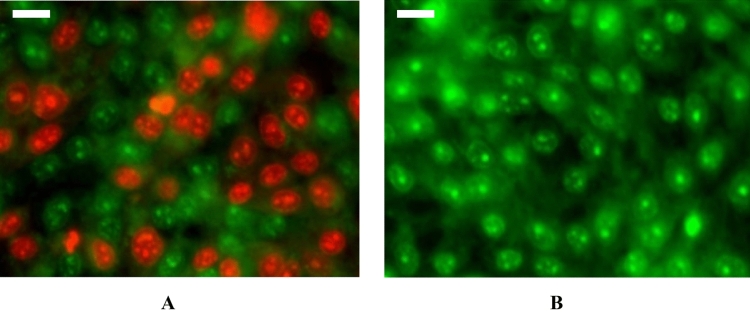
Gallic acid (GA) is a natural phenolic compound with therapeutic effects that are often challenged by its rapid metabolism and clearance. Therefore, GA was encapsulated using gum arabic into nanoparticles to increase its bioavailability. The formulated nanoparticles (GANPs) were characterized for physicochemical properties and size and were then evaluated for antioxidant and antihypertensive effects using various established in vitro assays, including 1,1-diphenyl-2-picrylhydrazyl (DPPH), nitric oxide scavenging (NO), β-carotene bleaching and angiotensin-converting enzyme (ACE) inhibitory assays. The GANPs were further evaluated for the in vitro cytotoxicity, cell uptake and cell migration in four types of human cancer cell lines including (MCF-7, MDA-MB231) breast adenocarcinoma, HepG2 hepatocellular cancer, HT-29 colorectal adenocarcinoma, and MCF-10A breast epithelial cell lines. The GANPs demonstrated potent antioxidant effects and have shown promising anti-cancer properties in a dose-dependent manner with a predilection toward HepG2 and MCF7 cancer cells. The uptake of GANPs was successful in the majority of cancer cells with a propensity to accumulate in the nuclear region of the cells. The HepG2 and MCF7 cancer cells also had a significantly higher percentage of apoptosis and were more sensitive to gallic acid nanoparticle treatment in the cell migration assay. This study is the first to confirm the synergistic effects of gum arabic in the encapsulation of gallic acid by increasing the selectivity towards cancer cells and enhancing the antioxidant properties. The formulated nanoparticles also had remarkably low toxicity in normal cells. Based on these findings, GANPs may have promising therapeutic applications towards the development of more effective treatments with a probable targeting precision in cancer cells.
没食子酸(GA)是一种具有治疗作用的天然酚类化合物,但由于其代谢和清除速度较快,其治疗效果往往受到挑战。因此,我们用阿拉伯胶将 GA 包封成纳米粒子,以提高其生物利用度。对所制备的纳米粒子(GANPs)进行了理化性质和粒径的表征,然后使用各种已建立的体外测定法,包括 1,1-二苯基-2-苦基肼基(DPPH)、一氧化氮清除(NO)、β-胡萝卜素漂白和血管紧张素转化酶(ACE)抑制测定法,评估其抗氧化和抗高血压作用。进一步评估了 GANPs 在四种人类癌细胞系(MCF-7、MDA-MB231)乳腺癌腺癌、HepG2 肝细胞癌、HT-29 结直肠腺癌和 MCF-10A 乳腺上皮细胞系中的体外细胞毒性、细胞摄取和细胞迁移作用。结果表明,GANPs 具有很强的抗氧化作用,并表现出有希望的抗癌作用,呈剂量依赖性,对 HepG2 和 MCF7 癌细胞具有偏好性。GANPs 的摄取在大多数癌细胞中是成功的,并且有倾向于在细胞的核区域积累。HepG2 和 MCF7 癌细胞的细胞凋亡百分比也显著更高,并且在细胞迁移测定中对没食子酸纳米颗粒处理更为敏感。这项研究首次证实了阿拉伯胶在包封没食子酸时的协同作用,增加了对癌细胞的选择性,并增强了抗氧化特性。所制备的纳米粒子在正常细胞中也具有显著的低毒性。基于这些发现,GANPs 可能在开发更有效的癌症治疗方法方面具有广阔的应用前景,其靶向精度可能更高。