Department of Chemistry, School of Chemical and Biotechnology, SASTRA Deemed University, Thanjavur, Tamil Nadu, 613401, India.
Biofilm Biology Lab, Centre for Research in Infectious Diseases, School of Chemical and Biotechnology, SASTRA Deemed University, Thanjavur, Tamil Nadu, 613401, India.
Sci Rep. 2020 Oct 22;10(1):18017. doi: 10.1038/s41598-020-73708-7.
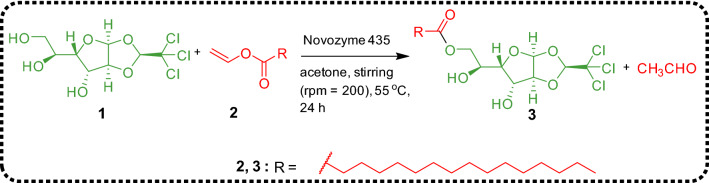
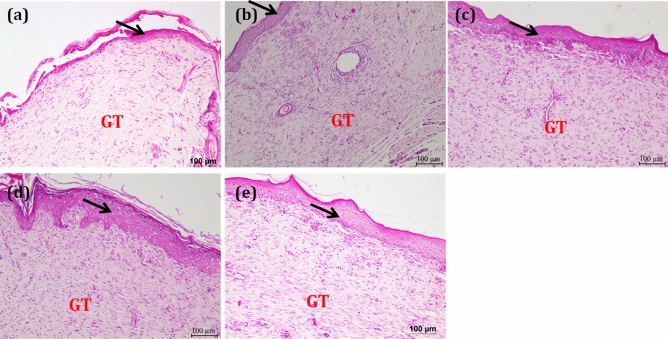
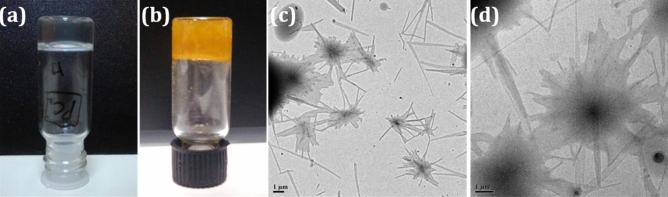
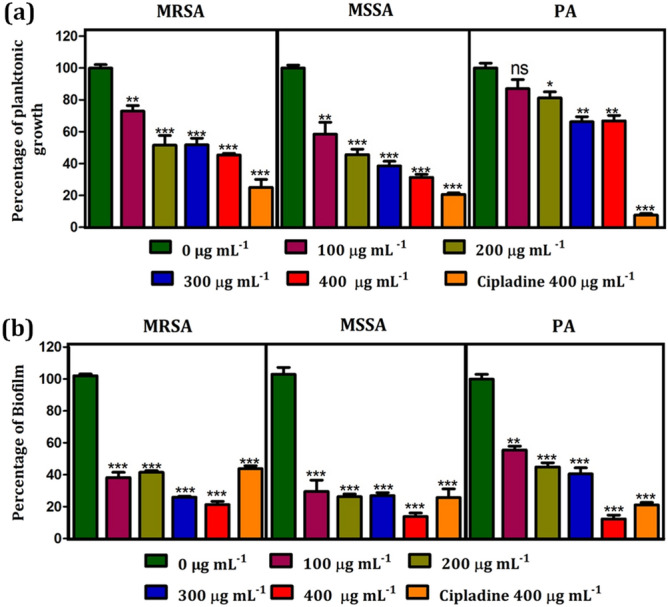
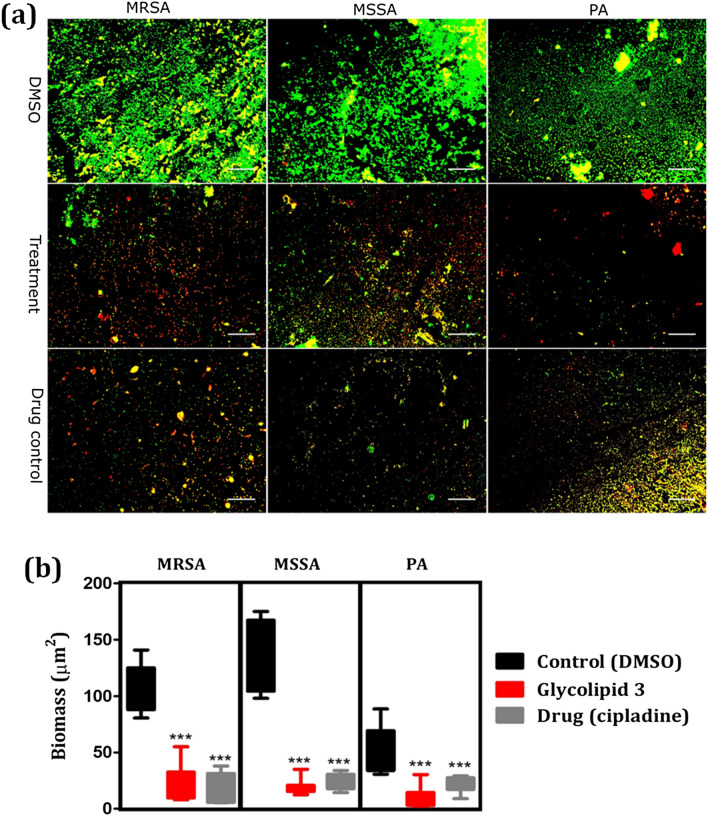
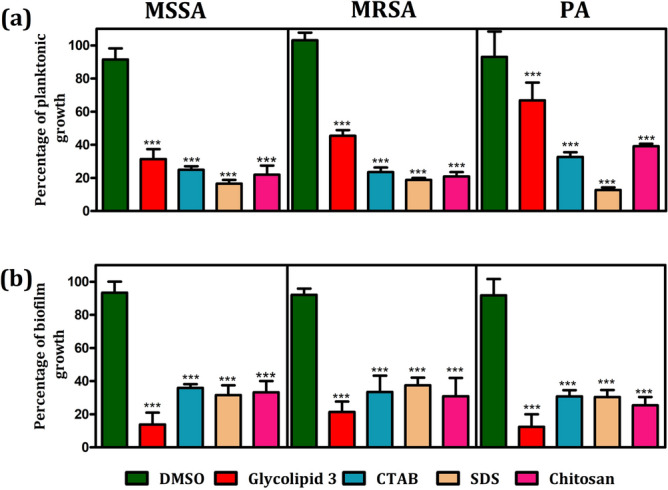
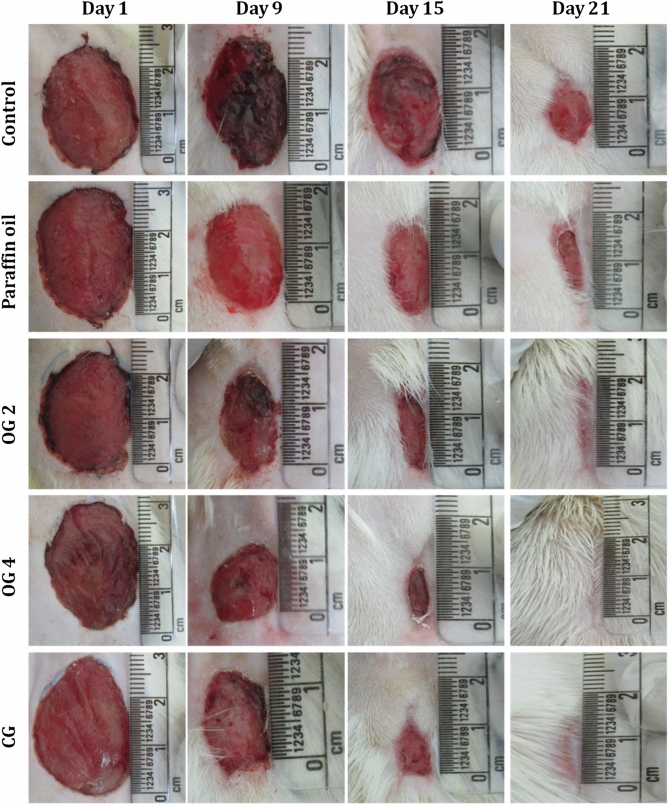
Globally, wound infections are considered as one of the major healthcare problems owing to the delayed healing process in diabetic patients and microbial contamination. Thus, the development of advanced materials for wound skin repair is of great research interest. Even though several biomaterials were identified as wound healing agents, gel-based scaffolds derived from either polymer or small molecules have displayed promising wound closure mechanism. Herein, for the first time, we report an injectable and self-healing self-assembled anesthetic oleogel derived from glycolipid, which exhibits antibiofilm and wound closure performance in diabetic rat. Glycolipid derived by the reaction of hydrophobic vinyl ester with α-chloralose in the presence of novozyme 435 undergoes spontaneous self-assembly in paraffin oil furnished an oleogel displaying self-healing behavior. In addition, we have prepared composite gel by encapsulating curcumin in the 3D fibrous network of oleogel. More interestingly, glycolipid in its native form demoed potential in disassembling methicillin-resistant Staphylococcus aureus, methicillin-susceptible Staphylococcus aureus, and Pseudomonas aeruginosa biofilms. Both oleogel and composite gel enhanced the wound skin repair in diabetic induced Wistar rats by promoting collagen synthesis, controlling free radical generation and further regulating tissue remodeling phases. Altogether, the reported supramolecular self-assembled anesthetic glycolipid could be potentially used for diabetic skin wound repair and to treat bacterial biofilm related infections.
在全球范围内,由于糖尿病患者的愈合过程缓慢和微生物污染,伤口感染被认为是主要的医疗保健问题之一。因此,开发用于伤口皮肤修复的先进材料具有重要的研究意义。尽管已经确定了几种生物材料作为伤口愈合剂,但源自聚合物或小分子的基于凝胶的支架已显示出有前途的伤口闭合机制。在这里,我们首次报道了一种可注射的、自修复的、源自糖脂的自组装麻醉油凝胶,它在糖尿病大鼠中表现出抗生物膜和伤口闭合性能。在 Novozyme 435 的存在下,疏水乙烯酯与α-氯醛糖反应得到的糖脂在石蜡油中自发自组装,形成具有自修复行为的油凝胶。此外,我们还通过将姜黄素封装在油凝胶的 3D 纤维网络中制备了复合凝胶。更有趣的是,天然形式的糖脂在分解耐甲氧西林金黄色葡萄球菌、甲氧西林敏感金黄色葡萄球菌和铜绿假单胞菌生物膜方面显示出潜力。油凝胶和复合凝胶通过促进胶原蛋白合成、控制自由基生成和进一步调节组织重塑阶段,增强了糖尿病诱导的 Wistar 大鼠的伤口皮肤修复。总之,所报道的超分子自组装麻醉糖脂可潜在用于糖尿病皮肤伤口修复和治疗与细菌生物膜相关的感染。