University of Coimbra, Coimbra Institute for Clinical and Biomedical Research (iCBR), Faculty of Medicine, Coimbra, Portugal.
University of Coimbra, Center for Innovative Biomedicine and Biotechnology (CIBB), Coimbra, Portugal.
Life Sci Alliance. 2020 Oct 23;3(12). doi: 10.26508/lsa.202000821. Print 2020 Dec.
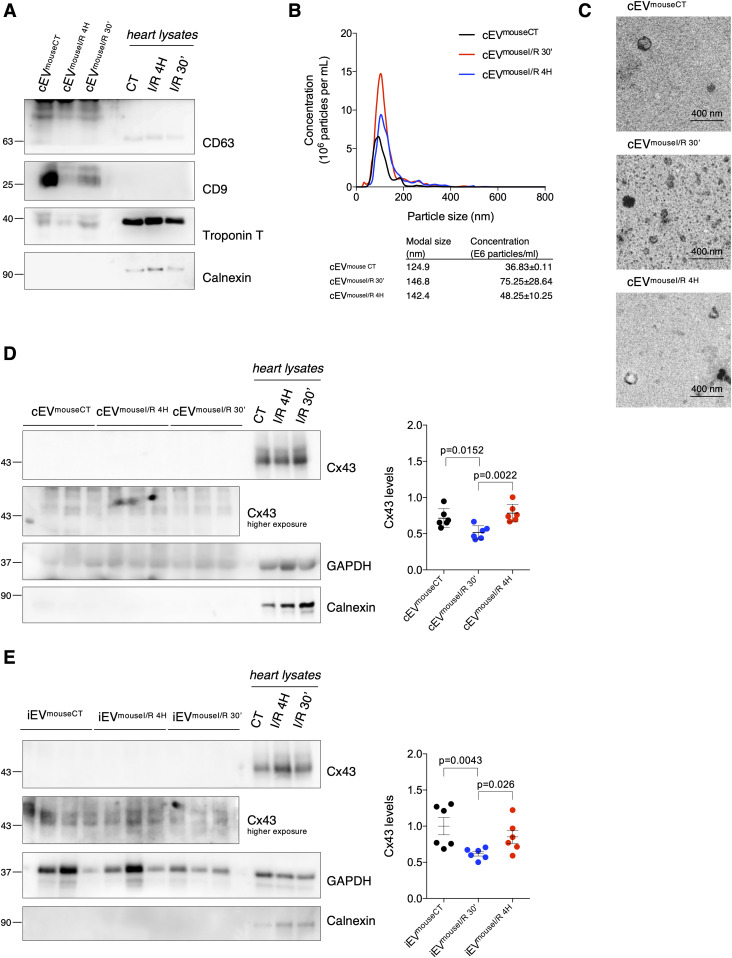
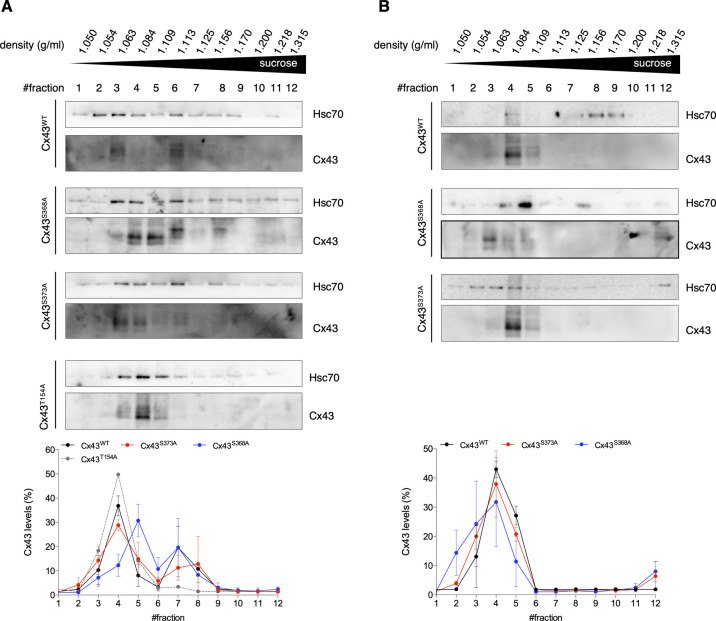
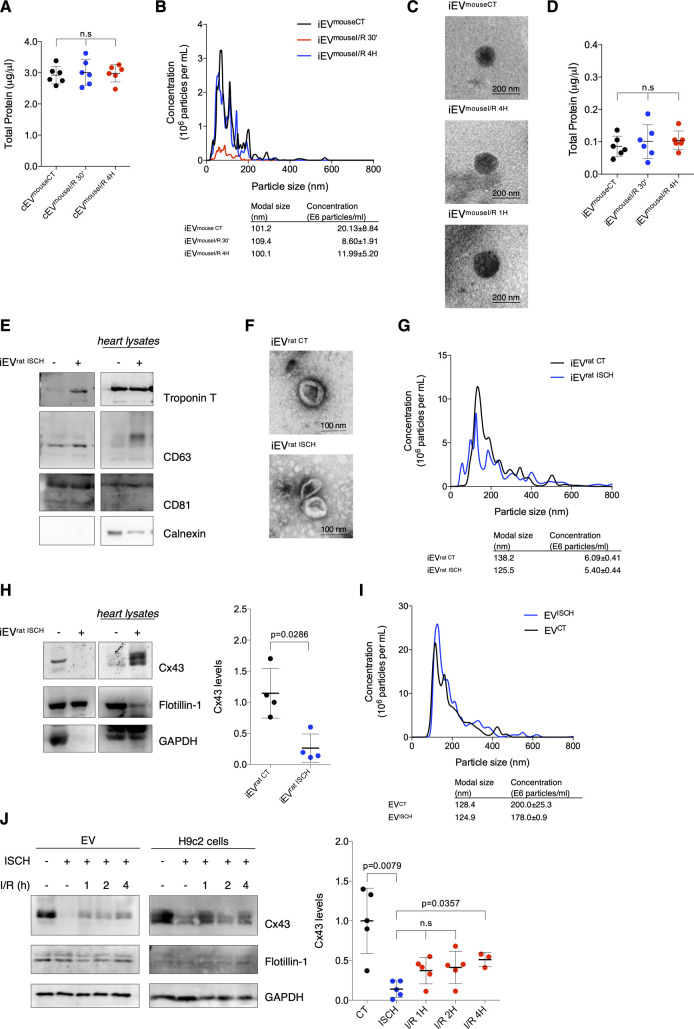
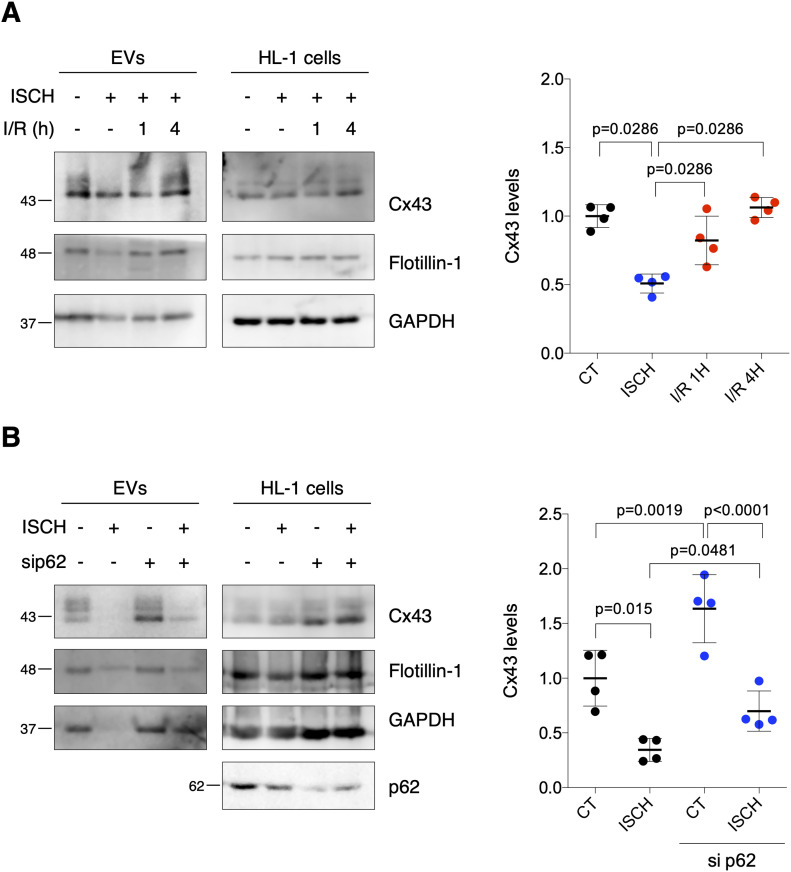
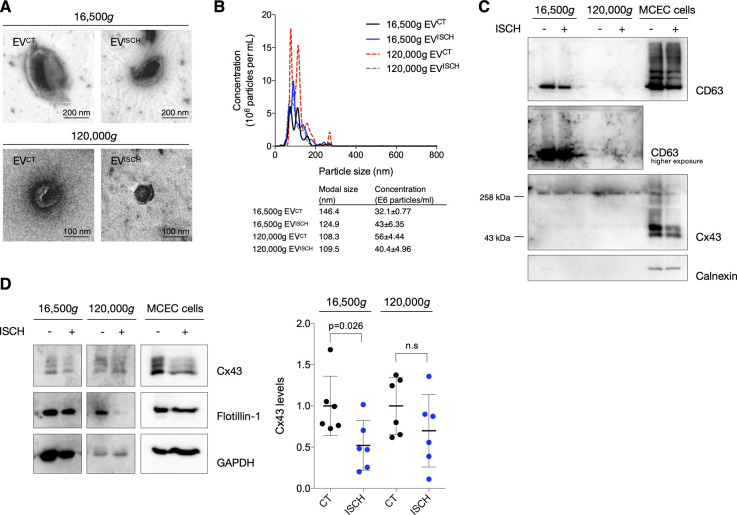
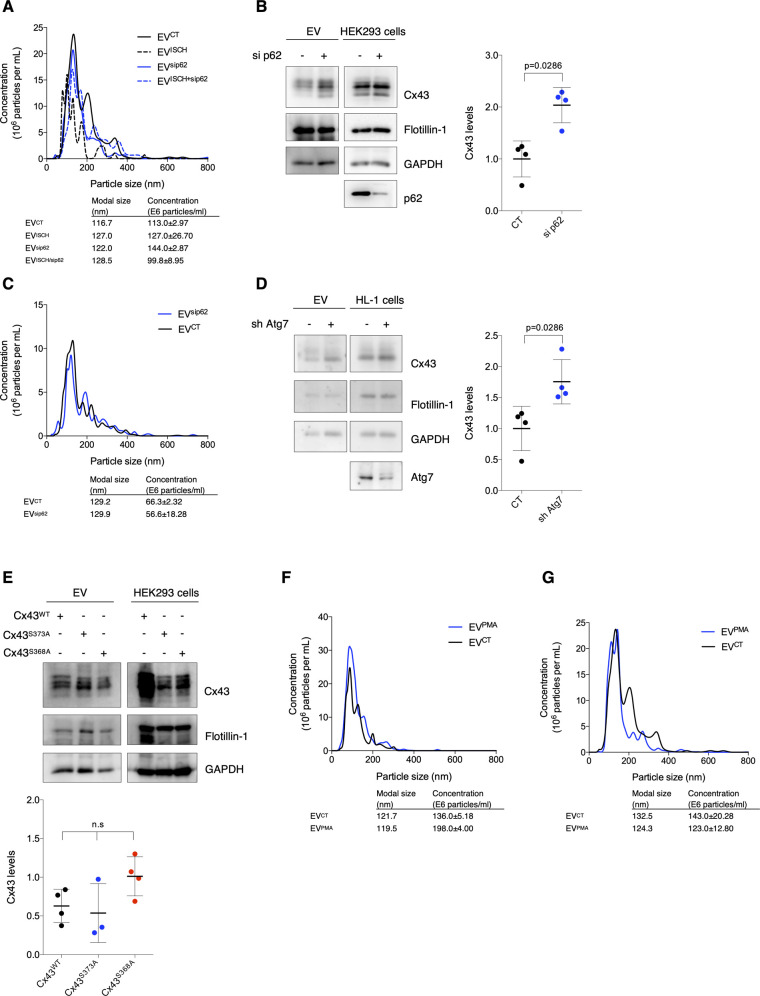
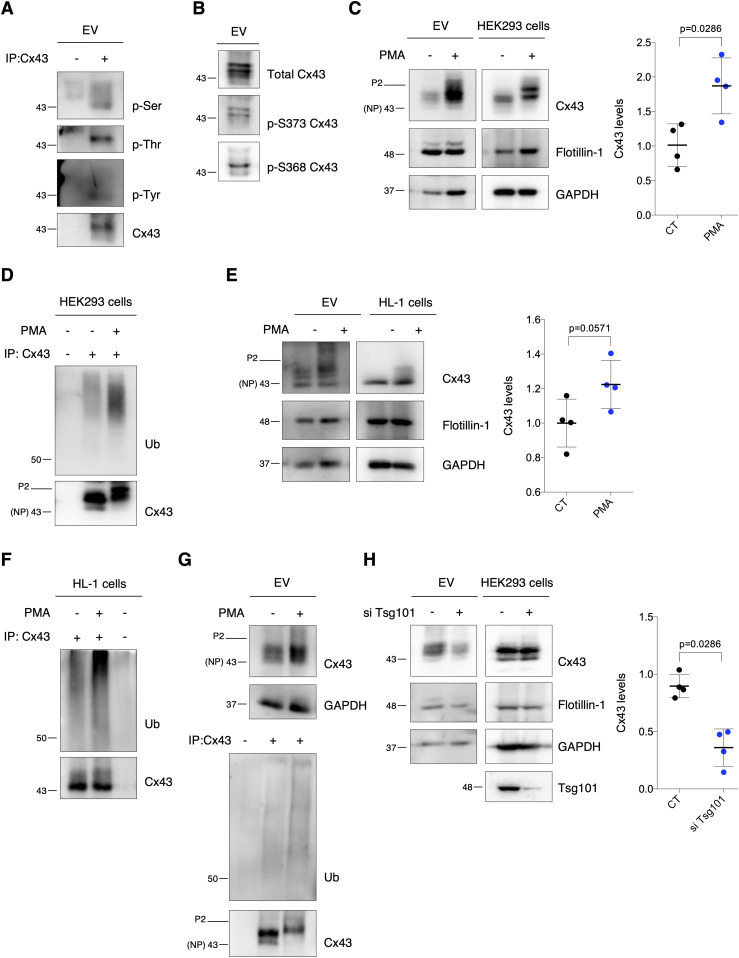
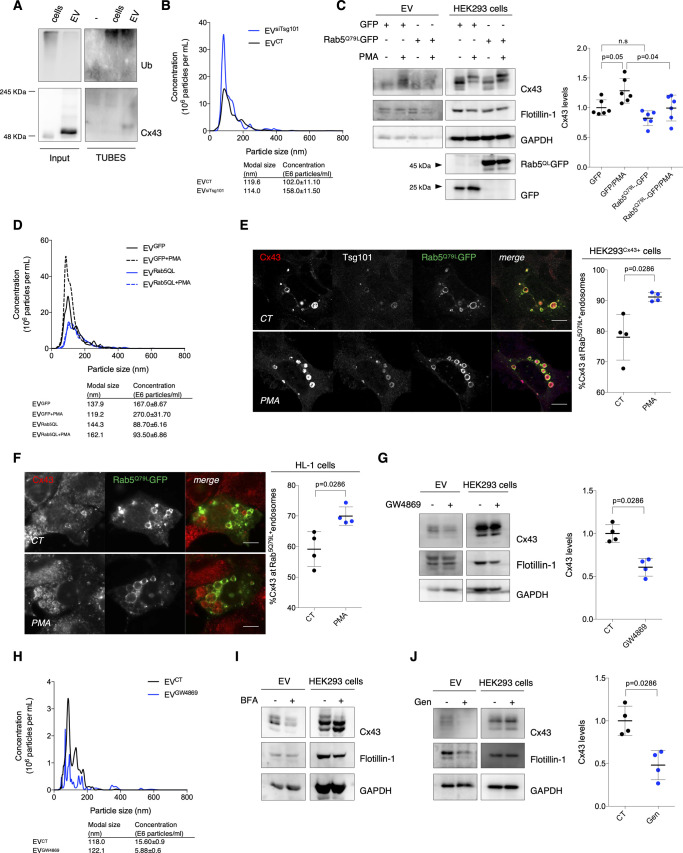
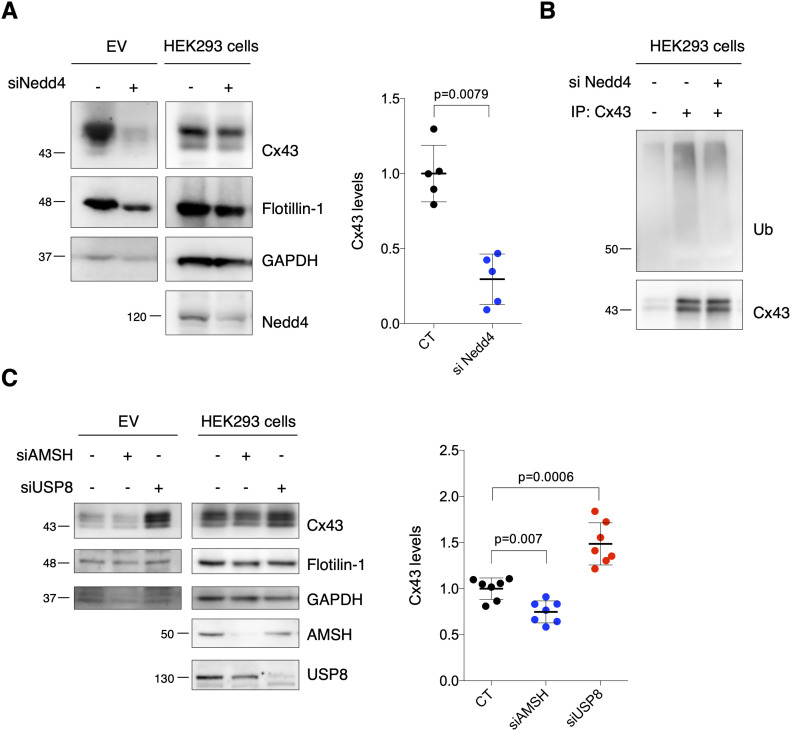
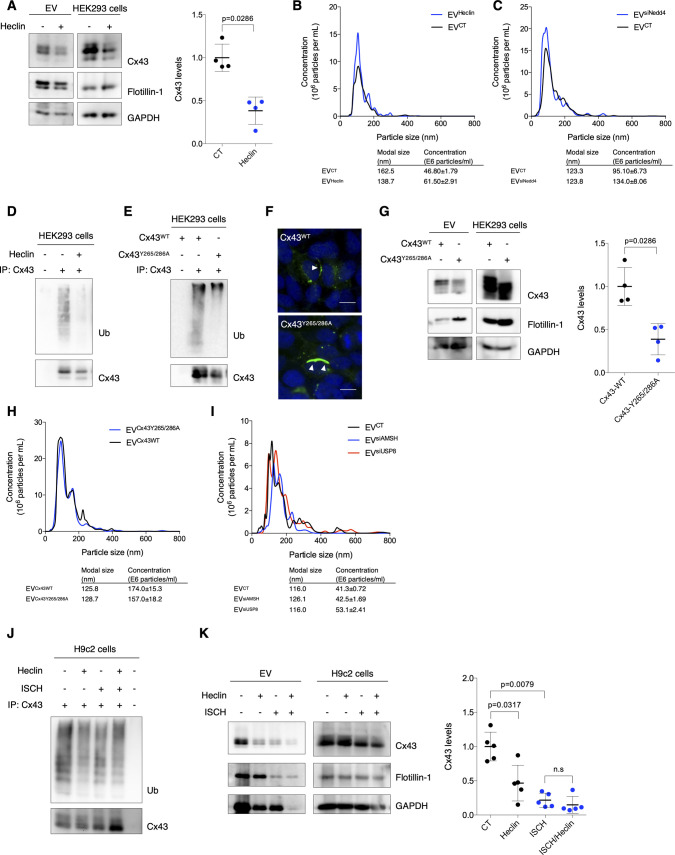
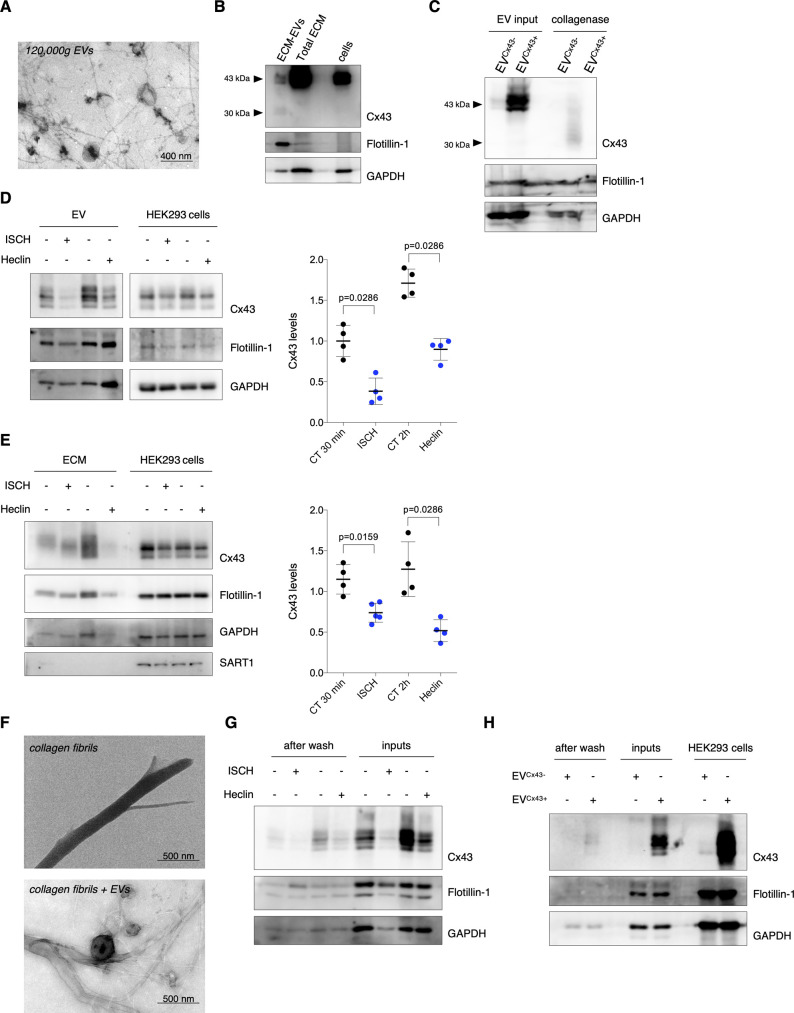
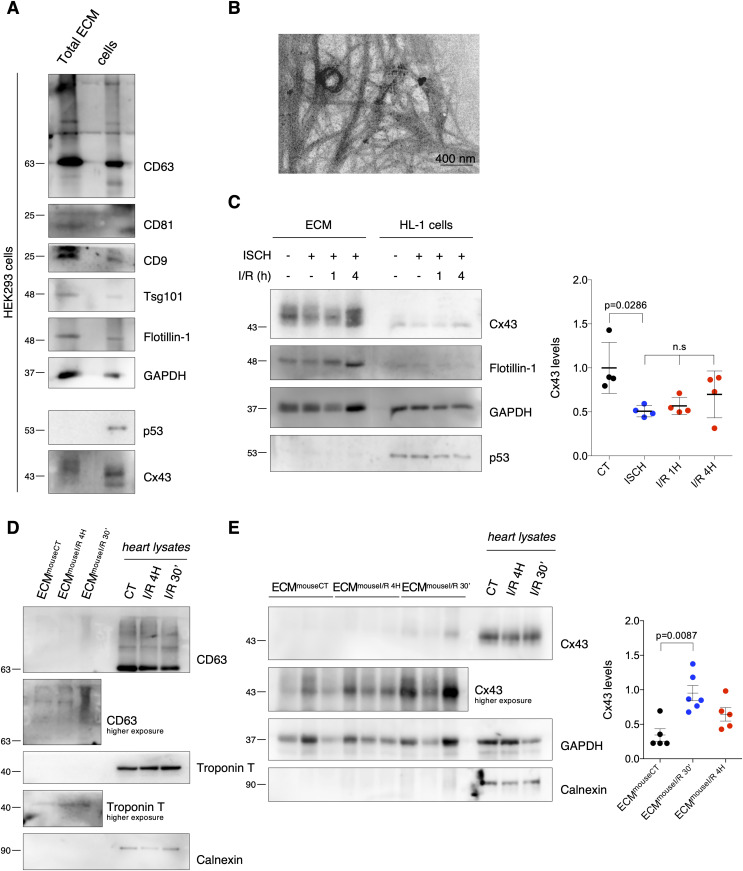
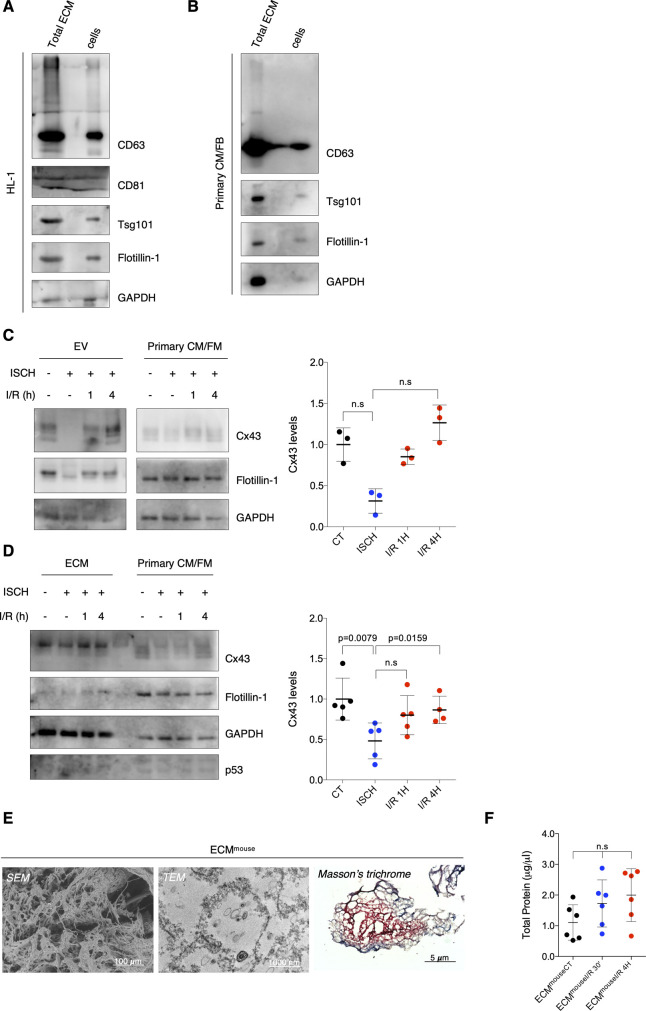
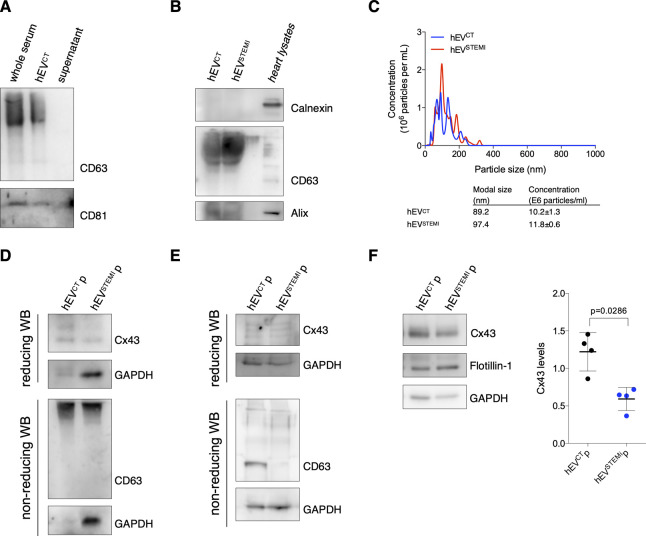
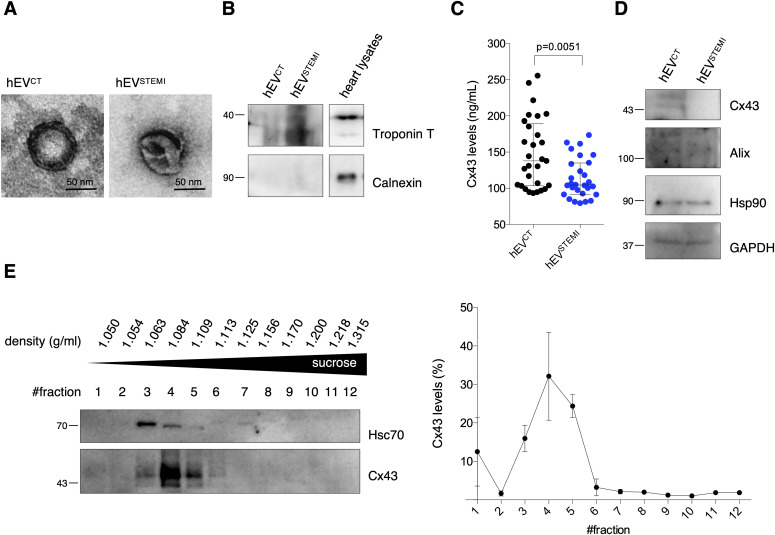
Ischemic heart disease has been associated with an impairment on intercellular communication mediated by both gap junctions and extracellular vesicles. We have previously shown that connexin 43 (Cx43), the main ventricular gap junction protein, assembles into channels at the extracellular vesicle surface, mediating the release of vesicle content into target cells. Here, using a comprehensive strategy that included cell-based approaches, animal models and human patients, we demonstrate that myocardial ischemia impairs the secretion of Cx43 into circulating, intracardiac and cardiomyocyte-derived vesicles. In addition, we show that ubiquitin signals Cx43 release in basal conditions but appears to be dispensable during ischemia, suggesting an interplay between ischemia-induced Cx43 degradation and secretion. Overall, this study constitutes a step forward for the characterization of the signals and molecular players underlying vesicle protein sorting, with strong implications on long-range intercellular communication, paving the way towards the development of innovative diagnostic and therapeutic strategies for cardiovascular disorders.
缺血性心脏病与细胞间通讯受损有关,这种受损是由间隙连接和细胞外囊泡介导的。我们之前已经表明,连接蛋白 43(Cx43)是心室间隙连接的主要蛋白,可在细胞外囊泡表面组装成通道,将囊泡内容物释放到靶细胞中。在这里,我们使用包括基于细胞的方法、动物模型和人类患者的综合策略,证明心肌缺血会损害 Cx43 分泌到循环、心内和心肌细胞衍生的囊泡中。此外,我们还表明,泛素信号在基础条件下释放 Cx43,但在缺血期间似乎是可有可无的,这表明缺血诱导的 Cx43 降解和分泌之间存在相互作用。总的来说,这项研究是对囊泡蛋白分选信号和分子机制的深入研究,对长距离细胞间通讯具有重要意义,为心血管疾病的创新诊断和治疗策略的发展铺平了道路。