Nguyen Thanh Danh, Kadri Olufemi E, Voronov Roman S
Otto H. York Department of Chemical and Materials Engineering, Newark College of Engineering, New Jersey Institute of Technology, Newark, NJ, United States.
UC-P&G Simulation Center, University of Cincinnati, Cincinnati, OH, United States.
Front Bioeng Biotechnol. 2020 Sep 25;8:529365. doi: 10.3389/fbioe.2020.529365. eCollection 2020.
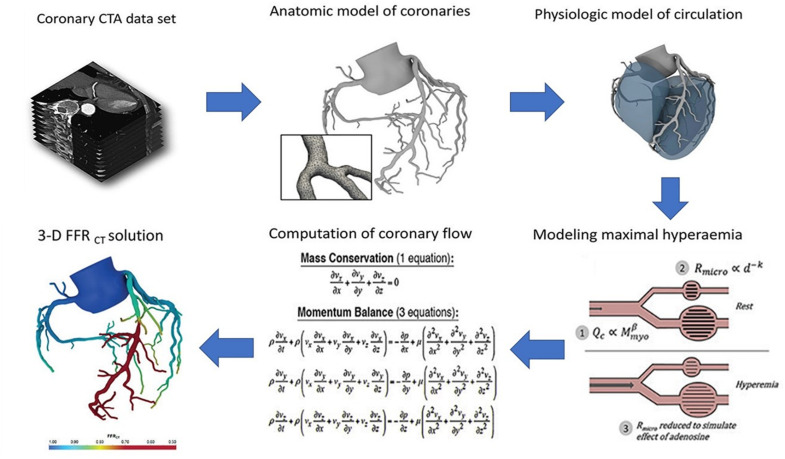
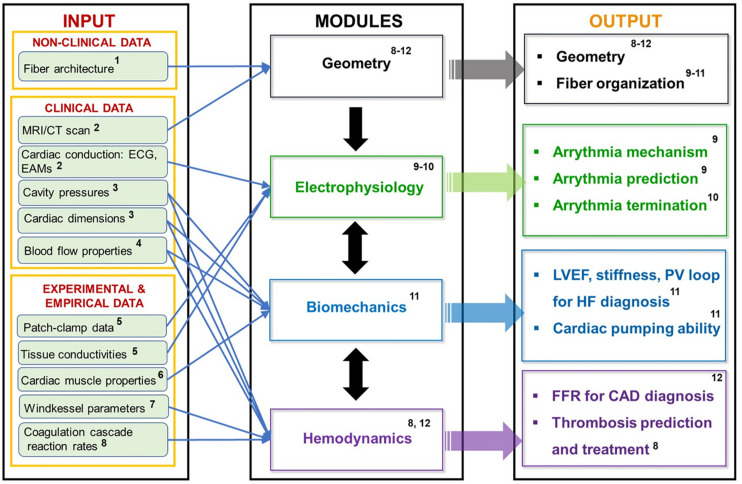
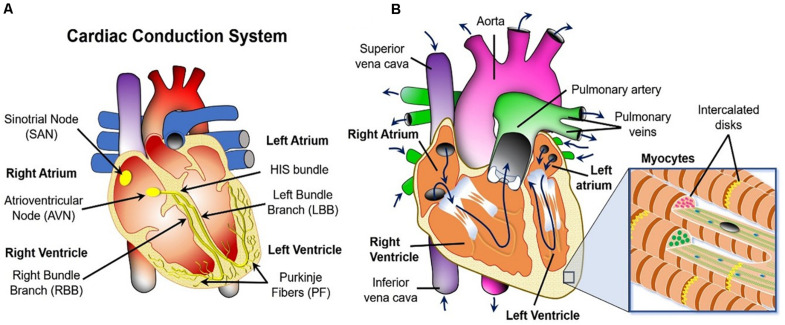
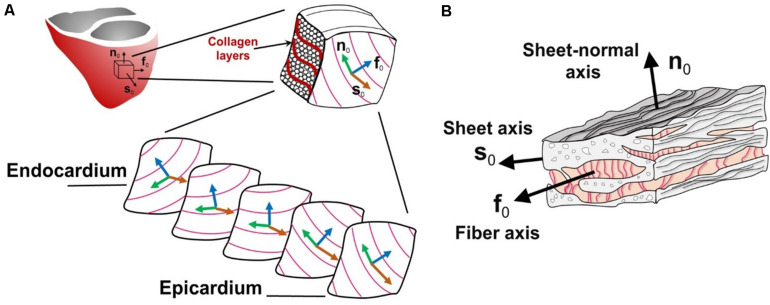
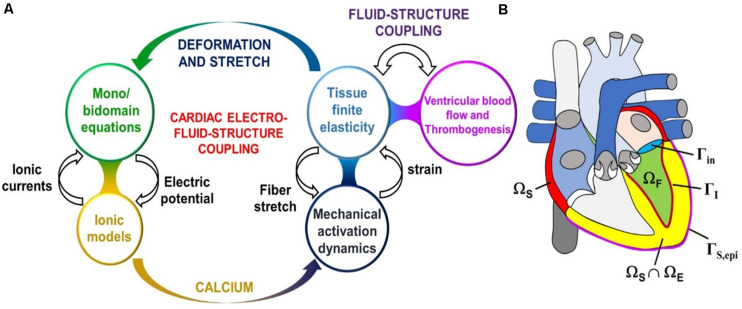
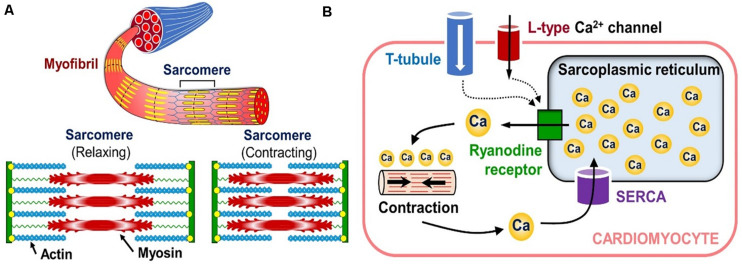
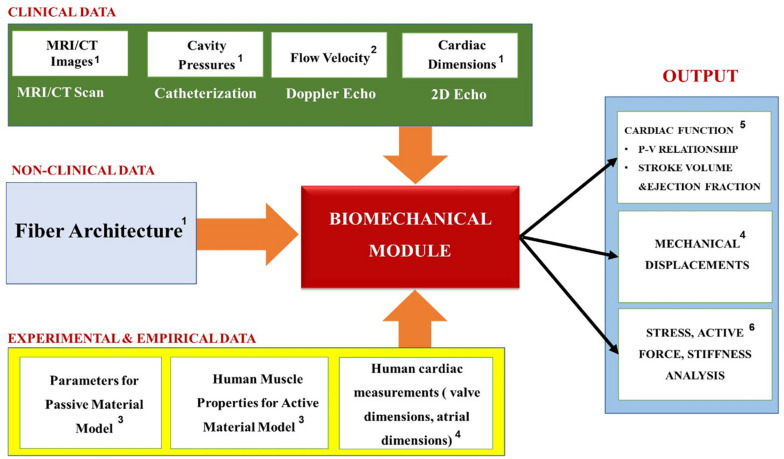
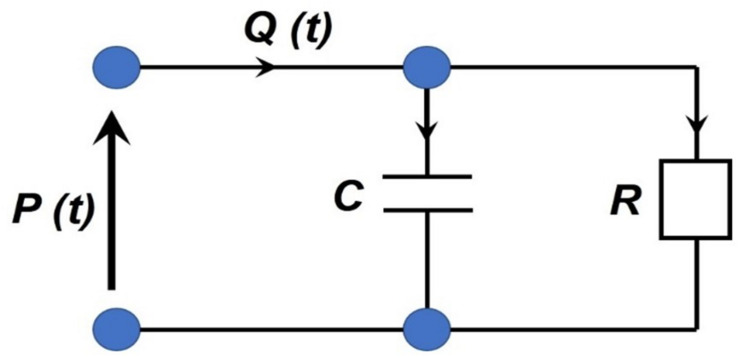
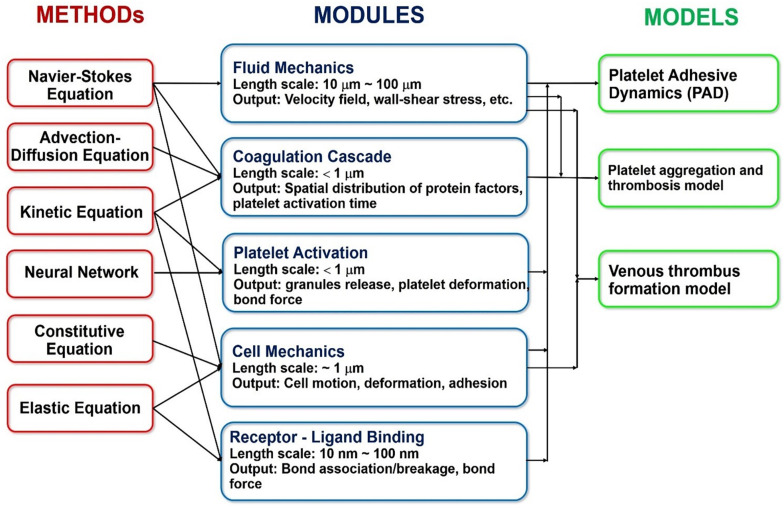
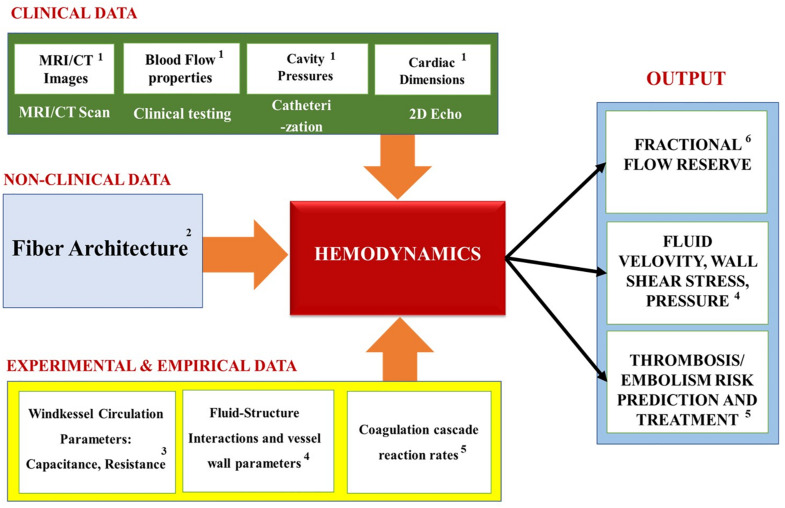
Cardiovascular diseases account for the number one cause of deaths in the world. Part of the reason for such grim statistics is our limited understanding of the underlying mechanisms causing these devastating pathologies, which is made difficult by the invasiveness of the procedures associated with their diagnosis (e.g., inserting catheters into the coronal artery to measure blood flow to the heart). Likewise, it is also difficult to design and test assistive devices without implanting them . However, with the recent advancements made in biomedical scanning technologies and computer simulations, image-based modeling (IBM) has arisen as the next logical step in the evolution of non-invasive patient-specific cardiovascular medicine. Yet, due to its novelty, it is still relatively unknown outside of the niche field. Therefore, the goal of this manuscript is to review the current state-of-the-art and the limitations of the methods used in this area of research, as well as their applications to personalized cardiovascular investigations and treatments. Specifically, the modeling of three different physics - electrophysiology, biomechanics and hemodynamics - used in the cardiovascular IBM is discussed in the context of the physiology that each one of them describes and the mechanisms of the underlying cardiac diseases that they can provide insight into. Only the "bare-bones" of the modeling approaches are discussed in order to make this introductory material more accessible to an outside observer. Additionally, the imaging methods, the aspects of the unique cardiac anatomy derived from them, and their relation to the modeling algorithms are reviewed. Finally, conclusions are drawn about the future evolution of these methods and their potential toward revolutionizing the non-invasive diagnosis, virtual design of treatments/assistive devices, and increasing our understanding of these lethal cardiovascular diseases.
心血管疾病是全球头号死因。造成这一严峻统计数据的部分原因是我们对导致这些毁灭性病症的潜在机制了解有限,而与诊断相关的侵入性程序(例如将导管插入冠状动脉以测量心脏血流量)使得这一了解变得困难。同样,在不植入辅助设备的情况下设计和测试这些设备也很困难。然而,随着生物医学扫描技术和计算机模拟的最新进展,基于图像的建模(IBM)已成为无创个性化心血管医学发展的合理下一步。然而,由于其新颖性,在这个小众领域之外仍然相对鲜为人知。因此,本手稿的目的是回顾该研究领域中当前的技术水平、所用方法的局限性,以及它们在个性化心血管研究和治疗中的应用。具体而言,将在心血管IBM中使用的三种不同物理学——电生理学、生物力学和血液动力学——的建模,放在它们各自所描述的生理学以及它们能够洞察的潜在心脏病机制的背景下进行讨论。为了使外部观察者更容易理解这些入门材料,这里只讨论建模方法的“基本要点”。此外,还将回顾成像方法、从中得出的独特心脏解剖结构方面,以及它们与建模算法的关系。最后,对这些方法的未来发展及其在革新无创诊断、治疗/辅助设备的虚拟设计以及增进我们对这些致命心血管疾病的理解方面的潜力得出结论。